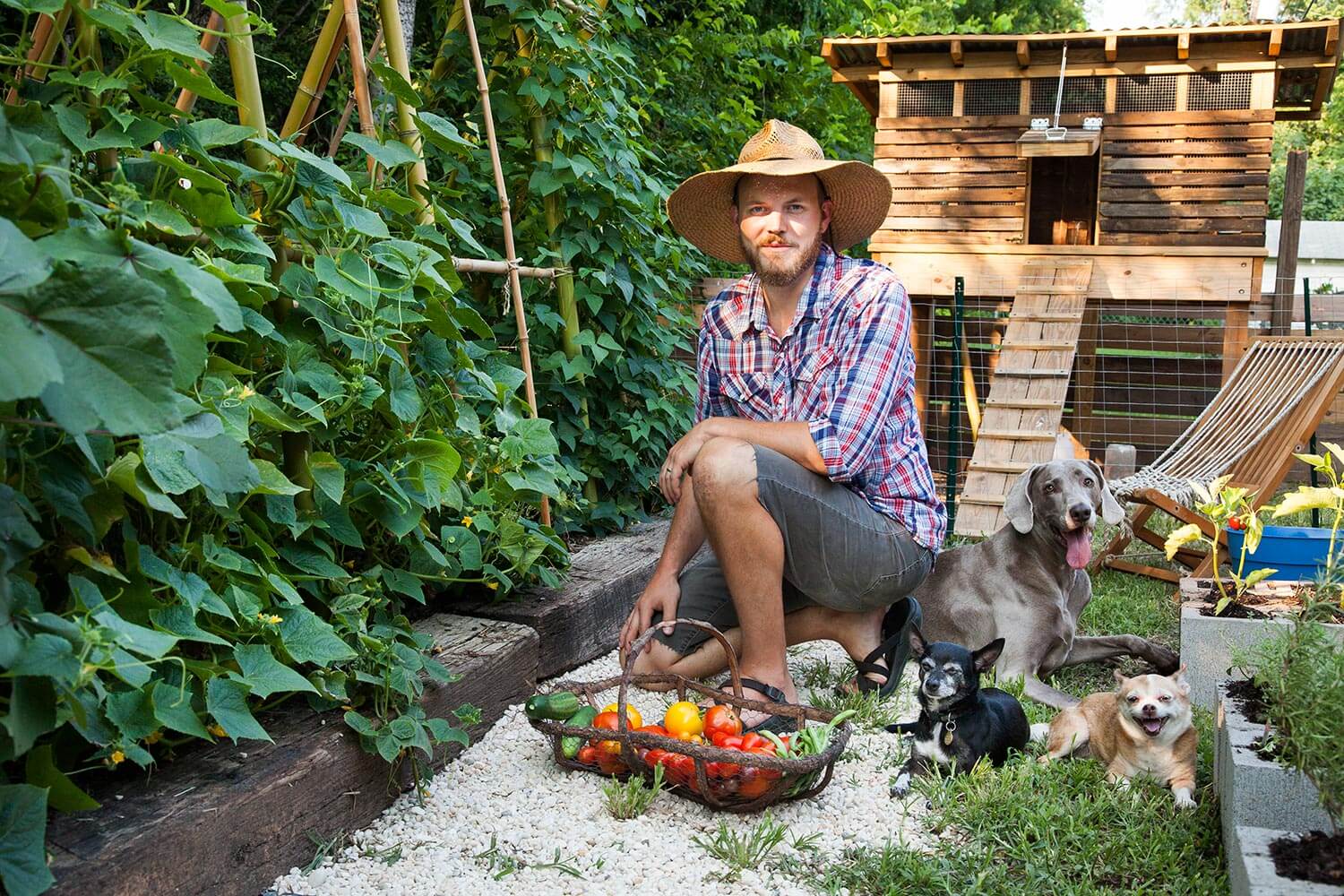
Nature that feels straight out of a dream—lush gardens, healthy plants, rich soil, and food grown with care. That’s often what inspires people to start organic gardening for the first time.
But many beginners quickly feel disappointed. Plants grow slowly, leaves turn yellow, and harvests stay small. Most people blame bad seeds or poor soil. The real problem is usually hidden underneath.
Poor composting is the silent mistake that ruins organic gardens before they ever have a chance to thrive.
1. What Is Composting in Organic Gardening?
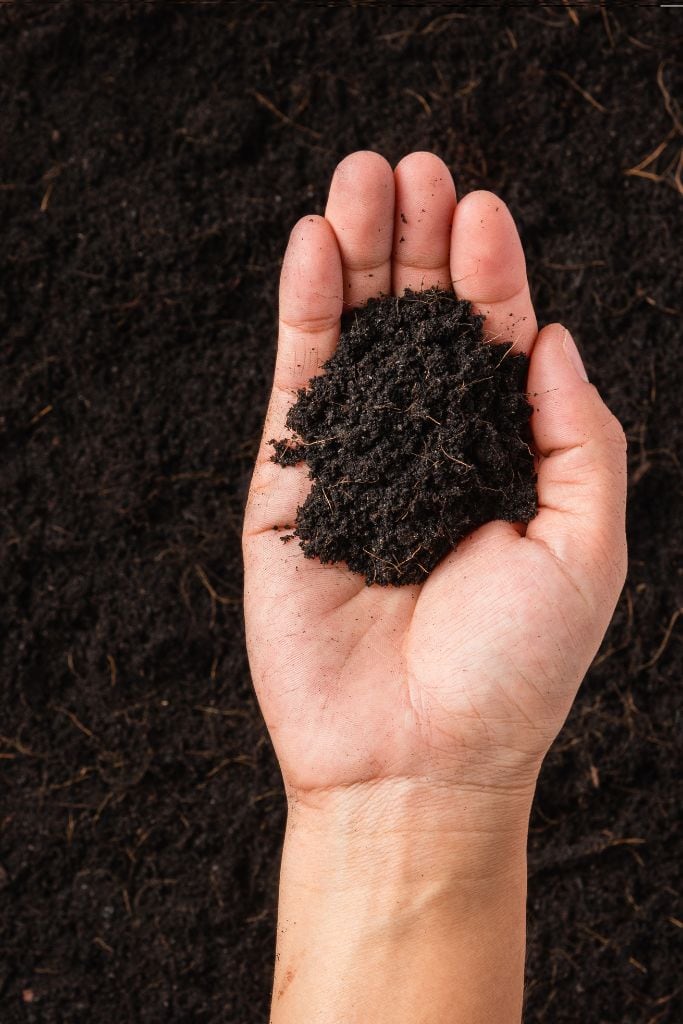
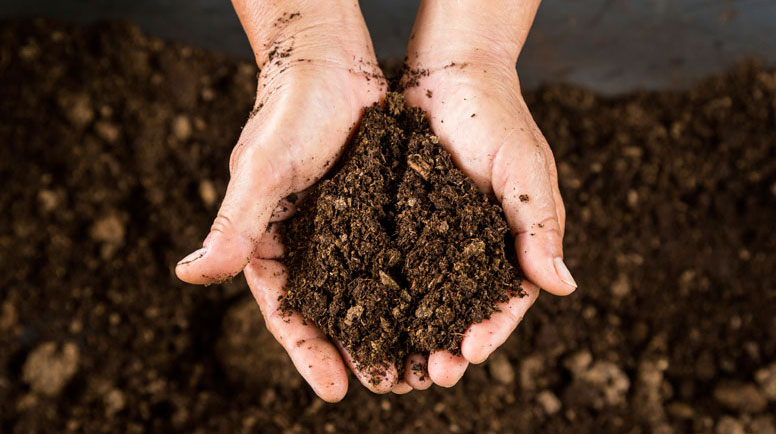
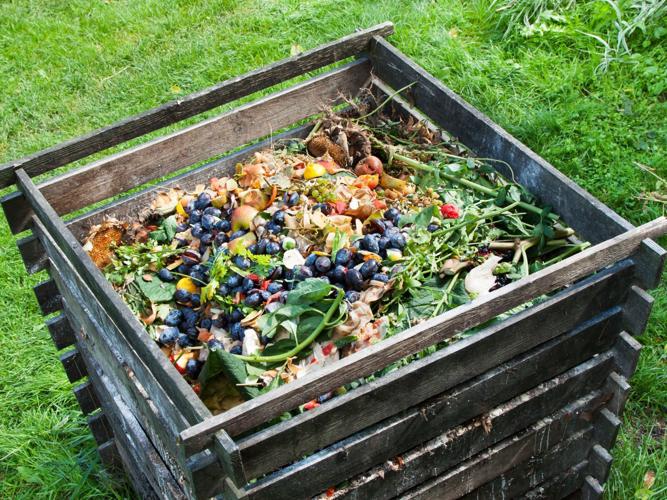
Composting is the natural process of turning organic waste—like food scraps and yard debris—into nutrient-rich soil material called compost.
In organic gardening, compost is the foundation of soil health. It feeds plants slowly, improves soil structure, and supports beneficial microbes that help roots absorb nutrients.
Unlike chemical fertilizers, compost doesn’t force fast growth. It builds living soil, creating long-term balance instead of short-term results.

2. Why Beginners Often Get Composting Wrong
Most beginners don’t fail because they’re careless. They fail because composting looks easier than it really is.
Many people rush the process, follow incomplete social media tips, or misunderstand what “organic” truly means. Tossing food scraps into a pile isn’t enough.
Compost needs balance, air, moisture, and time. When those elements are missing, the compost never becomes healthy soil.


3. The Most Common Composting Mistakes Beginners Make
3.1 Adding the Wrong Materials
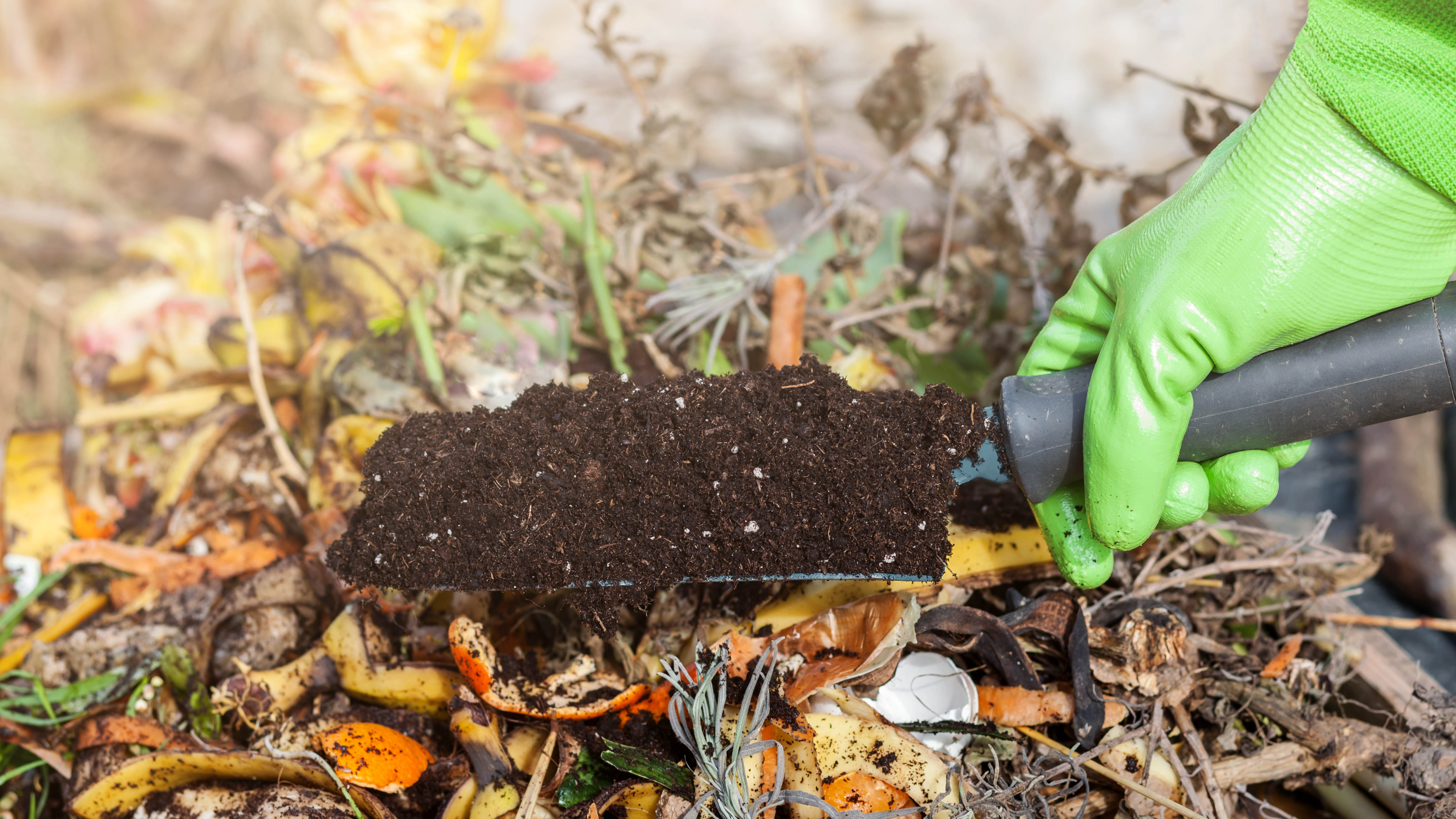
Beginners often add meat, dairy, greasy foods, diseased plants, or weeds full of seeds. These materials attract pests, spread disease, and slow decomposition.
Too much kitchen waste without dry material also creates slimy, smelly compost.


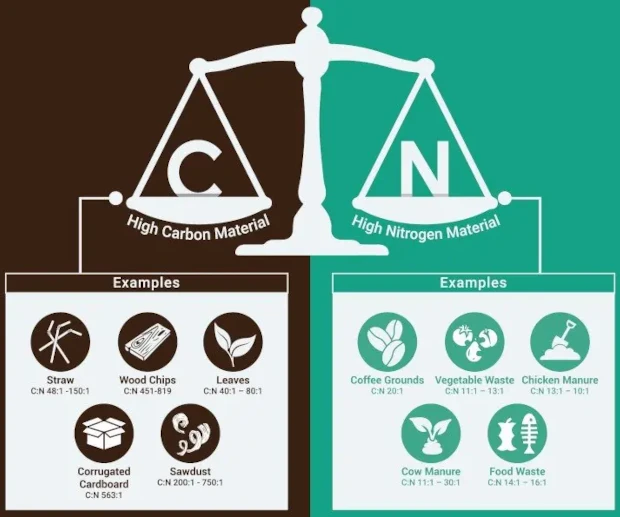
3.2 Poor Carbon-to-Nitrogen Balance
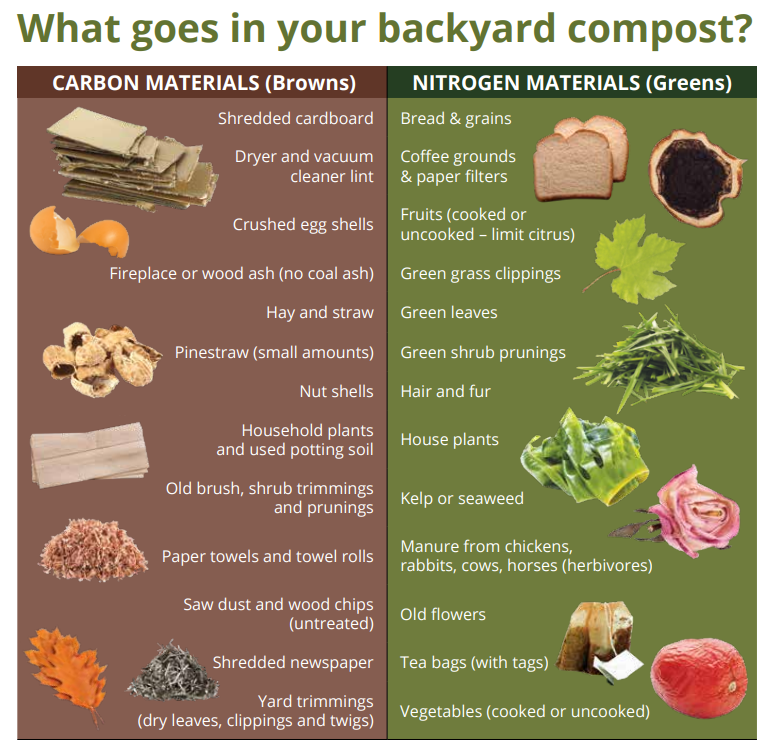
Compost needs a balance of:
- Greens (food scraps, grass clippings)
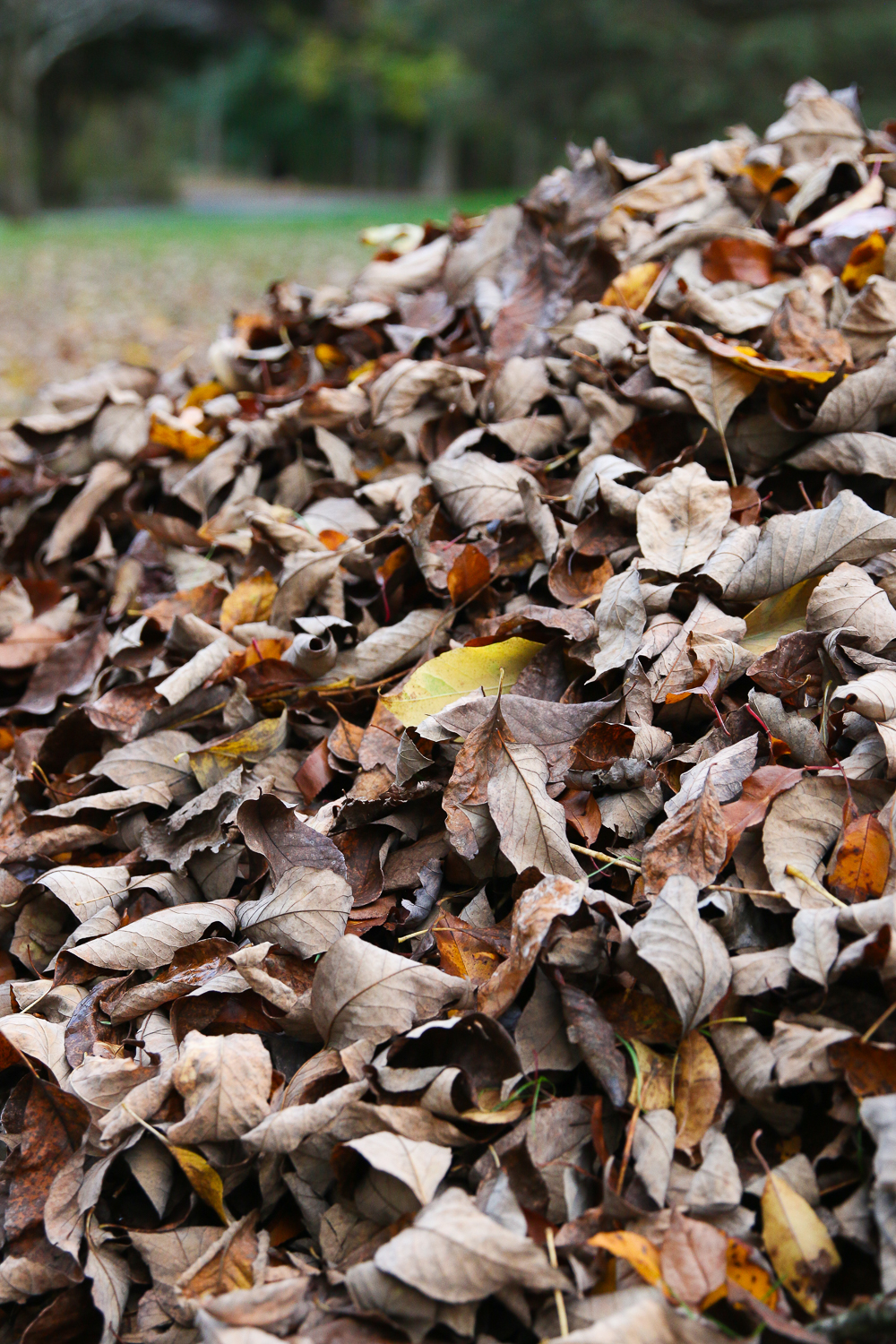
- Browns (dry leaves, cardboard, straw)
Too many greens cause odor and rot. Too many browns slow everything down. Balance keeps compost healthy and active.

3.3 Ignoring Moisture and Airflow
Compost should feel like a wrung-out sponge—not soaking wet or bone dry.
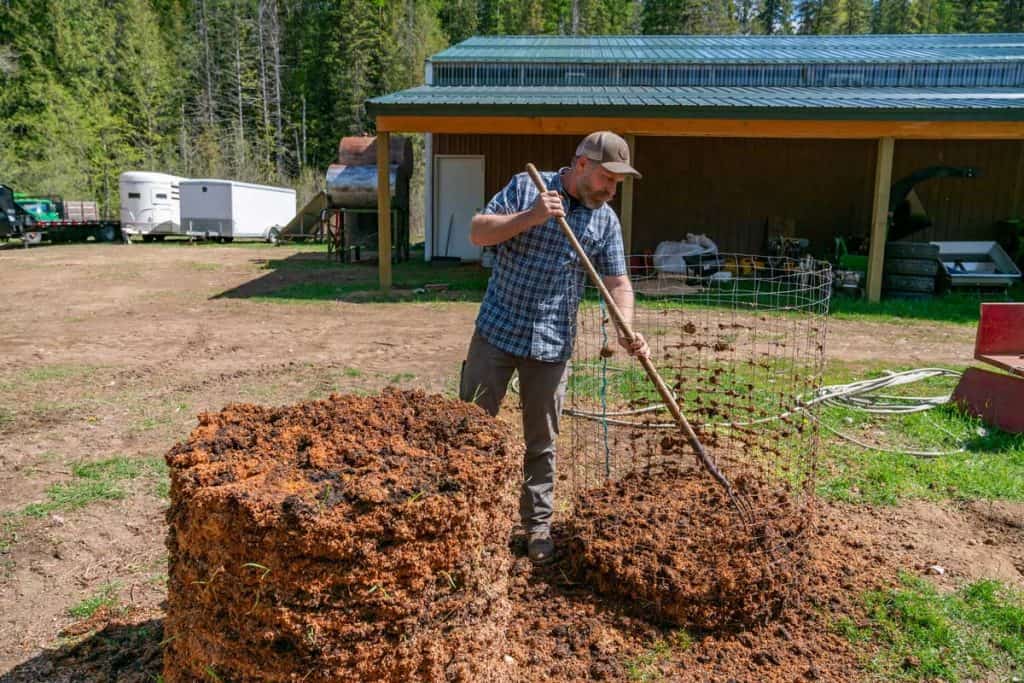
Without turning or airflow, compost becomes anaerobic. That’s when bad smells, slow breakdown, and harmful bacteria take over.


3.4 Using Immature (Unfinished) Compost
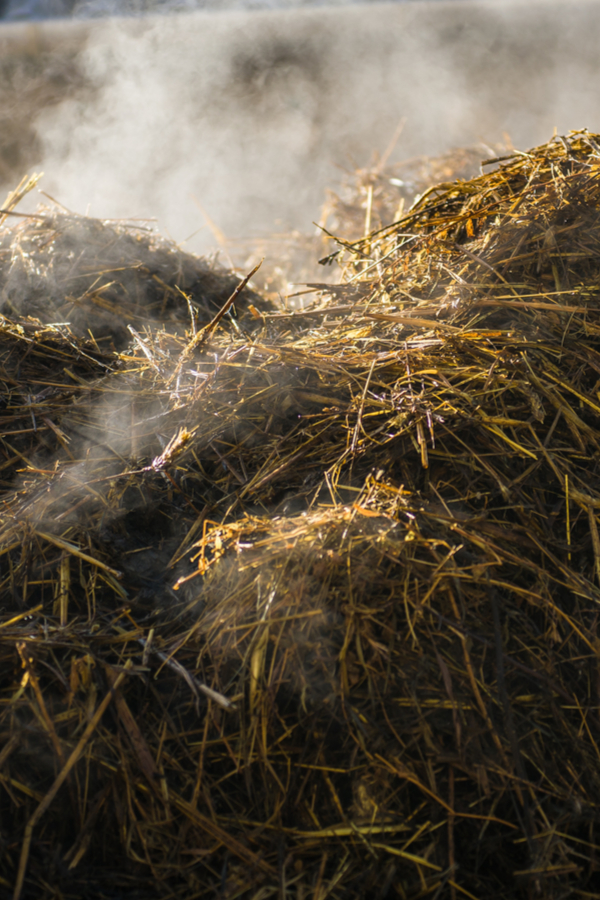
Fresh compost still breaking down can burn roots and steal nitrogen from soil.
If compost is hot, smelly, or full of visible scraps, it’s not ready. Using it too early hurts seedlings the most.


Read Also: Eco-Friendly Lawn Alternatives in the USA: A Real Cost Comparison with Traditional Lawns
4. How Poor Composting Affects Your Organic Garden
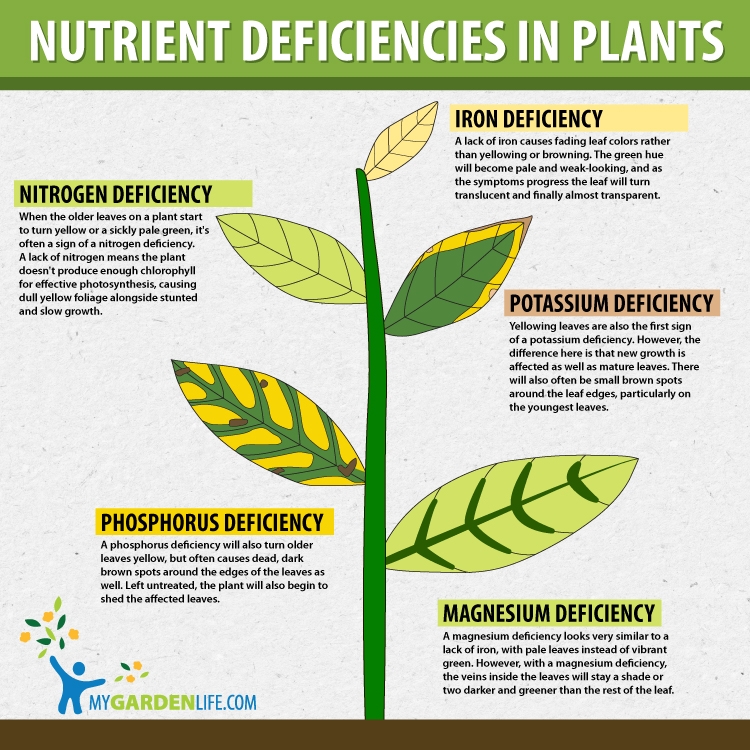
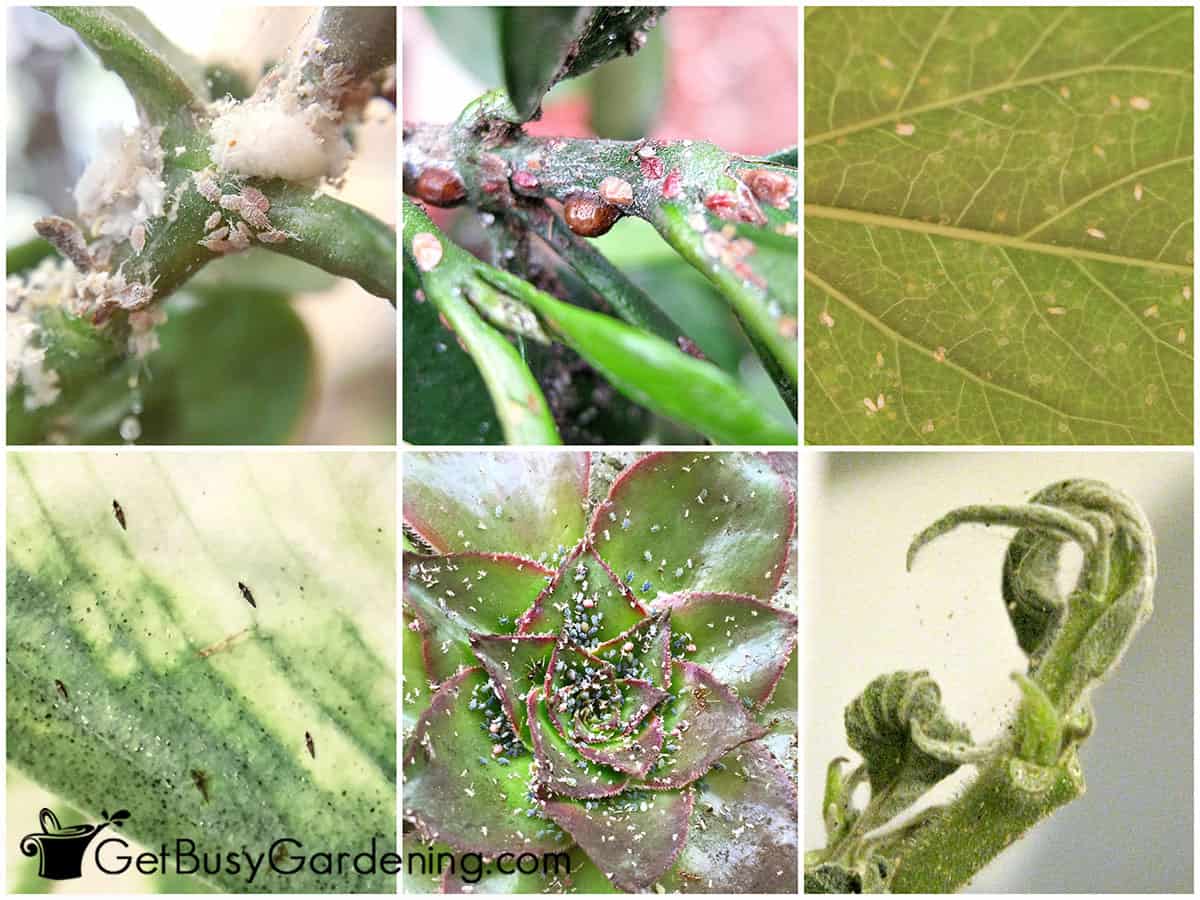
Bad compost leads to weak plants, yellow leaves, pest problems, and low yields.
Soil becomes compacted, drainage suffers, and beneficial microbes disappear. Even with perfect seeds, plants struggle to survive.

5. Why Compost Quality Matters More Than Quantity
A small amount of high-quality compost outperforms large piles of poor compost.
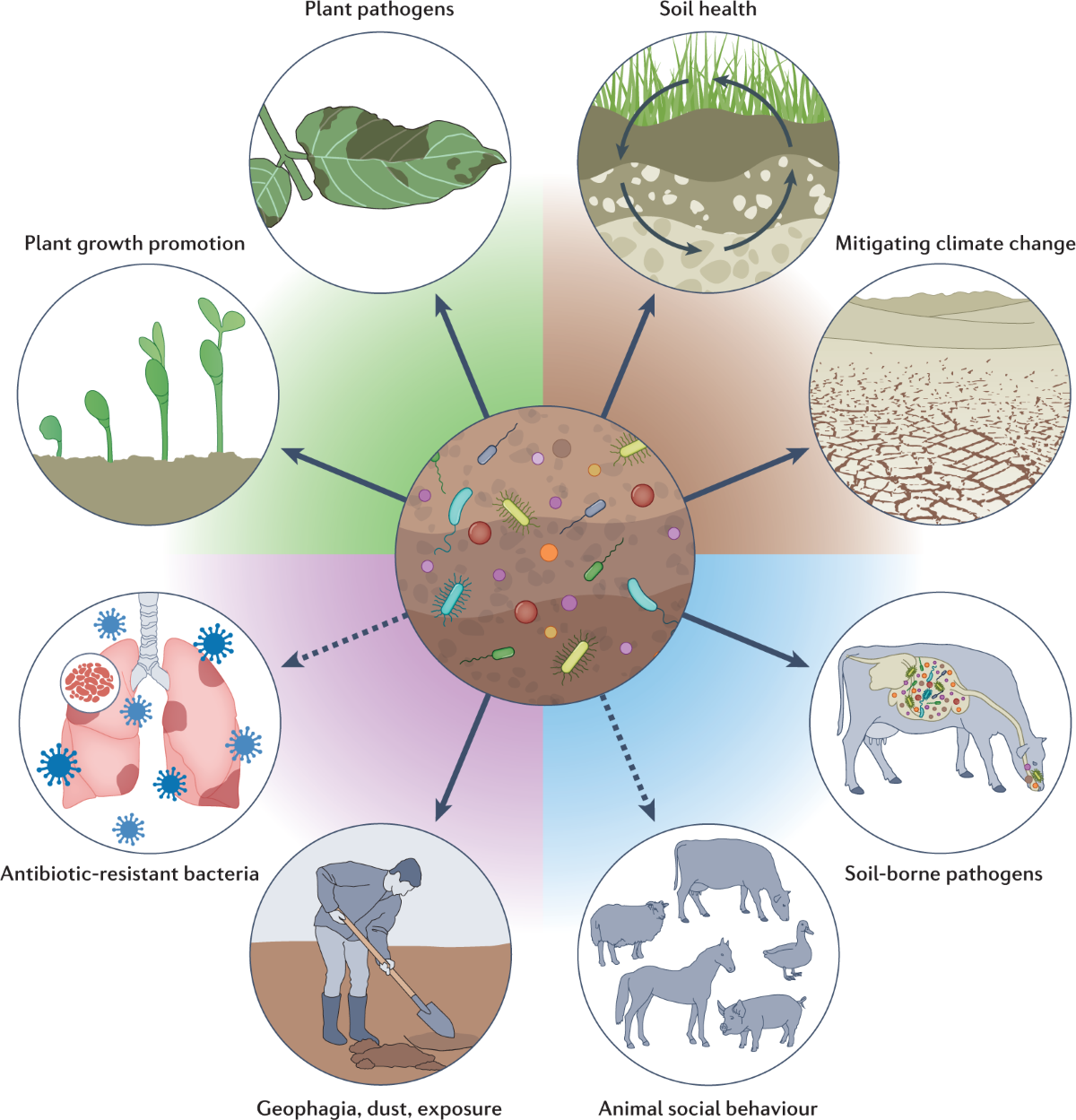
Plants don’t just need nutrients—they need nutrients in usable form. Healthy compost delivers that through active microbes and stable organic matter.

6. How to Fix Composting Mistakes (Beginner-Friendly Guide)
6.1 What to Add and What to Avoid
Add:
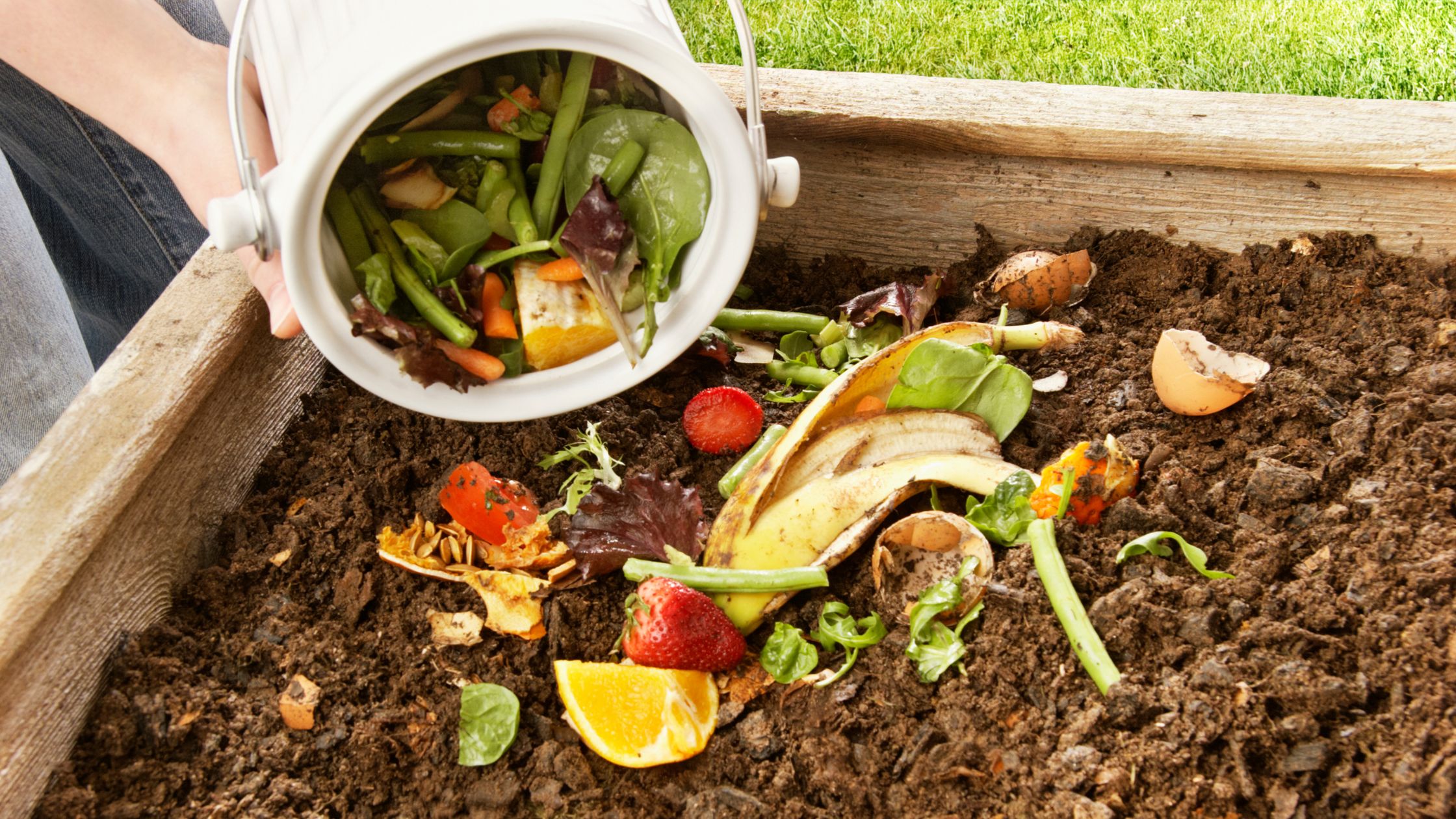
Vegetable scraps, coffee grounds, eggshells, leaves, shredded cardboard, straw
Avoid:
Meat, dairy, oils, diseased plants, pet waste
Aim for roughly 2 parts browns to 1 part greens.

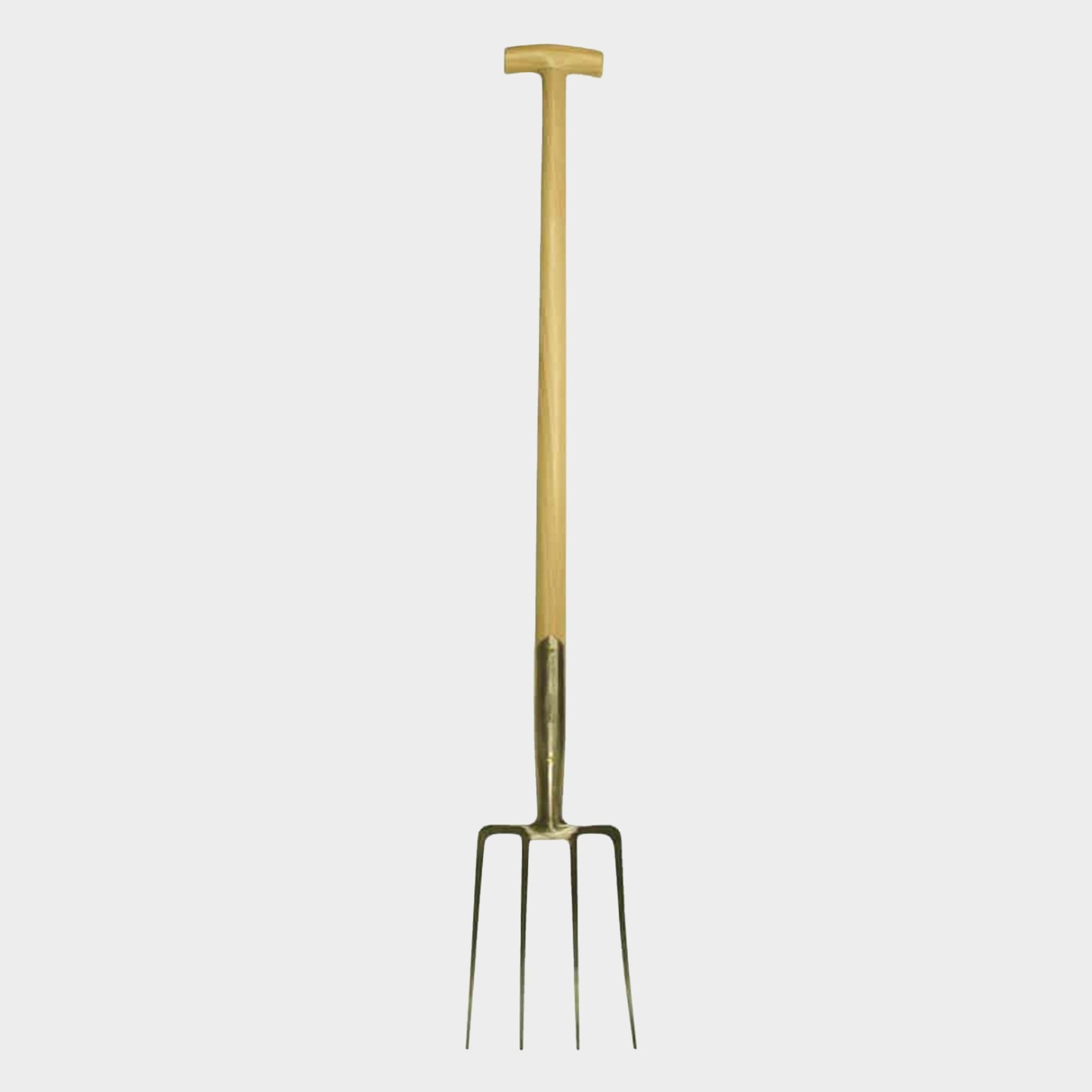
6.2 Easy Composting Methods for Beginners
- Pit composting: Dig and bury scraps
- Bin composting: Contained and tidy
- Trench composting: Great for garden beds
- Compost tumblers: Faster but limited space
Choose what fits your lifestyle.


6.3 Signs of Healthy Compost
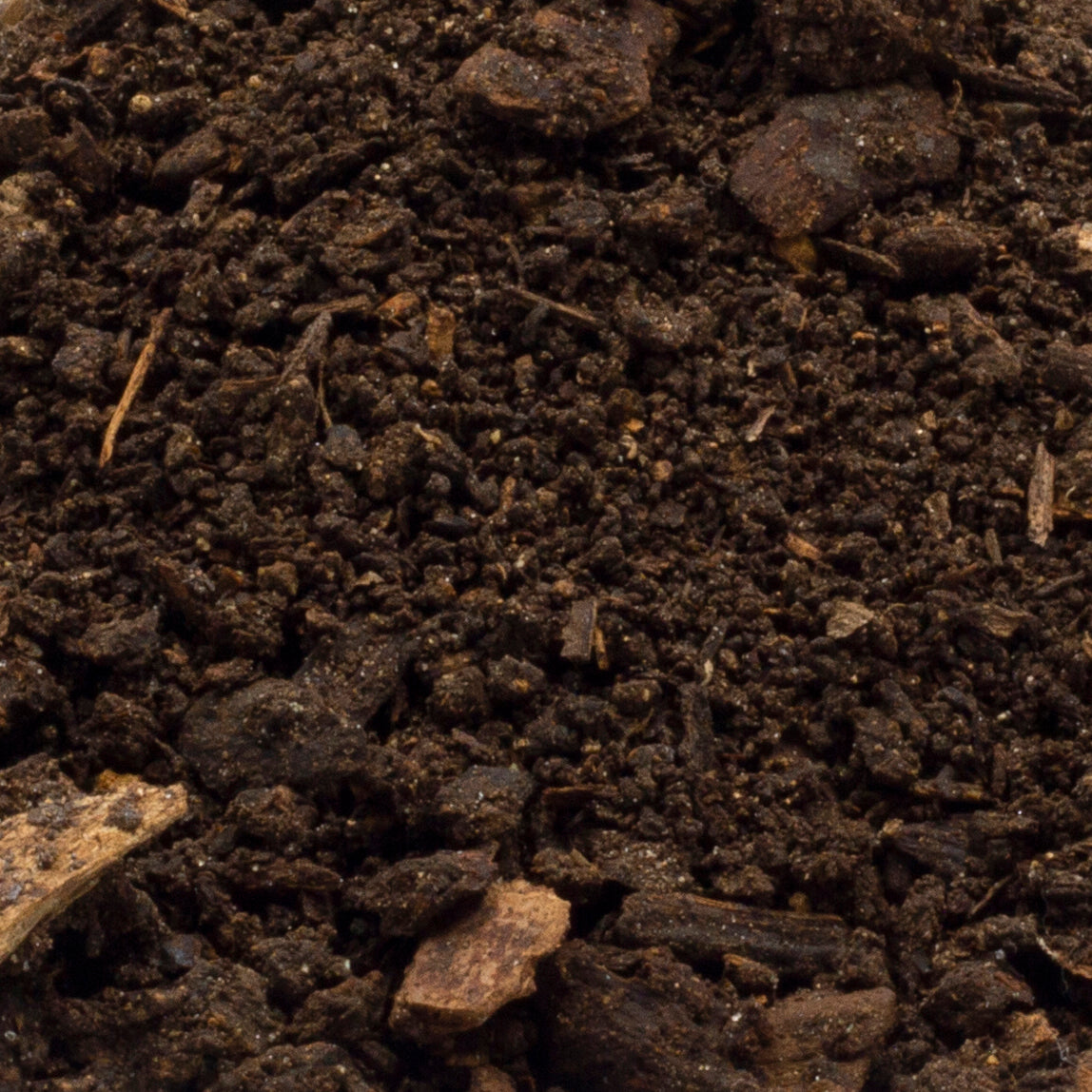
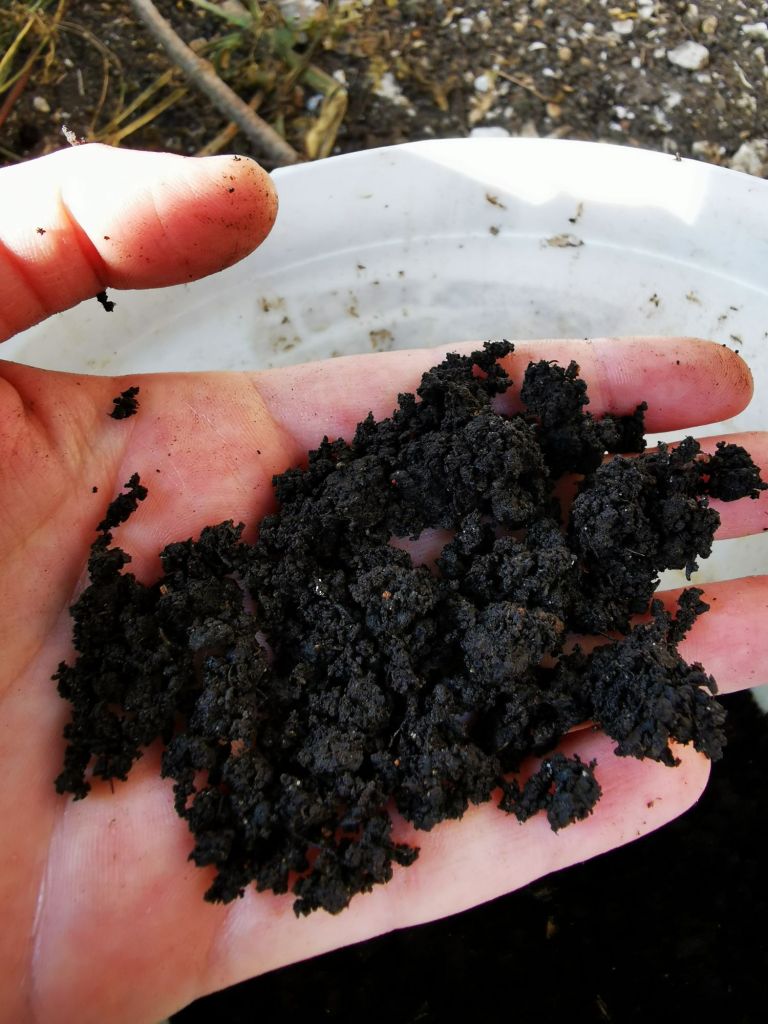
Good compost is dark, crumbly, cool, and smells earthy. You shouldn’t recognize what went into it.

7. Best Composting Tips for First-Time Organic Gardeners
Start small. Turn compost every 7–10 days. Keep it moist, chop waste smaller, and be patient.
Good compost takes time—but it’s worth it.


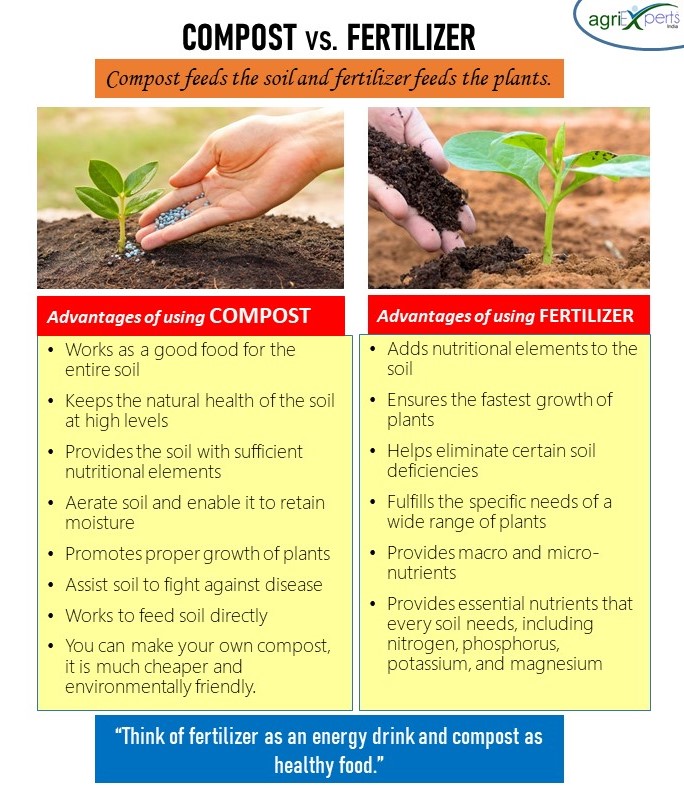
8. Compost vs Store-Bought Organic Fertilizers
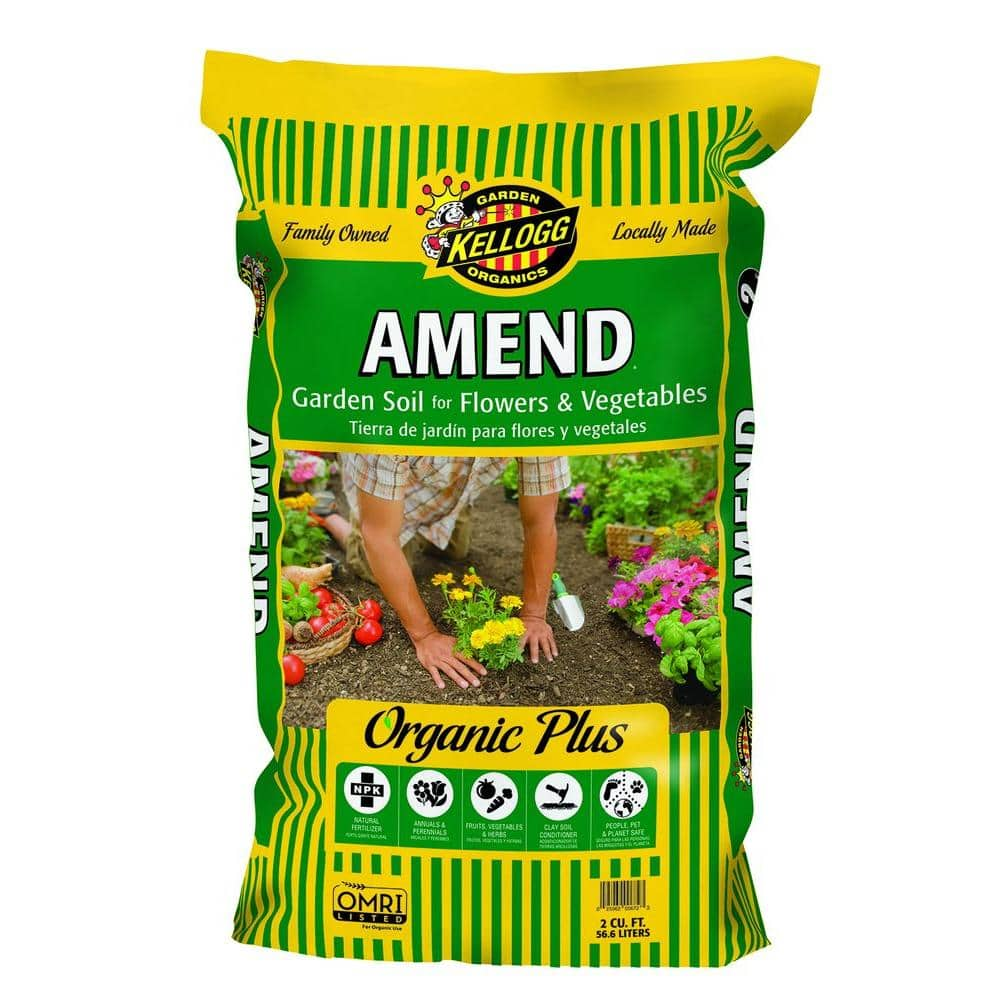
Store-bought organic fertilizers can help, but they shouldn’t replace compost.
Compost builds soil health. Fertilizers support growth. Used together, compost should always come first.

9. Real Beginner Example: How Poor Compost Ruined a Garden
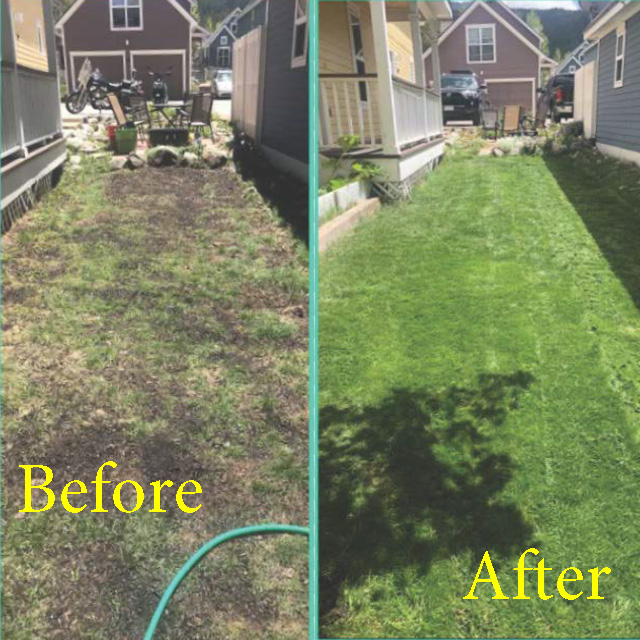
A new gardener used fresh kitchen scraps directly in soil. Seedlings wilted, pests appeared, and growth stalled.
After learning proper composting—balancing browns, turning regularly, and waiting—the garden rebounded. The next season brought strong plants and steady harvests.

10. Conclusion
Poor composting is the biggest organic gardening mistake beginners make—but it’s also the easiest to fix.
Organic gardening is a skill. Composting improves with practice, patience, and attention.
Don’t quit. Fix your compost, and you fix your garden.


Frequently Asked Questions
How long does compost take to be ready?
Usually 2–6 months, depending on materials and care.
Can I use compost directly on seedlings?
Only if it’s fully finished and cool.
Why does my compost smell bad?
Too much moisture, not enough air, or too many greens.
Is composting necessary for organic gardening?
Yes. It’s the foundation of healthy organic soil.

Asif Ali is a gardening blogger with over 2 years of experience writing about garden inspiration, eco-friendly gardening, and beautiful garden destinations. He focuses on practical, sustainable ideas that help beginners create inspiring gardens with ease.