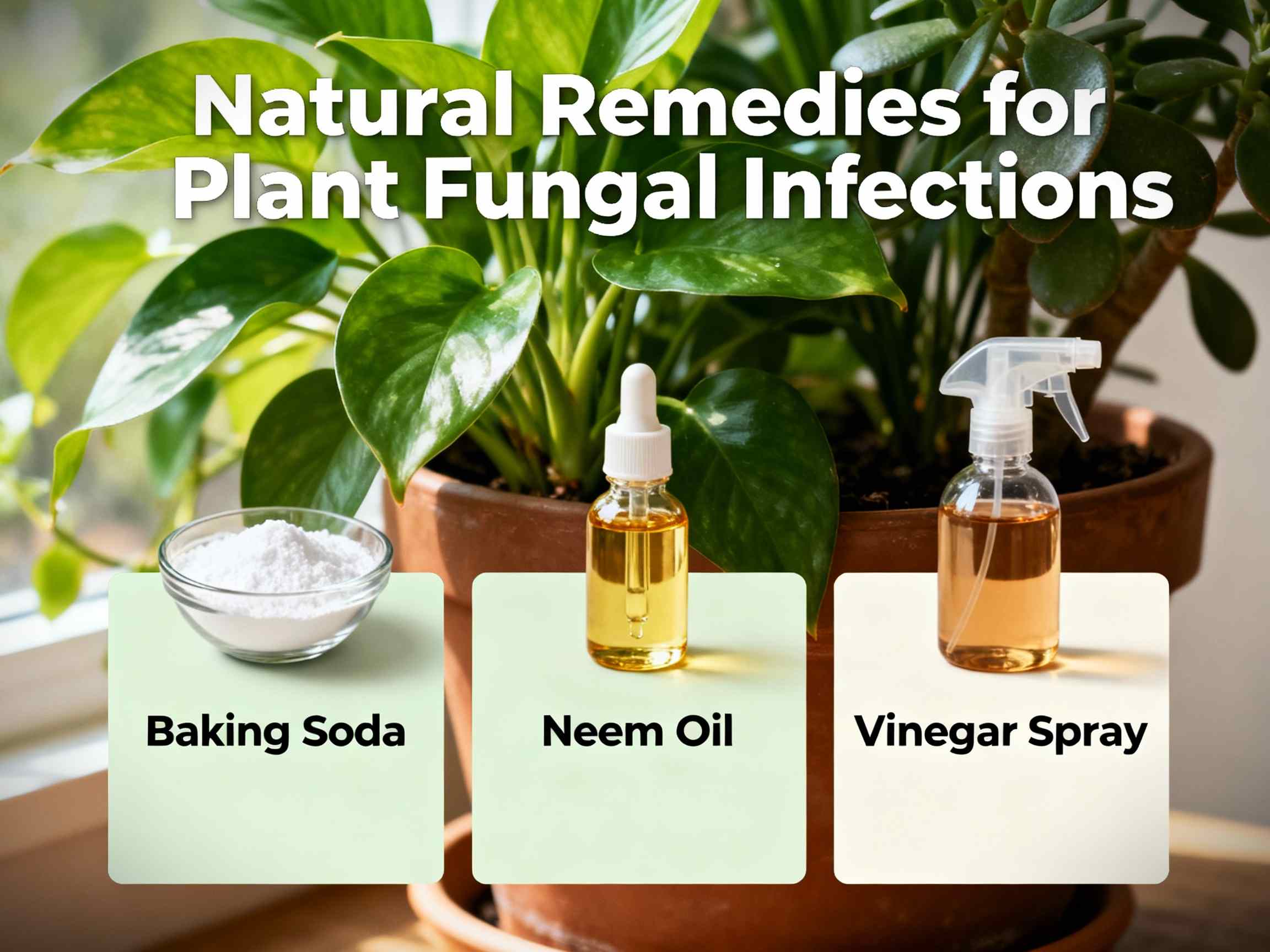
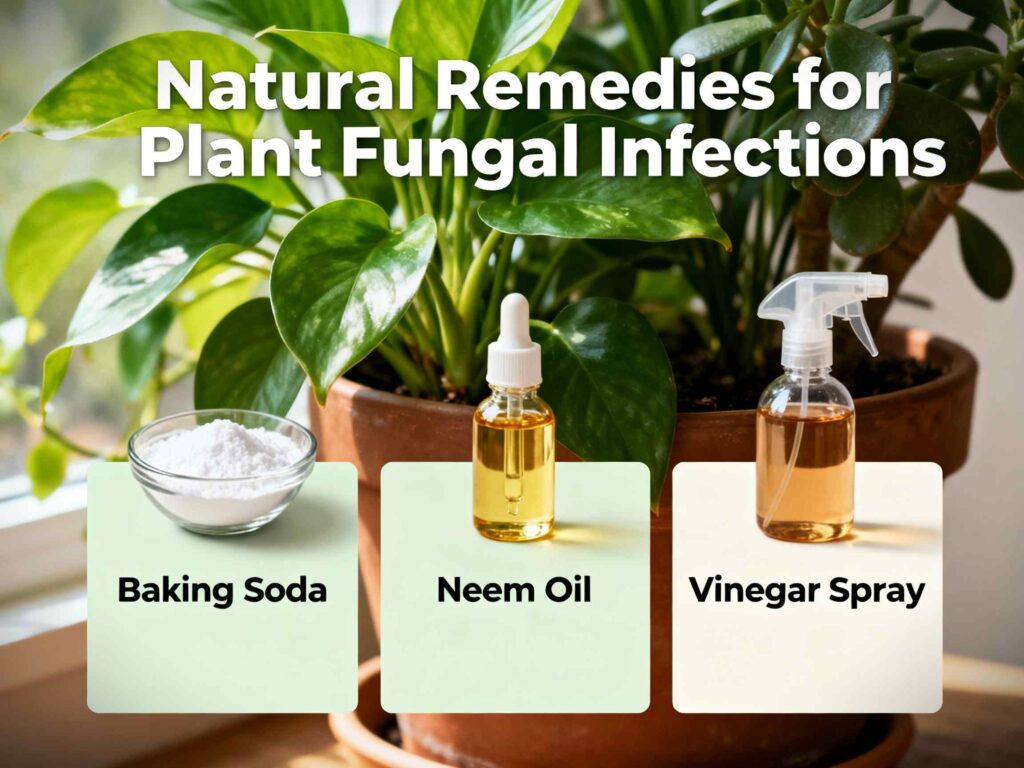
Natural Remedies for Plant Fungal Infections: Fungal infections are among the most frustrating challenges plant lovers face, often appearing without warning and spreading rapidly if left untreated. Whether you’re growing houseplants, vegetables, or ornamental flowers, dealing with powdery mildew, leaf spots, root rot, or other fungal diseases can feel overwhelming. The good news? You don’t need harsh chemicals to restore your plants to health. This comprehensive guide explores effective, affordable natural remedies that work, supported by practical advice from experienced gardeners and plant care experts.
Understanding Plant Fungal Infections: Recognition and Prevention
Before treating fungal infections, you need to recognize them. Fungal diseases manifest in distinctive ways that help you identify problems early, when treatment is most effective. Understanding these symptoms is your first line of defense against widespread plant damage.
How to Identify Common Fungal Infections
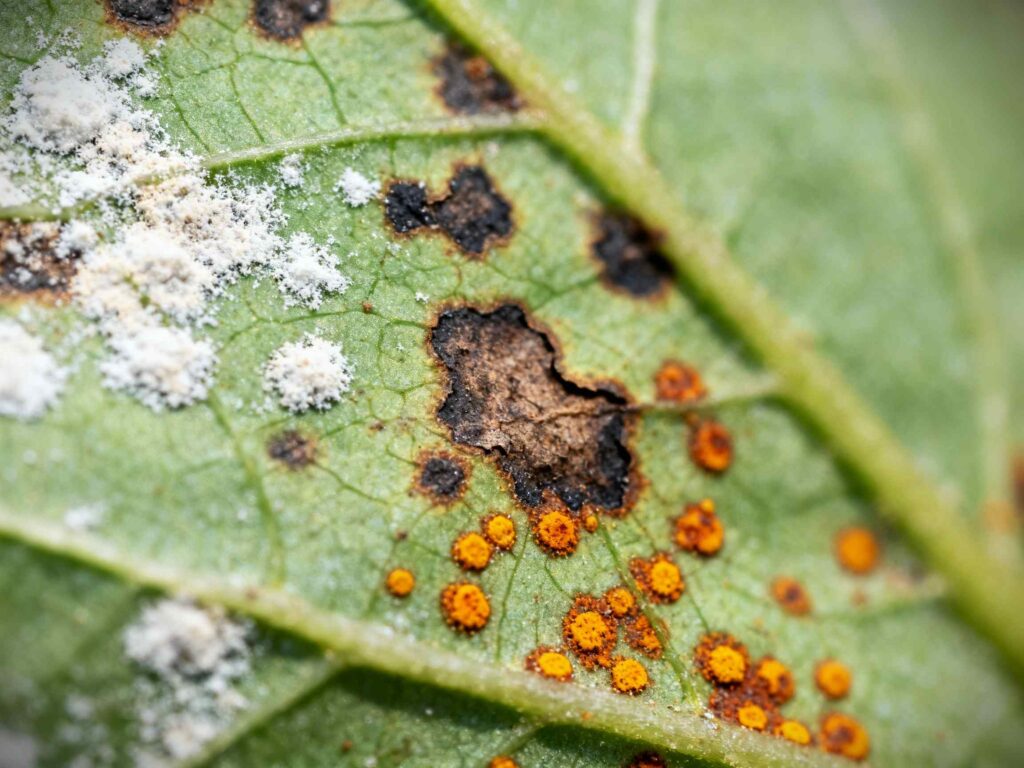
Fungal infections display several telltale signs that differentiate them from other plant problems. Visual cues are the most obvious indicators: discolored, spotted, or blotchy leaves, white powdery growth on leaves and stems (powdery mildew), gray, fuzzy or cottony growths, and wilting or drooping leaves all signal fungal problems. Beyond appearance, you might notice a musty or earthy odor emanating from the plant, or soft, slimy, rotting texture on affected parts. Root-level problems are harder to spot but equally important—soggy, waterlogged soil and discolored or decaying roots indicate serious fungal issues below ground.
The most common fungal diseases affecting houseplants include powdery mildew (appearing as white powder on leaves), leaf spots (brown or black lesions, sometimes with yellow halos), root rot (causing stunted growth and decline), and damping-off (affecting seedlings). Each requires slightly different treatment approaches, though many natural remedies work across multiple fungal types.
Prevention: The Most Effective Approach
Prevention truly is better than cure when it comes to fungal infections. The most effective way to prevent fungal diseases is by proactively managing environmental conditions, primarily focusing on proper watering, good air circulation, and appropriate humidity levels. Fungi thrive in damp, stagnant, humid conditions—the opposite of what healthy plants need.
Proper watering practices form the foundation of fungal prevention. Water your plants only when the soil is partially dry, and avoid getting water on leaves, as this creates an environment conducive to fungal growth. Overwatering is a primary culprit because it starves roots of oxygen, making them weaker and more susceptible to fungal invaders like root rot. A helpful rule: check at least 2 inches down into the soil with your finger before watering.
Air circulation is equally critical. Stagnant air creates perfect conditions for fungal spores to germinate and spread. Ensure your indoor space has adequate airflow by using fans, opening windows when possible, and avoiding overcrowding of plants. When plants are packed too tightly, they struggle to get the air circulation they need, allowing fungal spores to spread rapidly from one plant to the next.
Humidity management matters significantly. While many plant lovers think they need to mist their plants, this actually increases the risk of fungal growth. Instead, use a dehumidifier or consider grouping plants together to create a more humid microclimate in a controlled manner. Maintain humidity levels between 40-60% for best results.
Additional preventive measures include choosing the right potting mix (select well-draining mixes formulated for indoor plants; avoid garden soil which may contain dormant fungal spores), sanitizing your tools (regularly clean and disinfect gardening tools, pots, and work surfaces), and removing dead plant matter (clean up dropped leaves and dead plant parts immediately to prevent rot and fungal growth).
Top Natural Remedies for Plant Fungal Infections
Once a fungal infection appears, you have multiple effective natural treatment options. These remedies work by disrupting fungal growth, altering pH levels, or creating inhospitable environments for spores. Most are inexpensive, safe, and use ingredients you likely have at home.
Baking Soda: The Alkaline Defense
Baking soda (sodium bicarbonate) is a time-tested, affordable remedy that works through a simple mechanism: it raises the pH of leaf surfaces. Most fungal pathogens thrive in slightly acidic environments with a pH around 7. Baking soda, with a pH of 8.3, creates an alkaline surface that interferes with fungi’s ability to take hold. While baking soda won’t kill existing fungus completely, it effectively prevents spores from spreading and works best as a preventive measure.
Basic baking soda spray recipe:
- 1 tablespoon baking soda
- ½ teaspoon liquid soap (such as Castile soap, not detergent)
- 1 gallon of water
Mix the soap and water first, then add the baking soda and stir thoroughly. Spray liberally on affected areas, getting both top and bottom leaf surfaces. Apply early morning or late evening to avoid leaf burn, and reapply every 7-14 days. For early-stage infections, some gardeners use a stronger mix: 1 liter of water with 1 teaspoon baking soda and 1 teaspoon vegetable oil.
Important caution: Avoid using baking soda on very young or tender plants, during peak sun hours, or excessively, as it can raise soil sodium levels over time. Always spot test on a few leaves before widespread application.
Neem Oil: The Powerful Natural Fungicide
Neem oil, derived from the seeds of the neem tree (Azadirachta indica), has been used for centuries in Ayurvedic medicine and traditional farming. This powerful natural fungicide works by disrupting the life cycle of the fungus, preventing it from spreading and causing further damage. Unlike simple preventive approaches, neem oil has mild antifungal properties and can be more effective on active infections.
Neem oil spray formula:
- 1 liter of water
- 1-2 teaspoons neem oil
- 10 drops of eco-friendly liquid soap (to help it emulsify)
Mix the soap with neem oil first to emulsify them, then add to water and stir well. For maximum effectiveness against powdery mildew specifically, completely drench affected parts like leaves and stems. Repeat the spray every 2-3 days until you fully remove the spores, then switch to weekly preventive spraying once the infection clears.
Application timing matters: Spray early morning before sunrise or late evening after sunset to avoid plant sunburn. Shake your spray bottle frequently during application to keep the oil evenly distributed.
A note about safety: While neem oil is considered safe for use in organic gardening, it’s mildly toxic to parasitoid wasps and some bees, especially when detergent soaps are added. Spraying in moderation and only when pollinators aren’t present (evening hours) can mitigate harm.
Milk Spray: The Surprising Immune Booster
Milk spray has gained surprising popularity among home gardeners for organic control of powdery mildew, though the science isn’t fully understood. The theory suggests that naturally-occurring compounds in milk—proteins and other compounds—fight the infection and build plant immunity against it.
Simple milk spray recipe:
- 1 part milk (whole or skimmed)
- 2-3 parts water
- Mix thoroughly and spray liberally
What makes milk spray unique is that you can apply it during the day without worrying about leaf burn, unlike baking soda or neem oil sprays. The remedy works particularly well on zucchini, melons, and cucumbers. While scientific validation is limited compared to other remedies, the ease of application and safety profile make it worth trying, especially as an early intervention.
Apple Cider Vinegar: The Acidic Solution
Vinegar fights fungal infections with acidity rather than alkalinity, taking the opposite approach of baking soda. It contains acetic acid and works by lowering leaf surface pH, creating an environment too acidic for fungi to thrive.
Apple cider vinegar fungicide spray:
- 4 tablespoons apple cider vinegar
- 1 gallon of water
- Mix thoroughly and spray on affected areas
Apply this solution to affected leaves and stems, and reapply every 7-10 days for best results. Like other natural remedies, vinegar works best when applied early in the disease progression.
Sulfur: The Traditional Broad-Spectrum Treatment
Sulfur is a time-honored fungicide that works differently from most natural remedies. While scientists don’t completely understand the mechanism, it’s believed that sulfur disrupts fungal metabolism, stopping fungi from spreading. It can also kill spores on contact. Sulfur is most effective when applied before diseases show up—as a preventive measure rather than a cure.
Sulfur application guidelines:
- Apply every 10-14 days as needed or after rain
- Rain washes away the treatment, requiring reapplication
- Follow product label instructions carefully
Important considerations: Sulfur works best at temperatures between 60-85°F. Avoid applying sulfur to delicate plants, and never use it within two weeks of oil-based sprays, as the combination can damage plants. If temperatures exceed 85°F, wait until cooler weather to apply.
Potassium Bicarbonate: The Two-Pronged Attack
Potassium bicarbonate offers a two-pronged attack against fungal infections, making it particularly effective for powdery mildew. It acts as a contact fungicide, killing powdery mildew spores on contact, and raises pH on leaves, making the environment harder for the fungus to survive.
Potassium bicarbonate spray recipe:
- 1 gallon of water
- 1 tablespoon potassium bicarbonate
- 1 teaspoon Castile soap (like Dr. Bronner’s)
- Mix thoroughly
Drench spray heavily on the tops and undersides of foliage. Reapply this spray every one to two weeks for continued protection. Potassium bicarbonate may work better than baking soda as a treatment for existing infections.
Cinnamon: Prevention and Pruning Aid
Cinnamon has antifungal and antibacterial properties, making it valuable in plant care, though its application is limited. While cinnamon is effective for preventing fungal infection in healthy plants, it’s too aggressive for treating active root rot because it acts as a desiccant.
Best use for cinnamon: Dust ground cinnamon lightly on pruned wounds or areas where you’ve removed orchid leaves or spent flower spikes. This helps the cut dry quickly, protecting against fungal and bacterial entry while offering antifungal benefits. For creating a preventive cinnamon water, crush 2 garlic cloves, mix with 1 liter of water, let steep 24 hours, strain, and spray.
Garlic Extract: The Allium Defense
Garlic contains antifungal and antibacterial properties that make it a natural defender against fungal infections. The compounds in garlic disrupt fungal cell function, slowing or stopping infection progression.
Garlic extract spray:
- Crush 2 cloves of garlic
- Mix with 1 liter of water
- Let steep for 24 hours
- Strain and spray on affected areas
- Reapply as needed
This remedy is particularly safe and can be used frequently without concerns about plant damage.
Horsetail Tea: The Silica-Rich Strengthener
Horsetail (Equisetum) is rich in silica, which strengthens plants and helps them resist disease. This remedy takes longer to show results compared to direct fungicide sprays, but it builds plant resilience.
Horsetail tea recipe:
- Boil a handful of dried or fresh horsetail
- Let cool completely
- Strain thoroughly
- Spray on leaves
Horsetail works best as a preventive and fortifying treatment rather than an emergency cure. Some gardeners combine it with other remedies for better results.
Combination Treatments: Maximizing Effectiveness
Combining multiple natural remedies often provides better results than using a single treatment. The synergistic effect creates multiple challenges for fungal survival.
Effective combination spray:
- 1 gallon of water
- 2 tablespoons baking soda
- 2 tablespoons cold-pressed neem oil
- 1 tablespoon castile or mild liquid soap (avoid harsh chemicals)
Mix the soap with neem oil and baking soda first, then add to water. Stir well and shake before and during application. Use weekly or after rain, always applying in early morning or evening. This combined approach tackles fungal infections from multiple angles: pH alteration (baking soda), life cycle disruption (neem oil), and enhanced adhesion (soap).
Comparing Natural Remedies to Commercial Fungicides
Natural remedies offer several advantages over synthetic fungicides, though they come with different timelines and effectiveness profiles. Organic fungicides are safer for humans, animals, beneficial insects, and the environment when used properly. They support sustainable and organic farming practices and won’t create fungicide-resistant fungal strains like some chemical products.
However, it’s important to understand that organic fungicides are most effective when used preventively rather than curatively. They may not work as quickly as chemical fungicides for heavy or rapidly spreading infections. Plant-based remedies often require repeated applications every 7-10 days, especially after rain, to maintain protection. Environmental factors like temperature, humidity, and soil type affect their effectiveness, and homemade preparations may not have standardized concentrations.
When should you use which remedy?
- For prevention: Baking soda, sulfur, potassium bicarbonate, cinnamon, horsetail
- For early-stage infections: Milk spray, apple cider vinegar, baking soda, neem oil
- For active infections: Neem oil, potassium bicarbonate, sulfur
- For combination strength: Neem oil + baking soda spray
Frequently Asked Questions About Natural Remedies for Plant Fungal Infections
Q: How long does it take to see results from natural fungicides?
A: Results vary depending on the remedy and severity of infection. Neem oil can show results within a few days with consistent application, while preventive treatments may take 2-3 weeks to fully control an infection. Always reapply as directed, typically every 7-14 days.
Q: Is it safe to use natural fungicides on edible plants?
A: Yes, when used correctly, natural remedies like neem oil are safe for use on edible plants. Always follow application instructions and observe any pre-harvest waiting periods. Remove excess spray by washing produce before consumption.
Q: Can I use multiple remedies at the same time?
A: Yes, combining treatments often improves results. However, avoid mixing sulfur with oil-based sprays. Always test new combinations on a small area first to ensure plant compatibility.
Q: What’s the best prevention strategy for winter?
A: During winter, focus on maintaining proper humidity (40-60%), ensuring good air circulation, avoiding overcrowding, and watering only when soil is partially dry. Preventative fungicide applications can help protect plants during the cold, damp season.
Q: Do natural remedies work for root rot?
A: Root rot requires different treatment because the fungus lives in soil. Focus on preventing rot through proper watering, good drainage, and allowing soil to dry between waterings. For active root rot, cinnamon isn’t effective enough—instead, repot the plant in fresh, well-draining soil and adjust watering practices.
Q: How can I tell if my plant will recover?
A: Early-stage infections have better recovery outcomes. If most of the plant remains green and healthy, treatment is likely successful. Remove heavily infected leaves or plant parts that won’t recover, disinfect your pruning tools, and don’t compost diseased material.
Creating the Perfect Environment: Long-Term Plant Health
Beyond treating existing infections, creating the right growing environment prevents future fungal problems. This means consistently maintaining proper watering (soil partially dry between waterings), ensuring good air circulation (using fans or opening windows), and managing humidity (40-60% for most plants). Choose appropriate potting mixes with good drainage, sanitize your tools regularly, and monitor plants for early signs of trouble.
Seasonal awareness matters. In spring, start plants with proper spacing and mulch for moisture control. During summer, watch for powdery mildew as humidity rises. In fall, rake up fallen leaves to prevent fungal spores from overwintering. Winter requires special attention to humidity and air circulation.
Conclusion: Natural Remedies for Plant Fungal Infections
Plant fungal infections don’t require harsh chemicals or expensive treatments—they respond well to affordable, natural remedies grounded in time-tested gardening wisdom. Whether you choose baking soda’s alkaline approach, neem oil’s life-cycle disruption, milk spray’s immune-boosting properties, or combination treatments, success depends on early detection and consistent application.
The most important principle is prevention: maintain proper watering practices, ensure good air circulation, manage humidity levels, and monitor your plants regularly for early signs of problems. When infections do occur, choose the appropriate remedy for your specific fungal disease and apply it regularly according to directions. Most natural treatments require repeated applications every 7-14 days to be effective.
Remember that patience and consistency matter more than strength. Natural remedies work best when applied early in the infection cycle, combined with improved environmental conditions, and maintained over several weeks. By understanding your plants’ needs and acting quickly when problems appear, you can enjoy healthy, thriving plants without chemical fungicides. Start with prevention, move to early intervention with natural remedies, and you’ll find that most fungal infections become manageable challenges rather than devastating losses.
</generate

Asif Ali is a gardening blogger with over 2 years of experience writing about garden inspiration, eco-friendly gardening, and beautiful garden destinations. He focuses on practical, sustainable ideas that help beginners create inspiring gardens with ease.