Natural pest control for home gardens: Want to grow a healthy garden without spraying chemicals everywhere? More and more gardeners are ditching synthetic pesticides and discovering that nature has built-in solutions for pest problems. If you’re tired of worrying about what you’re putting on your food and soil, natural pest control is exactly what you need.
Here’s the good news: protecting your plants doesn’t require toxic sprays or complicated expertise. Some of the most effective pest management strategies use ingredients already sitting in your kitchen. This complete guide walks you through proven methods that beginners can truly use—and they actually work.
Why Choose Natural Pest Control?
Synthetic pesticides might seem like quick fixes, but they come with serious costs. Chemical pesticides don’t just kill bad bugs—they eliminate beneficial insects like bees and butterflies that pollinate your food crops and flowers. They gradually degrade soil quality, wash into groundwater and streams, and accumulate in ways that affect your entire family’s health. Children are especially vulnerable because their developing bodies cannot process these chemicals effectively.
Natural pest control for home gardens, Instead of destroying your entire garden ecosystem, you work cooperatively with nature to create balance. You attract good bugs that eat bad bugs. You strengthen plants so they naturally resist pest damage. You strategically remove the hiding spots and food sources pests desperately need to survive. The result? A healthier garden, dramatically better soil quality, safer food—and significantly less gardening stress overall.
Main benefits of natural pest control include:
- Completely safe for humans, pets, and children
- Protects beneficial insects and crucial pollinators
- Continuously improves soil health every season
- Eliminates harmful chemical residue on food
- Becomes more cost-effective long-term
- Prevents pest resistance from building up
- Better for the overall environment
Prevent Pests Before They Start: The Foundation Strategy
Most gardeners don’t think about pest prevention until they actually spot a problem. By then, controlling it becomes dramatically harder. The real secret to maintaining a pest-free garden is building a strong defense system before pests ever arrive.
Keep Your Soil Healthy and Rich
Healthy soil produces healthy plants, and healthy plants naturally resist pests and diseases far better than weak ones. Start working organic compost into your garden beds every single season. This approach feeds beneficial microbes underground while simultaneously improving your soil’s structure and water retention.
Healthy soil creates stronger root systems, which directly translates to stronger, more resilient plants above ground. Avoid constant tilling and digging—these practices actually disrupt the beneficial organisms that live underground and help your plants flourish. A no-dig gardening approach keeps this precious underground ecosystem completely intact and actually improves soil quality year after year.
Practice Strategic Crop Rotation
Move your plants to completely different locations each growing season. This is one of the oldest and most effective pest management techniques known to gardeners. Many common garden pests actually overwinter in your soil, patiently waiting for the same plants to return next year. If you consistently grow tomatoes in the same garden bed every single year, you’re essentially inviting the same pests to feast on them annually. By rotating your crops, you interrupt their life cycles and break their reproduction patterns. It’s genuinely simple but incredibly powerful and effective.
Choose Pest-Resistant Varieties
When shopping for seeds or seedlings, deliberately look for varieties specifically labeled as pest or disease resistant. Carrot-fly-resistant carrots absolutely exist. Potatoes that naturally resist eelworm problems are available too. Take time to check seed catalogs and research varieties specifically bred to handle common local pests in your region. This is prevention literally built into your plant choice from the very beginning.
Clean Up Garden Debris Regularly
Dead leaves, fallen fruit, and decaying plant debris aren’t just visually messy—they actually function as five-star luxury hotels for pests and fungal diseases. Remove them regularly throughout the season. Consistently clear weeds from around your plants since weeds frequently harbor pest populations. Pick up fallen fruit immediately rather than letting it sit. A genuinely clean and well-maintained garden is naturally a pest-resistant garden.
Use Beneficial Insects: Natural Pest Control for Home Gardens
Here’s one of nature’s best-kept secrets that most beginning gardeners never learn: not every bug is bad. Some insects are absolutely voracious pest-eaters and they’ll work for you completely free.
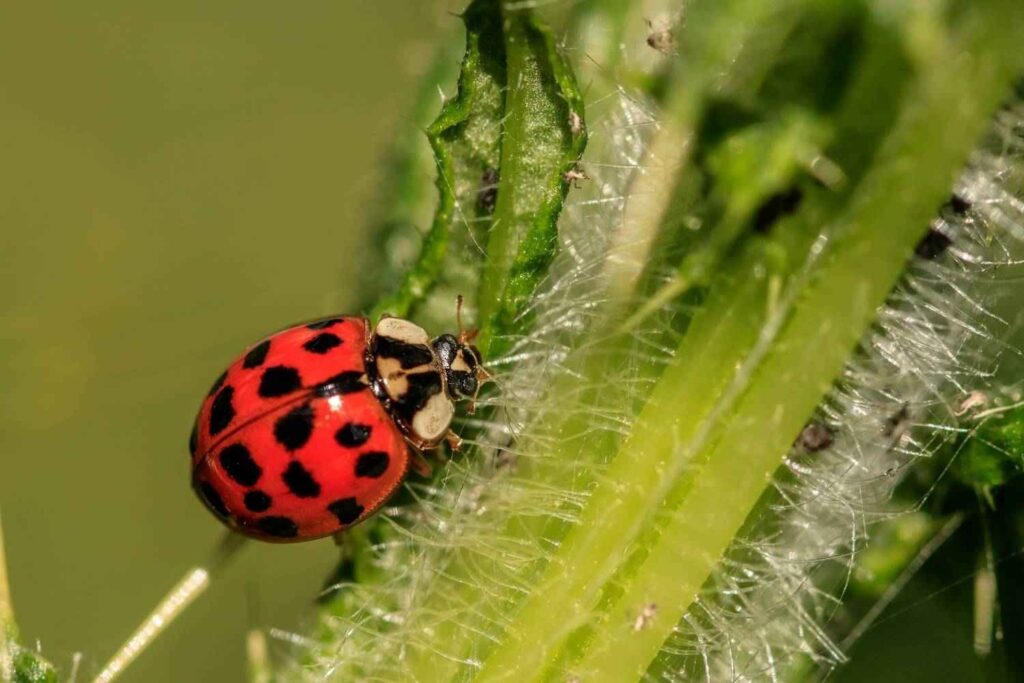
Ladybugs are legendary garden pest controllers. A single ladybug can consume approximately 5,000 aphids throughout its entire lifetime. Lacewings are another powerhouse option—their larvae aggressively feast on aphids, spider mites, and small caterpillars. Parasitic wasps are tiny but mighty heroes that lay eggs inside pest insects, effectively killing them. Hoverflies look like miniature bees but are completely gentle to plants and deadly to garden pests. Ground beetles actively hunt slugs and snails during nighttime hours.
The real key is strategically attracting these beneficial insects to your garden and giving them compelling reasons to stay and breed there permanently.
To attract beneficial insects, deliberately plant these flowers and herbs they love:
- Dill, fennel, and cilantro
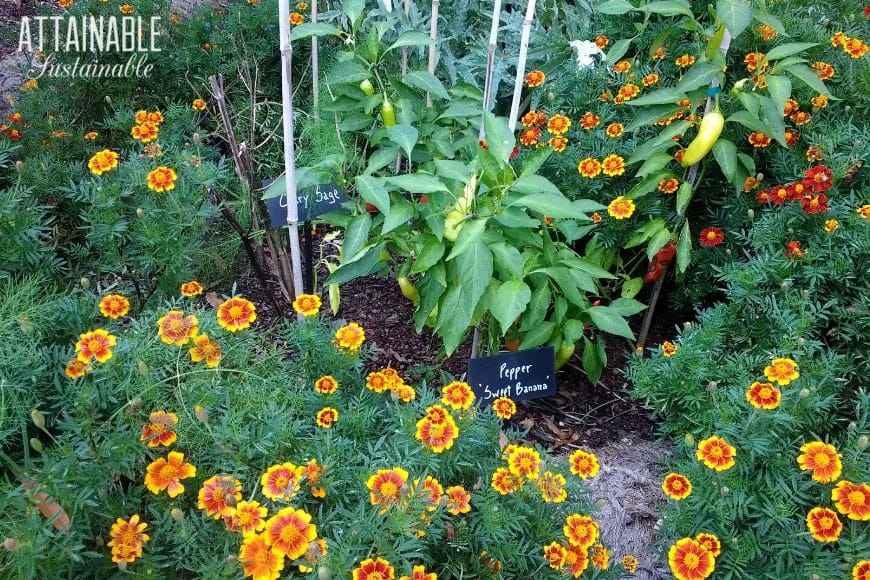
- Marigolds, cosmos, and yarrow
- Sweet alyssum and sunflowers
- Basil, rosemary, and lavender
- Parsley and oregano
Plant these attractive flowers near or directly among your vegetables. The beneficial insects will naturally congregate in these flowers, drinking nectar and laying their eggs. Their larvae will be strategically positioned waiting for pests to arrive. You’ve essentially created your own self-sustaining pest control force without any ongoing effort.
Create small habitat areas by deliberately leaving some mulch or fallen leaves undisturbed in quiet corners. Provide shallow water sources since beneficial insects need to drink too. If you’re truly committed to biological control, you can purchase ladybugs or lacewings online and release them directly into your garden at the start of the season.
Companion Planting: Using Plants to Naturally Protect Other Plants
Many plants contain natural chemical compounds that specifically repel certain pests. When you strategically plant these among your vegetables and flowers, you create a confusing, unpleasant environment that pests actively avoid while maximizing your garden’s overall yield and productivity.
Classic companion planting combinations that genuinely work:
- Tomatoes + Basil: Basil actively repels thrips and hornworms while enhancing tomato flavor
- Carrots + Onions: Alternate rows every 3-4 inches to deter carrot flies effectively
- Cabbage + Thyme or Sage: Protects against moths and destructive caterpillars
- Corn + Beans + Squash: The traditional “Three Sisters” method benefits all three crops
- Zucchini + Marigolds: Marigolds effectively repel squash bugs and other insects
- Potatoes + Petunias: Petunias keep Colorado potato beetles completely away
Additional herbs to plant throughout your entire garden:
Basil repels whiteflies and aphids effectively. Rosemary deters beetles and moths. Peppermint repels flies, beetles, and ants. Lavender repels fleas and mosquitoes. Oregano deters flies and spiders. Sage repels moths and beetles.
The genuine beauty of companion planting is that you’re adding genuinely useful plants while protecting your food. Many are edible herbs you’d actually want in your garden regardless of pest benefits.
DIY Natural Pest Control Sprays That Actually Work
When prevention and beneficial insects aren’t sufficient, homemade sprays made from completely natural ingredients can prove surprisingly effective against common garden pests. You probably have everything needed right in your kitchen already.
Basic Soap Spray (Best for soft-bodied insects like aphids and mites)
Recipe:
- 2 teaspoons liquid dish soap
- 1 quart warm water
Spray thoroughly, making sure to get underneath leaf surfaces. Apply early morning or evening—never during midday sun.
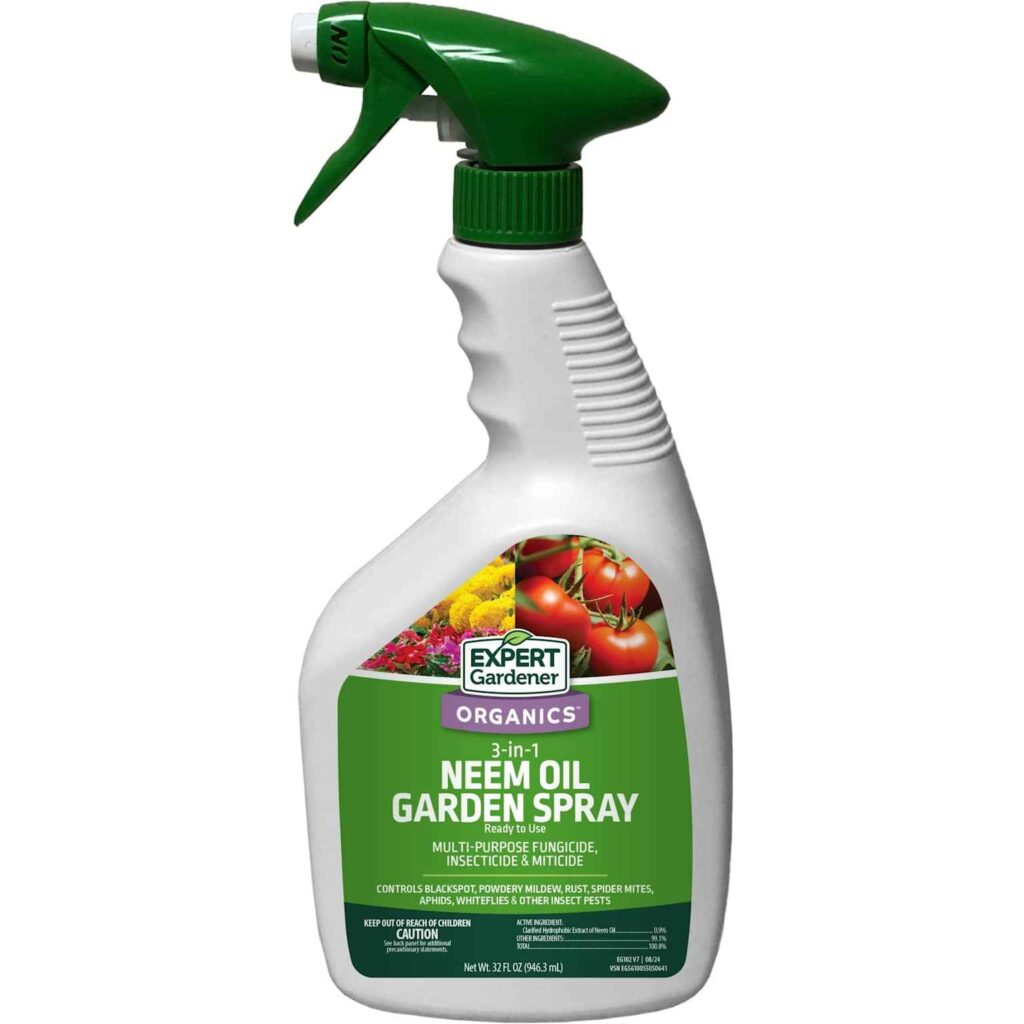
Neem Oil Spray (Best for almost everything: aphids, beetles, mites, mealybugs)
Recipe:
- 2 tablespoons neem oil
- 1 tablespoon mild dish soap
- 1 gallon water
- Stir frequently before spraying
Spray all surfaces in early morning or evening. For prevention, spray every two weeks. For active infestations, spray weekly.
Garlic Spray (Best for aphids, mites, and Japanese beetles)
Recipe:
- 4 garlic cloves, minced
- 1 tablespoon mineral oil
- Let overnight, then strain
- Add 2 tablespoons concentrate to 1 pint water
Spray in evening. Repeat every 7-10 days as needed.
Baking Soda Fungicide (Best for powdery mildew and fungal diseases)
Recipe:
- 2 tablespoons baking soda
- 1 gallon water
Spray affected areas every few days until problem stops.
Physical Barriers and Manual Removal
Sometimes the simplest methods work best. You don’t need a chemical solution for everything.
Handpicking: Physically pick off larger pests like caterpillars and beetles. Drop them in soapy water.
Row covers: Use lightweight fabric over young plants to prevent flying insects from landing on them.
Barriers: Crushed eggshells create uncomfortable barriers for crawling pests like slugs.
Traps: Yellow sticky traps catch whiteflies. Beer traps attract and drown slugs.
Frequently Asked Questions About Natural Pest Control for Home Gardens
Q: Is homemade pest control truly as effective as commercial products?
A: Absolutely yes, when used consistently. Homemade sprays work wonderfully for common garden pests.
Q: How often should I spray neem oil?
A: For prevention, every two weeks during growing season. For active infestations, every 3-5 days until cleared.
Q: Can I combine different natural methods?
A: Definitely. Use companion planting as your foundation, attract beneficial insects, keep gardens clean, and use sprays when genuinely needed.
Q: Will natural methods harm vegetables and fruits?
A: No. These methods are food-safe by design and leave no chemical residue.
Q: Are these methods safe for pets and children?
A: Yes, when used as directed. All are completely non-toxic to humans and animals.
Your Natural Pest Control Action Plan
Start by planning your approach over several months rather than implementing everything simultaneously.
Month 1: Thoroughly clean your garden. Remove all debris and weeds. Begin composting.
Month 2: Plant companion plants and beneficial-insect-attracting flowers.
Month 3+: Monitor gardens daily. Use physical removal first, then sprays if needed.
Conclusion: Building Your Sustainable Garden Future
Natural pest control for home gardens: Switching to natural pest control genuinely is an investment in your garden’s sustainable future. You’re protecting pollinators and beneficial insects. You’re improving soil quality every single season. You’re growing food you can confidently feed your family. Start with one method and build from there. Your healthier, more productive garden awaits you.

Asif Ali is a gardening blogger with over 2 years of experience writing about garden inspiration, eco-friendly gardening, and beautiful garden destinations. He focuses on practical, sustainable ideas that help beginners create inspiring gardens with ease.