Picture this: You’re walking through a garden where every plant seems to glow with vitality, leaves deep green and flowers bursting with color. It’s nature that feels straight out of a dream. But here’s the secret behind that magic—it’s not just water and sunshine. It’s what feeds the soil beneath.
Whether you’re growing tomatoes on your patio or nurturing a backyard flower bed, understanding fertilizers can transform your gardening game. The big question isn’t just what to feed your plants, but what will keep them healthy for years to come.
Let’s dig into the real differences between natural fertilizers for plants and their chemical cousins, and find out which one deserves a spot in your garden shed.
Introduction to Fertilizers and Plant Nutrition
Why Fertilizers Matter for Healthy Plant Growth
Think of fertilizers as vitamins for your plants. Just like we need nutrients to stay strong, plants need nitrogen, phosphorus, and potassium (the famous N-P-K trio) to grow, flower, and produce fruit.
Without proper nutrition, plants become weak, pale, and vulnerable to pests. But here’s where it gets interesting—not all fertilizers deliver these nutrients the same way.
Understanding Long-Term Plant Health vs Short-Term Growth
There’s a difference between a quick growth spurt and building lasting plant health. Short-term growth might look impressive—think tall stems and lots of leaves—but long-term health means strong roots, disease resistance, and soil that keeps giving year after year.
This distinction is crucial when choosing between organic and chemical fertilizers.
What Are Organic Fertilizers?
Definition and Basic Characteristics
Organic fertilizers come from living things—plants, animals, or minerals that haven’t been chemically altered. They’re nature’s own recipe for soil nutrition, broken down by microorganisms before plants can use them.
These natural fertilizers for plants work slower but feed both your plants and the soil ecosystem.
Common Types of Organic Fertilizers
Compost
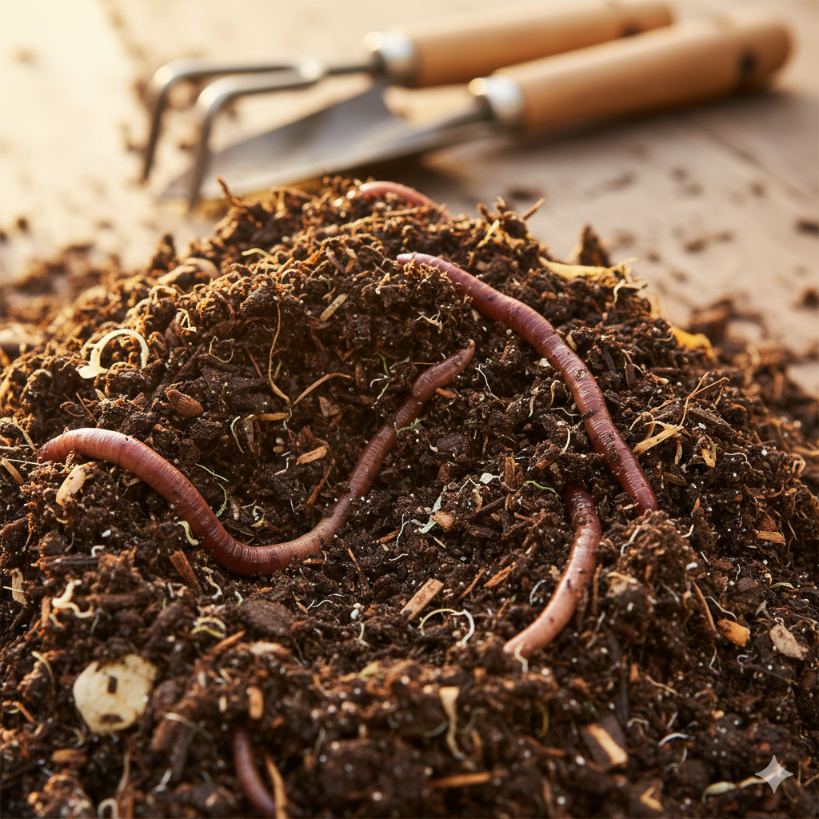
Compost is decomposed organic matter—kitchen scraps, leaves, grass clippings—transformed into dark, crumbly gold. It’s packed with nutrients and beneficial microbes that make soil come alive.
Manure
Well-aged manure from cows, chickens, or horses is a classic organic fertilizer. Fresh manure can burn plants, but aged manure is gentle and nutrient-rich.
Bone Meal and Fish Emulsion
Bone meal brings phosphorus for strong roots and blooms. Fish emulsion offers a quick nitrogen boost the organic way. Both are favorites among experienced gardeners.
How Organic Fertilizers Work in Soil
Organic fertilizers don’t directly feed plants. Instead, soil microbes break them down into forms plants can absorb. This process takes time but improves soil structure, water retention, and creates a thriving underground ecosystem.
What Are Chemical (Synthetic) Fertilizers?
Definition and Key Features
Chemical fertilizers are manufactured through industrial processes. They contain concentrated nutrients in forms plants can use immediately. Think of them as fast food for your garden.
They’re precisely formulated with exact N-P-K ratios listed right on the bag.
Common Types of Chemical Fertilizers
Nitrogen-Based Fertilizers
Urea and ammonium nitrate deliver quick nitrogen for leafy growth. Lawns love these because they green up fast.
Phosphorus and Potassium Fertilizers
Superphosphate boosts flowering and root development. Potassium fertilizers strengthen plants against stress and disease.
How Chemical Fertilizers Affect Plant Growth
Chemical fertilizers dissolve quickly in water, making nutrients instantly available. Plants respond fast—you’ll see growth within days. This immediate effect makes them popular for quick fixes and commercial farming.
Nutrient Release: Slow vs Fast Feeding
Nutrient Release Pattern of Organic Fertilizers
Natural fertilizers for plants release nutrients gradually over weeks or months. This slow release matches how plants actually grow in nature. There’s less risk of overwhelming your plants or wasting nutrients to runoff.
Instant Nutrient Availability from Chemical Fertilizers
Chemical fertilizers hit fast and hard. Within hours, nutrients flood into the root zone. This works great when plants desperately need a boost, but timing matters—too much too fast can cause problems.
Impact on Soil Health Over Time
Soil Structure and Microbial Life with Organic Fertilizers
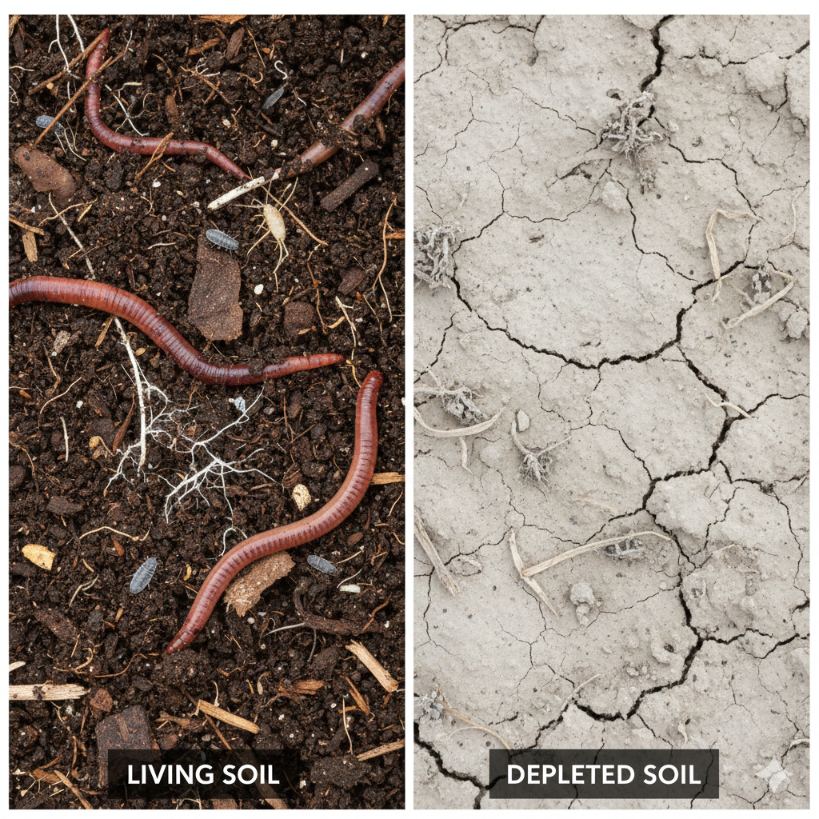
Here’s where organic fertilizers shine. They feed billions of beneficial bacteria, fungi, and earthworms living in your soil. These tiny workers improve drainage, create air pockets, and release nutrients steadily.
Over time, organic matter builds up, turning even poor soil into a spongy, water-retaining powerhouse.
Soil Degradation Risks Linked to Chemical Fertilizers
Chemical fertilizers don’t feed soil life—they bypass it entirely. Over time, this can lead to compacted, lifeless soil that depends entirely on external inputs. Salt buildup from synthetic fertilizers can also damage soil structure and harm beneficial organisms.
Long-Term Effects on Plant Health
Root Development and Plant Strength
Plants fed organically develop deeper, stronger root systems because they have to work a bit harder to find nutrients. This creates resilient plants that handle drought and wind better.
Chemical fertilizers can sometimes encourage shallow roots since nutrients are right at the surface.
Disease Resistance and Stress Tolerance
Healthy soil grows healthy plants. Organic fertilizers promote beneficial microbes that protect against root diseases. Plants grown in living soil also handle temperature swings and pest pressure more effectively.
Yield Quality vs Quantity
Chemical fertilizers often produce bigger, faster growth and higher yields. But organic gardeners argue their produce tastes better and has higher nutrient content. Studies show mixed results, but many home gardeners swear by the flavor difference.
Environmental Impact Comparison
Eco-Friendliness of Organic Fertilizers
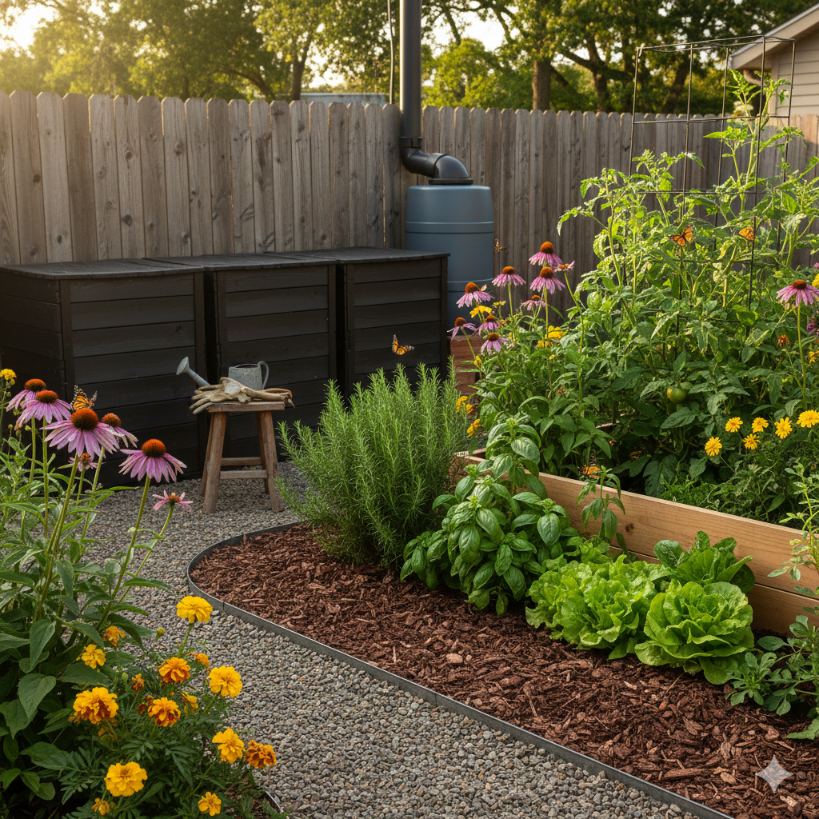
Natural fertilizers for plants are renewable and biodegradable. They improve rather than deplete natural resources. Making compost at home even reduces landfill waste.
Water Pollution and Runoff from Chemical Fertilizers
This is the big environmental concern. Excess chemical fertilizers wash into waterways during rain, causing algae blooms that kill fish and harm ecosystems. It’s a serious problem in agricultural areas.
Cost and Accessibility
Cost-Effectiveness of Organic Fertilizers
Homemade compost is practically free. Store-bought organic fertilizers cost more per pound than chemical ones, but you use less over time as your soil improves. It’s an investment that pays off.
Availability and Convenience of Chemical Fertilizers
Chemical fertilizers are everywhere—garden centers, hardware stores, even grocery stores. They’re cheap, shelf-stable, and easy to store. For budget-conscious gardeners, this convenience is hard to beat.
Ease of Use for Home Gardeners
Beginner-Friendliness of Organic Fertilizers
It’s nearly impossible to over-fertilize with organic options. They’re forgiving and safe around kids and pets. The learning curve is gentle, though results take patience.
Application Risks with Chemical Fertilizers
Too much chemical fertilizer can burn plants in hours. The concentrated salts damage roots and leaves. You need to measure carefully and follow instructions precisely. There’s also the question of safety around children and animals.
Organic vs Chemical Fertilizers for Different Plants
Vegetables and Fruit Plants
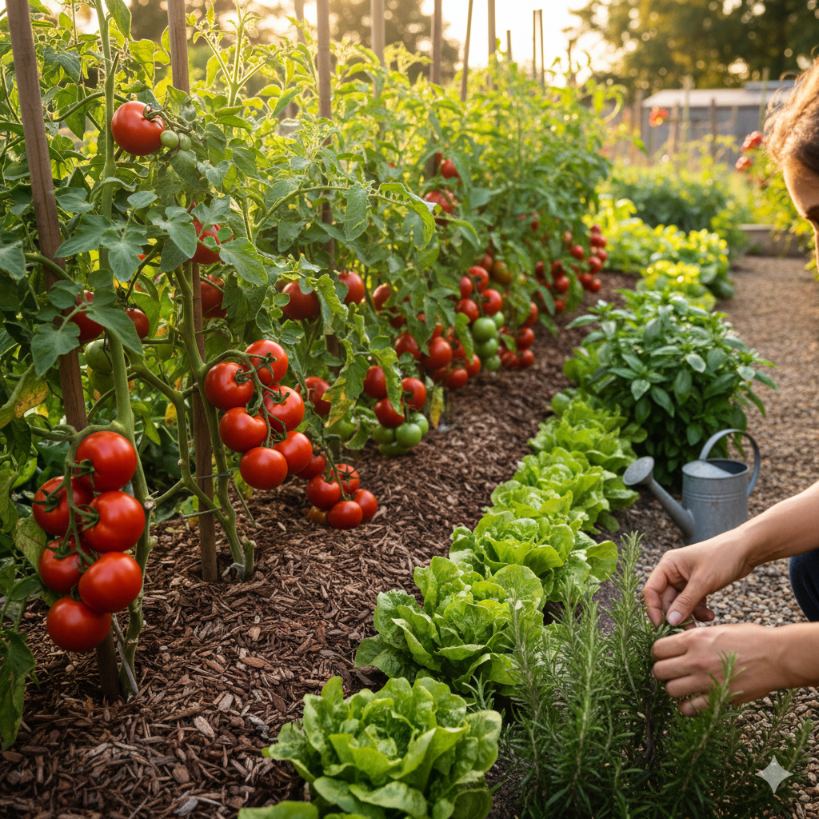
Vegetables thrive with organic fertilizers. Tomatoes, peppers, and squash develop better flavor and nutrition. Many gardeners use organic for edibles to avoid chemical residues.
Lawns and Ornamental Plants
Lawns often get chemical treatments for that golf-course green. But organic lawn care is gaining popularity as people worry about runoff and pet safety. Ornamental flowers handle both well.
Indoor and Potted Plants
Indoor plants do great with diluted organic fertilizers like fish emulsion or worm castings. Potted plants need careful feeding since they can’t escape excess salts from chemical fertilizers.
Myths and Misconceptions About Fertilizers
“Organic Fertilizers Are Too Slow”
While organic options work gradually, this isn’t always a drawback. Slow and steady prevents burning and builds lasting soil health. Plus, options like fish emulsion offer relatively quick results.
“Chemical Fertilizers Always Harm Plants”
Used correctly, synthetic fertilizers won’t damage plants. The issue is overuse and environmental impact, not the fertilizers themselves. Many gardeners use them successfully for decades.
Which Fertilizer Is Better for Long-Term Plant Health?
Best Choice for Sustainable Gardening
For long-term plant health, organic fertilizers win hands down. They build soil, support ecosystems, and create self-sustaining gardens that need less intervention over time.
If your goal is sustainability and soil that improves year after year, natural fertilizers for plants are your best bet.
Combining Organic and Chemical Fertilizers Safely
Here’s a secret: you don’t have to choose just one. Many gardeners use organic fertilizers as their base, then add targeted chemical treatments when needed. For example, feed your soil with compost but boost flowering with a phosphorus supplement.
This balanced approach works well if you’re transitioning to organic methods.
Expert Tips for Choosing the Right Fertilizer
Reading Fertilizer Labels Correctly
Those three numbers on every fertilizer bag (like 10-10-10) show nitrogen, phosphorus, and potassium percentages. Higher numbers mean more concentrated nutrients. For organic options, numbers are usually lower but still effective.
Matching Fertilizers to Soil Type
Clay soil benefits from organic matter that improves drainage. Sandy soil needs organic fertilizers to retain nutrients. Get a soil test to know exactly what you’re working with.
Seasonal Fertilizing Best Practices
Spring is growth time—use nitrogen-rich fertilizers. Late summer calls for phosphorus and potassium to help plants prepare for winter. Fall is perfect for adding compost to rest and improve over winter.
Conclusion
Final Verdict on Organic vs Chemical Fertilizers
The answer depends on your goals. Want quick results and don’t mind ongoing inputs? Chemical fertilizers deliver. Prefer building soil health and long-term sustainability? Organic is your path.
For most home gardeners focused on long-term plant health, natural fertilizers for plants offer the best balance of nutrition, soil improvement, and environmental responsibility.
Building Healthy Soil for Healthy Plants
Remember that feeding your plants really means feeding your soil. Healthy soil creates healthy plants that need less intervention, resist problems naturally, and reward you with better harvests and blooms.
Whether you choose organic, chemical, or a thoughtful combination, understanding how fertilizers work empowers you to make the best choice for your garden.
10 Zero Waste Gardening Ideas for Beginners That Actually Work
Frequently Asked Questions (FAQs)
Can organic fertilizers fully replace chemical ones?
Yes, absolutely. Many gardeners use only organic fertilizers with excellent results. It requires patience initially, but as your soil improves, plants thrive without any synthetic inputs. Commercial organic farms prove this works at any scale.
Do chemical fertilizers damage soil permanently?
Not permanently, but they can degrade soil health over time. The good news is that soil can recover when you start adding organic matter and reduce chemical inputs. It might take a few seasons, but improvement is always possible.
How long do organic fertilizers take to work?
Most organic fertilizers show results within 2-4 weeks as microbes break them down. Fish emulsion works faster—within days. Slow-release options like bone meal take longer but feed plants for months.
Which fertilizer is better for beginners?
Organic fertilizers are more forgiving and beginner-friendly. You can’t easily over-apply them, and they’re safer around kids and pets. Start with compost or a balanced organic fertilizer, and you’ll learn as you grow.
Can I use both organic and chemical fertilizers together?
Yes, many gardeners do this successfully. Use organic fertilizers as your foundation to build soil health, then supplement with chemical fertilizers for specific needs or quick corrections. Just avoid over-fertilizing by accounting for total nutrients from both sources.

Asif Ali is a gardening blogger with over 2 years of experience writing about garden inspiration, eco-friendly gardening, and beautiful garden destinations. He focuses on practical, sustainable ideas that help beginners create inspiring gardens with ease.