Picture this: butterflies dancing through your garden, hummingbirds zipping from flower to flower, and songbirds making themselves at home in your yard. This isn’t just a dream—it’s what happens when you choose native plants for your Florida garden.
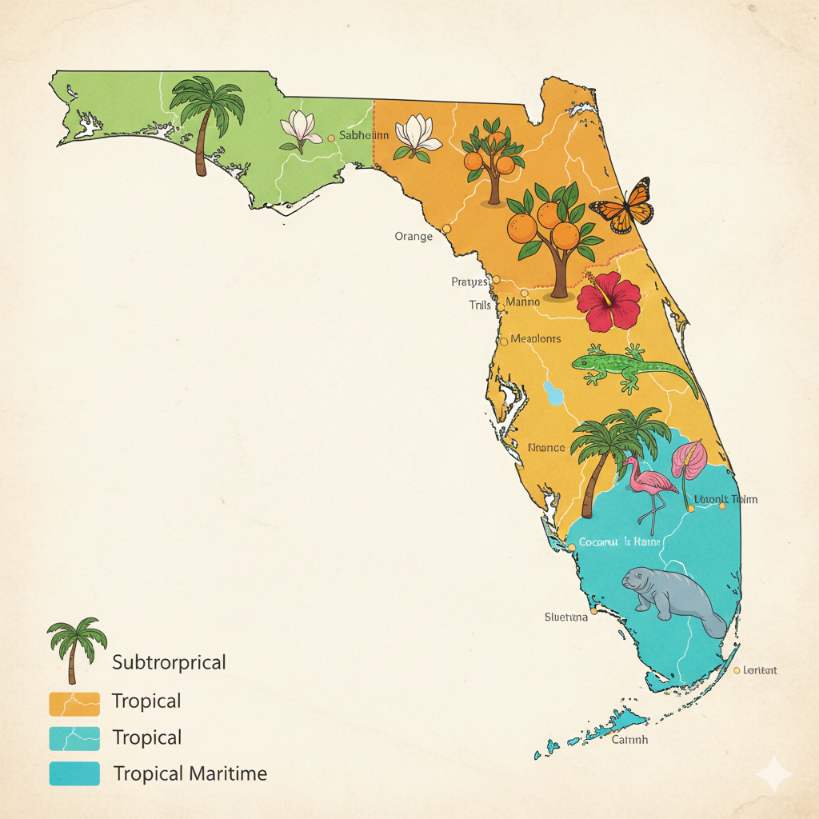
Florida’s unique climate and ecosystems create the perfect playground for wildlife gardening. With year-round growing seasons and incredible biodiversity, the Sunshine State offers gardeners an amazing opportunity to create thriving habitats right in their backyards. Whether you’re in the panhandle, central Florida, or down in the Keys, native plants can transform your outdoor space into a wildlife sanctuary.
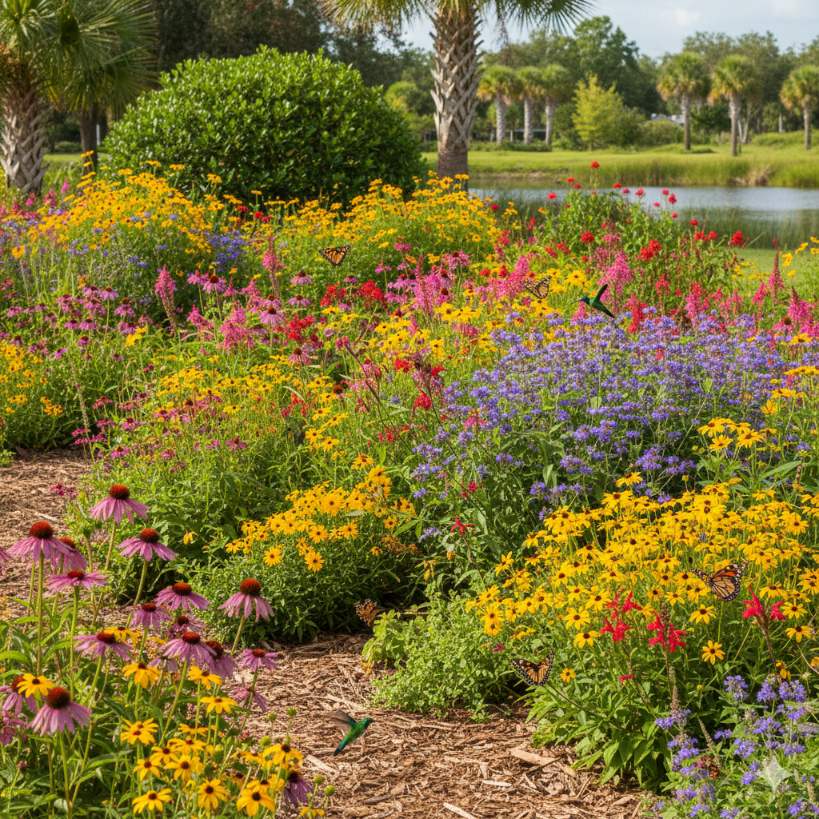
In this guide, you’ll discover over 20 native Florida plants that attract birds, butterflies, bees, and other beneficial wildlife. We’ll cover everything from low-maintenance wildflowers to majestic shade trees, plus practical tips for designing and maintaining your own eco-friendly wildlife garden.
Why Choose Native Plants for Florida Wildlife Gardens
Native plants are species that evolved naturally in Florida over thousands of years. They’ve adapted perfectly to our sandy soils, intense summer heat, afternoon thunderstorms, and occasional freezes. This makes them naturally resilient and easier to care for than exotic imports.
When you plant natives, you’re doing more than just adding pretty flowers to your yard. These plants require significantly less water once established, since they’re built for Florida’s rainfall patterns. You’ll spend less time dragging hoses around and more time enjoying your garden. They also need fewer fertilizers and virtually no pesticides, which means healthier soil and cleaner water running off your property.
But the real magic happens with wildlife. Native plants and native animals evolved together, creating relationships that non-native plants simply can’t replicate. A single oak tree can support over 500 species of caterpillars, which feed baby birds. Native milkweed hosts monarch butterflies, while beautyberry shrubs provide essential winter food for migrating birds. When you choose native plants, you’re rebuilding the natural food web that supports Florida’s incredible biodiversity.
How We Selected These Native Plants
Choosing the right natives for this guide wasn’t random. We focused on plants with proven wildlife value—species that genuinely attract and support pollinators, birds, and beneficial insects throughout the year.
We also considered Florida’s diverse climate zones. What thrives in Pensacola might struggle in Miami, so we’ve included plants suitable for North, Central, and South Florida. Many of these species are adaptable across multiple zones, giving you flexibility in your planting choices.
Finally, we prioritized low-maintenance options. These plants don’t need constant babysitting. Once established, they thrive with minimal intervention, making them perfect for busy homeowners or anyone new to native gardening.
Top 20+ Native Plants for Florida Wildlife Gardens
🌸 Flowering Native Plants (Pollinators)
1. Blanket Flower (Gaillardia pulchella)
This cheerful wildflower brings red and yellow blooms from spring through fall. Blanket flower is a powerhouse for attracting butterflies and native bees. It loves full sun and actually prefers sandy, well-drained soil—perfect for Florida yards. Once established, it’s drought-tolerant and self-seeds readily, giving you more plants each year without any effort.
2. Coreopsis (Florida State Wildflower)
Florida’s official state wildflower deserves a spot in every wildlife garden. These bright yellow flowers bloom prolifically and attract countless bees and butterflies. Coreopsis adapts to various soil conditions and tolerates both wet and dry periods. Several species are native to Florida, including Coreopsis leavenworthii and Coreopsis lanceolata.
3. Beach Sunflower (Helianthus debilis)
This tough ground cover thrives in coastal conditions but works beautifully inland too. Beach sunflower produces cheerful yellow blooms year-round in South Florida and spring through fall further north. It’s a magnet for pollinators and requires almost zero maintenance. Plant it in full sun and watch it spread naturally.
4. Scarlet Sage (Salvia coccinea)
Hummingbirds go absolutely crazy for scarlet sage’s tubular red flowers. This annual reseeds itself abundantly, so you’ll have it year after year. It tolerates partial shade and blooms most of the year in Central and South Florida. Butterflies love it too, making it a must-have for any pollinator garden.
5. Tickseed Sunflower (Bidens aristosa)
Not to be confused with the invasive Spanish needle, native tickseed sunflower produces masses of golden flowers in fall and winter. It grows tall—up to six feet—and attracts migrating monarchs and other butterflies during peak season. Plant it in moist areas or rain gardens where it naturally thrives.
🐝 Butterfly & Pollinator Host Plants
6. Milkweed (Asclepias spp.)
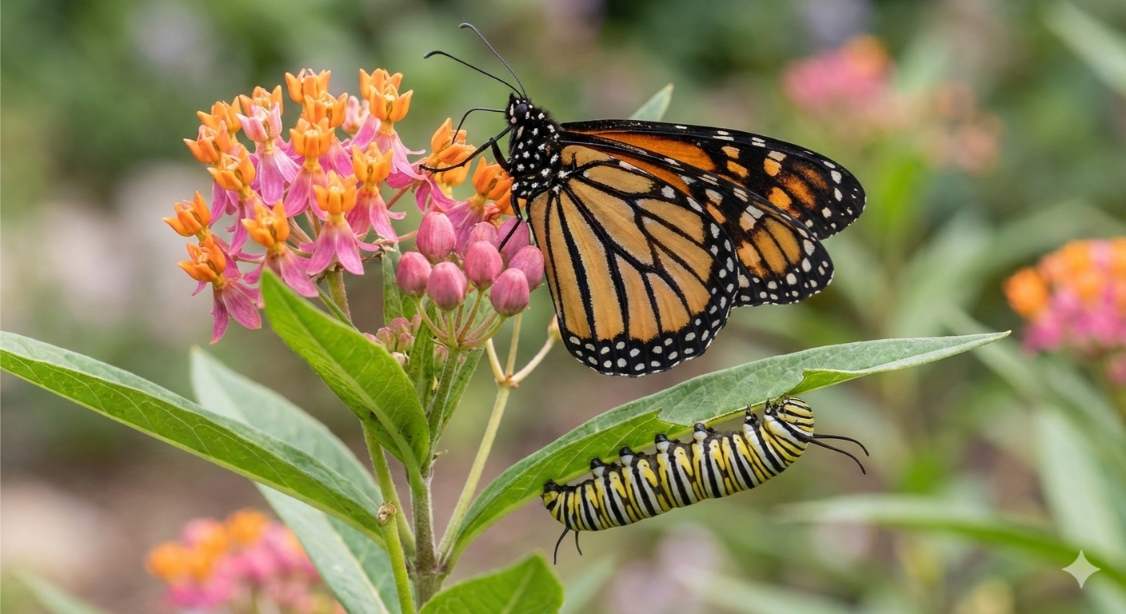
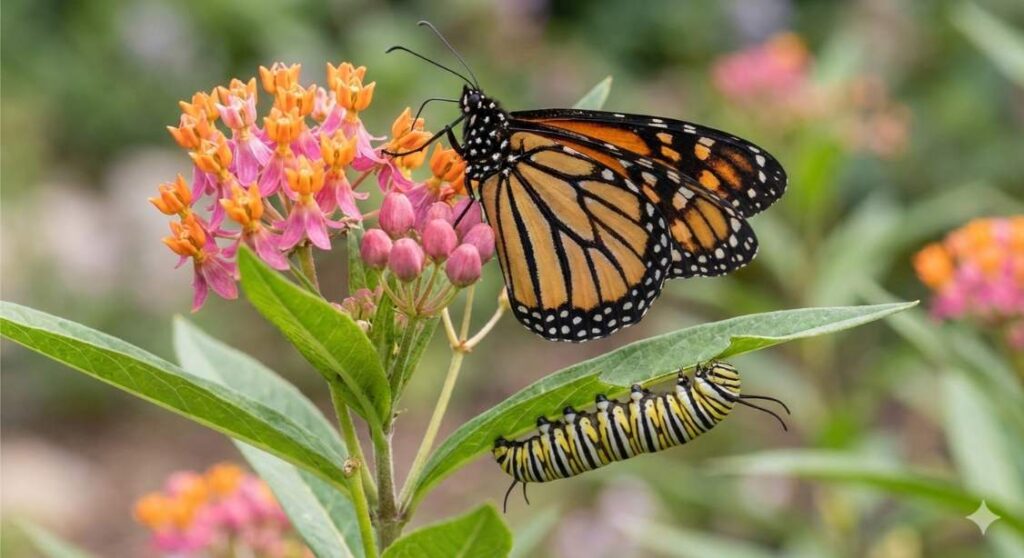
No wildlife garden is complete without milkweed. Several species are native to Florida, including butterfly weed (Asclepias tuberosa), swamp milkweed (Asclepias perennis), and white milkweed (Asclepias incarnata). These are the only plants monarch caterpillars can eat, making them essential for monarch survival. The flowers also provide nectar for numerous other butterfly species and bees.
7. Passionflower (Passiflora incarnata)
This stunning vine produces otherworldly purple flowers that look almost alien. Gulf fritillary butterflies lay their eggs exclusively on passionflower, and watching the orange caterpillars munch on the leaves is endlessly entertaining. The plant grows vigorously, so give it room to climb. It dies back in winter in North Florida but stays evergreen further south.
8. Frogfruit (Phyla nodiflora)
This low-growing ground cover might have tiny flowers, but pollinators find them irresistible. Frogfruit hosts several butterfly species including the phaon crescent and white peacock. It tolerates foot traffic, making it an excellent lawn alternative. Plus, it stays green year-round and needs almost no mowing.
🌿 Native Shrubs for Birds & Wildlife
9. Firebush (Hamelia patens)
Firebush earns its name with clusters of tubular orange-red flowers that bloom nearly year-round. Hummingbirds, butterflies, and bees flock to the nectar-rich blooms. Later, the plant produces berries that migrating birds devour. It grows quickly in full sun to partial shade and handles Florida’s heat beautifully.
10. Beautyberry (Callicarpa americana)
The bright purple berries of beautyberry are absolutely stunning against green foliage in fall and winter. Over 40 bird species eat these berries, making beautyberry essential for winter wildlife food. The shrub tolerates shade well and grows naturally in woodland edges. It’s deciduous, dropping leaves in winter after birds strip the berries.
11. Simpson’s Stopper (Myrcianthes fragrans)
This evergreen shrub produces fragrant white flowers followed by orange-red berries. Birds love the fruit, while the dense foliage provides excellent nesting sites. Simpson’s stopper works great as a privacy hedge and tolerates pruning well. It’s also the host plant for the mallow scrub-hairstreak butterfly.
🌳 Native Trees for Wildlife Habitat
12. Live Oak (Quercus virginiana)
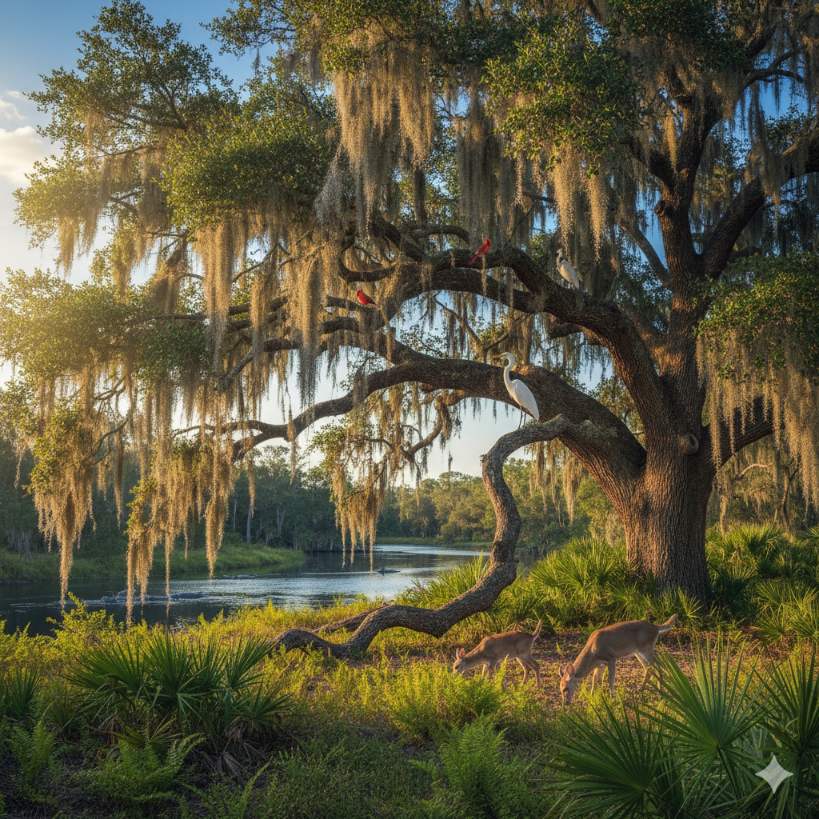
The majestic live oak is the backbone of Florida wildlife habitat. A single mature oak supports hundreds of insect species, which in turn feed baby birds during nesting season. The acorns feed squirrels, deer, and turkeys. Live oaks provide critical shade and structure to any wildlife garden. They’re slow-growing but worth the wait, or start with a larger nursery specimen.
13. Red Maple (Acer rubrum)
Red maple adapts to various moisture levels and produces spectacular red foliage in fall—yes, even in Florida! The early spring flowers provide crucial nectar for emerging bees when few other food sources exist. Seeds feed songbirds and small mammals. It’s perfect for wetter areas of your property.
14. Chickasaw Plum (Prunus angustifolia)
This small native tree produces clouds of white flowers in early spring, followed by edible plums in summer. Birds, butterflies, and bees all benefit from Chickasaw plum. The fruit makes excellent jam if you can beat the wildlife to it. It naturally suckers, forming thickets that provide dense cover for nesting birds.
🌾 Native Grasses & Ground Covers
15. Muhly Grass (Muhlenbergia capillaris)
In fall, muhly grass explodes with ethereal pink plumes that glow in afternoon light. This ornamental grass provides seeds for birds and shelter for small wildlife. It’s extremely drought-tolerant once established and adds texture to any garden design. Plant it in full sun for best color.
16. Fakahatchee Grass (Tripsacum floridanum)
This clumping grass grows naturally in wet areas and provides excellent cover for small animals. The seeds feed birds and small mammals. Fakahatchee grass makes a great rain garden plant and tolerates periodic flooding. It’s evergreen and requires minimal maintenance.
17. Sunshine Mimosa (Mimosa strigillosa)
This ground-hugging native produces pink powder-puff flowers that bees adore. Sunshine mimosa tolerates mowing and makes an excellent lawn substitute. It stays low, spreads naturally, and requires far less water than traditional turf grass. The leaves even fold up at night, adding interest to your landscape.
🌊 Wetland & Rain Garden Native Plants
18. Blue Flag Iris (Iris virginica)
This elegant iris produces stunning blue-purple flowers in spring. It thrives in wet soil or shallow water, making it perfect for pond edges or rain gardens. Butterflies visit the flowers, while the foliage provides shelter for frogs and small wildlife. It spreads slowly through rhizomes.
19. Pickerelweed (Pontederia cordata)
Pickerelweed’s purple flower spikes bloom throughout summer, attracting bees and butterflies to wetland areas. It grows in standing water up to six inches deep. The seeds feed ducks and other waterfowl. This plant is essential for anyone creating a backyard pond or bog garden.
20. Swamp Milkweed (Asclepias perennis)
Unlike other milkweeds that prefer drier soil, swamp milkweed thrives in wet areas. It hosts monarch butterflies and provides nectar for numerous pollinators. The white to pale pink flowers bloom spring through fall. Plant it in rain gardens or along pond margins for best results.
🌱 Bonus Native Plants (Easy Add-Ons)
21. Coontie (Zamia integrifolia)
This ancient cycad is Florida’s only native cycad and the sole host plant for the rare Atala butterfly. Coontie tolerates deep shade and requires virtually no care once established. It’s pest-resistant and adds tropical texture to shady gardens. The plant is dioecious, meaning you need both male and female plants for seed production.
22. Walter’s Viburnum (Viburnum obovatum)
This versatile shrub produces clusters of white flowers in spring followed by berries that birds devour. Walter’s viburnum works as a hedge, specimen plant, or foundation planting. It tolerates both wet and dry conditions and grows in sun or shade. The dense growth provides excellent nesting habitat.
How to Design a Florida Wildlife Garden Using Native Plants
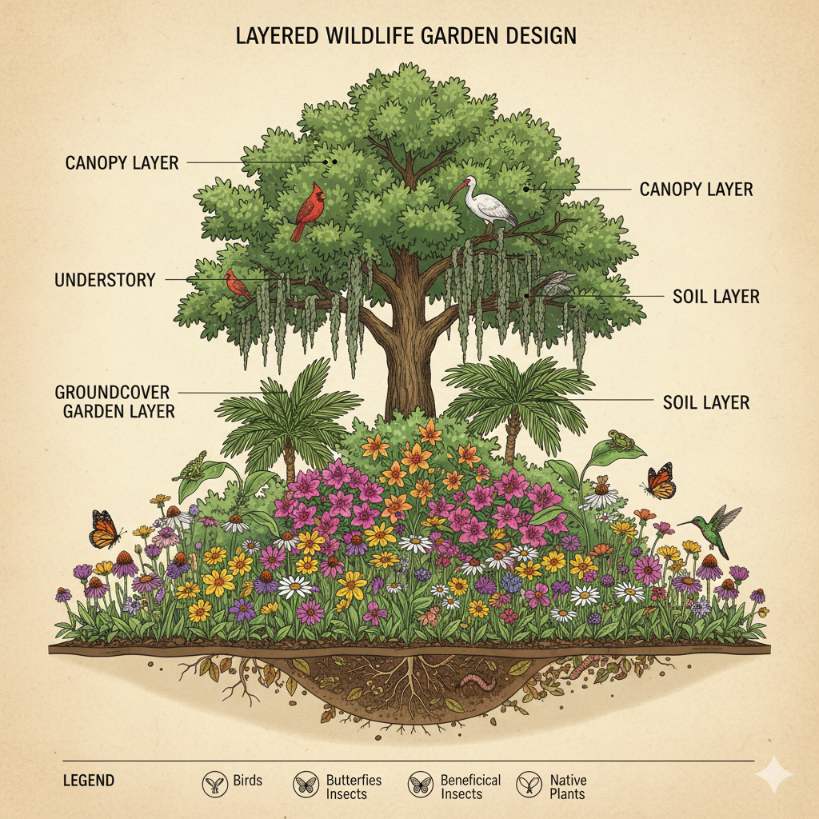
Creating a thriving wildlife garden involves more than just planting random natives. Think in layers, mimicking natural ecosystems. Start with canopy trees like live oak or red maple, add understory trees like Chickasaw plum, fill in with shrubs like firebush and beautyberry, and finish with groundcovers and wildflowers.
Every wildlife garden needs three essentials: food, shelter, and water. Your native plants provide food through nectar, seeds, berries, and the insects they support. Dense shrubs and evergreen plants offer shelter and nesting sites. Add a simple birdbath or small water feature to complete the habitat trifecta.
Consider sun and shade patterns in your yard. Match plants to conditions—don’t force sun lovers into shade or vice versa. Group plants with similar water needs together to simplify maintenance. And remember, a little messiness helps wildlife. Leave some leaf litter for ground-dwelling insects and skip the excessive mulching.
Tips for Maintaining a Wildlife-Friendly Native Garden
The best thing about native plants? They mostly take care of themselves. Skip the pesticides entirely—they kill the very insects your wildlife needs to survive. If you see caterpillars munching leaves, celebrate! They’re feeding baby birds and transforming into butterflies.
Water new plants regularly for the first few months while roots establish. After that, most natives only need supplemental water during extreme drought. A two-to-three-inch layer of mulch helps retain moisture and suppresses weeds, but keep it away from plant stems to prevent rot.
Pruning needs vary by plant. Many wildflowers and grasses look best if cut back once annually in late winter. Shrubs typically need minimal pruning—just remove dead wood and shape as needed. Trees rarely need pruning except to remove damaged branches. The general rule? Less intervention is better for wildlife.
Common Mistakes to Avoid in Florida Native Gardening
One major pitfall is confusing native plants with similar-looking invasives. Brazilian pepper resembles native stoppers but destroys natural habitats. Chinese tallow looks like native trees but takes over wetlands. Always buy plants from reputable native nurseries and verify species names.
Another mistake is overwatering established natives. These plants evolved for Florida’s rainfall patterns and often suffer from too much irrigation. Most natives prefer periods of dryness between waterings. Constantly wet soil leads to root rot and fungal problems.
Finally, remember that Florida has distinct climate zones. A plant perfect for South Florida might freeze in the panhandle. Research your specific USDA hardiness zone and choose plants accordingly. Many nurseries label plants with zone information to help you select appropriate species.
Frequently Asked Questions
Are native plants better than non-native plants in Florida?
For supporting wildlife, absolutely. Native plants provide food and habitat that local animals evolved to use. They’re also better adapted to Florida’s soils and weather, requiring less maintenance and fewer resources.
Do native plants attract pests?
Native plants support insects, but these are food sources for birds and beneficial predators, not pests. A healthy native garden creates balance where pest problems rarely occur. What looks like damage is actually a functioning ecosystem.
Can native plants grow in small yards?
Definitely! Many natives work beautifully in small spaces. Choose compact species like blanket flower, scarlet sage, and frogfruit. Even a few container plants on a balcony can support pollinators.
Where to buy native plants in Florida?
Look for nurseries specializing in Florida natives. Many county extension offices maintain lists of reputable suppliers. Native plant sales hosted by chapters of the Florida Native Plant Society are excellent sources for hard-to-find species.
[Image: Small urban native garden with container plants, butterflies, and compact native flowers]
Conclusion
Creating a Florida wildlife garden with native plants is one of the most rewarding projects you can undertake. You’ll reduce maintenance work, conserve water, and eliminate the need for harmful chemicals—all while providing essential habitat for butterflies, birds, bees, and countless other species.
Start small if you’re new to native gardening. Replace a section of lawn with wildflowers, add a few shrubs, or plant a single tree. Each native plant you add contributes to rebuilding Florida’s natural heritage and supporting the wildlife that makes our state special. Your garden becomes a living, breathing ecosystem where nature can thrive right outside your door.
The plants listed in this guide are just the beginning. Florida boasts hundreds of native species suitable for home landscapes. As your confidence grows, explore more options and watch your wildlife garden flourish into something truly extraordinary.

Asif Ali is a gardening blogger with over 2 years of experience writing about garden inspiration, eco-friendly gardening, and beautiful garden destinations. He focuses on practical, sustainable ideas that help beginners create inspiring gardens with ease.