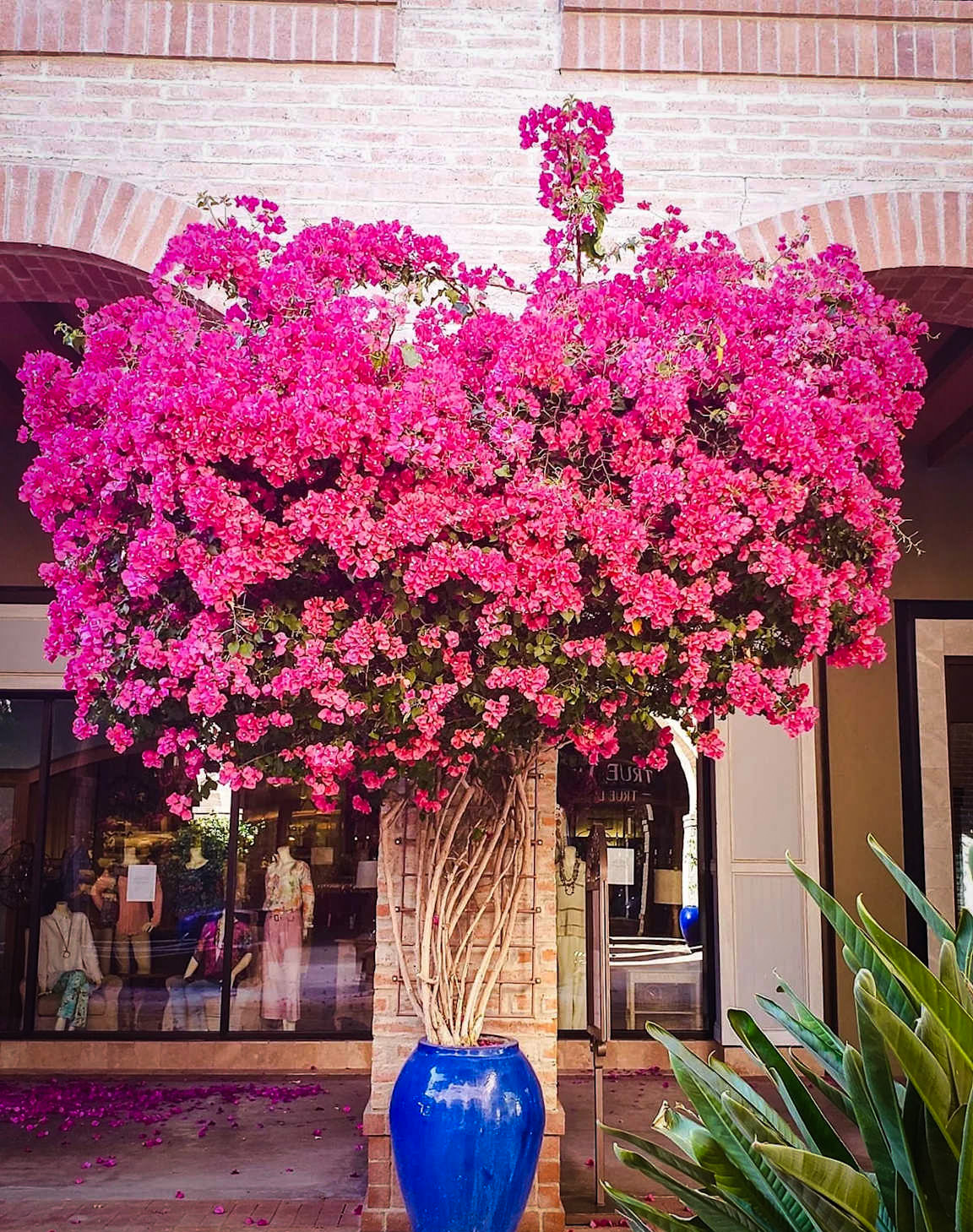
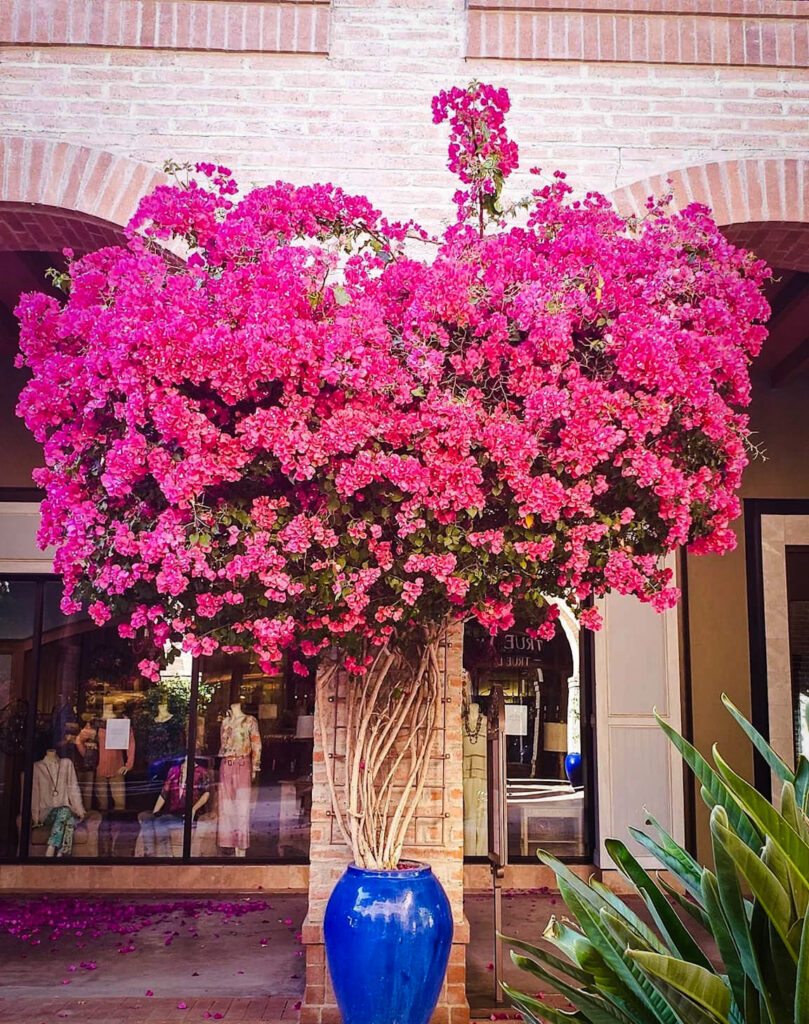
How to Grow Bougainvillea in Pots: Growing bougainvillea in containers is one of the most rewarding ways to add stunning tropical color to your outdoor space, balcony, or patio. These resilient plants, famous for their brilliant bracts (often mistaken for flowers), thrive in pots when given the right conditions—primarily full sun, well-draining soil, and consistent care. The great news is that bougainvilleas actually prefer slightly cramped roots, making them exceptional container plants that reward beginners and experienced gardeners alike with spectacular, long-lasting blooms in vibrant pinks, reds, purples, oranges, and magenta hues.
Introduction: Why Grow Bougainvillea in Containers?
Container gardening with bougainvillea offers unique advantages over traditional ground planting. When grown in pots, bougainvilleas remain naturally compact and manageable, making them perfect for small spaces, balconies, patios, and even indoor sunny locations. This restricted root environment actually encourages more flowering rather than excessive leafy growth—a key benefit for gardeners seeking maximum color impact.
Unlike many demanding tropical plants, bougainvilleas are remarkably low-maintenance once established. They’re drought-tolerant, naturally resistant to many common pests, and require minimal fertilization compared to other flowering plants. Whether you live in a warm climate or need to protect your plant during cold months, container growing gives you complete control over your bougainvillea’s environment, making it easy to move it to shelter, adjust sunlight exposure, or bring it indoors when temperatures drop.
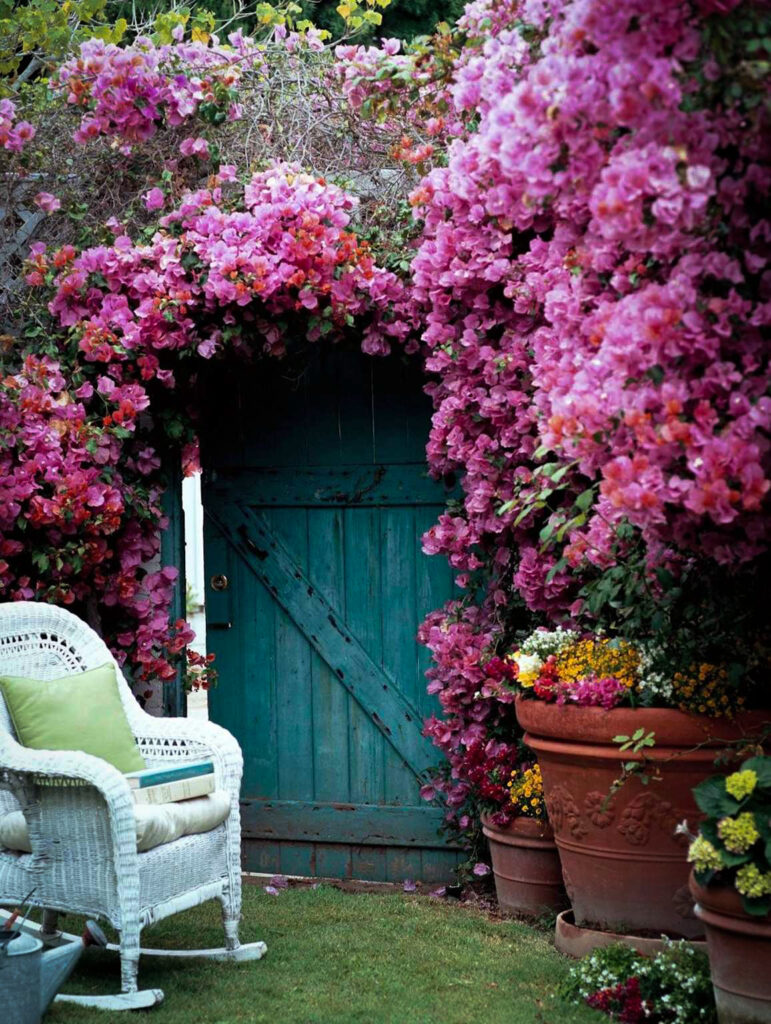
The flexibility of container gardening also allows you to experiment with different varieties, sizes, and colors without committing to permanent garden space. You can train your bougainvillea as a compact bush, a climbing vine along a trellis, or even as a miniature bonsai specimen. This versatility, combined with the plant’s forgiving nature and prolific blooming ability, makes container-grown bougainvillea an ideal choice for gardeners of all experience levels.
Choosing the Right Container and Variety
Selecting the Perfect Pot Size and Material
The foundation of successful bougainvillea container gardening begins with choosing the correct pot. Unlike many plants that thrive in generously-sized containers, bougainvilleas actually perform better when slightly root-bound, as this condition triggers more prolific flowering. For an adult bougainvillea, select a pot that is at least 12-16 inches in diameter with excellent drainage. This provides enough root space for healthy growth while maintaining the beneficial root-restriction that encourages blooming.
Always ensure your pot has at least one substantial drainage hole—preferably multiple holes—at the bottom. Standing water is the primary enemy of bougainvillea health, as it quickly leads to root rot and plant failure. The material of your container matters less than its drainage capability, though each option has subtle benefits. Clay and terracotta pots dry out quickly, which suits bougainvillea’s preference for slightly dry conditions, but they can retain some moisture if you’re not careful. Plastic containers heat up in the sun, which actually stimulates root growth and keeps soil properly dried between waterings, making them an excellent practical choice. Ceramic and concrete pots work well if they have adequate drainage holes.
When repotting an established bougainvillea to a larger container, move it up only one size at a time—typically adding just 1-2 inches to the diameter. This prevents excess soil that could retain moisture and cause root problems. The best time to repot is during spring or late winter, when the plant is entering its active growth phase.
Selecting Bougainvillea Varieties for Container Growing
Not all bougainvillea varieties are equally suited to container gardening. While many types adapt reasonably well, dwarf and compact varieties are specifically bred for container success and remain more manageable in size. When shopping at your local nursery or garden center, look for varieties labeled as “dwarf,” “compact,” or “patio” types. These varieties naturally maintain smaller, bushier proportions without requiring aggressive pruning.
Popular compact varieties that excel in containers include:
- ‘James Walker’ (also sold as ‘Torch Glow’): stunning magenta-pink bracts, reliably compact
- ‘Helen Johnson’: brilliant orange-red flowers, can be maintained at approximately 3 feet tall
- ‘Oo-La-La’: soft pink bracts, naturally bushy growth habit
- ‘Moneth’ (also known as ‘Vera Deep Purple’): rich purple bracts, excellent container performer
- ‘Little Ruby’: vivid red bracts, very compact and ideal for small spaces and bonsai-style training
Bush or shrub-type bougainvilleas are generally more suitable for containers than vigorous vining varieties, as they have naturally compact and shrubby growth habits. If you prefer a climbing or cascading look, choose these vining types and provide a trellis or support structure at planting time to train the stems as they grow.
Bougainvillea bracts hi-res stock photography and images – Alamy
Soil Preparation: The Foundation for Healthy Growth
Creating the Ideal Potting Mix
The potting mix you use is critical for bougainvillea success in containers. These plants demand excellent drainage above all else—overwatering and waterlogged soil are the leading causes of decline in potted bougainvilleas. Your goal is to create a light, airy mix that allows water to pass through quickly while retaining minimal moisture.
The ideal bougainvillea potting mix formula combines:
- 1 part high-quality potting soil (as the base and nutrient foundation)
- 1 part perlite or coarse sand (for drainage improvement and aeration)
- 1 part compost (for organic nutrients and soil structure)
This combination ensures water drains rapidly while still providing enough organic material to feed your plant. Some experienced gardeners prefer a slightly modified ratio of 3/4 potting soil with 1/4 perlite or sand, especially in humid climates. If you want to supercharge drainage in deep containers, add a few handfuls of chunky pumice to the top third of the pot.
For the pH level, aim for slightly acidic to neutral soil, ideally between 5.5 and 7.0. This range optimizes nutrient availability and promotes healthy root development. Avoid potting mixes that contain high levels of peat moss, as peat retains excessive moisture and increases the risk of root rot. Instead, choose lighter, more mineral-rich formulations specifically designed for flowering plants or succulents.
Optional Amendments for Enhanced Results
If you want to further optimize your potting mix, consider these additions:
- Worm compost: adds beneficial microorganisms and slow-release nutrients
- Bone meal: provides phosphorus for root development and flower production
- Slow-release granular fertilizer: ensures consistent nutrient availability throughout the growing season
Mix these amendments thoroughly before filling your pot to ensure even distribution.
Planting Your Bougainvillea: Step-by-Step Guide
Preparing Your Container and Soil
Begin by filling your pot about one-third full with your prepared potting mix. This method allows you to properly position the plant and fill around the root ball for optimal contact between roots and soil. Ensure your pot has drainage holes and is clean before use.
Removing and Positioning the Plant
Gently remove your bougainvillea from its nursery container, taking great care not to damage the delicate roots. If the plant is difficult to remove, gently tap the exterior of the pot or use a knife to loosen the perimeter soil. Grasp the plant at its base and carefully pull. Once removed, you may gently loosen the outer portion of the root ball with your fingers to encourage roots to spread into the new soil.
Place the plant in the center of the pot, ensuring it sits at exactly the same depth as it was in the original container. The soil line on the stem should align with the soil surface in the new pot—planting too deep can lead to stem rot, while planting too shallow may expose roots. If your nursery container is deep, you may need to trim the rim to align the plant’s soil level properly with your new pot.
Filling and Settling
Fill the remaining space around the root ball with your prepared potting mix, working gently to eliminate air pockets without compressing the soil excessively. Firm the soil gently with your fingers until the plant is stable and supported. Create a slight depression or basin around the plant to help water settle into the root zone rather than running off the surface.
Water thoroughly immediately after planting until water drains from the drainage holes. This settles the soil and eliminates any remaining air pockets. However, do not water again until the top inch of soil becomes dry to the touch, as the soil is already moist from initial planting.
Essential Care Requirements for Thriving Potted Bougainvillea
Sunlight: The Non-Negotiable Requirement
Bougainvillea’s number one requirement for abundant flowering is direct sunlight for a minimum of 6 hours daily, though 8+ hours is ideal. Insufficient light is the primary reason potted bougainvilleas fail to bloom prolifically. The plant’s brilliant bracts develop only in response to intense light exposure. This is not a plant that tolerates shade—place it in the brightest location available, whether on a south-facing balcony, patio, or sunny windowsill.
In extremely hot climates where afternoon temperatures routinely exceed 95°F, some afternoon shade may be beneficial to prevent leaf scorch, but the plant should never spend its morning in shadow. Monitor your plant’s blooming response and adjust placement if necessary to maximize light exposure. If your bougainvillea is producing mostly foliage with few flowers, insufficient light is likely the culprit.
Watering: Mastering the Dry-Between-Watering Rule
One of the most critical—and most commonly misunderstood—aspects of bougainvillea care is watering strategy. Bougainvilleas are drought-tolerant plants that actually bloom more abundantly when kept on the slightly dry side. This is counterintuitive for gardeners accustomed to keeping plants consistently moist, but it’s the key to success.
Water deeply but infrequently, allowing the top 1-2 inches of soil to dry out completely before watering again. During the active growing season (late spring through early fall), this typically means watering every 5-7 days in warm climates, though frequency varies based on pot size, soil composition, temperature, and humidity. In winter or cooler months, reduce watering to every 3-4 weeks, as the plant’s growth slows dramatically.
This “water stress” actually triggers more flowering rather than causing plant decline. The slight drought stress signals the plant that its genetic imperative is to reproduce (flower), so it produces blooms prolifically. Conversely, overwatering is the leading cause of root rot and plant failure—too much water asphyxiates roots and creates perfect conditions for fungal diseases. When in doubt, err on the side of underwatering.
Check soil moisture by inserting your finger one inch into the soil. If it feels moist, wait before watering. If it feels dry, water thoroughly until it drains from the bottom. This simple test prevents the guesswork and inconsistency that often leads to problems.
Monthly Bougainvillea Care Schedule: A Year-Round Guide for Container Gardening
Fertilizing for Maximum Blooms
Bougainvillea requires moderate fertilization during its active growing season (spring through fall) but responds best to phosphorus-rich formulations rather than high-nitrogen fertilizers. High nitrogen promotes excessive leafy growth at the expense of flowers—the opposite of what you want.
Apply a phosphorus-rich, low-nitrogen fertilizer every 4-6 weeks during the growing season. Water-soluble formulations designed for flowering plants work well and allow for quick nutrient uptake. During winter months or dormancy, reduce feeding significantly or discontinue entirely, as the plant’s growth slows and excessive nutrients can accumulate in the soil.
For organic gardeners, bone meal provides excellent natural phosphorus for root and flower development, while banana peel compost (made by drying and crushing banana peels) offers a gentle, slow-release nutrient boost. Avoid heavy feeding—less is more with bougainvillea. Over-fertilization can actually reduce flowering and promote disease susceptibility.
Training, Pruning, and Shaping Your Plant
Strategic Pruning for Shape and Blooms
Bougainvillea responds excellently to pruning and can be shaped into various forms—compact bushes, climbing vines, tree-like standards, or even bonsai specimens. Prune strategically after each flowering cycle to encourage new growth that will produce flowers. Remove any dead, damaged, diseased, or crossing branches, as these serve no productive purpose and may harbor pests or disease.
Pinch out growing tips throughout the growing season to encourage bushier growth rather than tall, leggy stems. This simple technique—removing the soft growing point at the tip of branches—stimulates the plant to branch laterally, creating a fuller, more compact shape that produces more flower clusters.
For plants you want to keep compact, trim after the main bloom cycle passes, typically in early autumn. This timing allows new growth to develop and flower before cooler weather slows growth. Avoid heavy pruning in late fall or winter, as this stimulates tender new growth that’s vulnerable to cold damage.
Training Climbing Varieties
If you’ve chosen a vining variety or prefer a climbing form, install a trellis, support structure, or stake at planting time—installing one later may damage developing roots. As the plant grows, gently train the stems along the support, securing them loosely with soft ties. This directional training creates dramatic cascading displays perfect for pergolas, fences, archways, or balcony railings.
Pest and Disease Management for Container Plants
Common Pests and Organic Solutions
While bougainvillea is generally resilient, container-grown plants can occasionally face pest pressures. The most common pests include:
Aphids: Small soft-bodied insects that cluster on new growth and leaf undersides. Make a nontoxic pesticide spray by mixing 1 cup vegetable oil with 1 tablespoon liquid dish soap, then adding 1½ teaspoon of this mixture per cup of warm water. Spray thoroughly to coat all affected foliage. Alternatively, yellow sticky traps capture flying aphids effectively. For severe infestations, beneficial insects like ladybugs and green lacewings provide natural control.
Scale Insects: Small, armored pests that attach to stems and leaves. These can be removed manually with a twig or scraper, or treated with insecticidal soap and horticultural oil mixture. Repeat applications may be necessary.
Spider Mites: Tiny pests that cause leaf speckles and fine webbing, especially in hot, dry conditions. Spray with insecticidal soap or horticultural oil, ensuring thorough coverage on leaf undersides. Regular forceful water spraying can help reduce populations.
Mealybugs and Whiteflies: These sap-sucking insects respond well to insecticidal soap, neem oil, or narrow-range horticultural oils. Yellow sticky traps help monitor and reduce whitefly populations.
Preventing Fungal and Bacterial Issues
Fungal diseases like leaf spot and powdery mildew occasionally appear, especially in humid conditions or on crowded plants. Prevent these by avoiding overhead watering and late-afternoon watering, which keeps foliage dry. Ensure adequate air circulation around your plant by pruning away crossing branches and dense growth.
If fungal disease appears, remove affected leaves immediately and discard them (don’t compost). Prune back crowding branches to improve air flow. For serious infections, fungicide sprays can be applied according to label directions, though most container-grown bougainvilleas recover with improved growing conditions alone.
Seasonal Care Through the Year
Spring: The Awakening Season
As temperatures warm and daylight increases in spring, your bougainvillea awakens from winter dormancy. Gradually increase watering as new growth emerges—the plant will need more water as it actively produces leaves and branches. Begin your regular fertilization schedule, starting with lighter applications and increasing frequency as growth accelerates.
This is the ideal time for major pruning and training, as the plant quickly recovers and produces abundant new growth. Repot plants that have become root-bound, selecting a container only one size larger. Move any plants that have wintered indoors gradually into brighter light to prevent sun shock.
Summer: Maximum Growth and Flowering
Summer is your bougainvillea’s prime season, when it produces its most spectacular displays. Maintain consistent watering (every 5-7 days in most climates), watching soil moisture carefully as summer heat increases evaporation. Continue regular fertilizer applications every 4-6 weeks, focusing on phosphorus-rich formulations to fuel flowering.
Prune selectively after blooming cycles finish, removing only dead or diseased material and thinning overly crowded growth. If you’re in an extremely hot climate, monitor for heat stress and provide afternoon shade only if temperatures consistently exceed 95°F. Keep inspecting for pests and treat promptly if any appear.
Fall: Gradual Transition
As temperatures cool and daylight decreases in autumn, reduce watering gradually as the plant’s growth naturally slows. The frequent, heavy watering schedule of summer is no longer appropriate. Similarly, reduce fertilizer application frequency, preparing the plant for dormancy. Perform final pruning after the main autumn blooming cycle completes, shaping the plant for winter.
Winter: Protection and Dormancy
Winter care depends significantly on your climate zone. In frost-free zones 9-11 (where temperatures rarely drop below 40°F), bougainvillea remains relatively active and needs only minimal winter protection. Reduce watering to every 3-4 weeks, allowing the plant more time between waterings as growth essentially stops. Discontinue fertilizing entirely.
For colder climates, begin winterization when evening temperatures approach 50°F. If your bougainvillea will remain outdoors, move it to a protected location sheltered from wind, and add 3-5 inches of mulch around the pot’s base to insulate roots. For sustained cold or frost danger, wrap the pot in thick material (blankets or landscaping fabric) and cover the plant entirely if temperatures are predicted to drop below freezing.
If temperatures regularly drop below 40°F in your area, move potted bougainvillea indoors to a bright, cool location—an unheated sunroom or cool greenhouse is ideal. Check soil moisture every 1-2 weeks and water sparingly to prevent complete drying, but maintain minimal moisture levels. Do not fertilize during dormancy.
Two to three weeks before the last spring frost, gradually expose your plant to increased sunlight and slightly increased watering to trigger awakening from dormancy. After frost danger passes, gradually reintroduce the plant to outdoor conditions and full sun exposure over 1-2 weeks to prevent sunburn.
Troubleshooting Common Problems
Why Your Bougainvillea Isn’t Flowering
The most common complaints from bougainvillea growers involve lack of blooms. Investigate these likely causes:
Insufficient Light: This is the primary reason for sparse flowering. Ensure your plant receives at least 6-8 hours of direct sunlight daily. If growth is lush but flowers are absent, light is almost certainly the issue.
Overwatering: Too-frequent watering keeps soil constantly moist, encouraging foliage at the expense of flowers. Reduce watering frequency significantly and allow the top 1-2 inches of soil to dry between waterings.
Excessive Nitrogen: High-nitrogen fertilizers promote leafy growth rather than flowering. Switch to a phosphorus-rich, low-nitrogen fertilizer.
Insufficient Root Stress: Paradoxically, if your pot is too large, the plant may not flower as prolifically. Consider repotting to a slightly smaller container.
Pruning Timing: Pruning at the wrong season can remove flowering buds. Prune only after blooming cycles complete, not during dormant seasons.
Temperature or Dormancy Issues: If your plant has recently experienced cold stress or hasn’t had adequate time to recover from winter dormancy, flowering may be delayed.
Recovering from Overwatering and Root Rot
If your bougainvillea shows signs of decline—yellowing leaves, wilting despite moist soil, or a musty smell from the pot—root rot from overwatering is likely the cause.
Immediately stop watering and inspect the roots: Gently remove the plant from its pot. Healthy roots are firm and tan or white. Diseased roots are soft, mushy, and brown or black. Prune away all diseased roots with sterilized pruners. Repot the plant into completely fresh, well-draining soil and a clean pot.
Resume watering very sparingly until the plant shows signs of recovery (new growth), then gradually increase frequency. Place the plant in bright light but not harsh direct sun while recovering. With proper care, bougainvillea often bounces back from overwatering if caught early.
Light Watering and Recovery Timeline
Complete recovery from severe decline takes patience. You may notice improvement within a few weeks as growing conditions improve, but full recovery often requires several weeks to a full season. Avoid fertilizing while the plant recovers—wait until new growth appears and the plant stabilizes. Once new shoots emerge, switch to a balanced NPK 20-20-20 fertilizer initially, then transition to a phosphorus-rich formula (4-18-38 with calcium and magnesium) to restore flowering.
Frequently Asked Questions
Q: Can I grow bougainvillea from cuttings?
A: Yes! Bougainvillea propagates readily from cuttings. Take semi-hardwood cuttings 5-9 nodes in length during the active growing season when night temperatures exceed 55°F. Remove all but the top 2-3 leaves, scrape the outer cortex of the lowest 1-2 inches to expose the cambium layer, and apply rooting hormone. Place cuttings in a moist mix of equal parts coconut coir and coarse perlite. Roots typically develop in 6-8 weeks at temperatures between 80°F and 90°F.
Q: What’s the best pot size for bougainvillea?
A: Container size significantly affects growth and flowering. For adult plants, use 12-16 inch diameter pots—large enough for healthy growth but small enough to maintain the beneficial root-bound condition that triggers flowering. Larger pots encourage excessive foliage growth at the expense of flowers. Always ensure drainage holes.
Q: Can bougainvillea grow indoors?
A: Bougainvillea technically can grow indoors, but success is challenging. The plant needs at least 6-8 hours of direct sunlight daily—more than most indoor locations provide without a south-facing window. An unheated sunroom or bright conservatory offers better conditions than a typical indoor setting. Most gardeners find bougainvillea thrives better as an outdoor container plant or is brought indoors only during winter dormancy in cold climates.
Q: How often should I repot my bougainvillea?
A: Repot only when necessary—when roots emerge from drainage holes or soil dries out extremely rapidly after watering, typically every 2-3 years. Always move to a pot only one size larger (1-2 inches wider in diameter) during the ideal spring/late winter timing. Avoid repotting during summer or when the plant is blooming, as this stresses the plant.
Q: Why does my bougainvillea have lots of leaves but few flowers?
A: Excessive foliage with sparse flowering indicates one of these issues: insufficient light (move to brighter location), overwatering (reduce frequency significantly), or high-nitrogen fertilizer (switch to phosphorus-rich formula). The dramatic contrast between lush foliage and few flowers typically points to one of these factors as the primary culprit.
Q: Is bougainvillea safe around pets?
A: Yes, bougainvillea is generally considered non-toxic to cats and dogs. However, the plant’s thorns can puncture skin or cause injury, so place it out of high-traffic pathways and away from areas where pets frequently rest. Wear gloves when handling the plant.
Q: How do I encourage more blooms?
A: Maximize blooming with this multi-pronged approach: (1) ensure 6-8 hours of direct daily sunlight, (2) water deeply but allow drying between waterings to create mild stress, (3) apply phosphorus-rich fertilizer every 4-6 weeks during growing season, (4) prune after blooming cycles to stimulate new flowering shoots, (5) avoid excessive nitrogen, and (6) keep roots slightly pot-bound rather than repotting to overly large containers.
Conclusion: Creating Your Bougainvillea Container Garden
Growing bougainvillea in containers is surprisingly simple when you understand the plant’s core requirements: abundant direct sunlight, excellent soil drainage, strategic watering that allows drying between applications, and regular phosphorus-rich fertilization during the growing season. These fundamentals, combined with occasional pruning and winter protection in colder climates, create the perfect conditions for prolific flowering and healthy growth year-round.
The beauty of container gardening with bougainvillea is its flexibility and adaptability to various spaces and climates. Whether you’re creating a colorful patio display, training a climbing vine along a balcony trellis, or growing a miniature bonsai specimen, bougainvillea’s responsiveness to training and its natural tendency to flower prolifically in containers makes success achievable for gardeners at every skill level. Start with a dwarf or compact variety, choose the right potting mix, position your plant in full sun, master the watering rhythm, and watch as weeks of stunning color transform your outdoor space into a tropical paradise. With the guidance provided in this comprehensive article, your potted bougainvillea will thrive and reward you with spectacular blooms season after season.

Asif Ali is a gardening blogger with over 2 years of experience writing about garden inspiration, eco-friendly gardening, and beautiful garden destinations. He focuses on practical, sustainable ideas that help beginners create inspiring gardens with ease.