Green gardening refers to the practice of cultivating plants using environmentally sustainable methods that minimize harm to the ecosystem while promoting biodiversity and soil health. As environmental awareness grows across the United States, this approach to gardening has become increasingly relevant for homeowners seeking to reduce their ecological footprint.
In 2026, eco-friendly gardening practices have gained significant importance as climate change continues to affect weather patterns, water availability, and growing seasons throughout the country. Sustainable gardening helps combat these challenges by conserving water, reducing chemical runoff into waterways, supporting pollinator populations, and creating healthier outdoor spaces for families and communities.
This comprehensive guide provides practical information for beginners in the USA who wish to start their green gardening journey. Whether you have a small balcony, a suburban yard, or access to a community garden plot, these tips will help you create a thriving, environmentally responsible garden space.
Getting Started: Planning Your Green Garden
Successful green gardening begins with thoughtful planning. Selecting the appropriate location for your garden requires observing sunlight patterns throughout the day. Most vegetables and flowering plants need six to eight hours of direct sunlight daily, while shade-tolerant plants can thrive with less exposure.
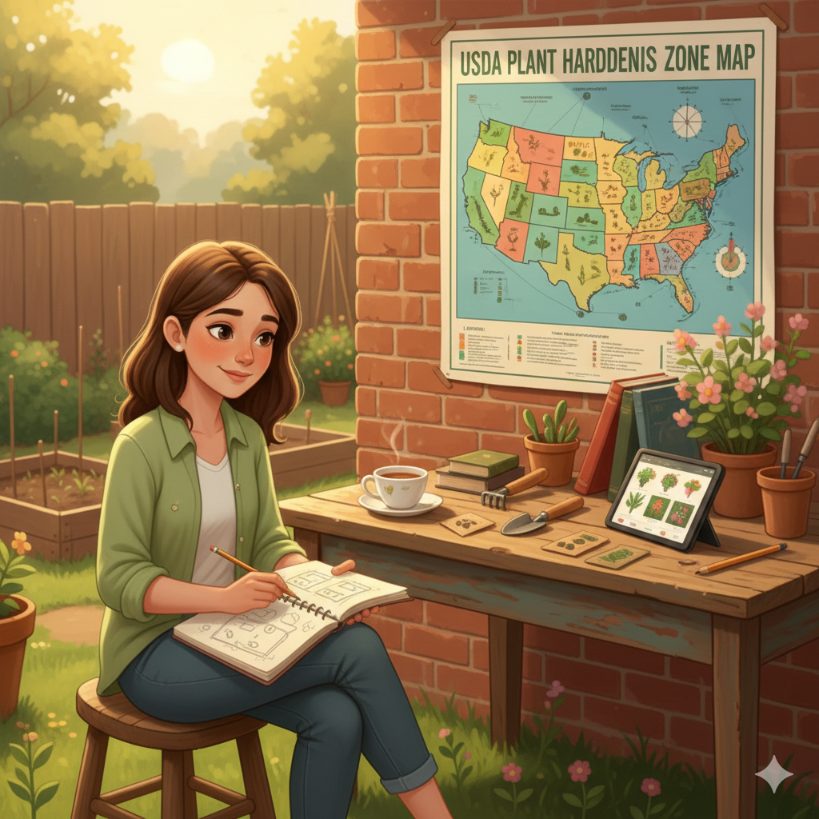
Understanding your local climate zone is essential for choosing plants that will flourish in your area. The United States Department of Agriculture (USDA) Hardiness Zone Map divides the country into zones based on average minimum winter temperatures. Knowing your zone helps you select plants adapted to your regional conditions, reducing the need for excessive watering or protection from temperature extremes.
Soil assessment forms another crucial foundation for green gardening success. Different soil types—sandy, clay, loam, or silty—affect water retention and nutrient availability. Before planting, examine your soil texture by feeling it between your fingers and observing how water drains after rainfall.
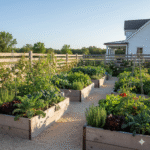
Begin with realistic goals based on available space, time commitment, and resources. Starting small with a few containers or a modest raised bed allows you to learn gardening basics without becoming overwhelmed.
Choosing Eco-Friendly Garden Materials
Selecting organic seeds ensures your garden starts with plants that have not been treated with synthetic chemicals. These seeds come from plants grown without prohibited substances, supporting healthier soil ecosystems from the beginning.
Sustainable gardening tools made from recycled materials or sustainably harvested wood reduce environmental impact. Look for tools with replaceable parts rather than disposable options, ensuring longer usability and less waste.
Recycled containers offer excellent alternatives to new plastic pots. Old buckets, wooden crates, ceramic vessels, and even repurposed household items can serve as planters when proper drainage holes are added.
Natural mulch materials such as shredded leaves, grass clippings, straw, or wood chips provide multiple benefits including moisture retention, temperature regulation, and weed suppression without introducing synthetic materials into your garden.
Soil Health and Fertility
Healthy soil forms the foundation of successful green gardening. Rich, living soil contains beneficial microorganisms, earthworms, and organic matter that support plant growth naturally without requiring chemical interventions.
Composting transforms kitchen scraps and yard waste into nutrient-rich soil amendments. Beginners can compost fruit and vegetable scraps, coffee grounds, eggshells, grass clippings, and dried leaves in a simple bin or pile. Avoid composting meat, dairy, or oily foods which attract pests and decompose slowly.
Natural soil amendments including aged manure, bone meal, and rock minerals provide essential nutrients without synthetic chemicals. These materials release nutrients gradually, supporting sustained plant growth throughout the growing season.
Soil testing kits available at garden centers help determine pH levels and nutrient content. Adjusting soil pH naturally involves adding lime to raise acidity or sulfur to lower alkalinity, creating optimal conditions for your chosen plants.
Water-Wise Gardening
Water conservation has become increasingly important as many USA regions experience drought conditions and water restrictions. Efficient irrigation practices benefit both the environment and household budgets.
Rainwater harvesting systems capture precipitation from roofs and direct it into storage barrels for later garden use. Even simple barrel systems can collect substantial water during rainy periods, reducing dependence on municipal supplies.
Smart watering techniques include deep, infrequent watering that encourages plant roots to grow deeper rather than shallow, frequent watering that promotes weak root systems. Early morning watering reduces evaporation loss and helps prevent fungal diseases.
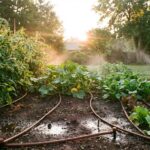
Drip irrigation and soaker hoses deliver water directly to plant roots with minimal waste. These systems reduce evaporation compared to overhead sprinklers and can be installed easily by beginners using basic components.
Choosing the Right Plants
Native plants have evolved to thrive in specific regional conditions, requiring less water, fertilizer, and pest management than non-native species. They also provide essential food and habitat for local wildlife and pollinators.
Benefits of native plants extend beyond low maintenance. These species support regional ecosystems by providing food sources for native insects, birds, and other wildlife that have co-evolved with them over thousands of years.
Easy plants for beginners vary by region but generally include herbs like basil and cilantro, vegetables such as tomatoes and lettuce, and flowers including marigolds and zinnias. Consult local extension offices for region-specific recommendations.
Companion planting involves growing mutually beneficial plants together. For example, planting marigolds near tomatoes may help deter certain pests, while growing beans near corn provides natural nitrogen for soil enrichment.
Natural Pest and Disease Management
Identifying common garden pests helps distinguish harmful insects from beneficial ones. Many insects including ladybugs, lacewings, and ground beetles actually help control pest populations naturally.
Organic pest control alternatives provide effective solutions without synthetic chemicals. Neem oil disrupts insect life cycles while diatomaceous earth creates barriers against soft-bodied pests. Both options break down naturally without harming soil organisms.
Creating habitat for beneficial insects involves planting diverse flowering plants, providing water sources, and leaving some undisturbed areas where helpful bugs can overwinter. These natural predators help maintain pest balance without intervention.
Crop rotation and good cultural practices including proper spacing, adequate air circulation, and removing diseased plant material promptly help prevent many common garden problems before they require treatment.
Fertilization the Eco-Friendly Way
Organic fertilizers derived from plant or animal sources release nutrients slowly as they decompose, improving soil structure while feeding plants. Unlike synthetic options, they build long-term soil health rather than providing quick nutrient bursts.
Homemade fertilizer recipes include compost tea made by steeping finished compost in water, or banana peel fertilizer created by soaking peels to release potassium. These solutions provide gentle nutrition without chemical inputs.
Responsible fertilization involves applying nutrients when plants actively grow and can utilize them, avoiding excessive applications that wash into waterways causing pollution. Following package directions prevents waste and environmental harm.
Sustainable Lawn Care
Traditional lawns require substantial water, fertilizer, and maintenance. Alternatives including native groundcovers, clover lawns, or mixed meadow plantings provide attractive outdoor spaces with reduced environmental impact.
Native groundcovers adapted to local conditions often need minimal supplemental watering once established. Options vary by region but generally require less mowing and chemical input than conventional grass.
Mulching mowers that return grass clippings to the lawn provide natural fertilization while reducing yard waste. Raising mower height during hot weather helps grass roots stay cool and reduces water needs.
Wildlife and Pollinator Support
Pollinators including bees, butterflies, moths, and hummingbirds play essential roles in food production and ecosystem health. Many pollinator populations have declined due to habitat loss and pesticide use.
Creating pollinator-friendly spaces involves planting diverse native flowers that bloom throughout the growing season, providing continuous food sources. Different pollinators prefer different flower shapes and colors.
Water sources as simple as shallow dishes with pebbles for landing spots help wildlife stay hydrated. Natural shelter including brush piles, dead wood, and dense plantings provides nesting sites and protection.
Seasonal Gardening Tips for the USA
Spring planting begins after the last frost date in your region. Prepare beds by adding compost, plan crop layouts, and start cool-season vegetables like lettuce, peas, and radishes before temperatures rise.
Summer maintenance focuses on consistent watering, mulching to conserve moisture, and harvesting vegetables regularly to encourage continued production. Monitor plants for pest issues when populations peak.
Fall cleanup involves removing diseased plant material while leaving beneficial debris like hollow stems where native bees overwinter. Plant cover crops or add mulch to protect soil during winter months.
Winter planning allows gardeners to review what succeeded, order seeds, and prepare for the coming season. In mild climates, cool-season vegetables can grow through winter with appropriate protection.
Tools and Tech for Green Gardening
Essential beginner tools include a sturdy spade, garden fork, hand trowel, pruning shears, and watering can or hose. Quality tools last longer and reduce replacement waste.
Eco-friendly tools made from sustainable materials or featuring ergonomic designs that reduce strain help gardeners work efficiently while minimizing environmental impact.
Gardening applications for smartphones help track planting dates, identify plants and pests, monitor weather conditions, and set watering reminders. These digital tools support better decision-making for beginning gardeners.
Budget-Friendly Green Gardening
DIY garden solutions including homemade compost bins, recycled container planters, and seed-saving practices reduce costs while supporting sustainability goals. Many effective gardening supplies can be created from household items.
Free resources include local extension office publications, community workshops, online gardening forums, and seed libraries. Many municipalities offer free compost to residents.
Community gardens provide affordable access to growing space while connecting beginners with experienced gardeners who can share knowledge, seeds, and plants through informal exchanges.
Common Beginner Mistakes and How to Avoid Them
Overwatering kills more plants than underwatering by suffocating roots and promoting disease. Check soil moisture before watering and ensure containers have adequate drainage holes.
Poor plant selection causes frustration when gardeners choose varieties unsuited to their climate, light conditions, or experience level. Research plant requirements before purchasing.
Neglecting soil health by failing to add organic matter or test nutrient levels limits plant growth potential. Regular compost additions and occasional testing prevent deficiencies.
Ignoring pests early allows small problems to become major infestations. Regular garden inspections help catch issues when they can be managed easily with simple interventions.
Conclusion
Green gardening offers beginners in the USA an opportunity to grow healthy food and beautiful plants while supporting environmental sustainability. Key eco-friendly practices include building healthy soil through composting, conserving water with smart irrigation techniques, choosing native plants, managing pests naturally, and supporting pollinators and wildlife.
Starting small allows new gardeners to learn fundamental skills without becoming overwhelmed. A few containers of herbs or a small vegetable bed provides valuable experience while building confidence for future expansion.
Beyond producing fresh vegetables and attractive flowers, green gardening improves air quality, reduces carbon footprint, supports biodiversity, and creates peaceful outdoor spaces for relaxation. These practices benefit both individual gardeners and the broader environment, making every sustainable choice meaningful for the planet’s future.

Asif Ali is a gardening blogger with over 2 years of experience writing about garden inspiration, eco-friendly gardening, and beautiful garden destinations. He focuses on practical, sustainable ideas that help beginners create inspiring gardens with ease.