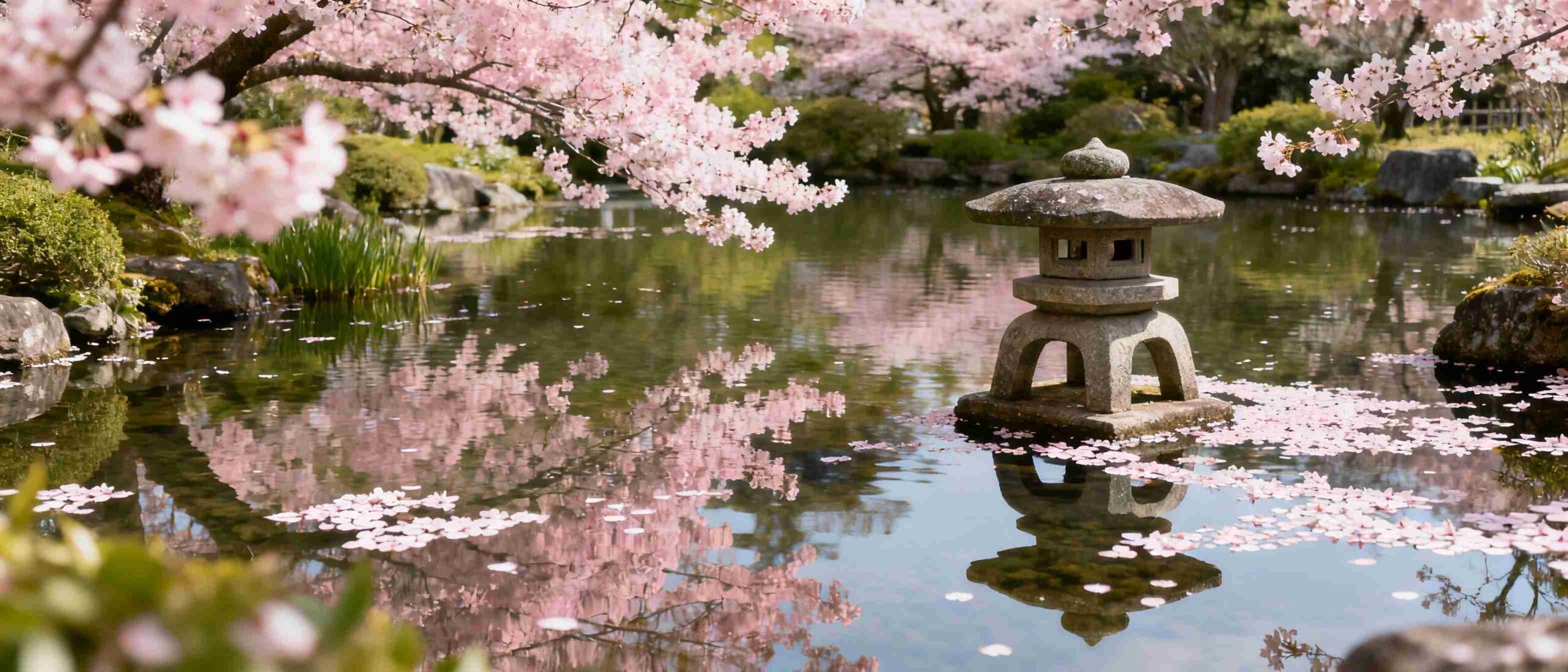
Gardens in Japan Tokyo are hidden oases where centuries-old Japanese aesthetics blend seamlessly with modern urban life. These meticulously crafted spaces, many dating back to the Edo period, showcase nature’s poetry through carefully placed stones, shimmering ponds, seasonal blooms, and centuries-old trees. Whether you’re seeking the delicate beauty of cherry blossoms, the fiery brilliance of autumn maple leaves, or the meditative calm of traditional Zen gardens, Tokyo offers an extraordinary array of garden experiences that will transport you away from the bustling city streets into tranquility. This guide explores fifteen magnificent gardens that deserve a spot on every visitor’s Tokyo itinerary in 2025.
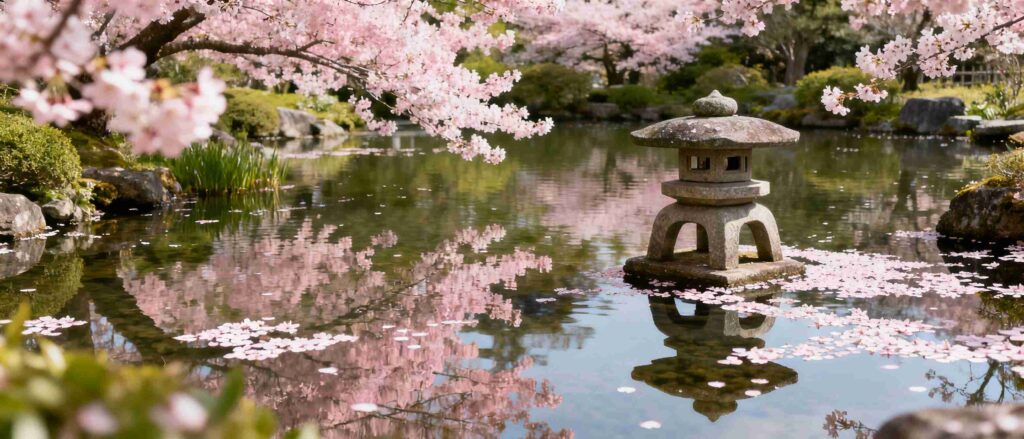
1. Shinjuku Gyoen National Garden – Tokyo’s Most Diverse Garden
Shinjuku Gyoen National Garden stands as one of Tokyo’s most beloved destinations, attracting visitors from every corner of the globe. This sprawling 144-acre park was once the private residence of a feudal lord during the Edo period before being transformed into a public garden in 1949. What makes Shinjuku Gyoen truly exceptional is its unique blend of three distinct garden styles – traditional Japanese landscaping on the southern side, and English and French formal gardens on the northern side. This architectural diversity creates multiple mini-worlds within one expansive park, making each visit feel like exploring different destinations.
The garden features numerous landscaped lakes, indoor botanical conservatories, and the Rakuu-Tei tea house, where you can enjoy matcha while gazing out at the serene water features. During cherry blossom season (late March to early April), the park transforms into a sea of pink with over 1,000 cherry trees dotting the landscape. For autumn enthusiasts, the vibrant foliage season in November showcases spectacular ginkgo trees turning golden. The admission fee is remarkably affordable at ¥500 for adults, making it an accessible luxury for budget-conscious travelers. Early morning visits are recommended to beat the crowds and experience the tranquility that makes these gardens so special.
2. Rikugien Garden – Poetry Brought to Life in Stone and Water
Rikugien, established in 1702 by Yoshiyasu Yanagisawa, represents the pinnacle of Edo-period garden design. The name “Rikugien” refers to the six attributes of waka poetry, and the garden’s design recreates 88 distinct scenes inspired by famous classical Japanese poems and landscapes. Walking through Rikugien feels like stepping directly into the verses of ancient literature, with each turn revealing a new poetic vista.
The garden’s centerpiece is the large central pond called Sensui, surrounded by artificial hills (tsukiyama) and an intricate network of winding stroll paths. The most iconic feature is the magnificent weeping cherry tree near the main gate – its pale pink blossoms in late March cascade like a breathtaking waterfall, making it the garden’s signature attraction during spring. During autumn (late November to early December), the garden transforms dramatically as numerous maple trees turn brilliant red, orange, and gold, with special evening illuminations creating a magical atmosphere. A visit to Rikugien typically takes 1 to 2 hours to fully appreciate its beauty and craftsmanship.
3. Koishikawa Korakuen – Tokyo’s Ancient Treasure Dating to 1629
Koishikawa Korakuen holds the distinguished position of being one of Tokyo’s oldest gardens, with construction beginning as early as 1629. Created by Tokugawa Yorifusa and completed by his son Tokugawa Mitsukuni with assistance from Chinese scholar Shu Shunsui, this daimyo garden represents one of the finest surviving examples of Edo-period landscaping. The garden’s name, “Korakuen,” was inspired by descriptions of the legendary Yueyang Tower in Chinese literature, reflecting the sophisticated cultural influences of the era.
The garden spans more than 70,000 square meters and features a central pond with a network of carefully designed walking trails. Throughout the year, the garden displays various flowering plants including cherry blossoms and plum blossoms in spring, and vibrant azaleas, irises, and Japanese maples throughout the seasons. Early spring is particularly magical when the garden’s cherry blum blossoms paint the landscape white and pink, while autumn (November to December) brings stunning foliage displays. The admission price is budget-friendly at ¥300 for adults. This garden exemplifies the careful balance between nature and human design that defines traditional Japanese aesthetics.
4. Hamarikyu Garden – The Only Tidal Pond Garden in Tokyo
Hamarikyu Garden, with its rich Edo-period heritage, offers a truly unique feature found nowhere else in modern Tokyo – a tidal pond fed directly by Tokyo Bay. Originally built to serve as a feudal lord’s residence, this exceptional garden is located on the edge of Tokyo Bay, and its central pond, called Shioiri-no-ike (tidal pond), incorporates seawater that rises and falls with the tide throughout the day. This dynamic water feature makes Hamarikyu a garden that’s never quite the same twice, as the landscape subtly shifts with the ocean’s rhythm.
Sluice gates regulate the water level by working in harmony with the tide, and the pond is home to various saltwater fish species including black mullet, sea bass, gobies, and eels. Visitors can often spot marine life and birds like herons dancing across the water’s surface, creating enchanting moments. The garden features traditional teahouses, including an island teahouse connected by a bridge, where guests can enjoy matcha tea while overlooking the scenic pond. The admission fee is ¥300 for adults. The gentle integration of Tokyo Bay’s maritime character makes Hamarikyu Garden an unforgettable experience.
5. Mukojima-Hyakkaen Garden – A Merchant’s Dream of Seasonal Beauty
Mukojima-Hyakkaen Garden represents something distinctly different from the grand daimyo gardens – it’s an urban garden created by wealthy merchants during the flourishing Edo period (1804-1830). The name “Hyakkaen” literally means “garden with a hundred flowers that bloom throughout the four seasons,” reflecting the garden’s philosophy of celebrating seasonal flora rather than grand landscape features. This garden was developed by writers, poets, and artists who established a literary salon here, making it a hub of cultural activity and artistic inspiration.
The garden’s most striking feature is a spectacular 30-meter arched-bamboo tunnel lined with bush clover (hagi) that blooms brilliantly in September, creating an ethereal passage of delicate purple flowers. In early May, wisteria hanging from the terrace roof creates cascades of fragrant purple blooms, while later in May, Japanese and Siberian irises bloom in the pond, dotting the water with delicate blue and purple hues. Unlike Koishikawa Korakuen and Rikugien’s formal daimyo style, Mukojima-Hyakkaen maintains a more intimate, homey atmosphere that resonates with the merchant culture that created it. The garden remains more tranquil than major tourist destinations, offering peaceful wandering through centuries of Japanese horticultural tradition.
6. Kiyosumi Garden – Autumn’s Greatest Showstopper
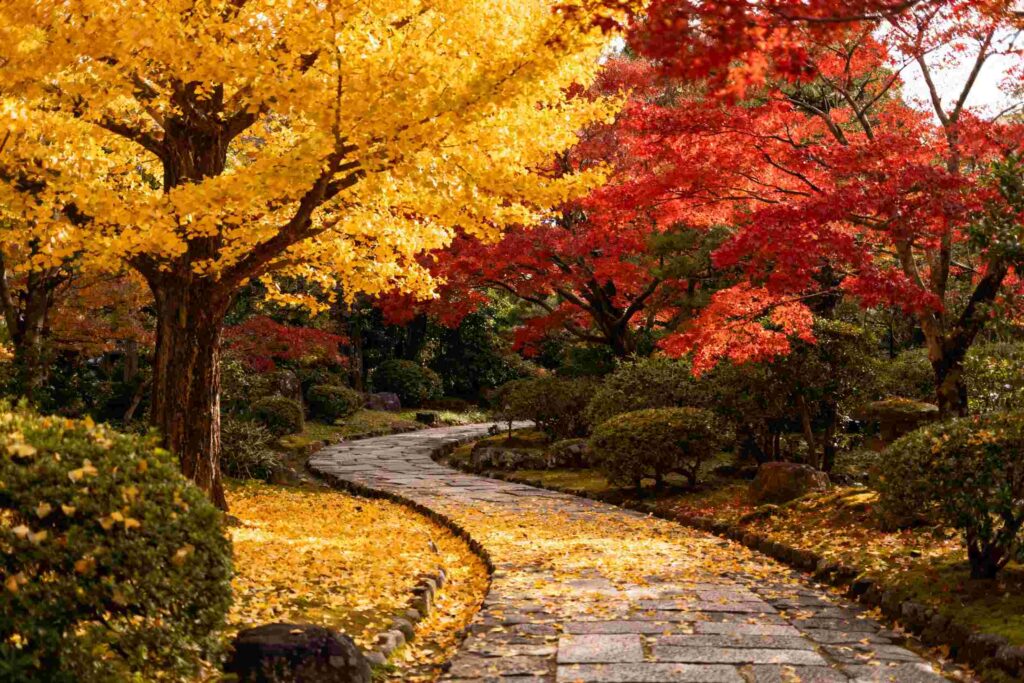
Kiyosumi Garden stands as one of Tokyo’s premier destinations for experiencing the stunning colors of autumn foliage. This traditional Japanese strolling garden was once used to entertain official guests of Japan, where visiting dignitaries would conduct important state matters while strolling among the garden’s delicately landscaped features. Today, it remains a peaceful retreat featuring a large central pond surrounded by boulders, Japanese black pine trees, and a colorful array of seasonal flowers.
The garden’s reputation for autumn beauty is well-earned – from mid-November to early December, the wax trees in Naka-no-shima (a central island) turn brilliant red, their reflection shimmering on the water’s surface in one of Tokyo’s most photogenic scenes. Beyond the wax trees, ginkgo and Japanese maple trees add layers of golden yellow and fiery orange to the landscape, creating a stunning color palette. During this period, the garden applies traditional snow protection and straw wrapping to pines, adding an emotional, contemplative character unique to Japanese gardens in late autumn. The overlapping seasons bring overwintering ducks to the large pond, adding life and movement to the peaceful setting. Admission is a mere ¥150 for adults, making autumn visits to Kiyosumi an extraordinarily affordable luxury.
7. Kyu-Furukawa Gardens – Where Western Elegance Meets Japanese Tradition
Kyu-Furukawa Gardens offers a rare blend of cultures – a Western mansion designed by renowned architect Josiah Conder (known as “the father of Japanese modern architecture”) sits atop a hill, overlooking a stunning rose garden in the middle, with a traditional Japanese garden at the bottom. Built in 1919 for industrialist Toranosuke Furukawa, this hierarchical design creates three distinct aesthetic experiences within one location. The Japanese garden was designed by the legendary Ogawa Jihei VII, the same master who created Murin-an and the Heian Shrine gardens in Kyoto.
What makes Kyu-Furukawa particularly special is its spectacular rose garden – the roses bloom twice yearly, with spring blooms typically appearing from mid-May to June, and autumn blooms from mid-October to late November. The rose garden cascades down the slanted landscape in front of the mansion, creating a fragrant and colorful display of red, pink, violet, orange, and white varieties, each marked with informative signs identifying cultivar names. Japanese maple trees at the bottom of the garden turn brilliant red in autumn, providing a striking backdrop to the entire scene. In 2006, the gardens were designated as a National Place of Scenic Beauty. Admission is remarkably affordable at ¥150 for adults, though the adjacent tea house and restaurant require separate payment.
8. Imperial Palace East Gardens – Free Admission, Regal Splendor
The Imperial Palace East Gardens offer one of Tokyo’s best-kept secrets – free admission to expansive gardens built on the grounds of the former Edo Castle. These historically significant gardens were first built under the Tokugawa shogunate and have been preserved to showcase the original moats, walls, entrance gates, and guardhouses built by feudal lords. The garden was completed in its modern form in 1968 and covers over 210,000 square meters of meticulously landscaped terrain.
The Honmaru (inner circle) area features the Tenshudai (Tenshudai), a large stone base marking where Edo Castle’s central tower once stood – you can climb to the top for panoramic views of the gardens and surrounding city. The Ninomaru area includes the Ninomaru Garden, featuring koi ponds, iris beds that bloom in early summer, and the Edo-period Suwa-no-chaya teahouse. Year-round blooms dot the landscape – from winter plum trees on the plum tree slope to the spectacular gold and scarlet Ninomaru Grove in autumn. With free entry and easy accessibility from central Tokyo, the Imperial Palace East Gardens represent an exceptional value for travelers seeking authentic Edo-period garden features.
9. Happo-en – Centuries of Tradition and Ancient Bonsai
Happo-en, located in Tokyo’s prestigious Shirokanedai district, showcases a Japanese garden created during the early 17th century Edo period, covering approximately 40,000 square meters (12,000 tsubo). The garden was redesigned in 1915 by industrialist Fusanosuke Kuhara, who added many of the buildings still standing today. What truly distinguishes Happo-en is its remarkable collection of ancient bonsai trees – many are over 100 years old, with one extraordinary specimen believed to be 520 years old.
The garden features a natural stream flowing through its grounds, a serene Suichin (waterside arbor) that appears to float just above the pond’s surface, and a large koi pond surrounded by seasonal flowers. Happo-en operates as a wedding venue and restaurant, but welcomes casual visitors to enjoy the kaiseki restaurant overlooking the pond or to participate in traditional tea ceremony experiences (approximately ¥4,000 per person for about 20 minutes). Garden strolls are a particularly popular activity, allowing visitors to explore the vast grounds at leisure, encountering artistic arrangements of seasonal flowers and ancient trees at every turn. The peaceful garden atmosphere, combined with access to fine dining, makes Happo-en an ideal destination for a full cultural experience.
10. Ueno Park – Tokyo’s Cherry Blossom Epicenter
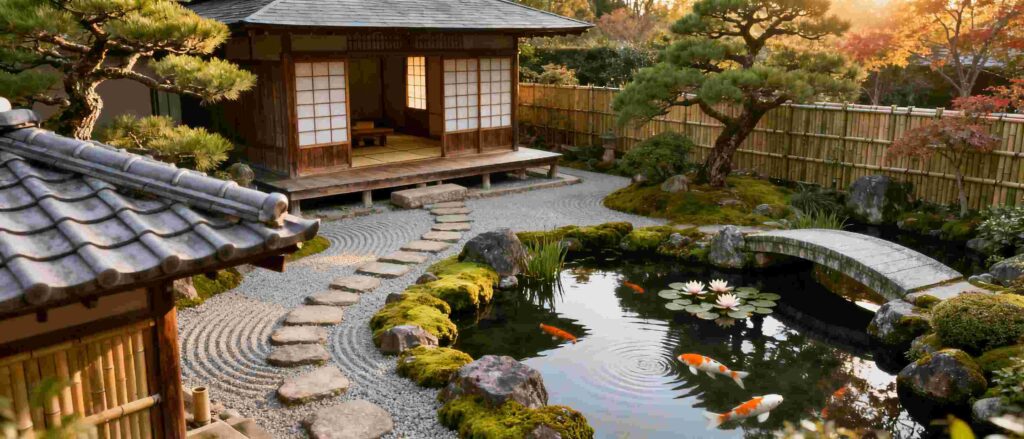
Ueno Park holds legendary status as one of Japan’s most iconic cherry blossom viewing locations, with nearly 1,200 cherry trees transforming the park into a sea of pink blossoms each spring. About 400 years ago, the priest Tenkai brought cherry blossom seeds from Mt. Yoshino and planted them in this location, establishing Ueno as the most famous hanami (cherry blossom viewing) spot during the Edo period. This historical significance, combined with the park’s stunning natural beauty, has made it a beloved destination for generations of visitors.
The park’s main street stretches about half a kilometer and hosts more than half of the park’s 1,000-plus cherry trees, with special nighttime illuminations featuring 800 hanging lanterns creating magical golden glow after sunset. The Ueno Cherry Blossom Festival, held in late March to early April, draws nearly two million visitors who enjoy music, parades, picnicking, and the enchanting light displays. Beyond cherry blossoms, the park houses museums, a zoo, and various cultural attractions, making it a multifaceted destination. Early morning visits on weekdays provide the best opportunity to experience the garden’s beauty with manageable crowds, allowing for peaceful contemplation of the delicate pink blooms.
11. Rikugien’s Autumn Transformation and Spring Splendor
During spring (late March to early April), approximately 25 cherry trees at Rikugien reach peak bloom, including the iconic Somei Yoshino and weeping cherry varieties. Special nighttime viewing events illuminate the cherry blossoms, allowing visitors to experience their ethereal beauty under starlight – in 2025, the Special Nighttime Viewing in Spring will run from March 22 to March 30. These evening viewings are highly recommended, as the delicate petals take on an almost otherworldly quality beneath carefully placed illumination.
Azaleas bloom in late April to early May, adding vibrant splashes of pink and purple color throughout the garden’s landscape. Summer offers lush greenery with cool, shaded areas perfect for escaping Tokyo’s heat, while the ponds and streams provide refreshing atmospheres during warmer months. The visitor experience spans from quick 30-minute walks around the pond to leisurely 1+ hour explorations of the entire garden, particularly during photo opportunities and special events. Rikugien’s versatility – offering distinct beauty in every season – makes it a garden worth visiting multiple times throughout the year.
12. Yoyogi Park – From Cherry Blossoms to Golden Ginkgo
Yoyogi Park ranks among Tokyo’s largest and most versatile parks, offering distinctive seasonal experiences throughout the year. In spring (March to April), the park comes alive with approximately 700 cherry trees creating scenes perfect for picnics and leisurely strolls, with open lawns allowing wide-angle photography capturing families and friends beneath pink blooms. The park’s vast grounds were originally the Yoyogi Military Parade Ground, partially used as the athletes’ village during the 1964 Tokyo Olympic Games.
Come autumn (late November to mid-December), Yoyogi Park transforms through its abundant zelkova, ginkgo, and Japanese maple trees. The ginkgo tree-lined avenue near the Harajuku Gate creates a spectacular 200-meter golden tunnel, with brilliant yellow leaves forming both a ceiling canopy and a soft carpet underfoot. The zelkova trees create breathtaking gradients of red, yellow, and green at their peak, while Japanese maples near the fountain pond turn deep red. For photographers, the sunrise golden hour brings particularly beautiful light, while sunset hours capture equally stunning atmospheric conditions.
13. Meiji Jingu Gaien – Tokyo’s Most Famous Golden Tunnel
Meiji Jingu Gaien features one of Tokyo’s most iconic and Instagram-famous autumn attractions – a magnificent 300-meter-long ginkgo avenue lined with approximately 146 ginkgo trees. Created in 1926 as part of the outer gardens dedicated to Emperor Meiji and Empress Shoken, this tree-lined boulevard was designed to blend nature harmoniously with urban life while serving as a ceremonial approach to the Meiji Memorial Picture Gallery.
From mid-November to early December, the ginkgo trees reach their peak golden brilliance, creating a shimmering tunnel of yellow light that contrasts dramatically against blue autumn skies. The trees are planted approximately nine meters apart and pruned annually into neat conical shapes, ensuring uniformity and aesthetic perfection. Photographers, couples, and families stroll leisurely through this enchanted passage, capturing moments beneath the towering canopy of golden leaves that form on both ground and sky. Locals often describe the experience as “stepping into another world,” one that starkly contrasts with the busy Aoyama and Omotesando avenues just beyond the garden’s boundaries. The avenue remains relatively tranquil despite its fame, offering a serene autumn experience that justifies the travel time.
14. Chidorigafuchi Park – Spring Cherry Blossoms Along Historic Moats
Chidorigafuchi Park stretches for approximately 450 meters alongside the Hanzo Moat on the western edge of the Imperial Palace, offering a unique linear garden experience distinct from traditional circular pond gardens. The park’s narrow shape – about 20 meters wide – makes it feel like an intimate pathway rather than an expansive park, yet it contains hundreds of cherry trees creating an enchanting pink tunnel when blooms reach their peak.
The park’s 700-meter-long green walkway transforms into a pink wonderland each spring, with approximately 140 sakura trees featuring mostly Somei-Yoshino, the iconic Japanese cherry blossom variety recognized by its mass of pale pink blooms. The park’s history dates to 1881, when British diplomat Ernest Satow planted the first cherry trees, establishing a tradition that continues to this day. Beyond cherry blossoms, the park features a pond with classical statues and a striking modern sculpture by Mexican artist Taller Sebastián, plus a children’s play area. The park’s elevated position about 15 meters higher than the Imperial Palace’s eastern side offers sweeping views of the moat and inner palace grounds, making it a favorite photography destination during spring season.
15. Kyu-Yasuda Gardens – A Hidden Gem for Local Explorers
Kyu-Yasuda Gardens, located in the Ryogoku district, represents one of Tokyo’s most peaceful and underrated garden destinations. Unlike heavily crowded famous gardens, Kyu-Yasuda attracts primarily local residents, making it an ideal spot for those seeking an authentic, less-touristy experience of Japanese garden aesthetics. The garden maintains quiet pathways and serene water features that embody the contemplative spirit central to traditional Japanese garden philosophy.
This hidden gem offers visitors an opportunity to experience Japanese garden culture exactly as locals do – without the Instagram crowds and peak-season congestion that plague more famous locations. The peaceful atmosphere allows for genuine connection with nature and reflection, making it an excellent choice for photographers seeking authentic, uncluttered garden compositions. For travelers with time to explore beyond the most famous sites, Kyu-Yasuda Gardens provides a rewarding and meditative experience that showcases the depth and variety of Tokyo’s garden culture.
Best Times to Visit Tokyo’s Gardens in 2025
Understanding seasonal timing is crucial to maximizing your garden experience in Tokyo. Spring (late March to early April) represents peak season for cherry blossom viewing, when nearly every major garden explodes with pink and white blooms – expect significant crowds and plan to visit early mornings (arriving around sunrise) to avoid congestion. Weather during this period ranges from 9-23°C, creating mild and pleasant conditions perfect for extended garden strolls. Avoid the Golden Week period (April 29-May 5) when Japan celebrates several national holidays, as crowds become intense and prices surge dramatically.
Autumn (late November to early December) offers equally spectacular beauty as spring, with ginkgo trees turning golden yellow and Japanese maples blazing in fiery reds and oranges. Fall temperatures typically range from 10-20°C, providing comfortable conditions for extended exploration. Late November through early December represents the optimal window for golden ginkgo viewing, particularly at Meiji Jingu Gaien and Yoyogi Park. Winter (December-February) brings colder temperatures (2-10°C) and occasional snow, yet offers fewer crowds and beautiful illuminations, making it ideal for budget-conscious travelers. Summer (June-August) brings intense heat and humidity, yet early mornings and shaded garden pathways provide refreshing escapes from the city heat, with fewer tourists creating peaceful exploration opportunities.
Practical Information for Garden Visits in 2025
Most Gardens in Japan Tokyo maintain reasonable admission fees ranging from free (Imperial Palace East Gardens) to ¥500 (Shinjuku Gyoen National Garden), making garden tourism highly affordable. Photography tips for garden visits include arriving early for optimal lighting conditions – sunrise provides soft golden light perfect for spring blooms, while late afternoon golden hour captures autumn foliage beautifully. For cherry blossom photography, use wide apertures (f/2.8-f/5.6) to create creamy backgrounds highlighting delicate petals, and shoot in RAW format to fine-tune pink and green tones post-processing. Visit on weekdays when possible to avoid peak-season crowds, and use blossom forecast apps to lock in optimal shooting dates rather than guessing peak bloom windows.
Comfortable walking shoes are essential, as gardens require extensive exploration on gravel and dirt pathways. Bring sun protection (hat, sunscreen) for extended outdoor time, and consider visiting during shoulder seasons (early April or mid-November) when beauty peaks but crowds remain manageable. Many gardens feature teahouses serving traditional matcha tea and light refreshments, allowing for restorative breaks during garden exploration. Several gardens accept online advance booking during peak seasons to ensure entry, though most allow walk-ins on weekdays.
Gardens in Japan Tokyo fifteen most beautiful gardens represent humanity’s highest achievement in harmonizing natural beauty with artistic vision. Whether experiencing delicate cherry blossoms in spring, golden ginkgo leaves in autumn, or peaceful year-round contemplation, these gardens offer transformative experiences that reveal Japan’s deep cultural connection to nature’s cycles and seasonal beauty. Plan your 2025 visit strategically, visit early mornings on weekdays when possible, and prepare for unforgettable moments in some of Asia’s most exquisite horticultural treasures.

Asif Ali is a gardening blogger with over 2 years of experience writing about garden inspiration, eco-friendly gardening, and beautiful garden destinations. He focuses on practical, sustainable ideas that help beginners create inspiring gardens with ease.