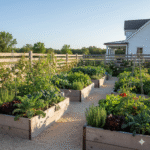
Family-Friendly Garden Tours in the US offer an incredible opportunity to spend quality time together while exploring nature’s most beautiful creations. From sprawling 250-acre estates filled with over one million plants to intimate neighborhood botanical gardens, these destinations provide educational experiences, outdoor recreation, and memorable moments for families of all sizes. Whether you’re looking for interactive children’s gardens with play areas, guided tours that accommodate different fitness levels, or simply a peaceful afternoon surrounded by blooming flowers and manicured landscapes, American botanical gardens deliver experiences that engage both young minds and adults seeking natural beauty.
Understanding Family-Friendly Garden Tours: What Makes Them Special
What Defines a Family-Friendly Garden Tour?
Family-Friendly Garden Tours in the US: A family-friendly garden tour goes beyond simply walking through manicured landscapes. These destinations actively create welcoming environments designed specifically with children and multi-generational visitors in mind. The best garden tours incorporate interactive elements such as hands-on discovery areas, educational programs, accessible pathways for strollers and wheelchairs, and amenities like seating areas, restrooms, and snack facilities.
When selecting a family garden tour, look for facilities that offer clearly marked trails, shaded rest areas, and water stations to keep everyone comfortable throughout the visit. Many leading botanical gardens now feature children’s adventure gardens, butterfly exhibits, interactive water features, and specialized programs designed to teach kids about plant biology, environmental stewardship, and biodiversity. These elements transform a simple garden stroll into an enriching educational experience that holds children’s attention while keeping adults engaged.
Key Features That Make Gardens Family-Friendly
The most successful family-oriented botanical gardens prioritize accessibility and comfort. Multiple tour options accommodate different energy levels and time constraints—some gardens offer full tours lasting 60 to 90 minutes, while others provide modified routes covering only about one-third of the garden with plenty of bench seating and a slower pace. This flexibility ensures that families with young children, seniors, or members with mobility challenges can all participate meaningfully.
Featured amenities at family-friendly destinations typically include designated children’s play areas with interactive gardens, educational signage at child-accessible heights, comfortable seating throughout the grounds, and shaded pathways that protect visitors from excessive sun exposure. Some gardens also offer specialized activities like butterfly releases, scavenger hunts, and nature-themed festivals that engage children in active learning.

Top Family- Family-Friendly Garden Tours in the US
Renowned National Destinations
The New York Botanical Garden stands as one of America’s premier destinations for family garden tours, spanning 250 acres with over one million plants. This Manhattan treasure features the Everett Children’s Adventure Garden, seasonal exhibitions, tram tours for those who prefer not to walk the entire grounds, and the famous Haupt Conservatory with its impressive Victorian architecture. Children particularly enjoy the interactive water features, exploration guides, and special family programming throughout the year.
The Missouri Botanical Garden in St. Louis ranks among the largest by plant collection, hosting 6.6 million specimens across beautifully themed garden rooms. This National Historical Landmark, founded in 1859, welcomes children with free admission for visitors 12 and younger, making it particularly budget-friendly for large families. The garden’s diverse collections, including a dedicated children’s garden area, provide endless exploration opportunities.
In Phoenix, the Desert Botanical Garden offers a unique family experience with 140 acres showcasing 50,000 specimens, including over 4,000 agaves and nearly 14,000 cacti native to Southern Arizona. The garden features four miles of scenic trails connecting 29 themed gardens, an interactive children’s garden, and year-round educational programs that help families understand desert ecosystems.
Hidden Gems and Regional Favorites
For families seeking less crowded alternatives, the Denver Botanic Gardens spans 24 acres with diverse themed gardens including a Japanese garden, Orangery, and the enchanting Monet Pool water garden. This Colorado destination offers a more intimate experience than its larger counterparts while maintaining comprehensive educational programming for young visitors.
The San Diego Botanic Garden features 37 acres of scenic trails connecting 29 themed gardens from around the world, including a dramatic tropical rainforest with waterfalls, an interactive children’s garden, and a mesmerizing bamboo grove. Children find endless discovery opportunities while parents appreciate the manageable size and well-organized layout.
Chicago’s Botanic Garden delights families with specialized children’s programs, the Butterflies & Blooms seasonal exhibit featuring hundreds of live butterflies, the Grunsfeld Children’s Growing Garden where kids can learn about vegetable cultivation, and the Model Railroad Garden with enclosed beehive viewing. This destination excels at combining entertainment with educational content.
Educational and Developmental Benefits of Garden Tours for Children
Learning Through Nature Exploration
Garden tours provide unparalleled hands-on learning opportunities that classroom environments cannot replicate. When children observe plants in various growth stages, investigate soil composition, and watch butterflies pollinate flowers, they develop deeper understanding of botanical concepts, ecology, and the interconnectedness of natural systems. This experiential learning dramatically improves memory retention and concentration compared to traditional instruction methods.
Beyond pure science education, garden visits teach children about seasonal cycles and natural rhythms. By visiting gardens during different times of year, children develop appreciation for how landscapes transform through spring blooms, summer abundance, fall colors, and winter structure. This cyclical awareness fosters environmental consciousness and helps children understand their place within nature’s broader patterns.
Developing Social and Emotional Skills
Exploring gardens together as a family naturally encourages communication, collaboration, and teamwork. Children learn to observe patiently, ask questions, and engage in meaningful discussions about what they discover. Group garden tours promote social skills including listening to guides, interacting with other families, and working together during hands-on activities.
The calming nature of garden environments provides significant emotional benefits for children. Time spent in natural settings reduces stress, encourages mindfulness, and creates safe spaces for children to express creativity through nature-based crafts, photography, or simply quiet observation. These emotional benefits contribute to improved overall wellbeing and help children develop resilience through regular nature connection.
Physical Development and Health
Walking through gardens provides excellent low-impact physical activity suitable for all family members, from toddlers to grandparents. Children develop gross motor skills through navigating varied terrain, climbing gentle slopes, and exploring different areas of the garden. Fine motor skills improve through hands-on activities like planting seeds, handling delicate plants, and creating nature crafts.
Regular garden visits encourage healthy outdoor habits that combat childhood sedentary behavior. The combination of fresh air, natural light exposure, and physical movement supports cardiovascular health, bone development, and overall fitness. Children who develop positive associations with nature during family garden tours are more likely to maintain active outdoor habits throughout their lives.
Planning Your Family Garden Tour: Essential Information
Timing Your Visit for Maximum Enjoyment
Best Seasons for Garden Tours
Spring (April through May) offers the most vibrant displays of flowering plants, with blooming trees, bulbs, and perennials creating colorful landscapes. However, spring also brings peak visitor traffic and crowding, making morning visits preferable to avoid long lines. Summer (June through August) features full foliage and blooming annuals, though heat can make midday visits uncomfortable, especially for young children. Plan early morning or late afternoon excursions during summer months.
Fall (September through October) provides moderate temperatures, beautiful foliage changes, and smaller crowds than spring or summer, making it an ideal time for family tours. Winter visits reveal garden structure, evergreen plantings, and special holiday programming at many locations, though some seasonal exhibits and children’s gardens may close during colder months.
Daily Timing Recommendations
Visit early in the morning (7:30 to 9:00 AM) when gardens are least crowded and temperatures remain comfortable. Early arrival allows children to explore with greater freedom and parents to enjoy a more relaxed pace without navigating crowds. Most gardens experience peak visitation between 10:00 AM and 3:00 PM, making these hours less ideal for families with young children who need frequent breaks.
Arriving during the last two hours before closing often provides a peaceful experience with minimal crowds. Many gardens also offer special evening hours during specific seasons, creating magical lighting conditions for family photography and an entirely different perspective on familiar gardens.
Admission Costs and Budgeting
Garden admission prices vary significantly depending on the facility and season. Major metropolitan gardens typically charge between $28 and $35 for adult admission, with children’s prices ranging from $5 to $20, though many gardens offer free admission for children under 5 or 6. Off-peak season pricing often provides savings compared to peak season rates.
Family memberships frequently offer excellent value for frequent visitors. Annual family passes typically cost $100 to $300 but provide unlimited visits plus member perks like parking discounts, special events access, and gift shop savings. If you plan to visit once annually, the single admission cost usually justifies a membership for future savings on return visits.
Many gardens offer significant discounts or free admission days. The New York Botanical Garden provides reduced pricing for New York City residents on specific days, while some facilities participate in “Museums for All” programs offering discounted admission for low-income visitors. Several gardens offer free admission to children during specific family event days or during off-peak seasons.

What to Pack for a Successful Garden Tour
Essential Supplies for All-Day Comfort
Pack a reusable water bottle for each family member—hydration is crucial, especially for young children during outdoor activities. Bring at least 2 liters of water per person, and more during hot weather or long visits. Include healthy, non-perishable snacks like nuts, dried fruit, granola bars, and trail mix to maintain energy levels throughout the day.
Sun protection items are absolutely essential: broad-spectrum sunscreen (SPF 30+), wide-brimmed hats, lightweight long-sleeved clothing, and sunglasses protect vulnerable skin. A lightweight picnic blanket or portable chair allows children to rest and provides comfortable seating for breaks. Include a small first aid kit with bandages, antiseptic wipes, and any necessary medications.
Items for Enriching Your Experience
Bring a camera or smartphone to capture memorable moments and create a visual record of your family’s garden adventures. A small notebook and colored pencils encourage children to sketch plants, butterflies, and garden scenes, turning the tour into an art activity. A magnifying glass transforms observation into detailed investigation, allowing children to examine insects, leaf patterns, and flower structures.
Pack extra clothes for children—gardens with water features inevitably result in wet clothing, and having changes available prevents discomfort. Comfortable, supportive walking shoes with good traction prove essential for navigating varied terrain, as does a backpack or small daypack for carrying supplies without burdening young children.
Interactive Activities and Experiences at Gardens
Butterfly Gardens and Pollinator Observation
Many family-friendly gardens feature dedicated butterfly gardens and monarch way-stations that attract multiple butterfly species. These specialized areas teach children about pollination, metamorphosis, and the critical role butterflies play in ecosystems. Interactive butterfly releases, where children gently release recently emerged butterflies into the garden, create unforgettable moments of wonder.
Children learn to recognize butterfly host plants (like milkweed for monarchs) that support caterpillar growth and understand the complete butterfly lifecycle from egg through caterpillar, chrysalis, and adult butterfly. Binoculars or magnifying glasses enhance observation capabilities, allowing detailed study of butterfly anatomy and behavior.
Scavenger Hunts and Exploration Games
Many gardens provide themed scavenger hunt lists encouraging children to locate specific plants, flowers, or garden features. These structured activities keep children engaged while developing observation skills, plant recognition abilities, and an understanding of garden organization. Photo-based scavenger hunts, where families photograph items rather than collecting them, protect the garden ecosystem while creating a visual record of discoveries.
Nature-themed trivia challenges and botanical puzzle hunts offered during special events transform garden visits into adventure experiences. These activities particularly appeal to school-age children seeking intellectual engagement alongside outdoor exploration.
Photography and Memory-Making Opportunities
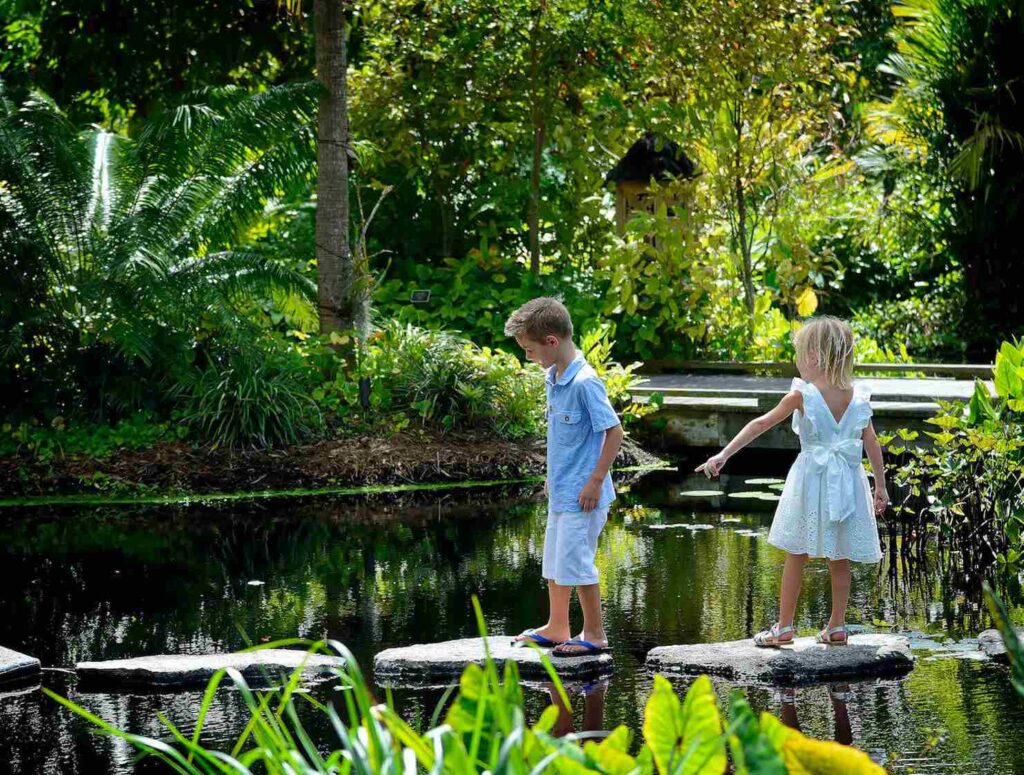
Gardens provide stunning natural backdrops for family photography. The golden hour—shortly after sunrise or just before sunset—offers optimal lighting conditions with soft, warm illumination that minimizes harsh shadows and creates naturally radiant photos. Photograph family members walking hand-in-hand through garden paths, climbing on rocks by water features, and posing among flowering plants to create authentic, emotionally meaningful family portraits.
Botanical gardens with diverse landscapes offer multiple photography locations within a single visit, eliminating the need to travel between sites. Flowers, water features, sculptures, and architectural elements combine with natural foliage to create varied and interesting compositions.
Making Your Garden Tour Accessible for All Family Members
Accommodating Different Mobility Levels
Modern family-friendly gardens prioritize accessibility through multiple physical accommodation options. Accessible pathways should measure at least 4-5 feet wide with smooth, level surfaces, proper drainage to prevent muddy spots, and gentle slopes rather than stairs for elevation changes. Avoid steep steps; instead, construct gently sloping ramps with handrails where elevation changes are necessary.
Multiple tour options cater to different abilities. Full tours lasting 60-90 minutes suit active families without mobility limitations. Modified tours covering approximately 60-75 minutes traverse most major areas while accommodating those with limited mobility or time constraints. Silver highlights tours designed specifically for seniors and individuals with significant mobility challenges proceed slowly over limited distances (approximately 1/3 mile) with multiple bench-seating rest opportunities.
Tram tours offer excellent solutions for families with strollers, young children, or members with difficulty walking extended distances. Expert-guided tram tours provide narrated introductions to garden highlights, allowing families to decide which areas to explore on foot afterward.
Facilities and Amenities for Family Comfort
Adequate seating throughout the garden proves essential for families with young children, seniors, or members with stamina limitations. Benches positioned in shaded areas provide comfortable rest spots and vantage points for observation. Some gardens offer sheltered pavilions for lunch breaks and rain protection, making multi-hour visits feasible in variable weather.
Clean, accessible restrooms distributed strategically throughout the grounds prevent long walks with desperate children. Water fountains or refilling stations allow easy hydration without purchasing expensive bottled water. On-site dining options ranging from full-service restaurants to casual cafés provide meal flexibility for families spending entire days at gardens.
Stroller rental or stroller-friendly pathways help families with young children navigate comfortably. Some gardens permit stroller use on all pathways, while others restrict strollers to specific routes—confirm policies before your visit.
Programming for Different Age Groups
Botanical gardens effectively serve diverse age ranges through age-specific programming. Preschool programs (ages 2-5) emphasize sensory exploration, simple concepts about plant growth, and nature-based art activities. Elementary programs (ages 6-10) incorporate scientific observation, butterfly metamorphosis studies, and hands-on gardening projects. Tween and teen programs (ages 11+) explore advanced botanical concepts, ecological relationships, and might include volunteer opportunities.
Programs specifically designed for multigenerational groups help older adults and young children interact meaningfully while experiencing gardens together. Flexible admission policies often allow mixed-age siblings to participate in the same activities despite different age recommendations.
Frequently Asked Questions About Family-Friendly Garden Tours in the US
Q: What is the ideal length for a family garden tour with young children?
A: Most experts recommend 1-2 hours for families with children under 8 years old. This timeframe allows meaningful exploration without overtaxing short attention spans or causing fatigue. Many gardens offer multiple tour lengths (30-minute, 60-minute, and 90-minute options), allowing families to choose based on their children’s capabilities and interests.
Q: Are pets allowed at botanical gardens?
A: Pet policies vary significantly among gardens. Most exclude pets entirely to protect garden plants and other visitors, though some permit leashed dogs on specific pathways. Always contact your chosen garden before visiting if you wish to bring pets. Several botanical gardens offer special “pets in the garden” days where trained service animals and occasionally other pets are welcomed.
Q: Can I bring food and drinks to the garden?
A: Many gardens permit outside food and non-alcoholic beverages, making picnicking an affordable family option. Some restrict glass containers for safety. Most gardens offer on-site dining options ranging from casual snack bars to full-service restaurants. Always verify specific policies before packing picnic supplies.
Q: What should I do if my child gets tired or overwhelmed during the tour?
A: Successful garden visits require flexibility. Take frequent breaks in shaded seating areas, let children lead the exploration rather than following a rigid schedule, and don’t hesitate to sit quietly observing butterflies or water features. Many gardens are designed to accommodate partial visits—explore intensively for 1-2 hours, then relax in gardens near the entrance. Arriving during early morning or late afternoon typically results in fewer crowds and less overwhelming environments.
Q: How can I help my children learn more from the garden tour?
A: Engage children through questions (“What pollinates this flower?”), sketching, photography, and hands-on interaction when permitted. Many gardens provide educational materials including activity guides, plant identification books, and scavenger hunt lists. Consider visiting the same garden multiple times through different seasons to observe seasonal changes and reinforce learning. Provide binoculars or magnifying glasses to enhance observation capabilities.
Q: Are garden tours suitable for children with sensory sensitivities?
A: Botanical gardens can be sensory-rich environments—the fragrance of flowers, sounds of birds and water features, varied textures of plants, and visual complexity might overwhelm children with sensory processing difficulties. Many gardens now offer specialized sensory-friendly hours or sensory tours designed for individuals with autism or sensory sensitivities. Contact your chosen garden about sensory-friendly programs, quieter areas, and tour modifications available. Early morning visits typically offer calmer environments.
Conclusion
Family-Friendly Garden Tours in the US offer exceptional opportunities to combine recreation, education, and quality family time in beautiful natural settings. Whether you choose a sprawling metropolitan botanical garden or a more intimate regional arboretum, these destinations provide year-round accessibility and programming designed specifically for families with children of all ages. The combination of physical activity, educational content, emotional benefits, and memory-making moments makes garden tours invaluable family experiences that foster children’s lifelong appreciation for nature and the environment.
Family-Friendly garden tours in the Us plan your visit by selecting a garden matching your family’s interests and abilities, choosing optimal timing based on seasonal factors and crowd levels, and preparing adequately with water, snacks, sun protection, and comfort items. Engage children actively through observation games, photography, scavenger hunts, and hands-on activities rather than passive strolling. Take advantage of specialized programming, interactive exhibits, and multiple tour options accommodating different energy and mobility levels. With thoughtful planning and flexible approaches, family garden tours become treasured experiences your children will remember throughout their lives.

Asif Ali is a gardening blogger with over 2 years of experience writing about garden inspiration, eco-friendly gardening, and beautiful garden destinations. He focuses on practical, sustainable ideas that help beginners create inspiring gardens with ease.