Eco friendly garden ideas that save money: Growing a beautiful, thriving garden doesn’t require expensive tools, premium fertilizers, or chemical treatments. The most successful gardeners know that sustainable, budget-conscious gardening isn’t just good for your wallet—it’s better for the planet. By adopting eco-friendly practices, you can transform your outdoor space into a productive, vibrant ecosystem while reducing expenses and environmental impact. This guide explores practical, proven techniques that deliver real results without breaking the bank.
1. Start Your Plants from Seeds Instead of Buying Seedlings
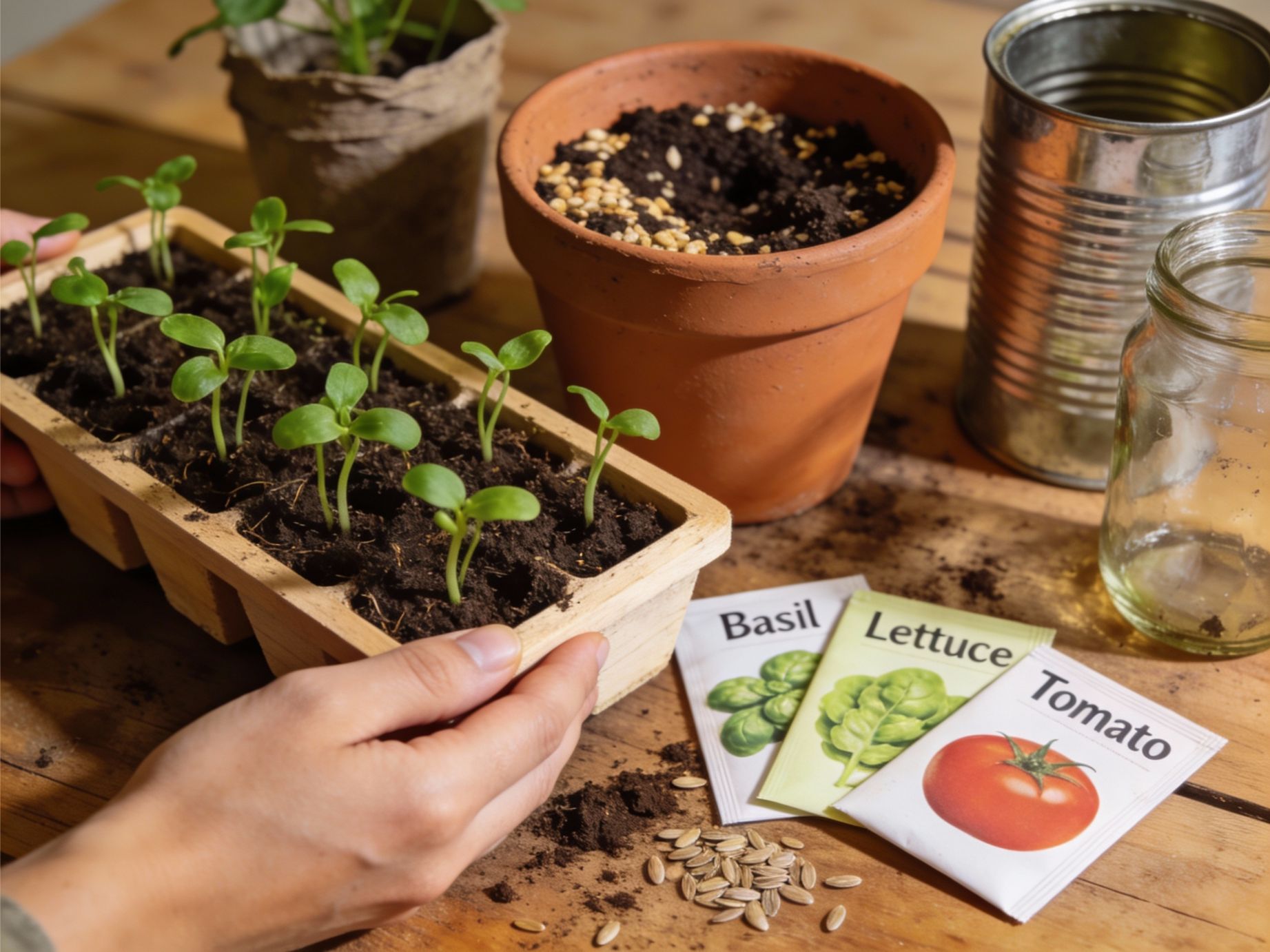
One of the quickest ways to slash gardening costs is switching from buying starter plants to growing from seeds. A single seed packet costing just $1-3 can contain 100+ seeds, while a nursery starter plant often costs $3-5 each. If you want five tomato plants, buying seedlings might cost $15-25, whereas a packet of tomato seeds gives you enough for an entire year—sometimes several years, since seeds remain viable for 3-5 years when stored properly.
Seeds offer another major advantage: variety. Garden centers typically stock only the most popular cultivars, but seed catalogs offer heirloom varieties, unique colors, and disease-resistant strains you simply can’t find locally. Start seeds indoors on a sunny windowsill using recycled containers (yogurt cups, egg cartons, or newspaper pots work perfectly), then transplant them into your garden beds once they’re established.
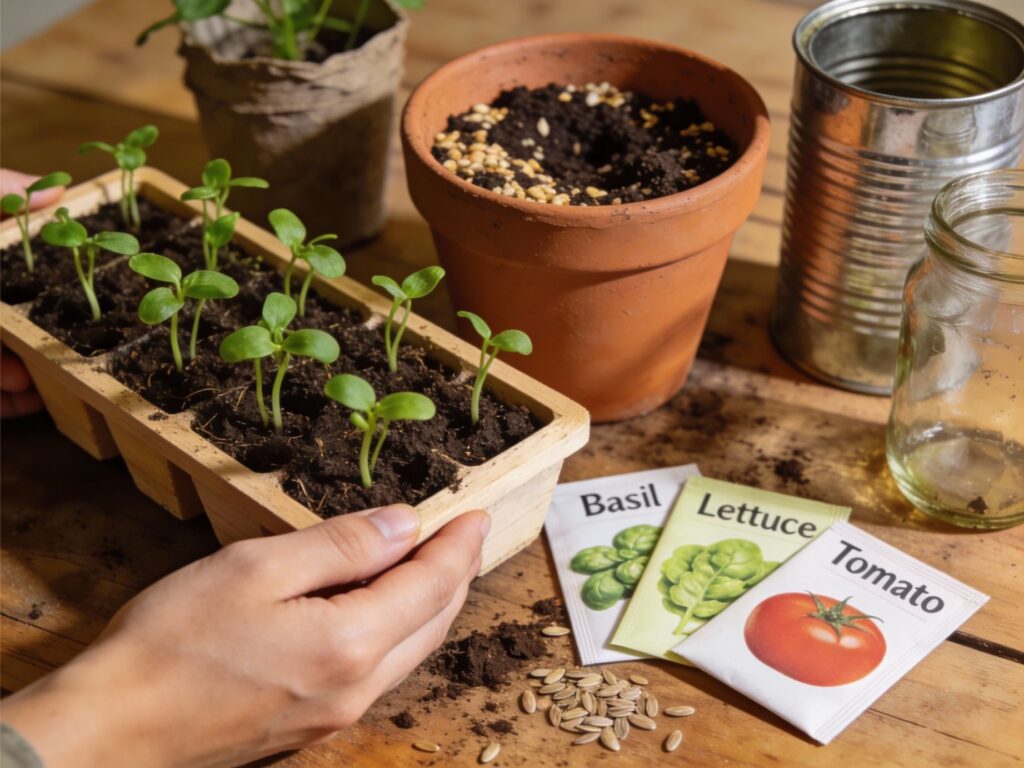
Starting seeds and seedlings indoors for budget-friendly gardening
2. Master Composting for Free Fertilizer
Composting is the gardener’s secret weapon for sustainable, cost-effective plant nutrition. Rather than buying expensive fertilizers and soil amendments, you can create nutrient-rich compost from kitchen scraps and yard waste. Collect vegetable peels, coffee grounds, eggshells, grass clippings, fallen leaves, and shredded cardboard in a designated compost bin. Within 6-8 months, these materials break down into dark, crumbly compost that rivals any store-bought product.
The beauty of homemade compost is that it costs nothing and provides slow-release nutrients while improving soil structure and water retention. A well-maintained compost pile reduces your reliance on commercial fertilizers by 50-75%, translating to real savings across the growing season. Plus, you’re diverting waste from landfills while feeding your garden naturally.
3. Harvest Rainwater for Irrigation
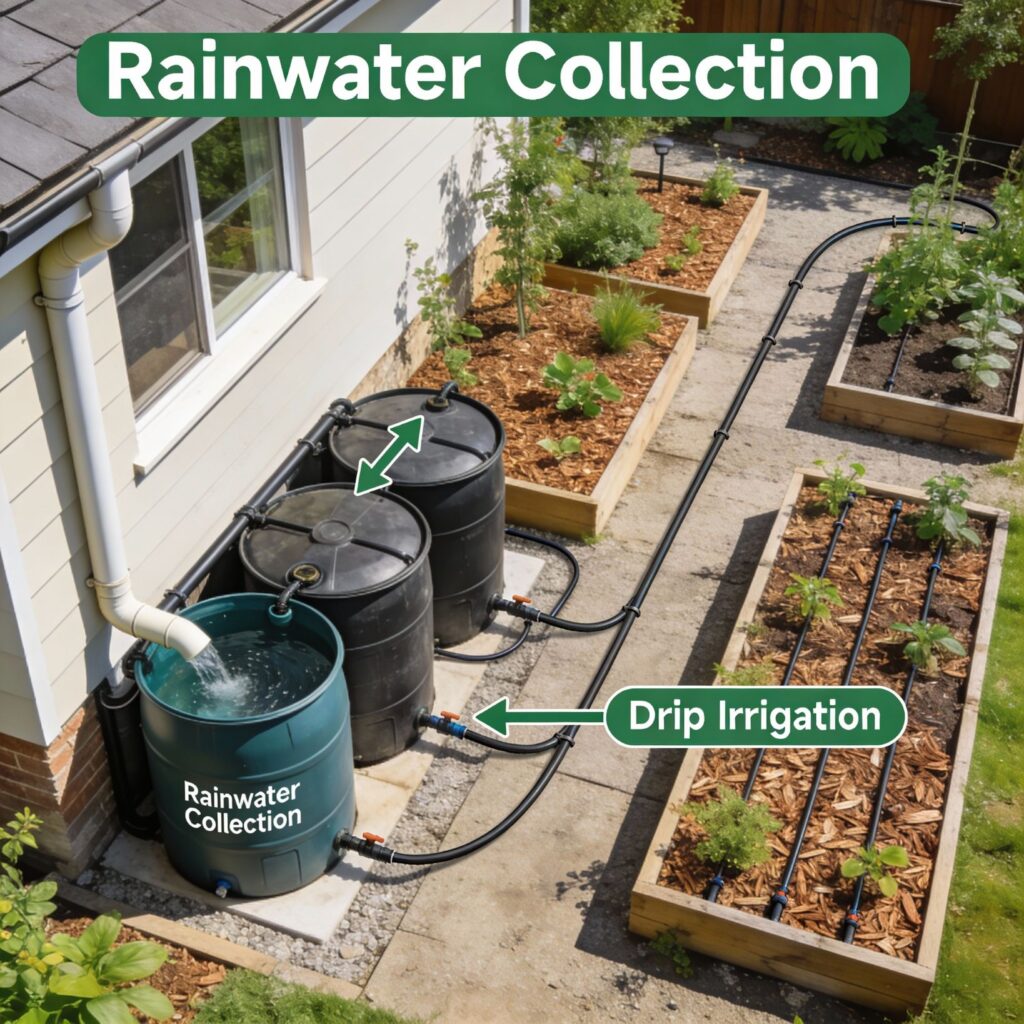
Installing a rainwater collection system is one of the single best investments for eco-conscious gardeners. A water butt placed beneath a home’s downpipe captures hundreds of gallons per year—free water that’s actually superior to tap water because it lacks the chemicals found in municipal supplies. Plants thrive on rainwater, and using collected rainwater can reduce your water bill by 40-60% during the growing season.
Water butts are affordable (typically $50-150) and simple to install. Basic models include a diverter valve and tap, allowing you to fill watering cans easily. For larger gardens, connect multiple water butts together to maximize storage capacity. Even on an average rainy weekend, a water butt can fill completely, providing reserves for dry spells.
4. Create Living Mulch with Free Local Materials
Mulch is essential for suppressing weeds, retaining soil moisture, and regulating temperature—but you don’t need to buy it. Free or nearly-free mulch sources include grass clippings (thin layers to prevent matting), fallen leaves, shredded cardboard, straw, and wood chips from tree services. In neighborhoods with mature trees, you’ll find an abundance of free leaf matter each fall. Many local municipalities and tree care companies offer free wood chips—call ahead to arrange pickup.
Grass clippings from untreated lawns make excellent mulch and add nitrogen to soil as they decompose. Fallen leaves can be shredded with a mower or by hand and spread around plants. Cardboard boxes (corrugated, without tape) layer beautifully under heavier mulches and break down over time, feeding the soil. These free materials perform identically to expensive bagged mulch while reducing waste.
5. Use Companion Planting for Natural Pest Control
Chemical pesticides are expensive, toxic, and unnecessary. Companion planting—strategically pairing plants to repel pests and attract beneficial insects—costs nothing but works remarkably well. Marigolds repel aphids and spider mites, nasturtiums trap squash bugs away from your prized vegetables, and basil deters flies while producing fresh culinary herbs. Mint (planted in containers to contain its aggressive growth) keeps flea beetles and cabbage moths at bay.
Plant lavender around garden edges to deter moths and fleas. Ornamental flowering plants like borage and chrysanthemums attract pollinators while offering natural insecticidal properties. By interplanting these strategic companions, you create a self-regulating ecosystem that needs minimal intervention. You’ll spend nothing on pest management while harvesting healthier, chemical-free produce.
6. Build Raised Beds Without Expensive Materials
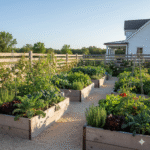
Raised beds offer superior drainage and warmer soil, but traditional cedar or composite materials cost $200-500 per bed. Instead, create raised beds from reclaimed wood pallets (often free from retailers), salvaged lumber, recycled plastic composite, or stacked stone. Alternatively, practice no-dig gardening: lay cardboard directly on grass, pile 4-6 inches of compost and aged manure on top, and plant immediately.
This lazy-gardener method requires zero building skills and almost no upfront cost. The cardboard suppresses weeds while decomposing and enriching soil below. After one season, soil depth increases naturally, and you’ll have productive beds with minimal expense. If you prefer traditional raised beds, check Craigslist, Facebook Marketplace, and local Buy Nothing groups—people often give away used beds free.
7. Grow Native Plants for Gorgeous, Low-Maintenance Landscapes
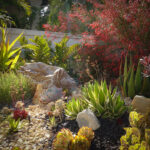
Native plants are perfectly adapted to your regional climate, soil, and weather patterns, meaning they require 60-80% less water, fertilizer, and pest control than exotic species. Installation costs are 50% lower than traditional landscaping ($2,000-4,000 per acre versus $7,800-14,825 for turf grass), and annual maintenance runs just $1,600-1,788 compared to $5,550-6,471 for conventional lawns.
Native wildflowers, grasses, and shrubs attract local pollinators while preventing erosion and filtering pollutants. Once established, these plants essentially care for themselves. Research native species in your region through local extension offices, native plant societies, or online resources. Gradually replace lawn sections with native plantings, and watch water bills and maintenance work decline dramatically.
8. Practice Succession Planting for Extended Harvests
Succession planting—sowing crops in staggered intervals—maximizes your garden’s productivity without additional expense. Rather than planting all lettuce, beans, or squash at once, sow new seeds every 2-3 weeks. This ensures continuous harvests throughout the season and prevents waste from everything maturing simultaneously. You’ll spend nothing extra while extending the productive season and increasing overall yield.
This technique works beautifully for fast-growing crops like lettuce, radishes, beans, and carrots. Mark planting dates on your calendar or phone, and dedicate 15 minutes every few weeks to sowing another small batch. Succession planting also helps manage pest populations naturally by avoiding the concentrated crop that attracts large pest infestations.
9. Save Seeds from Your Best Plants
Once you’ve grown heirloom or open-pollinated varieties, you can save seeds for next year—free plants forever. Allow the healthiest, most productive plants to flower and set seed. Once seeds mature and dry, harvest and store them in cool, dark conditions. Tomatoes, beans, squash, peppers, and lettuce are particularly easy to seed-save.
This practice deepens your connection to your garden, allows you to continually improve plant selection, and saves considerable money over years. A single tomato plant producing hundreds of seeds costs nothing to propagate compared to buying seed packets annually.
10. Install Drip Irrigation for Water-Efficient Watering
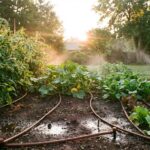
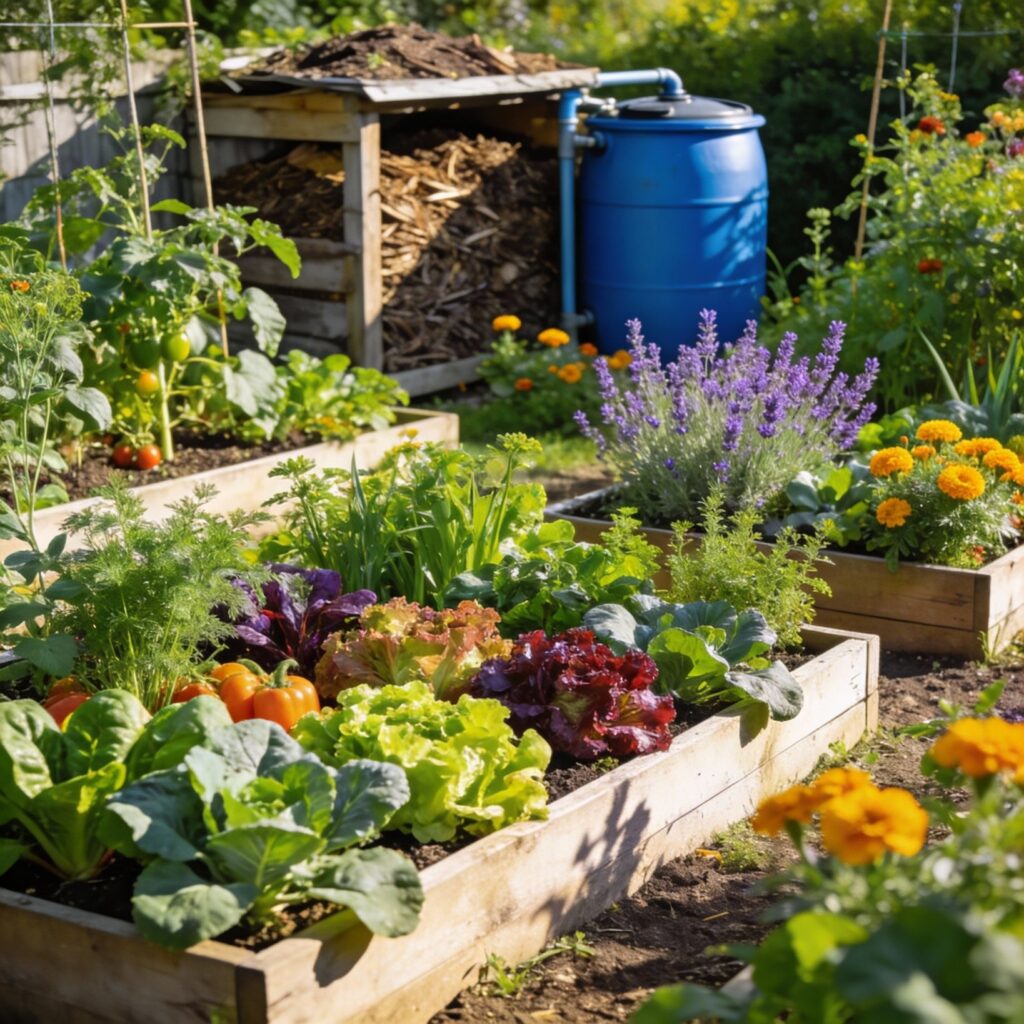
Hand-watering works but wastes water through evaporation and runoff. Drip irrigation systems deliver water directly to plant roots, reducing water use by 50% compared to sprinklers. While initial installation costs $100-300, the water savings quickly offset the investment, especially in drought-prone regions. DIY drip setups using soaker hoses and timers are affordable and simple.
Drip systems also prevent fungal diseases by keeping foliage dry, reduce weeds by watering only plant zones, and allow you to water less frequently. In areas with expensive water rates, drip irrigation pays for itself within 1-2 seasons.
11. Create a Perennial Herb Garden
Perennial herbs—rosemary, thyme, oregano, chives, and mint—provide years of harvests from a single initial investment. Unlike annual herbs requiring replanting yearly, perennials return stronger each season. A $3-5 herb starter develops into an abundant source of fresh culinary and medicinal herbs that would cost $30+ monthly if purchased at grocery stores.
Most perennial herbs tolerate poor soil, require minimal water once established, and reward you with fresh flavor while attracting pollinators. Plant them in a designated herb garden, along borders, or in containers near the kitchen for easy access.
12. Mulch Heavily to Reduce Watering
Applying 2-4 inches of mulch around plants dramatically improves soil moisture retention, meaning you water less frequently. Mulch also suppresses weeds, reducing backbreaking hand-weeding. This combination saves both water bills and labor time. As mulch decomposes, it enriches soil, gradually reducing fertilizer needs.
Since you’re sourcing mulch from free local materials (leaves, grass clippings, wood chips), this benefit costs virtually nothing while delivering measurable reductions in water consumption and maintenance work.
13. Grow Pollinator-Friendly Flowers
Bees, butterflies, and beneficial insects are essential for vegetable pollination and pest control. Planting pollinator-friendly flowers costs pennies per seed but provides tremendous ecological benefits. Lavender, coneflowers, zinnias, marigolds, sunflowers, and bee balm attract pollinators while adding visual beauty to your garden. Many flowering plants are edible or medicinal, adding another layer of value.
These flowers also provide “trap crops” that lure pests away from vegetables. The simple act of planting flowers improves yields, reduces pest damage, and creates a self-sustaining ecosystem.
14. Build Your Own Soil Amendments
Beyond composting, you can create nutrient-dense amendments from kitchen and yard waste. Fermented plant juice (soaking weeds in water for weeks) becomes a liquid fertilizer for vegetables. Coffee grounds add nitrogen. Crushed eggshells provide calcium. Wood ash from untreated wood adds potassium and micronutrients. Seaweed (if you live near the coast) is nutrient-rich and requires only collection time.
Learning to create these amendments from waste materials costs nothing while providing slow-release nutrition that chemical fertilizers can’t match.
15. Leverage Community Resources and Seed Swaps
Finally, don’t underestimate the gardening community. Seed libraries in libraries and community centers offer free seeds. Local gardening clubs organize seed swaps where members exchange surplus seeds. Neighbors often give away seedlings, mature plants, and gardening materials. Facebook Buy Nothing groups, Craigslist, and Nextdoor regularly feature free gardening supplies.
Attending local garden tours, workshops, and talks connects you with experienced gardeners willing to share knowledge, cuttings, and seeds. This community approach costs nothing while building friendships and expanding your gardening repertoire.
Frequently Asked Questions About Eco Friendly Garden Ideas that Save Money
Q: Can I really save money gardening organically?
A: Absolutely. While the initial setup requires investment, long-term costs are 50-75% lower than conventional gardening due to free compost, rainwater harvesting, and natural pest control. Most gardeners break even by year two.
Q: How much water can I save with rainwater harvesting?
A: A single water butt typically collects 50-100 gallons per rainfall event. Over a growing season, this translates to hundreds of gallons of free water—potentially 40-60% of total garden water needs.
Q: Is starting from seeds difficult?
A: No. Most seeds are forgiving. Start with easy varieties like tomatoes, beans, lettuce, and zucchini. Provide light, warmth, and moisture, and seeds germinate in 5-14 days. It’s truly beginner-friendly.
Q: When should I switch to native plants?
A: Start slowly by replacing one lawn section or garden bed at a time. This gradual transition prevents overwhelm and allows you to learn which native species thrive in your microclimate.
Q: How do I prevent pests without chemicals?
A: Companion planting, hand-removal, beneficial insect attraction, and crop rotation handle most pest issues naturally. Only 5-10% of insects are harmful; most are beneficial or neutral.
Eco-friendly gardening isn’t just an environmental statement—it’s a practical, economical approach to producing beautiful, healthy food and ornamental plants. By implementing these fifteen strategies, you’ll reduce expenses while building resilience into your growing system. Start with one or two ideas that appeal to you, master those, then expand. Within a season or two, your garden will thrive on a fraction of traditional costs, proving that sustainability and savings genuinely go hand in hand.

Asif Ali is a gardening blogger with over 2 years of experience writing about garden inspiration, eco-friendly gardening, and beautiful garden destinations. He focuses on practical, sustainable ideas that help beginners create inspiring gardens with ease.