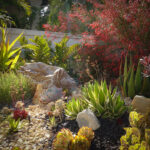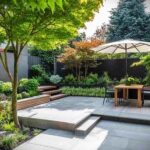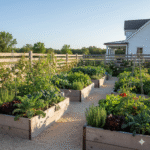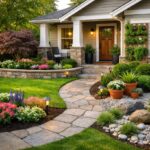
Creative Garden Design Ideas: Japanese Zen gardens represent one of the most compelling approaches to outdoor design, blending minimalism, philosophy, and natural beauty into spaces that promote calm and mindfulness. If you’re searching for creative garden design ideas, the principles of Japanese Zen aesthetics offer timeless solutions that work beautifully in modern backyards—whether you have sprawling acreage or a compact corner. This guide explores how to bring authentic Zen philosophy into your garden while creating a deeply personal sanctuary that reflects your unique style and lifestyle.
Understanding the Philosophy Behind Zen Garden Design
The foundation of every exceptional Zen garden lies in understanding its deeper purpose. Unlike traditional Western gardens that celebrate abundance and colorful displays, Japanese Zen gardens embrace restraint and contemplation. The word “Zen” itself comes from Buddhism, emphasizing meditation, simplicity, and harmony with nature. When exploring creative garden design ideas, this philosophical approach provides a framework that goes far beyond aesthetics.
At the heart of Zen garden design is the concept of “ma”—the power of empty space. This principle teaches that what you leave out matters just as much as what you include. In practical terms, this means avoiding overcrowding your garden with plants and structures, instead allowing each element room to breathe and be fully appreciated. This approach creates visual clarity and encourages visitors to slow down and become more mindful.
Seven core design principles guide traditional Zen gardens: austerity, simplicity, naturalness, asymmetry, mystery, the magical or unconventional, and stillness. These aren’t just design guidelines—they’re invitations to create spaces that nurture peace and reflection. When implementing creative garden design ideas based on these principles, you’ll naturally develop a garden that feels authentic and calming.
Essential Elements: The Building Blocks of Zen Gardens
Creating authentic creative garden design inspired by Zen philosophy requires understanding which elements to include. The traditional components create symbolic landscapes where every stone, path, and plant carries meaning and intention.
Rocks and Stones form the structural foundation of Zen gardens. These elements represent mountains, islands, permanence, and strength. Rather than scattering rocks randomly, they’re placed with careful consideration of their size, shape, and position. Large focal point stones anchor the composition, while smaller stones guide the eye and create visual interest. Weathered stones with moss or lichen are particularly valued because they embody the concept of “wabi-sabi”—the appreciation of imperfection and the passage of time.
Raked Gravel and Sand serve as the canvas of your Zen garden. Traditionally, fine Japanese sand or white gravel is meticulously raked into patterns that evoke flowing water, ripples, or waves. This daily or weekly raking becomes a meditative practice itself, creating a cycle of intentional maintenance that deepens your connection to the space. The visual effect is stunning: clean lines and geometric patterns that suggest movement and flow without using actual water.
Water Features bring life and sound to Zen gardens, though water isn’t always necessary. When included, it might be a still pond reflecting surrounding elements, a gentle fountain creating soothing sounds, or a shallow basin with floating leaves. In some gardens, the absence of water is deliberate—gravel and sand symbolize water’s movement, creating a “dry garden” aesthetic.
Plants and Moss add softness, texture, and seasonal interest while maintaining simplicity. Rather than filling beds with diverse species, Zen gardens typically feature just a few carefully chosen plants. Evergreens like bamboo, Japanese maples, and ferns provide year-round structure, while moss covers ground areas and stone surfaces, creating rich textures and suggesting age and authenticity.
Pathways and Bridges invite contemplative journeys through the garden. Stepping stones or gravel paths guide movement, while wooden bridges over water features become focal points and symbolic passages. These elements are never straight—curves and asymmetry create more engaging compositions that feel naturally organic.
Applying Asymmetry and Negative Space to Create Natural Balance
One of the most powerful creative garden design ideas from Japanese tradition is embracing asymmetry. Western gardens typically rely on symmetry and balanced pairs—two trees flanking an entrance, matching planters on either side of a path. Zen gardens reject this approach, instead using odd numbers and irregular arrangements that mimic nature.
Asymmetry in garden design creates curiosity and engagement. A single large stone positioned off-center draws the eye more effectively than two identical stones placed symmetrically. An arrangement of three rocks in varying sizes—one tall vertical, two smaller horizontal—creates visual rhythm and interest. This “rule of odd numbers” appears throughout Japanese design because it feels more natural and less contrived.
Negative space—the empty areas in your garden—deserves as much attention as planted areas. Think of negative space as the silence between musical notes or the white space in a painting. These breathing areas allow your eye to rest and help individual elements stand out more clearly. A large expanse of raked gravel beside a single carefully placed stone creates more impact than a densely planted bed.
Creating balance through asymmetry requires thoughtful placement of varying elements. Group plants in clusters, vary heights and textures, and ensure larger visual elements are balanced by open spaces rather than by identical opposing features.
Water Features: Bringing Life and Sound to Your Space
Water has always been central to Japanese garden design, symbolizing life, movement, renewal, and calm. For creative garden design ideas, water features offer flexibility—they can be substantial, like a pond with koi, or minimal, like a single basin catching rainfall.
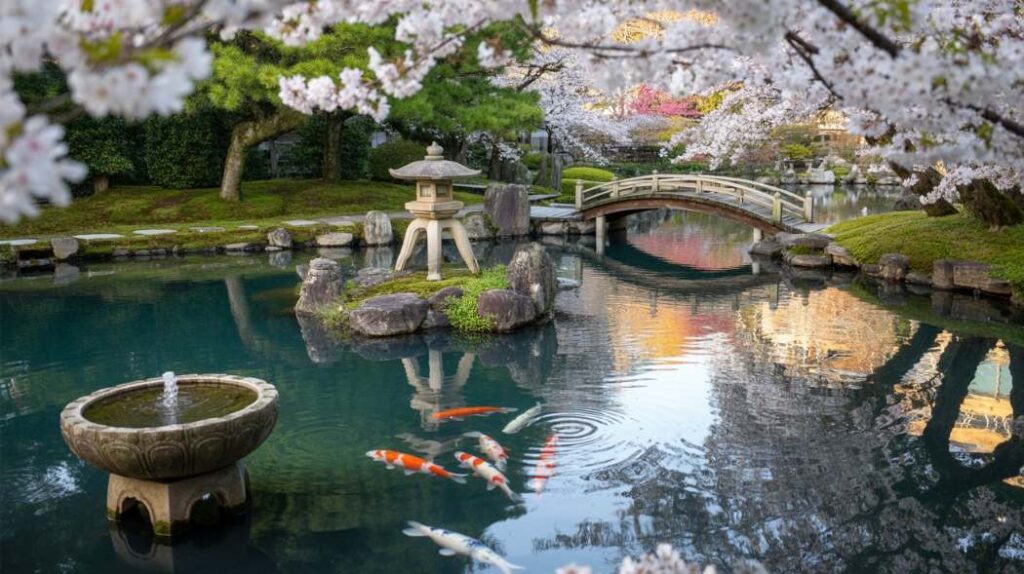
Ponds and Koi Pools serve as focal points and encourage contemplation. The still surface acts like a mirror, reflecting surrounding plants and sky. Koi fish add movement and color while symbolizing perseverance and good fortune in Japanese culture. If you’re working with limited space or budget, even a small shallow basin can provide the essential water element without requiring extensive construction.
Fountains and Water Basins provide soothing sound without the maintenance demands of larger water features. Traditional Japanese fountains might use a bamboo water feature called a “shishi-odoshi,” which creates rhythmic sounds as water fills and tips. Modern fountains can be more subtle—a simple recirculating system that requires minimal water consumption.
Streams and Waterfall Features add dynamic movement to larger gardens. If you’re incorporating water beyond a simple basin, consider how it moves through your space. Gentle streams winding through gravel beds or small waterfalls cascading over stones create both visual and auditory interest while maintaining the peaceful atmosphere essential to Zen design.
Plants That Embody Zen Aesthetics
When selecting plants for creative garden design inspired by Japanese tradition, think restraint. Instead of filling your garden with numerous species, choose plants that offer year-round interest, manageable sizes, and textures that complement your hardscape elements.
Japanese Maples are iconic choices, valued for their delicate leaves and sculptural branch structures. These shade-tolerant trees display stunning colors in spring and fall while remaining elegant during winter’s bare branches. Their graceful form works beautifully as focal points or background elements.
Bamboo provides vertical structure and privacy screening. Clumping bamboo varieties (rather than running types) are more manageable in smaller gardens. Bamboo represents strength and flexibility in Japanese culture, making it symbolically appropriate beyond its aesthetic appeal.
Moss deserves special attention as the quintessential Zen garden plant. These lush groundcovers thrive in shade and moist conditions where grasses struggle. Moss represents the passage of time and embodies “wabi-sabi” aesthetics. Varieties like hair cap moss and feather moss are particularly suited to rock garden applications.
Ornamental Grasses add movement and texture while requiring minimal maintenance. Species like Japanese forest grass create a fountain-like effect and perform well in partial shade.
Hostas, Ferns, and Evergreen Shrubs round out plant selections with varied textures and colors. These shade-tolerant plants are ideal if your garden has limited sunlight.
Succulents offer budget-friendly options for drought-tolerant gardens. Sedums, sempervivums, and other hardy succulents provide color and structure with minimal water requirements.
Budget-Friendly Approaches to Creative Garden Design
Creating authentic creative garden design ideas doesn’t require significant financial investment. Many beautiful Zen gardens are built with recycled materials and simple, readily available elements.
Gravel and Pebbles form the foundation of many budget-friendly projects. Fine gravel ($10-30 for a 50-pound bag) creates the essential base for raking patterns. River stones and pebbles are often available locally at landscape supply yards, reducing shipping costs.
Recycled and Reclaimed Materials add character while keeping costs down. Reclaimed wood can be crafted into stepping stones, benches, or borders. Old bricks, stones found on your property, or materials from Facebook Marketplace and Habitat for Humanity Restore often provide beautiful, weathered elements perfect for Zen aesthetics.
DIY Stepping Stones can be created with concrete mix and simple molds, allowing you to customize size and shape. Garden stepping stones typically cost $2-8 each when DIY, compared to $10-20 each when purchased.
Container Zen Gardens offer a perfect solution for small spaces or renters. A large bowl, shallow planter, or wooden box filled with fine sand, a few small rocks, and miniature plants creates an authentic Zen experience in minimal space.
Free and Low-Cost Plant Options include propagating existing plants, collecting stones from natural areas (always check local regulations), or visiting plant swaps in your community. Moss often grows naturally in existing gardens and can be encouraged with proper moisture.
15 Top Flower Gardens in USA You Must Visit Once in Your Life
Creating a Zen Garden in Small Spaces
Limited space need not prevent you from implementing creative garden design inspired by Japanese aesthetics. Many of the most powerful Zen gardens occupy just a few hundred square feet.
Container Zen Gardens work beautifully on balconies, patios, and small courtyards. Fill a shallow ceramic bowl or wooden box with fine sand or gravel, add three to five carefully chosen rocks, incorporate a miniature plant (like a small bonsai or succulent), and rake patterns with a small rake. This approach delivers authentic Zen aesthetics in a portable, manageable format.
Pocket Zen Gardens tuck into unexpected locations—beneath a window, in an entryway, or along a narrow pathway. A simple composition of stepping stones, moss groundcover, and one focal plant creates visual interest without requiring extensive space.
Vertical Elements make efficient use of limited areas. A bamboo screen, climbing vine-covered trellis, or wall-mounted planter draws the eye upward and adds dimension to small spaces.
Strategic Plant Placement transforms tiny yards into peaceful retreats. A single specimen tree, moss groundcover, carefully placed stones, and open gravel areas create satisfying compositions even in compact dimensions.
The Portland Japanese Garden: An American Masterpiece
For practical inspiration, the Portland Japanese Garden stands as the most authentic Japanese garden outside Japan. Located in Portland, Oregon’s Washington Park, this 12.5-acre sanctuary demonstrates how Zen principles translate beautifully to American landscapes.
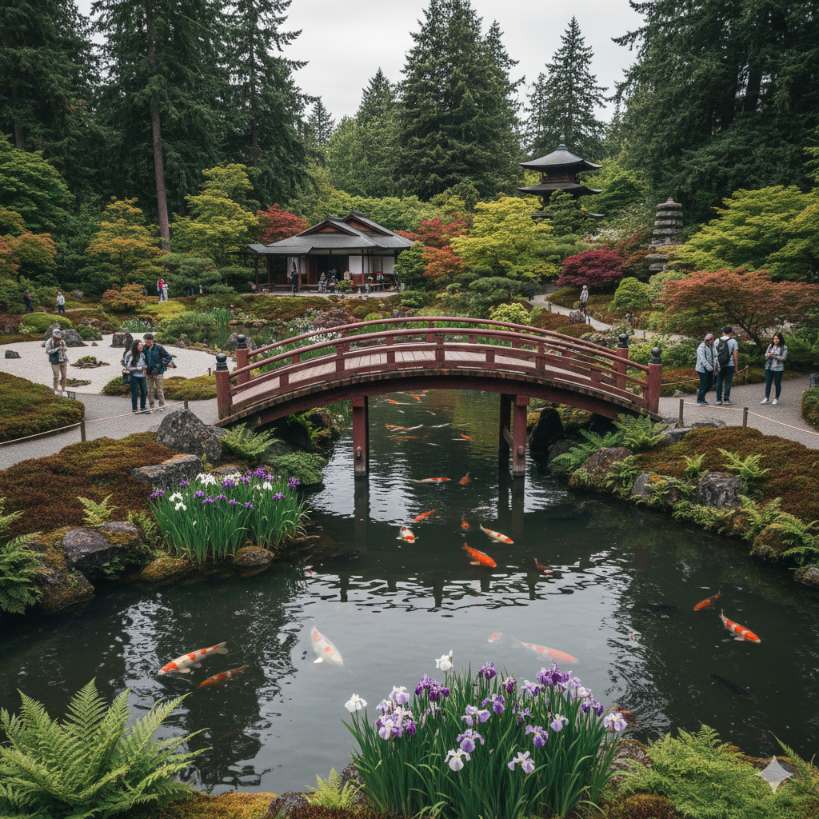
The garden encompasses eight distinct Japanese garden styles, each showcasing different design approaches. The Tea Garden features a stone pathway designed to help visitors shed worldly concerns as they approach the tea house. The Sand and Stone Garden exemplifies the dry landscape aesthetic with carefully raked sand and strategically placed boulders. The Stroll Pond Garden includes a moon bridge spanning the upper pond and a zig-zag bridge over the lower pond, featuring Japanese iris and the famous koi-filled waters.
Designed by Professor Takuma Tono in 1963 and opened to the public in 1967, the Portland Japanese Garden welcomes over 400,000 visitors annually. The garden was created as a healing gesture toward Japanese-American reconciliation after World War II, transforming resistance and prejudice into one of Oregon’s most beloved spaces.
What makes the Portland Japanese Garden particularly instructive for creative garden design is its thoughtful integration of Pacific Northwest native plants with traditional Japanese aesthetics. Trilliums, bleeding hearts, and native maples blend seamlessly with Japanese specimens, proving that authentic Zen principles work across different climates and ecological contexts.
Wabi-Sabi: Finding Beauty in Imperfection
The Japanese aesthetic of “wabi-sabi” offers profound creative garden design ideas by celebrating imperfection, impermanence, and authenticity. This philosophy encourages gardeners to embrace weathered materials, aged patina, and natural decay rather than fighting against them.
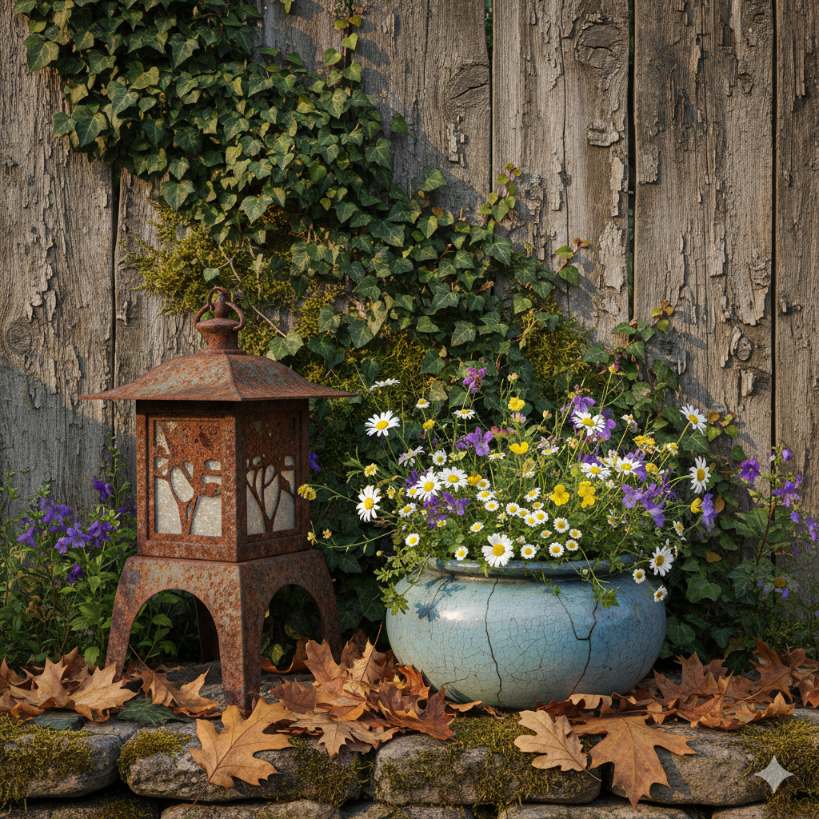
In wabi-sabi gardens, a weathered wooden fence covered in climbing vines is more beautiful than a pristine fence. Moss-covered stones are more valued than polished rocks. Plants growing slightly wild at garden edges are more authentic than perfectly trimmed specimens. Fallen leaves rest where they fall rather than being immediately swept away, enriching the soil and contributing to the garden’s life cycle.
Practically applying wabi-sabi means allowing your garden to evolve naturally over seasons and years. Rust on old metal tools becomes character rather than deterioration. Cracks in ceramic vessels develop patina and depth. Self-seeding plants establish their own corners of the garden, creating natural abundance within restraint.
This approach is profoundly sustainable and low-maintenance. Rather than constantly fighting nature’s tendencies, you work with them. Plants disperse their own seeds, moss grows where conditions permit, and materials age gracefully. The result is a garden that becomes more beautiful and interesting with time, embodying wisdom rather than demanding endless effort.
Practical Steps to Design Your Zen Garden
Begin your creative garden design journey by assessing your current space. Walk around your yard at different times of day, noting sun exposure, existing plants, water sources, and natural focal points. Identify areas that feel peaceful and areas that feel chaotic. Consider how you’ll move through the space and where you’d like to sit and contemplate.
Sketch Your Vision using simple pencil drawings. You don’t need architectural skills—rough outlines of planting areas, hardscape elements, and pathways help clarify your ideas. Include notes about existing features you’ll keep and areas you’ll redesign. This planning phase costs nothing but saves money later by preventing costly mistakes.
Start Small with manageable projects. Create one garden area first—perhaps a sand and stone garden in a specific corner or a container Zen garden on your patio. Once you’ve established your style and practice maintaining this area, expand to additional zones.
Source Materials Locally to reduce costs and environmental impact. Visit local nurseries for plants acclimated to your climate. Check landscape supply yards for stone and gravel in person, where you can assess quality before committing. Browse Facebook Marketplace, Craigslist, and local estate sales for reclaimed materials.
Establish a Maintenance Routine aligned with Zen principles. Raking gravel patterns, gentle pruning, and removing weeds become meditative practices rather than chores. Many gardeners find that spending 15-30 minutes weekly in their Zen garden provides mental clarity and stress relief far beyond the maintenance effort.
Incorporate Water Mindfully whether through active features like fountains or symbolic representations through raked gravel patterns. If you include actual water, ensure it’s recirculated and maintained clean—stagnant water contradicts Zen’s emphasis on living, flowing energy.
Frequently Asked Questions About Creative Zen Garden Design
How much space do I need for a Zen garden?
You need remarkably little space. Container Zen gardens work on windowsills, balconies, or desks. Outdoor Zen gardens can be effective in spaces as small as 10 by 10 feet. Even in a small yard or apartment building courtyard, you can create a meaningful Zen retreat.
Can I include flowers in a Zen garden?
Traditional Zen gardens minimize flowers, but modern interpretations thoughtfully include subtle blooms. Choose colors that don’t overwhelm—soft whites, pale purples, or muted greens work beautifully. Avoid bright, cheerful flowers that contradict the contemplative mood.
How often should I rake the gravel in my Zen garden?
Traditional practice involves daily or weekly raking to maintain clear patterns. However, you can establish a rhythm that suits your schedule—some gardeners rake several times weekly, others weekly or monthly. The important aspect is the mindful practice itself rather than perfection.
What’s the best time of year to build a Zen garden?
Spring and early fall offer ideal conditions for planting and landscaping work. However, you can build a Zen garden any time your ground isn’t frozen, making it a flexible project. Container Zen gardens can be created any time.
How do I deal with weeds in a Zen garden?
Preventative measures include thick mulch layers, landscape fabric beneath gravel, and densely planted moss groundcover. Regular light maintenance removes weeds before they establish. Some gardeners view small weeds as part of the organic, imperfect aesthetic—a very wabi-sabi approach.
Can Zen gardens work in hot, dry climates?
Absolutely. Replace moss with xeriscaping plants like blue fescue and ornamental grasses. Use drought-tolerant specimens like yucca and sedum. Water features might be limited to symbolic representation through raked gravel patterns. Many stunning Zen gardens thrive in arid regions.
How much does a Zen garden cost?
Budget-friendly Zen gardens can be created for $100-300, using recycled materials and low-cost plants. Mid-range gardens cost $500-1,500 with quality stone and some professional help. Elaborate gardens with water features, imported stone, and professional design might run several thousand dollars.
Creating authentic creative garden design inspired by Japanese Zen gardens invites you into a practice of mindfulness and intentional living. These aren’t just beautiful spaces—they’re tools for cultivating peace, clarity, and deeper connection to nature. Whether you’re working with grand acreage or a tiny balcony, the principles of restraint, asymmetry, and contemplation can transform your outdoor space into a sanctuary that nurtures your spirit and delights your senses for years to come.

Asif Ali is a gardening blogger with over 2 years of experience writing about garden inspiration, eco-friendly gardening, and beautiful garden destinations. He focuses on practical, sustainable ideas that help beginners create inspiring gardens with ease.