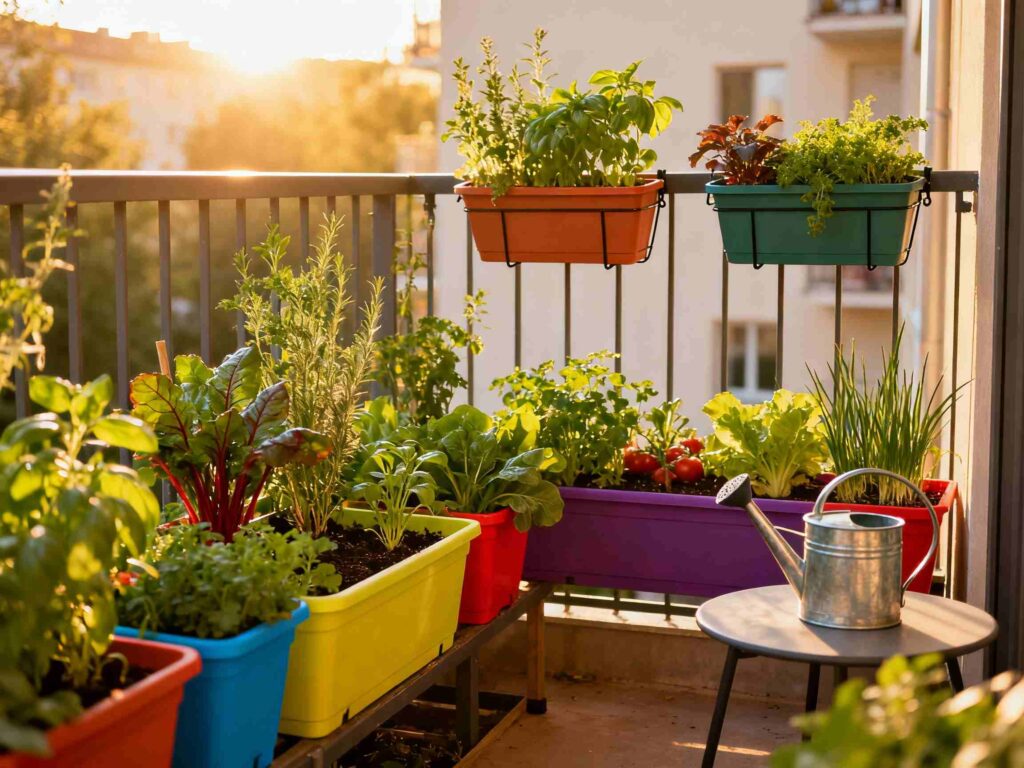
Container Gardening Tips For Small Apartments: If you think you need a sprawling backyard to grow your own vegetables and herbs, think again. Living in a small apartment doesn’t have to mean saying goodbye to the joy of gardening. Container gardening is one of the most practical and rewarding ways to bring fresh greenery, homegrown vegetables, and fragrant herbs right to your balcony, patio, or even a sunny windowsill. Whether you have a tiny space or absolutely no yard at all, this guide will walk you through everything you need to know to start your first container garden—and actually keep it thriving.
Understanding Why Container Gardening Works for Apartments
Container gardening isn’t just a compromise for apartment dwellers—it’s actually an ideal growing method for small spaces. The beauty of this approach is that you get complete control over your growing environment. Unlike traditional in-ground gardens where you’re stuck with whatever soil nature gave you, containers let you choose exactly what goes in the soil, adjust moisture levels precisely, and move plants around based on light conditions or your changing needs.
When you’re gardening in an apartment, flexibility is everything. If that corner of your balcony doesn’t get enough sun, you can simply move your pots to a sunnier spot. If a plant isn’t thriving, you can isolate it without affecting your entire garden. The limited space also means less maintenance overall—you’re managing a few pots rather than a sprawling garden bed, which is perfect for busy city living. Plus, container gardens are renter-friendly. You don’t have to worry about permanently altering your space, and you can take your garden with you if you move.
Choosing the Right Containers for Your Space
The first step in setting up a successful container garden is picking appropriate vessels for your plants. The most important rule here is simple: your container must have drainage holes in the bottom. This cannot be overstated. Without proper drainage, water sits in the soil, suffocating roots and causing rot, fungal diseases, and ultimately, dead plants. If you find a beautiful pot without drainage holes, you can always drill some yourself or use it as a decorative outer pot with a draining container inside.
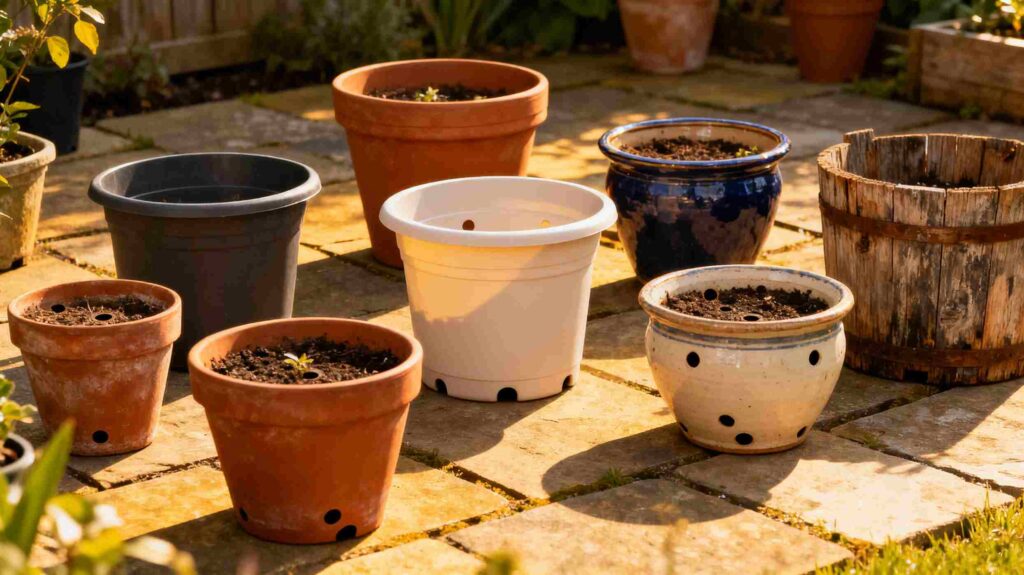
When it comes to container materials, you have several budget-friendly options. Terracotta pots are classic and breathable, allowing air to pass through the walls, which is great for preventing waterlogging. However, they dry out faster, which means you’ll need to water more frequently—something to consider if you have an unpredictable watering schedule. Plastic containers are lighter, more affordable, and retain moisture longer, making them ideal for hot climates or if you can’t water daily. Ceramic pots offer aesthetic appeal but tend to be pricier.
Here’s a clever money-saving tip many apartment gardeners don’t realize: you can repurpose containers you already have at home. Old yogurt cups, quart-sized mason jars with rocks at the bottom for drainage, five-gallon buckets with drilled holes, wooden crates lined with fabric, and even plastic storage bins can all work beautifully. Just ensure they’re clean and have adequate drainage. The key is choosing the right size for your plants—herbs and lettuce thrive in smaller pots with four to six inches of soil, while tomatoes, peppers, and fruiting vegetables need deeper containers, ideally 12 inches or more.
Container Gardening Tips For Small Apartments: Getting Your Soil Mix Right
The second most critical factor in container gardening success is using the right potting mix. This is where many beginners make their first mistake: using regular garden soil from their yard or a friend’s backyard. Garden soil is too heavy, compacts easily in containers, drains poorly, and suffocates plant roots. It’s not worth the money you’d save.
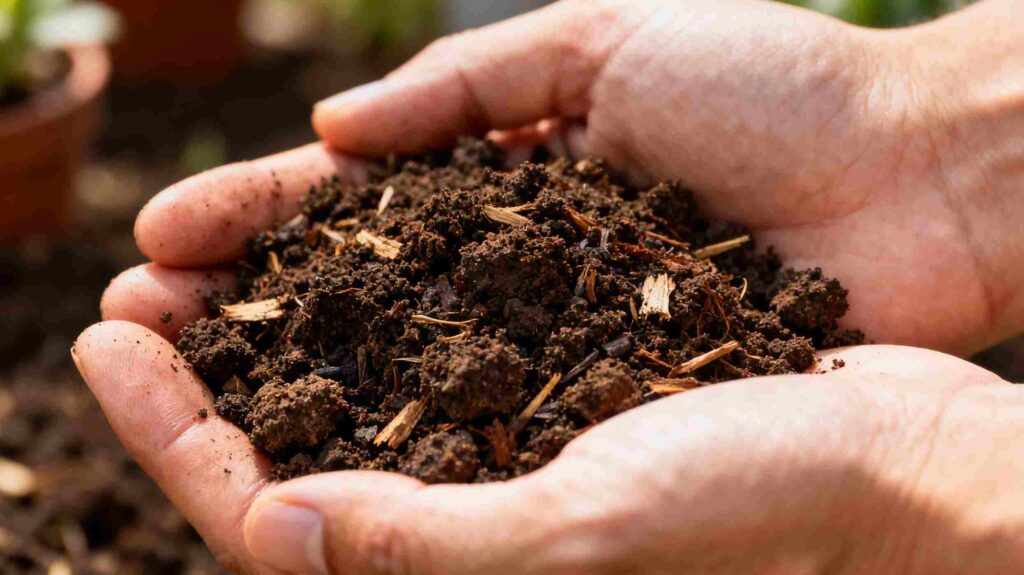
Instead, invest in a quality potting mix specifically formulated for containers. These are lighter, airier, and designed to drain well while still retaining enough moisture for your plants to access water. Look for mixes that contain peat moss, coco coir, perlite, or vermiculite. If you want to make your own mix to save money, a simple recipe is 60% compost or peat moss, 30% bark or coconut coir, and 10% perlite or vermiculite. This combination provides good drainage while maintaining some moisture and nutrient retention.
A high-quality potting mix often comes pre-amended with slow-release fertilizer, which means your plants will have an initial nutrient boost. This is why you shouldn’t start fertilizing right away—wait three weeks after planting before adding additional nutrients. After that initial period, nutrients get depleted through regular watering and plant uptake, so ongoing fertilization becomes necessary.
Understanding Your Light Conditions
Before you buy a single plant, spend a few days observing your apartment’s light situation. Most edible plants—tomatoes, peppers, herbs, and leafy greens—need at least four to six hours of direct sunlight daily, with many fruiting vegetables preferring six to eight hours. Check how much sun your balcony, patio, or windowsill receives at different times of day. If your space faces south or east, you’re in good shape. North-facing spaces get limited light, and west-facing areas can get intensely hot afternoon sun that might scorch delicate plants.
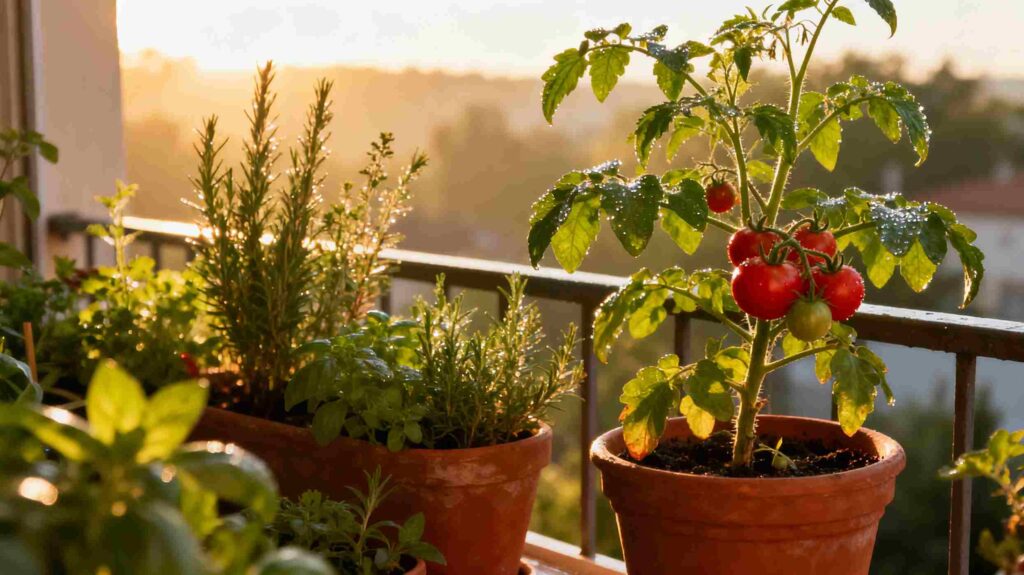
Not all is lost if you have a shadier spot. Leafy greens like lettuce, spinach, and kale tolerate partial shade and can produce well with just three to four hours of decent light. Herbs like mint, parsley, and cilantro are also forgiving with lower light levels. Shade-tolerant plants like ferns and certain houseplants (though not edible producers) do fine in even lower light. The point is: choose your plants based on the actual light your space receives, not what you wish it had.
Selecting the Best Plants for Apartment Gardening
When you’re starting out, it’s tempting to grow everything. Resist that urge and instead focus on plants that are genuinely beginner-friendly and that you’ll actually use regularly. The best container garden is one that produces food or beauty you value.
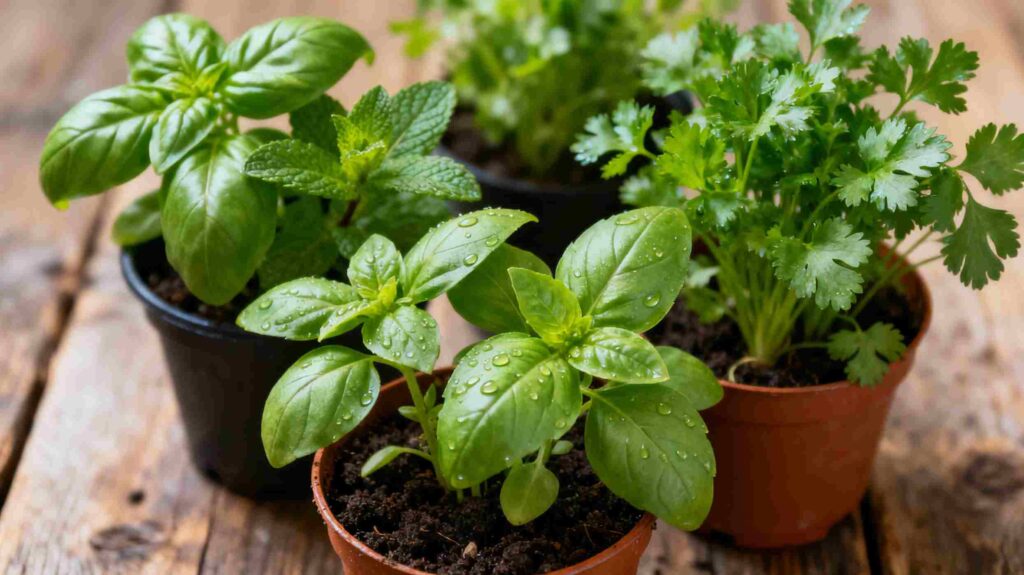
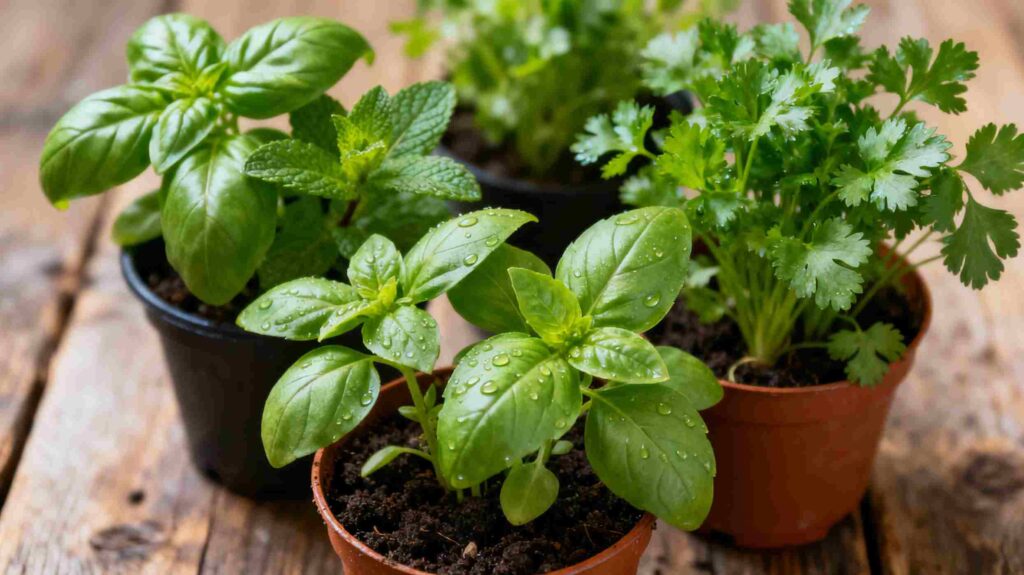
For herbs, basil, mint, parsley, cilantro, thyme, rosemary, chives, and oregano are incredibly reliable. Herbs often cost a lot at grocery stores, so growing them saves money while giving you fresh flavors for cooking. They tolerate container life well and don’t need huge pots—most do fine in six to eight inch containers.
For vegetables, cherry tomatoes are a classic apartment choice because they produce abundantly in containers and take up relatively little space, especially if you choose compact varieties like ‘Tiny Tim’ or ‘Tumbling Tom’. Sweet peppers, hot peppers, and eggplant all thrive in pots with proper sun and warmth. Leafy greens like lettuce, spinach, and arugula are quick-growing and productive, perfect if you want regular harvests. Radishes and green onions are speedy growers that deliver results in three to four weeks, which is psychologically rewarding when you’re new to gardening. Zucchini can work in larger containers if you have space.
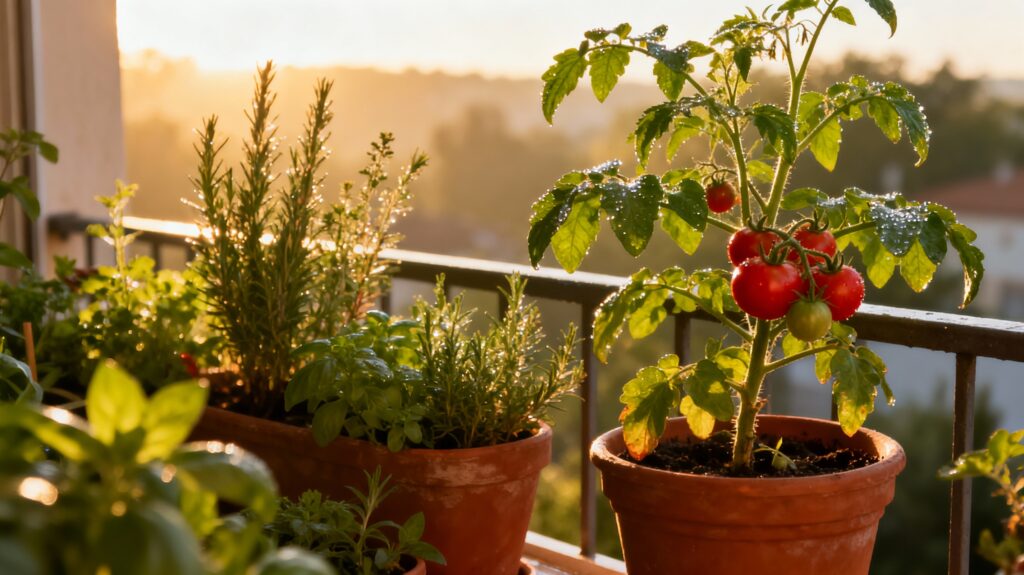
For flowers, marigolds, petunias, geraniums, and pansies add color and low-maintenance beauty. Marigolds actually help repel some garden pests, and many are edible too, adding visual appeal to salads.
Mastering the Watering Routine
Proper watering is where most apartment gardeners either lose their plants or waste tons of water. Container plants dry out much faster than in-ground plants, especially in hot weather or with porous materials like terracotta. However, overwatering is actually more common and more deadly than underwatering.
The best approach is the “finger test”: stick your finger about an inch into the soil. If it feels dry at that depth, it’s time to water. If it still feels moist, wait another day. This simple habit prevents both problems. When you do water, water deeply and thoroughly until water drains from the bottom holes—this ensures the entire root zone gets moisture and helps flush out any salt buildup. Water at the soil level, not on the leaves, to prevent fungal diseases and mildew.
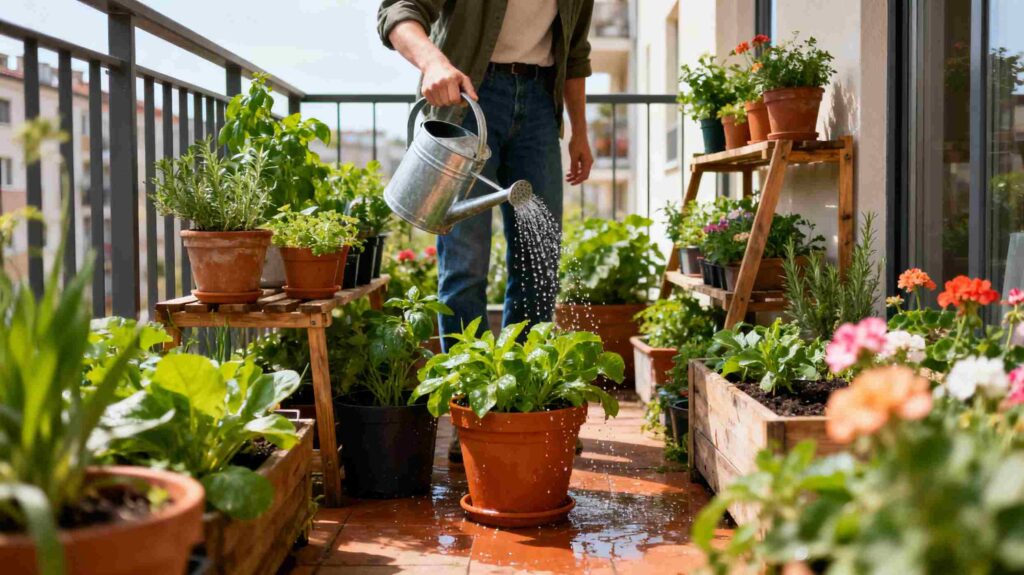
Timing matters too. Water in the early morning, ideally as soon as you can. This gives plants plenty of moisture to get through the hot afternoon and allows foliage to dry by evening, reducing disease risk. Avoid watering in the scorching midday sun when water evaporates quickly, and be cautious about watering very late in the evening when wet leaves sitting overnight can encourage mold and slugs.
During hot, sunny periods, you might need to water daily—or even twice daily for smaller pots in intense heat. In cooler months or during rainy seasons, you’ll water less frequently. The key is paying attention to your specific plants and conditions, not following a rigid calendar.
Fertilizing for Strong, Productive Plants
This is crucial: container plants need regular fertilization because they can’t access nutrients from surrounding soil like ground-planted vegetables can. Frequent watering also leaches nutrients away, meaning your plants need supplemental feeding throughout the growing season.
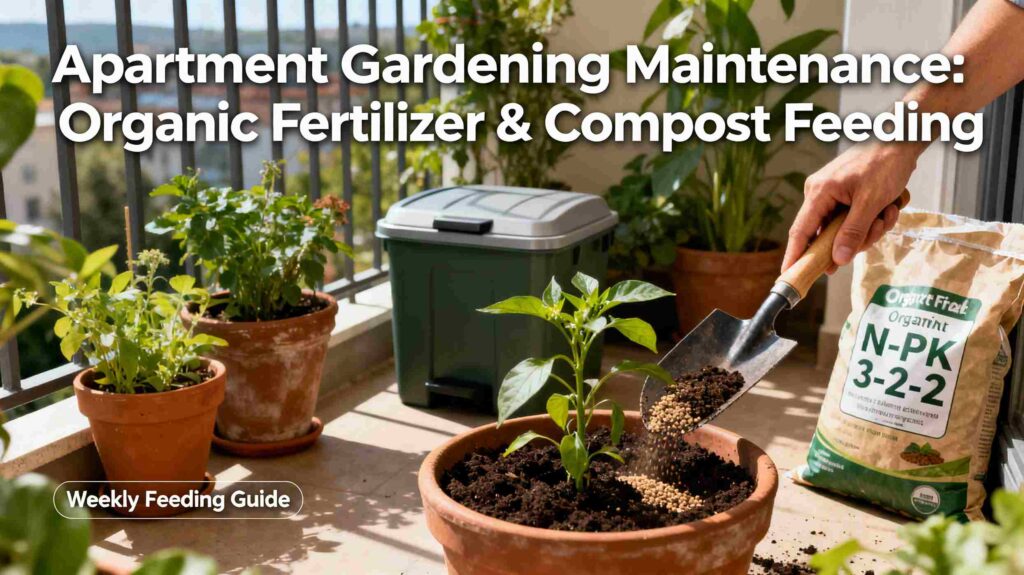
If your potting mix includes compost, hold off on fertilizing for the first two to three weeks after planting. After that initial period, container plants generally need feeding every two to four weeks. For heavy feeders like tomatoes and peppers, some gardeners fertilize every week at half strength, which works well because it keeps nutrients consistently available without risking nutrient burn.
You have several fertilizer options. Water-soluble fertilizers are convenient—just mix according to label directions and apply like you’re watering. Organic options like fish emulsion and seaweed extract work well and provide additional micronutrients. Slow-release fertilizers mixed into the soil at planting time gradually release nutrients over months, reducing how often you need to fertilize. Granular organic fertilizers work too, though they take time to break down.
The best choice depends on your preference, but avoid over-fertilizing. More is not better. A balanced, organic fertilizer (like a 10-10-10 NPK ratio) works well for most vegetables and herbs. If you’re growing heavy feeders like fruiting vegetables, you might switch to something higher in phosphorus and potassium once flowering begins to encourage fruit production rather than excessive leaf growth.
Preventing and Managing Common Pests
The good news: pests are generally less of a problem in apartment container gardens than in ground gardens, mainly because you have more control over the environment and fewer pest sources nearby. However, they can still happen.
Common container garden pests include aphids, spider mites, whiteflies, mealybugs, and fungus gnats. Regularly inspect your plants, especially the undersides of leaves where many pests hide. If you spot pests early, they’re easier to manage.
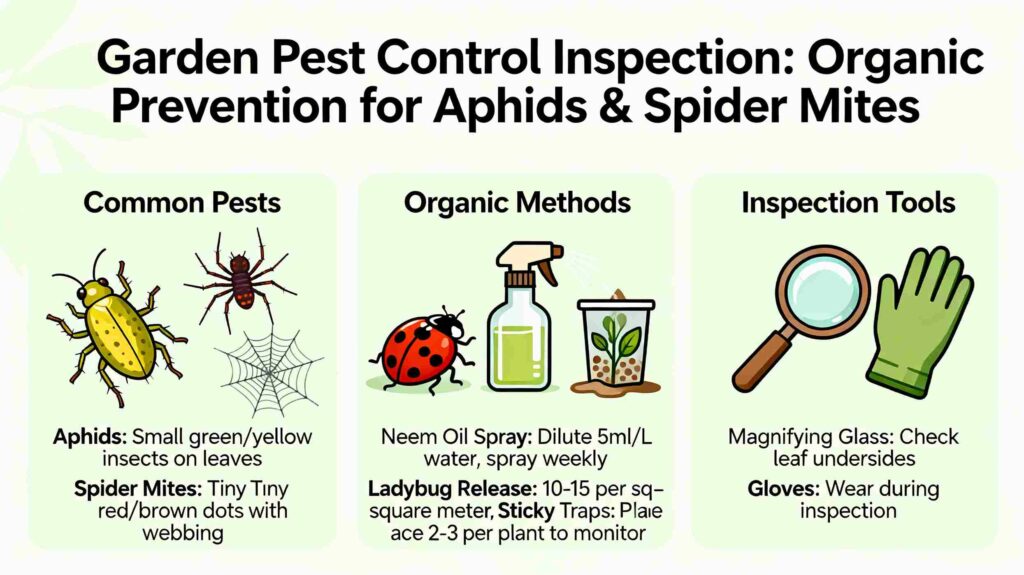
The safest and most effective approach for apartments is using organic, non-toxic methods. Insecticidal soaps work well against soft-bodied insects like aphids and whiteflies—simply spray affected areas and rinse after a few hours. Neem oil is a natural pesticide that disrupts pest life cycles without harming beneficial insects or your home. You can also make a simple spray with neem oil and water.
Companion planting helps prevent pests naturally. Growing basil near tomatoes repels some insects, marigolds deter aphids, and mint in nearby containers can help too. Keeping your plants healthy and stress-free is the best defense—stressed plants attract more pests, so proper watering, fertilizing, and adequate light go a long way.
If you notice fungal issues like powdery mildew or leaf spots, ensure good air circulation between containers, avoid wetting foliage when watering, and remove affected leaves. Good spacing and proper watering practices prevent most fungal problems before they start.
Seasonal Adjustments and Year-Round Gardening
Container gardening can be adapted for different seasons. In spring and summer, most vegetables and herbs thrive with plenty of light and warmth. In fall and winter, you might shift to cool-season crops like spinach, kale, lettuce, and arugula, which actually prefer lower light and cooler temperatures.
Winter gardening in an apartment is possible, even in cold climates. Move containers to the sunniest window available. Cold-hardy plants like kale, spinach, and various herbs can continue producing even with reduced daylight and lower temperatures. In very cold climates, you might bring containers inside to a sunny window—many herbs do surprisingly well indoors under good light.
As seasons change, also adjust your watering frequency. Summer heat means more frequent watering. Winter and rainy periods mean less. Pay attention to your specific microclimate, which changes throughout the year as the sun’s angle shifts.
Budget-Friendly Container Gardening Tips For Small Apartments
You don’t need to spend hundreds of dollars to start a productive container garden. Here’s a realistic budget breakdown:
Containers: Use recycled items you have at home or buy basic plastic pots in bulk (around $1-3 each). Five to ten containers is a good starting number. Total: $0-30.
Potting mix: One large bag of quality potting mix (usually 20-40 liters) costs $5-15 and fills multiple containers. Total: $10-20.
Seeds and plants: Seed packets cost $1-3 each, while seedlings from a nursery cost $2-5 each. Start with 5-10 plants. Total: $15-30.
Basic tools: A small trowel, gardening gloves, and watering can cost $10-15 total or less if you improvise.
Fertilizer: A bag of organic fertilizer lasts all season and costs $5-10.
Total initial investment: $40-105 for a decent starter setup.
Many experienced gardeners also make their own potting mix using bulk components like coco coir, compost, and perlite, which costs even less. Some neighborhoods even offer free compost or soil. Start small and expand gradually as you gain confidence—this approach saves money and prevents overwhelm.
Frequently Asked Questions About Container Gardening Tips For Small Apartments
How often should I water my container garden?
This depends on your climate, pot material, and plant type. The finger test is your best guide—check soil moisture daily and water when the top inch feels dry. Most container plants need water every one to two days in warm weather, less frequently in cool seasons.
Can I grow vegetables in containers if I live in an apartment with limited sun?
Yes, but choose sun-tolerant crops. Leafy greens, herbs, and some root vegetables do well with four to six hours of light. Full-sun vegetables like tomatoes need six to eight hours minimum.
What’s the difference between potting mix and garden soil?
Potting mix is light, airy, and drains well—perfect for containers. Garden soil is heavy, compacts easily, and drains poorly in pots, often leading to root rot. Always use potting mix for container gardening.
How do I prevent pests without chemicals?
Regular inspection, companion planting, organic insecticidal soap, neem oil, and maintaining healthy plants through proper care are all effective non-toxic methods.
When should I start fertilizing my container plants?
Wait two to three weeks after planting if your potting mix includes compost. After that, fertilize every two to four weeks with an organic fertilizer.
Can I use tap water for my container plants?
Generally yes, but if your tap water is heavily chlorinated or you live in an area with hard water, letting it sit overnight before using allows chlorine to dissipate. Rainwater is ideal if you can collect it.
What’s the best temperature for container gardening on an apartment balcony?
Most vegetables and herbs prefer temperatures between 60-75°F. In summer heat above 85°F, water more frequently and provide afternoon shade for delicate plants. In winter, most warm-season plants won’t survive freezing temperatures—bring containers inside or plant cold-hardy varieties.
How deep does my container need to be?
Herbs and lettuce need four to six inches. Peppers and eggplant need eight to twelve inches. Tomatoes need twelve to eighteen inches or deeper. Shallow-rooted plants can go in smaller pots, while deep-rooted vegetables need more room.
Starting Your Container Gardening Tips For Small Apartments This Week
The best time to start a container garden is now, regardless of the season. Begin by observing your space—how much light does each area get? Pick one to three beginner-friendly plants that you’ll actually eat or enjoy. Grab some containers with drainage holes and quality potting mix. Plant, water carefully, and watch your garden grow.
Container gardening teaches you how plants really work. You’ll quickly learn to read what your plants need by their appearance, adjust your watering and feeding based on what you observe, and gain genuine satisfaction from growing something with your own hands in a small space. Start small, be patient with yourself, and expand as you build confidence. Within a few weeks, you’ll be harvesting fresh herbs or picking cherry tomatoes right from your apartment balcony—proof that you don’t need a backyard to be a successful gardener.

Asif Ali is a gardening blogger with over 2 years of experience writing about garden inspiration, eco-friendly gardening, and beautiful garden destinations. He focuses on practical, sustainable ideas that help beginners create inspiring gardens with ease.