Summary
Best gardening tools for beginners: Starting a garden doesn’t require expensive equipment or overwhelming tool collections. New gardeners thrive with a focused selection of essential tools that accomplish the most common tasks: digging, planting, watering, pruning, and weeding. This guide covers the nine must-have gardening tools for beginners, helping you build a practical toolkit that improves efficiency, protects your plants, and makes gardening genuinely enjoyable rather than stressful.
What Tools Do You Really Need to Start Gardening?
Beginning a garden can feel overwhelming, especially when you walk into a garden center and see shelves packed with hundreds of specialized tools. The truth is: you don’t need all of them. Most beginners succeed with a small, carefully selected toolkit that focuses on versatility and practicality. The right tools save time, reduce physical strain, and produce better results than trying to improvise with inappropriate equipment.
When choosing beginner gardening tools, prioritize items that serve multiple purposes and address the core tasks of gardening: soil preparation, planting, maintenance, and watering. Investing in quality basics from the start prevents frustration and expense in the long run. A durable tool might cost slightly more initially, but it will serve you for years, unlike cheaply made alternatives that rust or break after a season.
9 Essential Best Gardening Tools for Beginners
1. Hand Trowel: The Foundation of Beginner Gardening
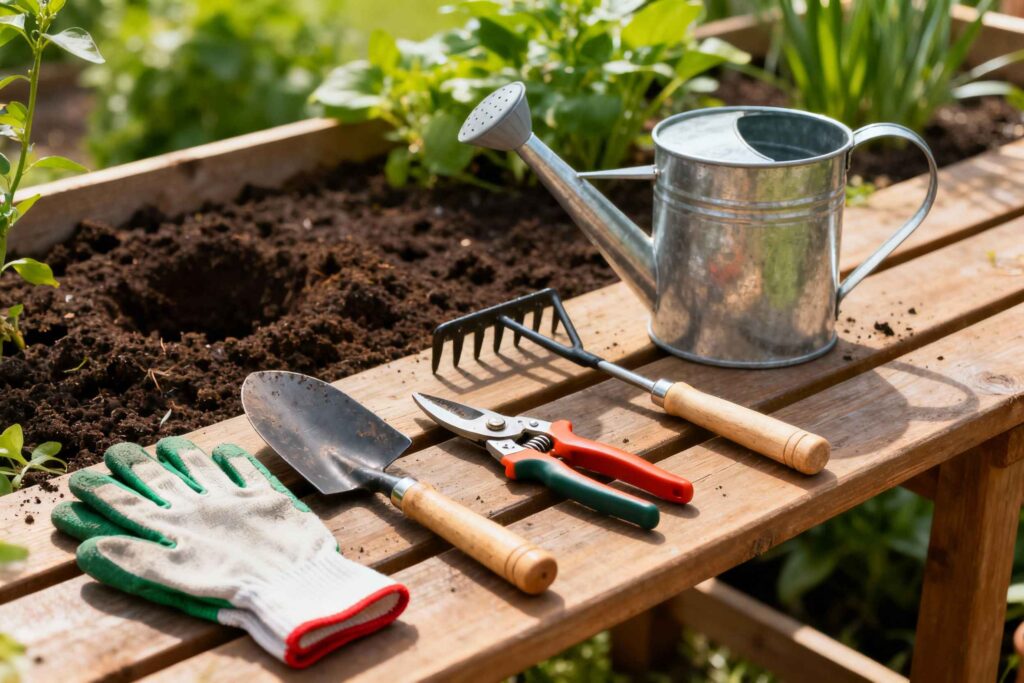
A hand trowel is arguably the single most important tool for any beginner gardener. This versatile small digger serves multiple purposes: digging small holes for seedlings, transplanting plants, scooping soil into containers, and even cutting through stubborn weeds and roots. Look for a trowel with a sharp, wide blade and a comfortable, non-slip handle—these features make work easier and reduce hand fatigue during extended gardening sessions.
The best hand trowels feature stainless steel blades with built-in measurement markings to help you plant seeds and bulbs at the correct depth. Ergonomic design matters more than you might think; a poorly designed trowel can strain your wrists and hands. Expect to spend $10–$25 on a quality hand trowel that will last several seasons.
2. Pruning Shears: Essential for Plant Health
Pruning shears (also called hand pruners or secateurs) are vital for maintaining healthy plants. These tools trim dead or diseased branches, encourage new growth, and shape plants to your desired appearance. Sharp pruning shears make clean cuts that prevent plant disease, while dull ones can crush stems and create entry points for pathogens.
When selecting pruning shears, choose bypass pruners over anvil pruners—bypass models make cleaner cuts and are gentler on plants. Look for spring-loaded handles that reduce hand strain, lightweight construction for easy maneuverability around delicate foliage, and non-slip grips for safety. Quality pruning shears typically cost $15–$30 and can last many years with proper maintenance.
3. Garden Gloves: Protection and Confidence
Gardening gloves protect your hands from thorns, dirt, irritants, and harsh tools while providing better grip when handling wet or muddy equipment. They boost confidence when working with unfamiliar plants and reduce the time spent cleaning hands afterward. Beginners often underestimate glove importance, but they genuinely transform the gardening experience.
Select gloves made from breathable, durable materials like cotton blends or leather for rough work. Ensure they fit snugly but comfortably—oversized gloves slip off and reduce dexterity, while too-tight gloves restrict movement and cause fatigue. Invest in at least two pairs: lightweight gloves for delicate work and reinforced gloves for heavy tasks. Most quality gardening gloves cost $5–$15 per pair.
4. Watering Can or Garden Hose: Hydration is Everything
Proper watering is fundamental to gardening success, making a reliable watering can or garden hose essential for beginners. Small beginners’ gardens benefit from a 2–3 gallon watering can with a long spout for precision watering. Larger gardens or those planning to expand eventually should invest in a garden hose with a spray nozzle attachment that allows gentler watering for young seedlings.
A quality watering can typically costs $10–$20, while a good garden hose ranges from $20–$50 depending on length and material. For small container gardens, a watering can provides more control, prevents overwatering, and mimics natural rainfall patterns. As your garden grows, you can upgrade to a hose system with a watering wand that offers versatility for different plant types.
5. Hand Rake and Soil Cultivator: Breaking Up Hard Ground
A hand rake or hand cultivator with three or four tines helps you break up compacted soil, mix in compost and nutrients, and create light furrows for planting seeds. This tool is particularly valuable when preparing new garden beds or maintaining existing soil. Its small size makes it ideal for tight spaces and precise work around delicate plants.
A quality hand rake costs $8–$18 and requires minimal maintenance. Look for models with sturdy metal tines and comfortable handles. Beginners often overlook this tool, but it genuinely speeds up soil preparation and makes the difference between difficult, exhausting work and manageable tasks.
6. Shovel or Spade: Moving Material with Efficiency
A round-headed shovel or spade is your workhorse for larger tasks. Use it to move soil, compost, and mulch; to dig deeper holes for trees or shrubs; and to turn over existing garden beds. The distinction matters: shovels have rounded scoops for moving loose material, while spades have flat blades for digging and edging. For beginners, a quality shovel is more versatile.
Look for lightweight construction with a comfortable handle length that matches your height—working with an awkwardly proportioned shovel causes back strain and reduces efficiency. A durable garden shovel costs $20–$40 and should last for many years. Consider your physical strength when selecting; lightweight shovels reduce fatigue during extended use, especially important for gardeners with limited strength.
7. Garden Hoe: Weeding and Cultivating
A garden hoe helps you remove weeds, break up soil clumps, and create furrows for planting vegetables. The most beginner-friendly style is a flat-bottomed hoe, which works effectively for most tasks. An alternative is a stirrup or hula hoe, which uses a push-pull motion to cut weeds just below the soil surface—this style is particularly effective for weed control and aeration.
Hoes typically cost $15–$30 and represent a worthwhile investment for vegetable gardening or larger beds. Their long handles allow you to work standing upright, reducing back strain compared to hand tools. Choose a hoe with a comfortable handle grip and appropriate blade size for your garden’s scale.
8. Garden Fork: Aerating and Soil Turning
A garden fork with sturdy tines helps you turn and aerate soil, mix in compost, and loosen compacted ground. Unlike shovels, forks don’t cut through roots as easily, making them gentler for working around established plants. This tool is essential when preparing beds or maintaining healthy soil structure that promotes plant growth.
Quality garden forks cost $20–$40 and are particularly valuable if you use compost regularly. Look for stainless steel or rust-resistant construction, as forks spend considerable time in moist conditions. The ergonomic design matters—a well-designed fork reduces strain during the repetitive motions of turning soil.
9. Garden Gloves and Hand Tools Organizer: Keeping Everything Accessible
Organized storage extends tool life and makes gardening more enjoyable. A simple tool holder, rack, or bucket keeps essential hand tools together and dry. This prevents rust on metal tools and makes it easier to grab what you need before heading to your garden. Clean, organized storage is non-negotiable for tool longevity.
Why Quality Matters: Investing in Tools That Last
Cheap gardening tools often disappoint beginners because they rust quickly, bend under normal use, or develop uncomfortable handles that cause strain. Investing slightly more upfront in quality tools saves money and frustration long-term. Consider these factors when evaluating tool quality:
- Material: Stainless steel resists rust better than regular steel, especially important in humid climates
- Handle Design: Ergonomic handles with non-slip grips reduce hand fatigue and improve control
- Blade Sharpness: Sharp blades make tasks easier and gentler on plants
- Weight: Lightweight tools reduce strain during extended use
- Construction: Look for solidly attached blades and well-finished seams without rough edges
How to Choose Beginner Gardening Tools on a Budget
You don’t need to spend hundreds of dollars to start gardening successfully. Strategic purchasing stretches your budget while maintaining quality. Here’s how beginners typically approach budget-conscious tool shopping:
Start with the essentials. Purchase only the nine core tools mentioned above. This foundational set typically costs $100–$200, depending on quality levels chosen.
Buy tools gradually as needed. Begin with hand tools (trowel, gloves, pruners), then add larger tools (shovel, fork, hoe) once you understand your garden’s needs. This approach prevents purchasing tools you’ll never use.
Shop second-hand. Estate sales, garage sales, and online marketplaces often feature quality used tools at fraction of retail prices. Check tool condition carefully—sharp blades and rust-free handles are worth waiting for.
Prioritize quality over quantity. One excellent trowel outlasts five cheap ones. Focus budget on tools you’ll use frequently.
Compare prices across retailers. Online stores, home improvement centers, and local garden shops sometimes offer different pricing on identical tools.
Tool Maintenance: Making Your Investment Last
Proper maintenance extends tool life and keeps them functioning safely and effectively. Follow these simple practices:
Clean after each use: Wipe tools with a damp rag to remove dirt, sap, and moisture. Air dry completely before storing to prevent rust.
Sharpen regularly: Sharp blades make gardening easier and prevent plant disease by making clean cuts. Sharpen pruning shears and hoes annually or when you notice diminished cutting performance.
Tighten connections: Periodically check that blades are securely fastened and handles aren’t loose or wobbly.
Store properly: Keep tools in a dry location, never storing them wet or in direct weather exposure. Hanging larger tools on hooks prevents damage and improves organization.
Oil metal parts: Light lubricating oil on joints and metal parts prevents rust during storage.
Frequently Asked Questions About Best Gardening Tools for Beginners
Q: Do I need all nine tools to start gardening?
A: No—you can begin with just a hand trowel, gloves, and a watering can. Add other tools as your garden grows and you identify specific needs. However, having all nine tools available makes gardening significantly more enjoyable and efficient.
Q: Can I use general tools instead of gardening-specific ones?
A: Occasionally, yes—a regular screwdriver can work as an improvised trowel in a pinch. However, proper gardening tools are designed for the specific demands of garden work and make tasks easier while being gentler on plants.
Q: How much should I spend on a beginner gardening tool set?
A: A quality foundational toolkit typically costs $100–$250 depending on whether you choose budget-friendly or premium options. Spreading purchases over several months makes this investment manageable.
Q: How often do I need to replace gardening tools?
A: With proper maintenance, quality tools last many years—often 10+ years for tools with minimal moving parts. Tools with frequent wear (like pruning shears) might need replacement after 5–8 years of regular use.
Q: Are expensive brand-name tools worth the premium cost?
A: Reputable brands typically offer better ergonomics, materials, and durability, but mid-range tools from established garden retailers often provide excellent value. Focus on the tool’s features rather than brand prestige.
Q: What tools are best for small space or container gardening?
A: Hand trowel, small pruning shears, lightweight gloves, and a watering can are sufficient for container gardening. Small hand rake and cultivator are useful for mixing soil amendments in containers.
Common Beginner Mistakes: Avoid These Tool-Related Pitfalls
Buying too many specialized tools upfront. New gardeners often purchase tools they never use, wasting money and cluttering storage spaces. Start small and expand as needs become clear.
Choosing tools based on appearance rather than function. The prettiest trowel might have poor ergonomics. Always prioritize comfort, weight, and handle design.
Neglecting tool maintenance. Failing to clean and dry tools after use leads to rust and deterioration, shortening tool life significantly.
Using inappropriate tools for tasks. Using a hand shovel when you need a full-sized shovel, or vice versa, strains both your body and the tool. Using the right tool makes work easier and prevents frustration.
Getting Started: Your First Gardening Season
With your foundational tool kit assembled, you’re genuinely ready to begin. Here’s how to approach your first season: Start small—a simple raised bed or container garden teaches fundamental skills without overwhelming workload. Focus on understanding your specific location’s sunlight, water availability, and soil conditions. Use your tools consistently to maintain garden health through regular weeding, watering, and pruning. Document what works and what doesn’t, building knowledge you’ll apply in future seasons.
Gardening is ultimately about learning through experience. Your tool investment enables that learning process while making work more enjoyable and productive. As your skills develop and your garden expands, you’ll naturally identify which specialized tools fit your specific gardening style and needs. Beginning with this foundational set ensures you have everything necessary for success without unnecessary complexity or expense.
Remember: The best gardening tools are the ones you’ll actually use. Choose quality essentials, maintain them properly, and focus on the joy of growing rather than accumulating equipment. Your garden’s success depends far more on knowledge, consistency, and proper plant care than on having fancy tools. Begin with these nine essentials, and you’ll discover a rewarding hobby that grows more fulfilling each season.

Asif Ali is a gardening blogger with over 2 years of experience writing about garden inspiration, eco-friendly gardening, and beautiful garden destinations. He focuses on practical, sustainable ideas that help beginners create inspiring gardens with ease.