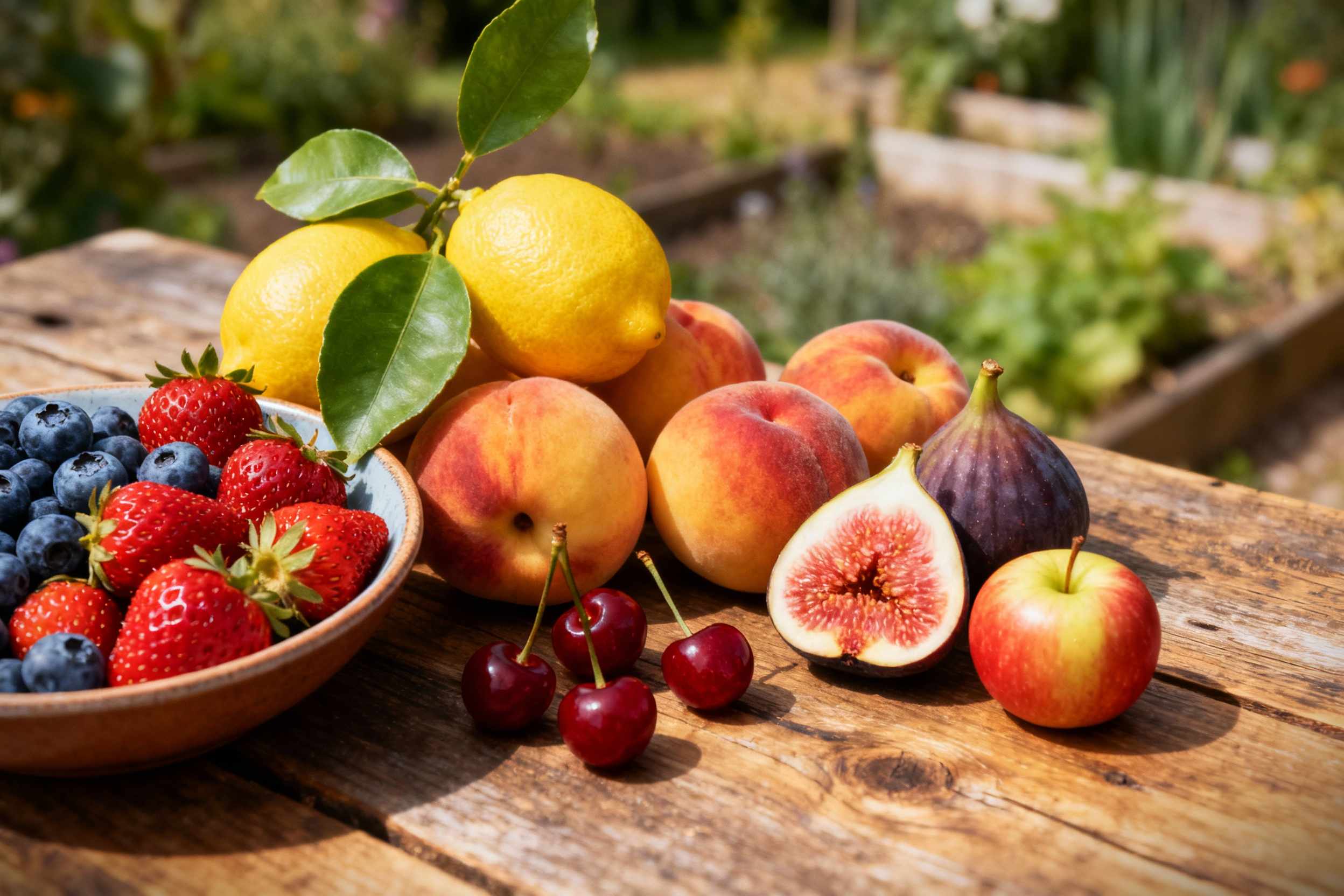
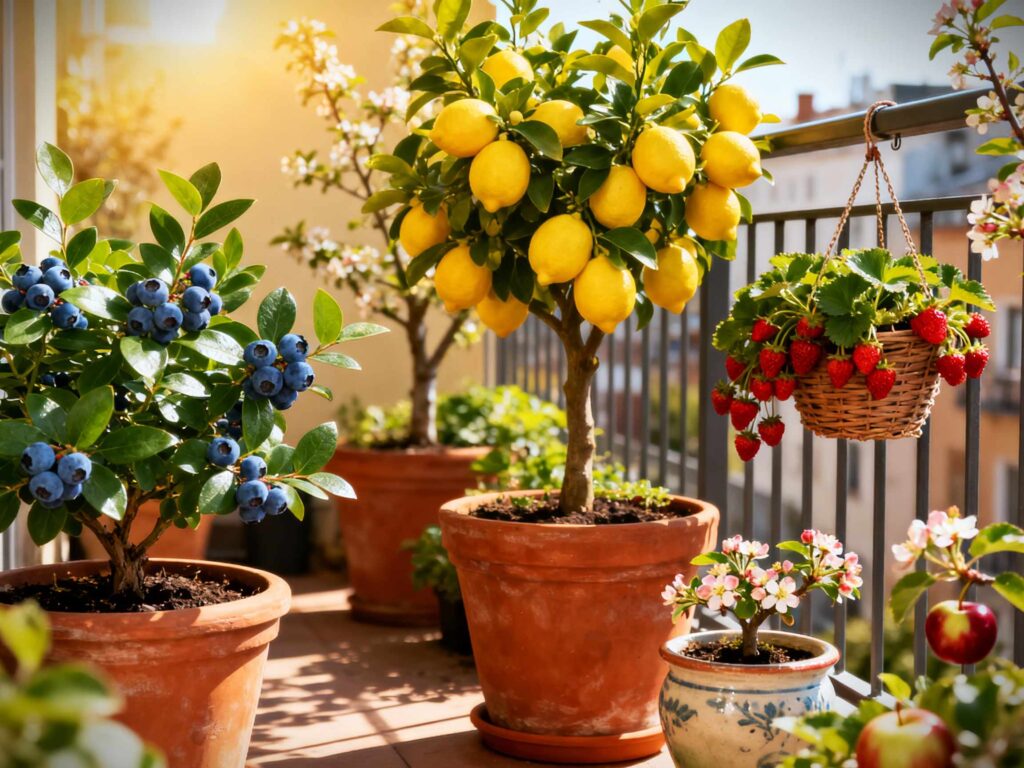
Best fruit plants for small gardens: Don’t let limited space stop you from growing your own fresh fruit. Whether you have a tiny balcony, a compact patio, or a small suburban backyard, dwarf and container-friendly fruit plants deliver impressive harvests without overwhelming your outdoor area. This guide reveals the best fruit plants for small gardens, complete with practical growing tips, real care requirements, and honest answers to common beginner questions. You’ll discover why successful small-space fruit gardeners are harvesting full-sized fruit from compact trees—and how you can do the same.
Understanding Dwarf Fruit Trees vs. Regular Trees
Dwarf fruit trees are not miniature in their fruit production—they’re simply smaller in physical size. Most dwarf varieties grow between 6 and 10 feet tall, compared to their standard counterparts that reach 25 feet or more. They achieve this compact growth through a technique called dwarfing rootstocks, where the desired fruit variety (called a scion) is grafted onto a naturally small root system.
Here’s why this matters for your small garden: dwarf trees produce full-sized fruit, start bearing fruit within 2-3 years instead of 5-7 years, and require less pruning and maintenance. According to horticultural experts, dwarf and semi-dwarf fruit trees are now the preferred choice for both home gardeners and commercial orchards worldwide because they’re easier to manage and harvest while delivering excellent crops.
Most commercially available fruit trees you’ll find today are actually semi-dwarfs or dwarfs, which means you have abundant options regardless of your growing space. The key is selecting varieties specifically labeled as “dwarf,” “patio,” or “miniature” to ensure they’ll remain manageable in containers or small ground spaces.
Top 10 Best Fruit Plants for Small Gardens
1. Strawberries – The Fastest Producers
Strawberries are unquestionably the easiest fruit to grow in small spaces. They produce fruit within 2-3 months of planting, require minimal space, and thrive in nearly any growing condition. Their shallow root systems make them perfect for hanging baskets, pots, window boxes, and vertical strawberry towers.
Most strawberry varieties are self-fertile, meaning you don’t need multiple plants for pollination. Everbearing varieties produce fruit continuously from late spring through fall, maximizing your harvest throughout the growing season. A single hanging basket of strawberries can produce more fruit than you’d expect, making them ideal for apartment dwellers and balcony gardeners.
Plant strawberries in containers with drainage holes filled with quality potting mix. They need at least 4-6 hours of direct sunlight daily. Water when the top inch of soil feels dry, but avoid overwatering. Strawberry towers and hanging baskets save space while making harvesting incredibly convenient.
2. Blueberries – The Nutrient Powerhouses
Dwarf blueberry varieties like ‘Top Hat’ are perfectly engineered for container gardening. These compact bushes grow 2-3 feet tall and produce 3-5 pounds of berries annually. The bonus: they transform into stunning fall foliage displays with brilliant crimson colors.
Blueberries require acidic soil (pH 4.5-5.5), which is easy to maintain in containers using specialized blueberry potting mix. They’re self-fertile but produce better with cross-pollination, so planting two different varieties increases yield. They need 4-6 hours of sunlight and consistent moisture during the growing season.
The beauty of growing blueberries in pots is portability—you can move them to sunny spots as seasons change, and in cold climates, relocate them to sheltered areas during winter. Their ornamental value combined with nutritious fruit makes them a high-value choice for small-space gardeners.
3. Meyer Lemons – Year-Round Citrus
Meyer lemon trees are the ideal citrus choice for small-space growers. These dwarf trees typically reach 6-10 feet tall and produce abundantly in containers. Unlike most citrus, Meyer lemons are self-pollinating and have perfect flowers that pollinate themselves without requiring another tree.
Meyer lemons thrive indoors during cold winters and outdoors during warm seasons, making them suitable for gardeners in zones 4-11. They need full sun (6-8 hours daily), well-draining potting mix, and consistent moisture. Fragrant white blossoms appear regularly, followed by sweet, thin-skinned lemons perfect for cooking, tea, and fresh juice.
These trees are remarkably cold-tolerant compared to other citrus varieties and can tolerate container growing better than most fruit trees. Dwarf Meyer lemon varieties specifically bred for patio growing deliver full-sized fruit on compact plants, making them exceptional value for space-conscious gardeners.
4. Fig Trees – Low-Maintenance Productivity
Fig trees actually prefer tight growing spaces, rewarding you with sweeter harvests in containers. Dwarf varieties like ‘Petite Negra,’ ‘Little Ruby,’ and ‘Little Miss Figgy’ stay under 6-8 feet tall and produce abundantly with minimal pruning required.
Figs need full sun and well-draining soil. One remarkable advantage: they fruit on new growth, meaning even young trees produce fruit quickly. A single fig tree can yield 20-40 figs in a productive season. They’re relatively pest-resistant compared to other fruit trees and tolerate poor soil better than most fruit varieties.
The visual appeal of fig trees—with their distinctive palmate leaves and architectural growth form—makes them beautiful ornamental additions to patios and small gardens. They’re self-fertile and require no cross-pollination, simplifying care requirements for beginners.
5. Dwarf Peaches – Full Flavor, Compact Size
Peaches in containers sound impossible, but specially bred dwarf varieties deliver outstanding results. ‘Patio Bonanza’ and ‘Patio Elberta’ remain under 5-6 feet tall while producing full-sized, delicious peaches. These self-fertile varieties need no pollination partner, making them ideal for single-tree spaces.
Dwarf peach trees need full sun (6-8 hours minimum) and well-draining soil. They’re relatively low-maintenance compared to other stone fruits and particularly suitable for beginner gardeners. Spring blossoms are stunning (often with burgundy leaves and pink flowers), adding ornamental value before fruit arrives.
Water moderately after establishing—peaches prefer slightly drier conditions than many fruit trees. Overwatering leads to disease. Their ability to produce full-sized, sweet peaches on compact plants makes them exceptional space-savers for dedicated fruit gardeners.
6. Dwarf Cherries – Self-Fertile Sweetness
‘Stella’ and other compact cherry varieties are among the easiest self-fertile fruit trees. These dwarf trees grow 8-12 feet tall and produce large, dark red cherries that are firm, sweet, and excellent for fresh eating or cooking.
Dwarf cherries are self-fertile, eliminating the need for multiple trees. They start producing fruit reliably within 2-3 years of planting. The spring blossom display is magnificent, attracting pollinators while creating an ornamental feature. Cherry trees require full sun and well-draining soil but are otherwise relatively pest-resistant and straightforward to maintain.
One challenge: birds also love cherries, so protective netting during fruiting season protects your harvest. Container-grown dwarf cherries are portable enough to move to protected locations if needed, giving you better pest control options than in-ground trees.
7. Dwarf Apples – Versatile and Reliable
Dwarf apple trees like ‘Urban Apple,’ ‘Columnar,’ and ‘Cameron Select’ are purpose-bred for small-space gardening. Their narrow, upright growth habit fits perfectly into containers or tight corner spaces on patios and balconies.
Most dwarf apples are not self-fertile, requiring cross-pollination from a different apple variety flowering at the same time. However, if space is extremely limited, some columnar varieties produce adequate fruit with self-pollination. Plant two different varieties within 50 feet of each other for maximum productivity.
Dwarf apples produce full-sized fruit and remain highly productive in containers. They need full sun, well-draining soil, and moderate watering. Spring pruning helps maintain shape and improves fruit quality. The ornamental value of spring blossoms combined with productive fall harvests makes dwarf apples worthwhile additions to small gardens.
8. Pomegranates – Surprisingly Container-Friendly
Pomegranate varieties thrive surprisingly well in 15-gallon containers, defying expectations about their space requirements. These compact shrubs produce ornamental flowers and hundreds of antioxidant-rich fruits on very small footprints.
Pomegranates are self-fertile, drought-tolerant, and remarkably pest-resistant compared to other fruit trees. They need full sun but tolerate poor soil better than most fruits. The combination of stunning orange-red flowers, architectural foliage, and functional fruit makes pomegranates exceptional value for decorative small-space growing.
Container-grown pomegranates are relatively portable, allowing gardeners in cooler climates to move them indoors during harsh winters. They require less frequent watering than most container fruits, making them ideal for gardeners with limited time.
9. Dwarf Banana Trees – The Patio Surprise
‘Dwarf Cavendish’ and ‘Super Dwarf’ banana varieties produce full-size bananas on 8-10 foot plants—making them shockingly productive for small spaces. Some dwarf varieties can produce 100 bananas from a single patio plant, though 30-50 is more typical for home gardeners.
Bananas need full sun, consistently moist (not waterlogged) soil, and rich potting mix. They’re frost-tender, requiring indoor growing in climates below zone 9, but thrive enthusiastically in containers with proper care. Young plants start producing fruit within 18-24 months—faster than most fruit trees.
The tropical feel of banana plants adds Mediterranean flair to any small garden space. Their large leaves create dramatic visual interest even before fruit arrives. For gardeners in warm climates, dwarf banana trees deliver genuine tropical abundance without requiring acres of land.
10. Honeyberries – The Cold-Hardy Option
Honeyberries are the exact opposite of warm-climate bananas—they’re cold-hardy to -50°F, making them perfect for northern gardeners. These resilient berries produce tart-sweet fruits in early summer and can thrive entirely outdoors in their pots year-round.
You’ll need two honeyberry plants for cross-pollination and good yields. They’re thornless and compact, fitting easily into small gardens. These berries are relatively pest-resistant and require minimal pest management. Their ability to remain outside year-round in cold climates (unlike most tender container fruits) makes them exceptional for committed northern gardeners.
Essential Care Requirements for Container-Grown Fruit
Selecting the Right Container
Container size directly impacts fruit production and tree health. Most dwarf fruit trees need minimum 18-20 gallon containers (or pots at least 18 inches in diameter). Blueberries, figs, and some dwarf citrus can produce in 15-gallon containers, while larger semi-dwarf varieties benefit from 25-30 gallon containers.
Drainage holes are absolutely essential—without them, root rot develops rapidly, killing fruit trees. At the container bottom, place a 1-2 inch layer of gravel to facilitate drainage. Choose pots made from terracotta, ceramic, or heavy fabric (which commercial growers prefer for air pruning benefits).
Weight matters when relocating containers. A 10-gallon container filled with moist soil weighs 40-50 pounds; a 20-gallon container can weigh 100 pounds. Consider placement carefully, as moving established productive trees requires significant effort.
Potting Mix Formulation
Never use regular garden soil in containers—it compacts, preventing root growth and oxygen penetration. Commercial potting mixes specifically formulated for fruit trees work best. If creating custom mixes, combine 1 part sand, 1 part peat moss or coco-peat, and 1 part perlite or vermiculite for ideal drainage and aeration.
Add compost to potting mix—it provides organic matter, essential nutrients, and beneficial microbes. Peat moss holds moisture while improving aeration. Perlite and vermiculite add air space to soil, crucial for healthy roots. Most fruit trees prefer slightly acidic to neutral soil (pH 6.0-7.0), though blueberries require more acidic mixes (pH 4.5-5.5).
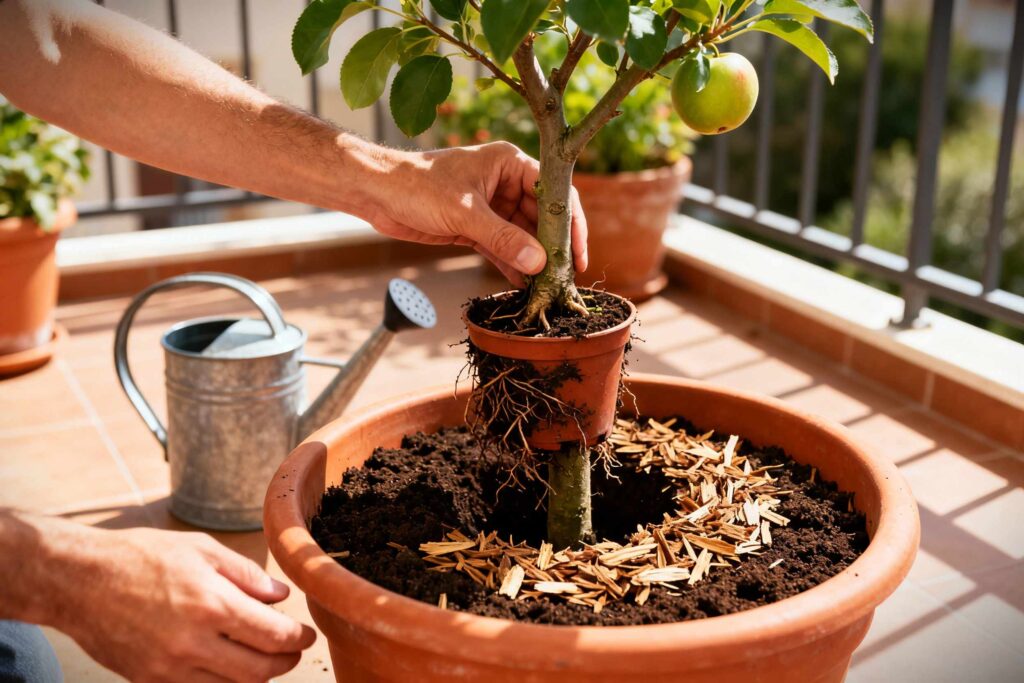
Refresh potting mix every 1-2 years by removing the top few inches and replacing with fresh mix. This maintains soil fertility and prevents nutrient depletion. For long-term container growing, repot trees one size up every 2 years while root pruning to keep trees compact.
Sunlight Optimization
All fruit plants require minimum 6-8 hours of direct sunlight daily for good production. Most fruit trees need 6 hours minimum, while citrus and stone fruits preferably get 8+ hours. Observe your space at different times of day and seasons—south-facing spots receive the most consistent sun, while north-facing locations rarely provide adequate light for fruit production.
Morning sun is superior to afternoon sun in hot climates, as it prevents heat stress and sunburn. West-facing locations receive intense afternoon heat that can stress plants during summer peak. The flexibility of container growing allows repositioning plants to follow sun throughout seasons—a significant advantage over in-ground trees.
If your space receives only 4-6 hours of sun, choose tolerant varieties like plums, currants, kiwis, and rhubarb. However, expect reduced fruit production compared to sun-exposed plants.
Watering Best Practices
The upper surface of container soil should dry slightly between waterings—this is the most critical watering rule. Check soil moisture by inserting your finger 1-2 inches deep; water only when soil feels dry at that depth. Water thoroughly by slowly filling the container until excess drains from drainage holes.
Container-grown fruit trees need more frequent watering than in-ground trees, especially during spring and summer. During heat waves, container plants may need watering every other day. Conversely, fall and winter require less frequent watering as growth slows.
Overwatering—the most common beginner mistake—leads to root rot, yellowing leaves, and disease. Underwatering is actually safer than overwatering. Mulch container surfaces with 1-2 inches of organic material (wood chips, straw) to conserve moisture, regulate soil temperature, and suppress weeds. Container plants dry out even during winter months—check soil periodically even when dormant and water when needed.
Fertilizing Schedule
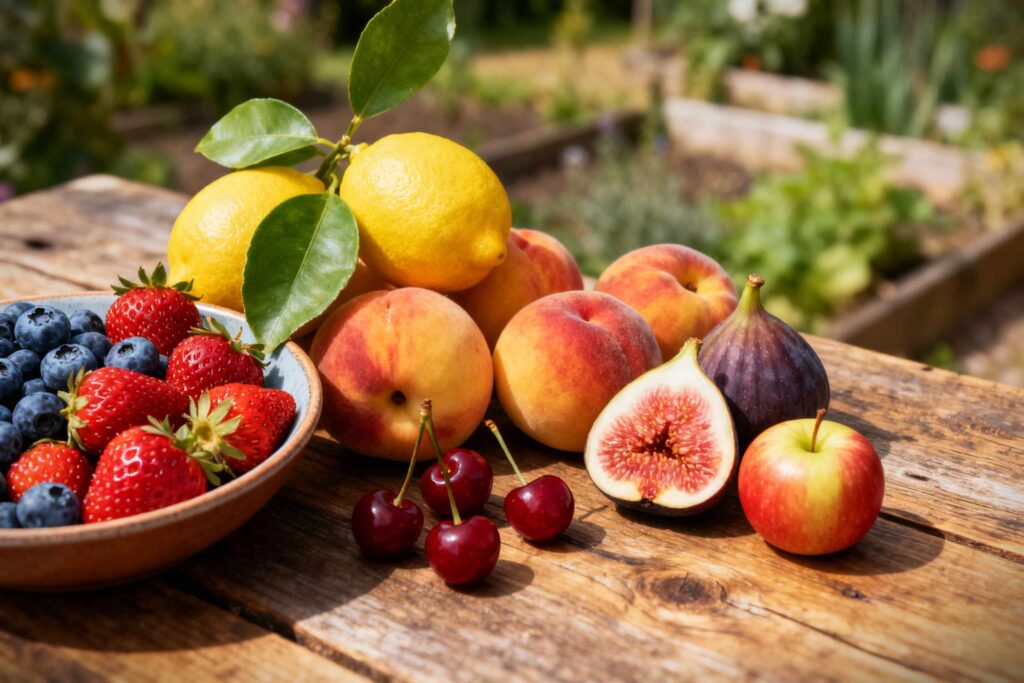
Container-grown fruit trees need more frequent fertilization than in-ground trees because nutrient-rich potting mixes become depleted quickly. Apply balanced, slow-release fertilizer (or fruit-specific formulations like 5-20-10 or similar) every 4-6 weeks during the growing season (March-September).
Fruit trees benefit from early spring fertilization (as buds begin swelling) to fuel new growth, flowers, and root development. Apply again in early summer, but stop fertilizing after July to avoid promoting tender new growth susceptible to frost damage.
Never fertilize at planting time—this causes transplant shock. Some growers prefer organic options like compost top-dressing or fish emulsion for slower, steadier nutrient release. Calculate application amounts based on tree age or trunk diameter (approximately 0.10 pounds nitrogen per year of age or inch of trunk diameter, up to 1 pound maximum).
Apply fertilizer evenly around the container’s drip line, starting a foot away from the trunk. Water thoroughly after application to distribute nutrients into the soil.
Pruning for Maximum Production
Prune dwarf fruit trees during dormancy (late fall through early spring) to encourage productive fruiting branches. Trim back approximately one-third of growth annually, removing crossing branches, dead wood, and branches toward the tree center that shade interior limbs.
Make angled cuts 2 inches away from the main trunk to avoid damage or rotting. For mini-dwarf varieties on extremely dwarfing rootstocks, remove blossoms for the first two years to allow the tree to develop its primary branch structure before attempting fruit production. This sacrifices immediate gratification but results in sturdier, more productive mature trees.
Thin cuts (removing entire branches) are superior to heading cuts (cutting branch ends) for fruit trees. Regular pruning prevents trees from becoming tall and lanky while increasing sun penetration to inner branches—critical for consistent fruit quality. Avoid heavy pruning on mature productive trees, as it delays bearing and reduces yields.
Pollination Considerations for Small Spaces
Understanding pollination requirements simplifies small-space fruit growing significantly. Some fruits are self-fertile (producing fruit from their own pollen), while others require cross-pollination from different varieties flowering simultaneously.
Self-fertile varieties perfect for space-conscious growers include Meyer lemons, most strawberries, blueberries, figs, ‘Stella’ cherries, ‘Damson’ plums, most peach varieties, and pomegranates. These produce abundant fruit from a single tree with no pollination partner required.
Cross-pollinating varieties requiring nearby pollination partners include most apples and pears. If selecting cross-pollinating types, plant two different varieties within 50 feet to ensure bee activity between trees. Choose varieties with overlapping flowering periods for successful pollination.
Hand-pollinating becomes necessary when pollinators are scarce. Gently shake citrus trees during bloom to distribute pollen, or use a small paintbrush to transfer pollen between flowers. This simple technique dramatically improves fruit set on self-fertile varieties and ensures good crops even without adequate bee populations.
Common Growing Problems and Solutions
Overwatering and Root Rot
Root rot is the leading cause of fruit tree death in containers. Symptoms include yellowing leaves, wilting despite moist soil, and poor growth. This fungal disease develops when roots sit in waterlogged soil lacking oxygen.
Solution: Allow soil to dry between waterings, ensure excellent drainage with proper potting mix, and check that containers have sufficient drainage holes. If root rot develops, repot the tree into fresh potting mix and reduce watering frequency. Avoid this problem entirely by treating watering cautiously.
Nutrient Deficiencies
Container soil depletes nutrients faster than garden soil. Yellowing older leaves suggest nitrogen deficiency; purple-tinged foliage often indicates phosphorus deficiency; yellowing between leaf veins suggests iron or magnesium problems.
Solution: Use balanced fertilizer every 4-6 weeks during growing season. Consider soil testing to identify specific deficiencies. Organic compost top-dressing provides slow-release nutrients while improving soil structure.
Pest Management
Common container fruit pests include spider mites, whiteflies, mealybugs, scale insects, and aphids. Regular inspection (checking both leaf surfaces, especially undersides) catches infestations early when treatment is simplest.
Solution: Choose resistant cultivars when possible. Practice proper sanitation by removing fallen fruit and dead leaves. Prune out affected branches on infested plants. For light infestations, strong water spray dislodges pests; for severe problems, insecticidal soap or neem oil (used per label directions) provides effective control. Regularly harvesting fruit reduces gray mold problems by removing infection sources.
Cold Damage to Container Roots
Container plant roots experience approximately 2 zones colder temperatures than in-ground plants because soil lacks earth’s insulating warmth. This increased freeze risk is especially problematic in northern climates.
Solution: Choose the hardiest rootstocks available. In cold climates, either bring containers indoors during winter or surround pots with mulch for insulation. Some gardeners relocate containers to unheated garages or wrap them with insulating materials. In very cold zones, smaller containers become portable enough to easily move to protected locations.
Maximum Production Strategies for Small Spaces
Vertical Growing Systems
Train fruit vines vertically on trellises, fences, or pergolas to dramatically increase production without expanding footprint. Passionfruit, grapes, and kiwi vines thrive when trained upward, freeing ground space for other crops.
Berry canes trained along wire mesh attached to fences or posts produce abundance while occupying minimal horizontal space. Strawberry towers (tall vertical structures with pockets) produce dozens of plants in single-square-foot footprints. This elegant solution multiplies productive capacity while adding visual interest.
Multi-Grafted Trees
Some fruit trees are grafted with multiple varieties on a single rootstock—producing several fruit types from one tree. These “fruit salad trees” carry benefits: multiple harvest windows, extended growing seasons, guaranteed cross-pollination (eliminating pollination worries), and unmatched space efficiency.
Commercial nurseries sell pre-grafted multi-variety trees, though careful gardeners can learn grafting techniques. Family stonefruit trees combine peaches, apricots, plums, and nectarines on one tree. Citrus combinations grow multiple flavors on single plants. The flexibility accommodates diverse fruit preferences in severely limited spaces.
High-Density Planting
Plant multiple fruit trees closely together (closer than standard spacing) and manage them smaller through regular pruning. Though each tree produces less fruit individually, the combined yield from several compact trees often exceeds single large trees.
This technique requires commitment to consistent pruning and maintenance but maximizes variety and total production. You’ll harvest 20 apples from four compact trees rather than 50 from one large tree—a trade-off valuing diversity over volume.
Succession Planting
Interplant fast-fruiting crops among slower-bearing trees to extend harvest seasons. Cape gooseberries, papayas, and tamarillos fruit quickly (often within 1-2 years), providing harvests while permanent fruit trees mature.
This layered approach maximizes space utilization and psychological reward—new gardeners get early harvests maintaining motivation while permanent trees establish.
Financial Reality: Growing Fruit vs. Buying
Growing fruit at home produces genuine financial value, though not immediately. Initial investments include containers ($15-50 each), quality potting mix ($20-60), trees or plants ($20-100+), and supplies (soil amendments, fertilizer, tools). For someone starting with 4-5 fruit plants, expect $200-500 initial investment.
However, dwarf fruit trees establish quickly and produce for 10-15 years (some longer). Once mature, a single Meyer lemon tree saves $30-50 annually compared to grocery store lemons. Blueberries worth $4-6 per pint grown organically at home cost pennies once established. A productive strawberry patch generates $100-200+ worth of berries annually.
Breaking even typically takes 3-5 years, after which homegrown fruit becomes exceptionally economical. Beyond financial calculations, gardeners consistently report that homegrown fruit tastes dramatically superior—an intangible value no store-bought equivalent matches.
Frequently Asked Questions About Best Fruit Plants for Small Gardens
How long until my fruit tree produces?
Most dwarf fruit trees produce fruit within 2-3 years, compared to 5-7 years for standard trees. Container-grown trees often fruit slightly later than in-ground trees but remain substantially faster than standard-sized varieties. Expect dwarf cherries, plums, and peaches to produce within 2-3 years; dwarf apples within 3-4 years. Berries like strawberries fruit within months.
Can I grow fruit trees indoors?
Yes, but with limitations. Dwarf Meyer lemon trees and some other citrus thrive indoors year-round with bright light (grow lights help). Most other fruit trees require outdoor dormancy and seasonal temperature changes for proper fruiting. Container-grown citrus can move outdoors during warm seasons and indoors for winters, compromising but still producing. Most gardeners reserve indoor growing for citrus varieties requiring frost protection.
How much fruit will one plant produce?
Production varies widely by species, age, and growing conditions. A mature strawberry produces continually (50-100+ berries across seasons). Dwarf blueberries produce 3-5 pounds annually; Meyer lemon trees 100-200 lemons per year; dwarf fig trees 20-40 figs annually; dwarf peach trees produce dozens of full-sized peaches; dwarf apples produce 20-50 apples annually depending on variety and care.
Young trees (first 2-3 years) produce less than mature plants. Allow 5+ years to achieve full productivity. These estimates are reasonable with proper sunlight, watering, and fertilizing—inadequate care reduces production significantly.
What about pests and diseases in small-space gardens?
Container-grown fruit is generally easier to protect from pests than in-ground plantings. Isolation from garden soil reduces pest pressure. Regular inspection (checking undersides of leaves) catches problems early. Smaller plants are less time-consuming to treat if problems develop. However, container gardens still require attention to common pests like spider mites, scale, and gray mold. Proper sanitation and proactive care prevent most problems.
Is it cheaper to grow or buy fruit?
Over time, growing fruit at home becomes significantly cheaper than buying, especially for premium varieties like berries and organic citrus. Initial setup costs are higher, but once established (5+ years), productivity increases dramatically while maintenance investments remain relatively constant. Growing becomes particularly economical for gardeners who value organic production, superior flavor, and long-term cost savings over immediate gratification.
What’s the best beginner fruit for small gardens?
Strawberries are undeniably the best beginner choice—they produce fruit quickly (within months), tolerate imperfect conditions, require minimal space, and maximize early success. Blueberries and Meyer lemon trees are excellent secondary choices offering longer productivity with relatively straightforward care requirements.
Conclusion: Creating Your Abundant Small-Space Orchard
Growing fruit in small gardens is entirely achievable with proper plant selection, container preparation, and basic care. Dwarf fruit varieties, berries, and container-compatible citrus deliver full-sized, delicious fruit from balconies, patios, and compact backyards. Start with space-efficient strawberries or blueberries, add a Meyer lemon tree or dwarf fig, and expand based on your success and available space.
The key to small-space fruit success is choosing self-fertile varieties, investing in quality containers and potting mix, providing consistent sunlight and water, and committing to regular care. Within 2-3 years, your modest setup transforms into a productive, emotionally rewarding source of fresh, homegrown fruit. The combination of financial savings, superior flavor, and genuine satisfaction makes small-space fruit gardening one of the most rewarding gardening pursuits—regardless of how limited your space. Begin today, and within seasons, you’ll enjoy abundance you never thought possible.

Asif Ali is a gardening blogger with over 2 years of experience writing about garden inspiration, eco-friendly gardening, and beautiful garden destinations. He focuses on practical, sustainable ideas that help beginners create inspiring gardens with ease.