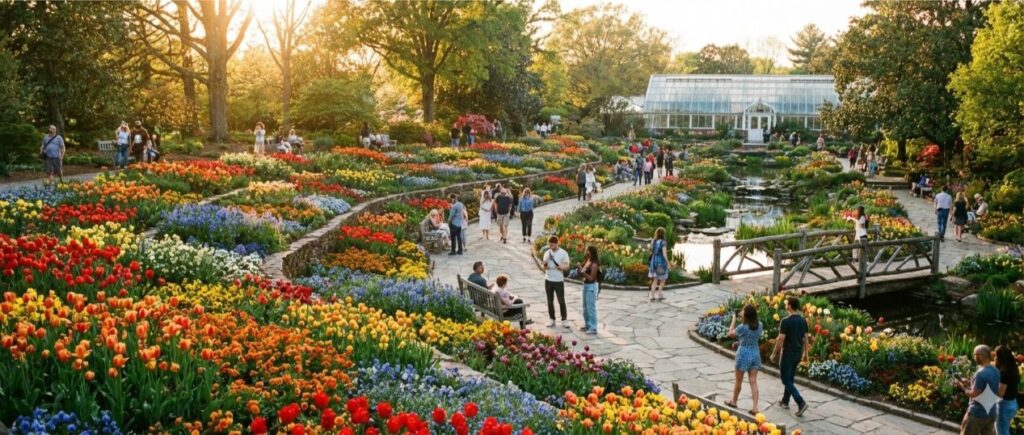
Seasonal Garden Travel Ideas: Nature has a way of taking your breath away when you least expect it. Picture stepping into a garden where thousands of tulips dance in the spring breeze, or finding yourself surrounded by autumn foliage so vivid it looks painted. These aren’t just vacation daydreams—they’re real experiences waiting for you at botanical gardens and natural landscapes across the country.
The secret to unforgettable garden travel? Timing. Visit in the right month, and you’ll witness nature putting on its best show. Get the timing wrong, and you might find bare branches where you expected blossoms. That’s exactly why planning your garden adventures by season makes all the difference.
Seasonal Garden Travel Ideas something truly special that regular sightseeing can’t match. There’s a certain magic in watching nature transform itself month after month, offering completely different experiences in the same location throughout the year.
Planning your visits around seasonal bloom cycles means you’ll catch gardens at their absolute peak. A rose garden in June looks nothing like the same spot in January. Desert gardens explode with unexpected color after winter rains, while mountain landscapes save their best displays for late summer when lowland areas are past their prime.
This guide is for anyone who loves being outdoors—whether you’re a serious photographer hunting for that perfect shot, a couple looking for romantic getaway ideas, or simply someone who finds peace among plants and flowers. You don’t need to be a gardening expert to appreciate these destinations. You just need curiosity and a willingness to slow down and notice the details.
How to Choose the Best Garden Travel Season
Climate and Bloom Cycles Explained
Understanding how plants respond to temperature and daylight is your first step toward better garden travel. Most flowering plants follow predictable patterns based on their native climates. Spring bulbs need cold winters to bloom properly, which is why tulips thrive in northern states but struggle in Florida. Meanwhile, tropical plants keep their show going year-round in warm, humid environments.
Regional climate patterns mean that “spring” arrives at different times depending on where you are. Southern gardens might hit peak spring bloom in March, while northern locations don’t reach the same stage until May. Desert gardens have their own rules entirely, often blooming after winter rains rather than following traditional spring timing.
Peak vs Off-Season Garden Visits
Peak season means incredible displays but also means crowds and higher prices. Popular destinations like the National Cherry Blossom Festival in Washington DC draw massive crowds during their short bloom window. Hotels raise rates, and you’ll be sharing photo spots with hundreds of other visitors.
Off-season visits offer their own rewards. You’ll have more space to explore, pay less for accommodations, and often receive more attention from garden staff who have time to chat and share insights. Some gardens look surprisingly beautiful in their “off” months—architectural features stand out when plants are dormant, and winter gardens have a peaceful quality that busy summer months lack.
What to Pack for Garden Travel
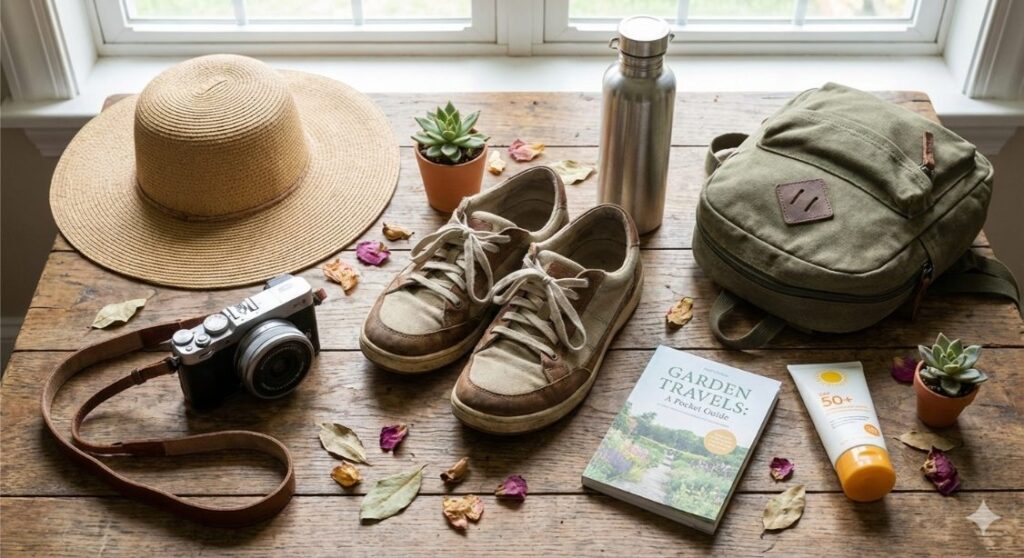
Comfortable walking shoes are non-negotiable. You’ll cover more ground than you think, and many gardens have gravel paths that aren’t kind to flimsy footwear. Dress in layers since mornings can be cool even when afternoons warm up.
Bring a hat and sunscreen for summer visits, and don’t forget a light rain jacket in spring and fall. Garden weather can be unpredictable. For photography enthusiasts, early morning and late afternoon offer the best light, so bring your camera and maybe a small tripod for steadier shots.
January Garden Travel Ideas
Best Places to Visit
January might seem like an odd time for garden travel, but it’s actually perfect for exploring places that most people overlook. Desert botanical gardens in Arizona and Southern California come alive with surprising winter blooms. The cooler temperatures make hiking through these landscapes comfortable, and you’ll avoid the scorching heat that makes summer visits challenging.
Indoor conservatories shine in January. These climate-controlled glass houses maintain tropical conditions year-round, offering a warm escape from winter weather. Major cities often have impressive conservatories where orchids, bromeliads, and tropical palms create lush displays regardless of snow outside.
What Blooms in January
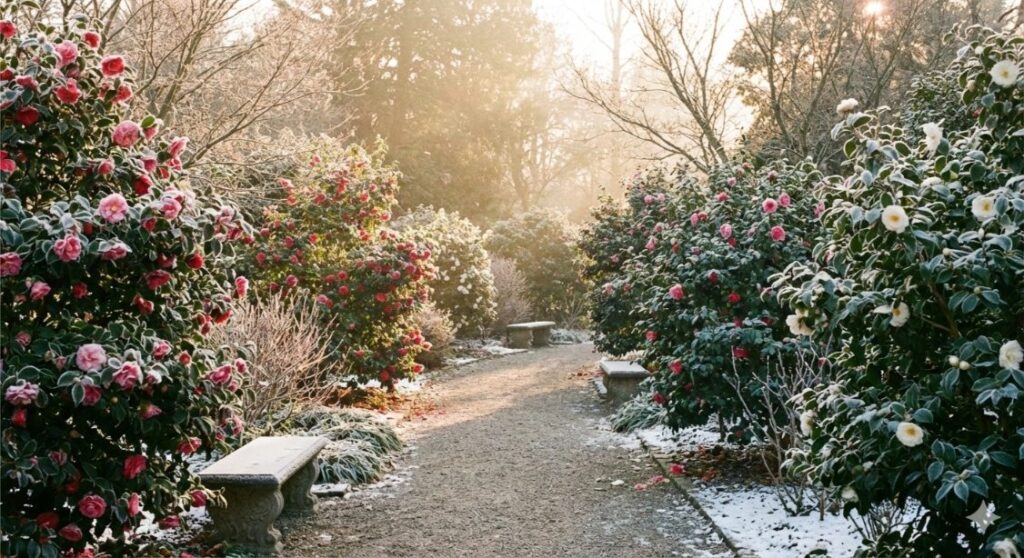
Winter-blooming camellias put on shows in southern gardens, their glossy evergreen leaves providing year-round structure. Hellebores, sometimes called Christmas roses, bloom bravely through cold weather in more northern locations. Inside conservatories, you’ll find orchids at their peak and tropical plants that don’t follow traditional seasons at all.
Why January Is a Hidden Gem Month
The biggest advantage of January garden travel is having places almost to yourself. Tourist crowds disappear, making it easy to enjoy peaceful walks and take photos without strangers in your frame. Many gardens offer reduced admission during slower months, and nearby hotels often run winter promotions.
February Garden Travel Ideas
Best Places to Visit
February marks the beginning of subtle shifts toward spring, especially in warmer regions. Coastal California gardens start their spring displays early, with flowering trees and early bulbs emerging. Florida botanical gardens maintain tropical displays while northern visitors appreciate the break from winter.
Southern states like Georgia and South Carolina see their first spring flowers in February. Historic gardens in these areas often feature early-blooming azaleas and flowering quince that signal warmer days ahead.
Seasonal Highlights
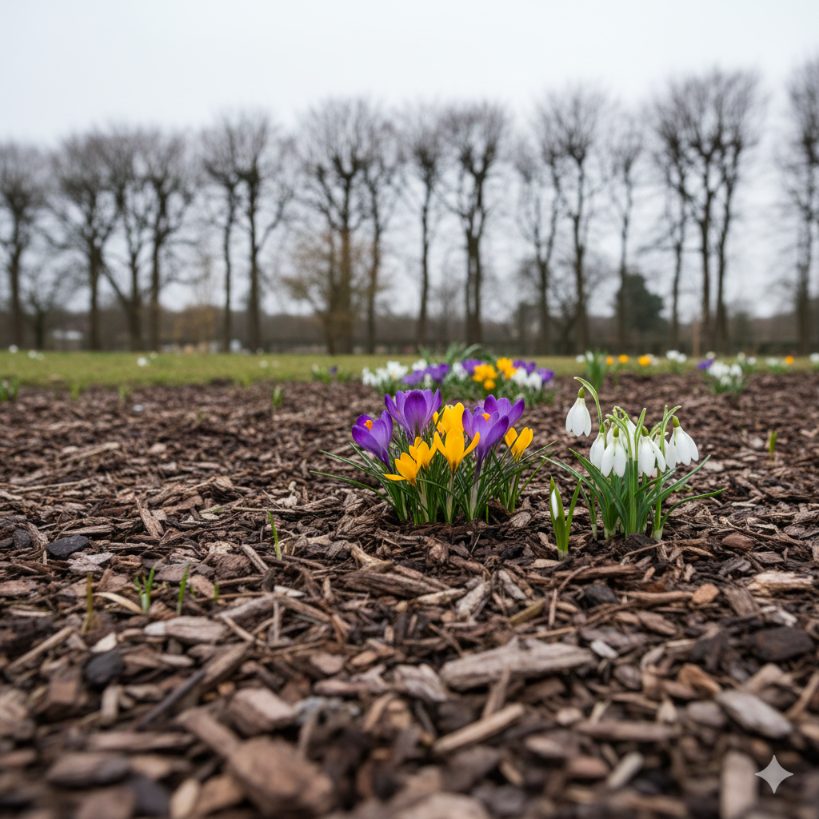
Look for early spring bulbs like snowdrops and crocuses pushing through last leaves. Witch hazel blooms in late winter with unusual, fragrant flowers that seem to defy the cold. Some gardens host Valentine’s Day events with special displays and romantic evening hours.
Travel Tips for February Garden Trips
Weather in February can be unpredictable, so pack for various conditions. Bring layers and check forecasts before you go. Many gardens have limited hours during winter months, so verify opening times before making travel plans. This is also a great month to combine garden visits with indoor attractions since you might need backup plans if weather turns nasty.
March Garden Travel Ideas
Best Places to Visit
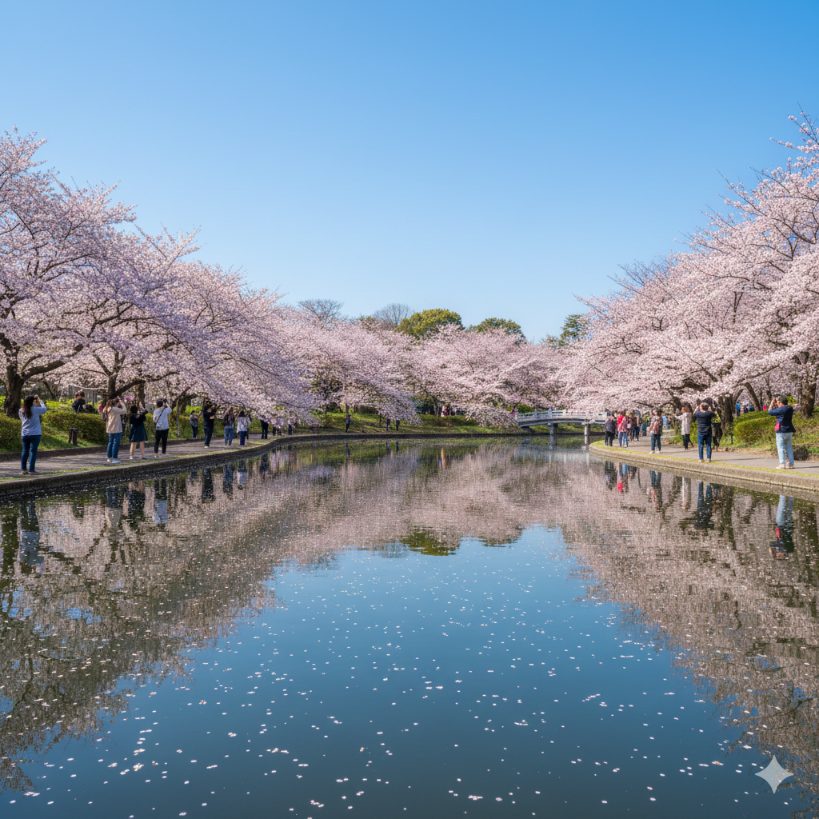
March brings cherry blossom season to the nation’s capital and other locations with Japanese flowering cherry trees. Washington DC’s Tidal Basin becomes a destination for millions of visitors hoping to catch peak bloom, which typically falls in late March or early April depending on weather patterns.
Southern gardens hit full spring stride in March. Historic sites in Charleston, Savannah, and New Orleans showcase azaleas, magnolias, and other spring bloomers at their absolute best. The weather is pleasant for walking, and gardens that can be sweltering in summer are comfortable now.
What Makes March Special
March represents the true transition from winter to spring in most of the country. Gardens that looked dormant in January suddenly burst with color and activity. This is when many deciduous trees and shrubs bloom before their leaves emerge, creating spectacular displays against bare branches. The air smells different in March—fresh and full of promise.
April Garden Travel Ideas
Best Places to Visit
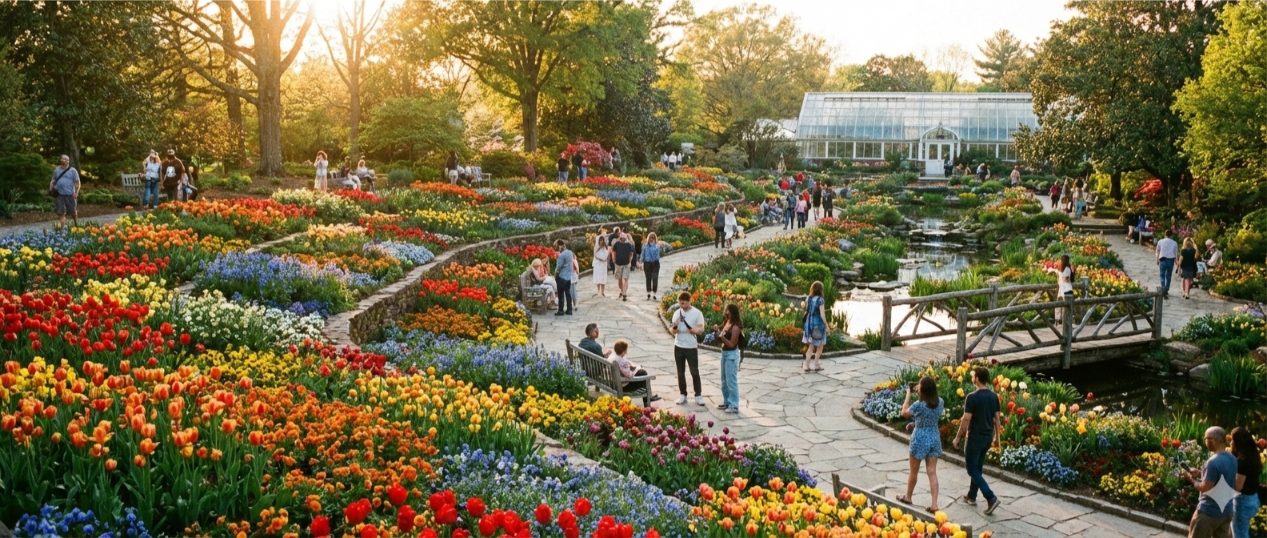
April is peak spring bloom time across much of the United States. Famous tulip festivals attract visitors to destinations like Holland, Michigan, and the Skagit Valley in Washington state. These displays feature millions of tulips in carefully designed patterns that create stunning visual impact.
Botanical gardens everywhere are at their spring best in April. This is the month to visit places you’ve always wanted to see, from Longwood Gardens in Pennsylvania to the Portland Japanese Garden in Oregon. Spring ephemerals—flowers that bloom briefly before tree canopies fill in—create carpets of color in woodland gardens.
Peak Bloom Experiences
The combination of blooming trees, flowering bulbs, and emerging perennials creates layered displays with incredible variety. Dogwoods, redbuds, and flowering crabapples frame views while daffodils and tulips provide ground-level color. Weather is generally mild enough for comfortable all-day exploring without the heat that comes later.
May Garden Travel Ideas
Best Places to Visit
May offers near-perfect garden visiting conditions in most regions. Botanical gardens reach peak diversity as spring flowers overlap with early summer bloomers. This is an excellent month for exploring gardens in the northern United States and mountain regions that are just reaching their spring peak.
Historic estate gardens are particularly beautiful in May, when the careful design and plant selection of landscape architects becomes most apparent. The balance between structure and abundance creates magazine-worthy scenes at every turn.
What to Expect in May
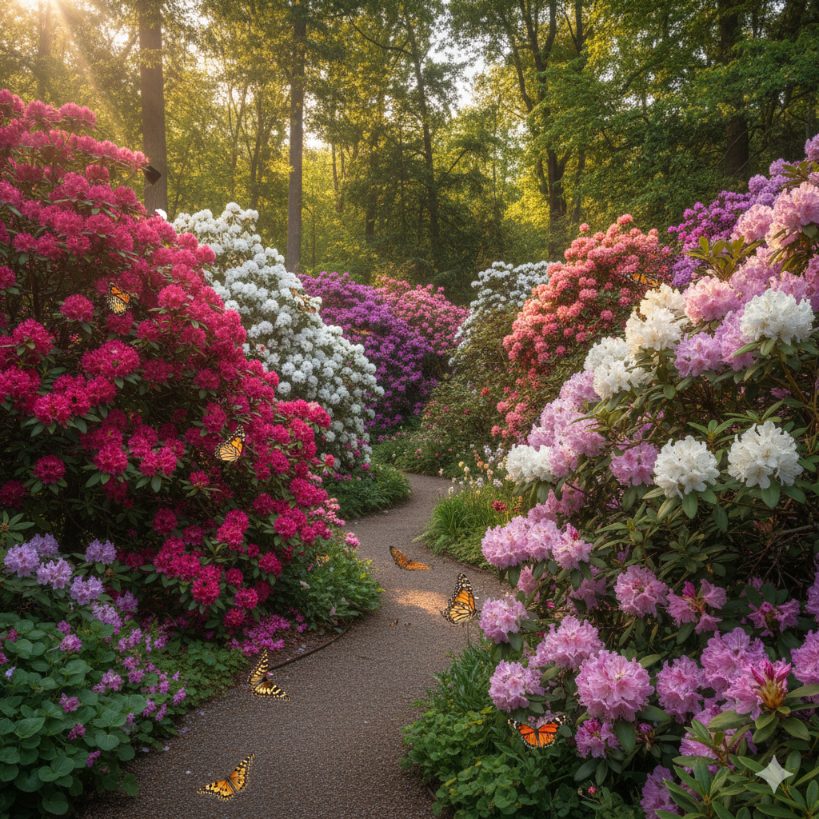
Rhododendrons and azaleas put on spectacular shows in May, especially in areas with acidic soil like the Pacific Northwest and parts of New England. Iris gardens reach their peak, showcasing hundreds of varieties in every imaginable color. The weather is warm but not hot, making May one of the most comfortable months for garden travel.
Late spring also brings out pollinators—butterflies, bees, and hummingbirds add movement and life to garden scenes. This makes May particularly rewarding for nature photographers and anyone who enjoys watching wildlife interactions.
June Garden Travel Ideas
Best Places to Visit
June belongs to roses. Historic rose gardens across the country hit peak bloom, filling the air with fragrance and displaying thousands of varieties from antique heirlooms to modern hybrids. Portland’s International Rose Test Garden and the rose garden at the Huntington Library in California are particularly stunning.
Perennial borders reach their first major peak in June, with peonies, foxgloves, and delphiniums creating cottage-garden charm. European-style gardens especially shine now, as many traditional garden plants prefer June’s conditions.
June Travel Advantages
Long daylight hours mean you can start early and stay late, maximizing your time in gardens. The golden hours of morning and evening last longer, giving photographers extended opportunities for beautiful light. Most gardens have settled into their summer operating hours with longer days and special events.
June weather is generally reliable without being oppressively hot in most regions. It’s warm enough for comfortable outdoor time but usually hasn’t reached the sweltering temperatures of July and August.

July Garden Travel Ideas
Best Places to Visit
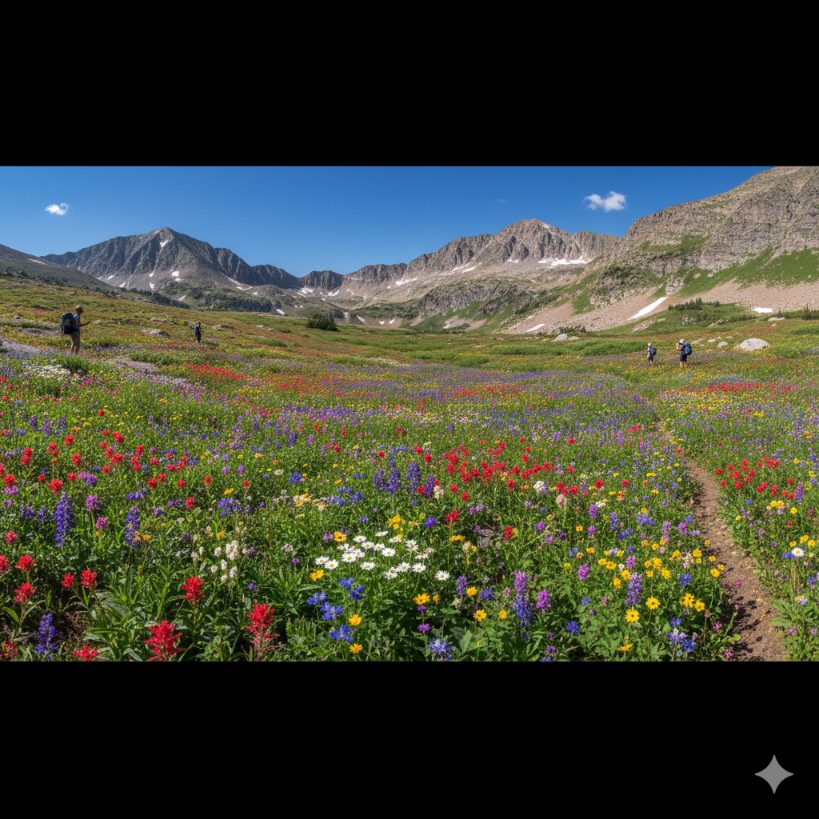
Smart garden travelers head to elevation in July. Mountain botanical gardens and high-altitude wildflower meadows are at their peak when lowland areas bake in summer heat. Places like the Betty Ford Alpine Gardens in Colorado showcase plants that only bloom in the short mountain summer.
Northern gardens remain beautiful and comfortable in July when southern locations become less appealing. Coastal gardens benefit from maritime climates that moderate temperature extremes.
Heat-Smart Travel Tips
Visit gardens early in the morning before temperatures peak. Many serious garden enthusiasts arrive at opening time, spend a few hours exploring in relative comfort, then retreat to air conditioning during the hottest part of the day. Evening visits are also pleasant, especially in gardens that stay open late.
Seek out shaded gardens, woodland walks, and water features that provide natural cooling. Wear lightweight, breathable clothing and bring plenty of water. Some gardens offer misting stations or shaded rest areas during summer months.
August Garden Travel Ideas
Best Places to Visit
August is prime time for coastal gardens where ocean breezes moderate temperatures. Pacific Northwest gardens continue looking fresh while much of the country deals with summer heat. High-elevation destinations remain excellent choices for comfort and unique flora.
Tropical and subtropical gardens thrive in August humidity. If you don’t mind warmth, southern gardens showcase plants that love heat—hibiscus, tropical gingers, and other exotic specimens reach their peak.
What Thrives in Late Summer
Sun-loving perennials like coneflowers, black-eyed Susans, and ornamental grasses create naturalistic late-summer displays. Many gardens shift their focus to texture and foliage rather than flowers, creating sophisticated plantings that prove gardens can be beautiful without heavy bloom.
August is also harvest season in vegetable and herb gardens. Many botanical gardens include productive gardens that demonstrate ornamental food growing, and these are at their most impressive now.
September Garden Travel Ideas
Best Places to Visit
September brings relief from summer heat and a return to comfortable garden visiting conditions. Fall-blooming perennials like asters and sedums attract attention, while many gardens see a second flush of bloom as temperatures moderate.
This is an excellent month to revisit gardens you saw in spring—the same location looks completely different in autumn light with different plants taking center stage.
Why September Is Underrated
Crowds thin out after summer vacation season ends, making September ideal for leisurely exploration. Garden festivals and special events fill weekends without the overwhelming crowds of peak seasons. Prices for accommodations often drop after Labor Day.
The quality of light changes in September, becoming warmer and more golden as the sun’s angle shifts. This creates beautiful photography conditions and adds a special glow to garden scenes.
October Garden Travel Ideas
Best Places to Visit
October is all about fall foliage. Arboretums and gardens with diverse tree collections showcase incredible autumn color. New England gardens are legendary for fall beauty, but any region with deciduous trees offers rewards in October.
Japanese gardens become particularly special in autumn, as traditional design emphasizes seasonal change. Maple trees, carefully selected for brilliant fall color, create scenes that have inspired artists for centuries.
Seasonal Beauty Highlights
Beyond leaf color, October brings ornamental grasses to their peak. These plants provide movement and texture while creating naturalistic displays that pair beautifully with fall perennials. Seed heads left on flowers add architectural interest and provide food for birds.
October weather is generally perfect for outdoor activities—cool enough to be comfortable, warm enough to spend hours outside without discomfort. Clear autumn skies provide brilliant backdrops for colorful leaves.
Image Prompt: Autumn garden path lined with trees showing brilliant red and orange fall foliage, Japanese maple in foreground, fallen leaves on path, crisp blue sky
November Garden Travel Ideas
Best Places to Visit
November garden travel requires more strategic planning, but rewards are there for those willing to seek them. Mild-climate locations like California, the Gulf Coast, and the Southwest maintain interest when colder regions go dormant.
Indoor conservatories become primary destinations again. These temperature-controlled spaces showcase tropical plants and often feature special holiday displays that start in November.
What Makes November Unique
November gardens have a contemplative quality. With most plants finishing their growing season, architectural features, evergreens, and garden structure take center stage. This reveals the “bones” of garden design that get hidden during abundant growing seasons.
Late autumn color persists in some regions, and certain plants like ornamental kale and winter pansies look their best as temperatures drop. The quiet atmosphere and lack of crowds create meditative experiences.
Image Prompt: Peaceful late autumn garden with ornamental grasses, architectural evergreens, empty benches, misty morning atmosphere, contemplative and serene mood
December Garden Travel Ideas
Best Places to Visit
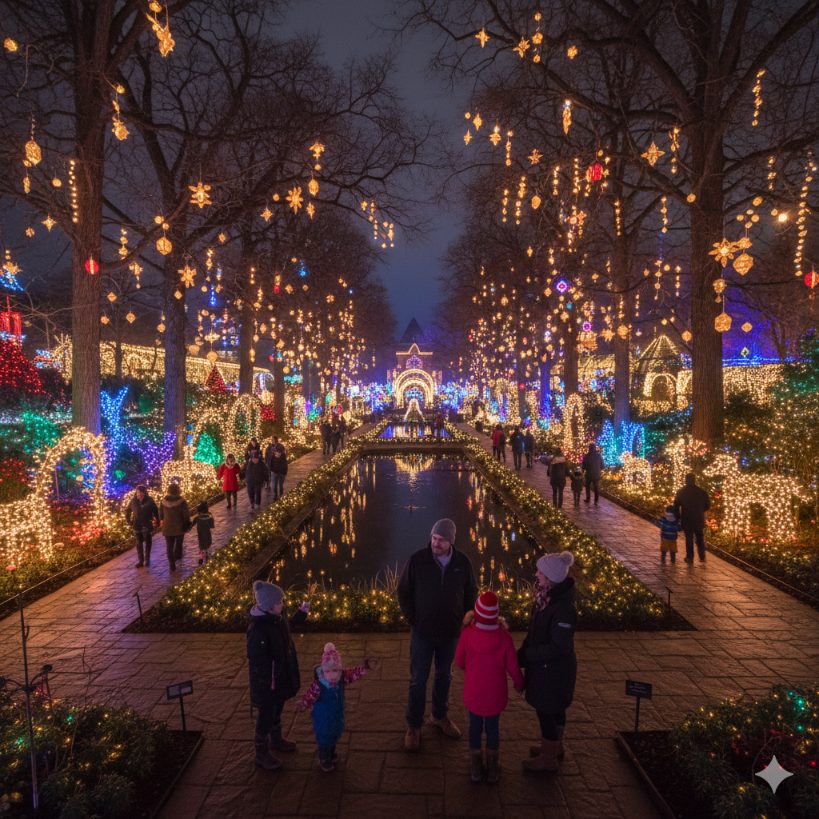
December transforms many gardens into holiday wonderlands. Botanical gardens across the country host light displays that turn familiar landscapes into magical nighttime destinations. These events often support garden operations during slow visitor months while creating community traditions.
Warm-climate gardens in Florida, Southern California, and Hawaii maintain tropical displays year-round. These destinations attract visitors escaping winter weather while seeking natural beauty.
End-of-Year Garden Experiences
Holiday-themed garden displays often combine plants with creative lighting and seasonal decorations. Some gardens create elaborate model train displays, gingerbread villages, or other attractions that appeal to families.
Winter gardens in cold climates have their own stark beauty. Evergreens, berries on deciduous shrubs, and interesting bark patterns create subtle but satisfying displays for observant visitors.
Budget-Friendly Garden Travel Tips
Best Months for Affordable Trips
Shoulder seasons—late winter and late autumn—offer the best deals on accommodations and sometimes reduced garden admission. January, February, and November typically have lower hotel rates and fewer tourists competing for space.
Many botanical gardens offer free admission days throughout the year. Check websites before planning trips to take advantage of these opportunities. Some gardens have memberships that pay for themselves in just a couple of visits if you’re traveling to an area with multiple locations.
Free or Low-Cost Botanical Gardens
Public parks with significant plantings are completely free. Many cities maintain rose gardens, Japanese gardens, or other specialized spaces within their park systems that rival paid attractions.
University botanical gardens often have free or very low admission costs. These spaces primarily serve educational purposes but welcome public visitors and maintain high-quality collections.
Community gardens and arboretums sometimes rely on donations rather than set admission fees. Even small contributions help maintain these spaces while keeping them accessible to everyone.
Photography Tips for Garden Travel by Season
Best Light and Timing
Golden hour—the hour after sunrise and before sunset—provides the most flattering light for garden photography. Soft, warm light enhances colors and creates gentle shadows that add depth without harsh contrast.
Overcast days work beautifully for flower close-ups. Clouds act as natural diffusers, eliminating harsh shadows and allowing colors to appear saturated without glare. Don’t skip garden visits just because skies are gray.
Capturing Seasonal Colors
Spring photography benefits from getting low to capture carpets of flowers at ground level. Include tree canopies in frames to show both understory and overstory blooms.
Autumn photography demands attention to composition as colorful leaves can be visually overwhelming. Look for ways to simplify scenes—isolating single branches, using water reflections, or including pathways to lead viewers’ eyes through the frame.
Winter photography challenges you to find subtle beauty in dormant gardens. Focus on texture, patterns in bark, architectural features, and how low winter light creates long shadows and emphasizes form.
Sustainable and Eco-Friendly Garden Travel
Respecting Local Environments
Stay on designated paths to protect plant roots and prevent erosion. Trampled areas create lasting damage that takes years to restore. This is especially important in natural areas and meadows where informal trails can harm native plants.
Never pick flowers or collect seeds without explicit permission. Many plants are protected by law, and even common species suffer when visitors help themselves. Enjoy beauty with your eyes and camera, leaving everything for the next visitor.
Supporting Conservation-Focused Gardens
Many botanical gardens participate in plant conservation efforts, maintaining collections of rare and endangered species while conducting research. Your admission fees directly support this work.
Look for gardens with native plant collections that showcase regional flora. These spaces serve as educational resources while promoting biodiversity and sustainable landscaping practices. Supporting them encourages broader adoption of earth-friendly gardening approaches.
How Rainwater Harvesting Transforms Your Garden During Dry Seasons
Conclusion
Planning garden travel by month transforms random visits into purposeful adventures where you experience nature at its absolute best. Each season offers unique rewards—spring’s exuberant blooms, summer’s lush abundance, autumn’s dramatic color changes, and winter’s quiet beauty.
The key is matching your interests with the right timing. Want masses of flowers? Spring and early summer deliver. Prefer fewer crowds and lower costs? Visit during shoulder seasons. Looking for dramatic photography opportunities? Autumn foliage and unusual winter light provide endless possibilities.
Gardens change constantly, which means you can return to favorite locations again and again while having completely different experiences. Start planning your garden adventures now—nature’s calendar waits for no one, and every month brings something worth seeing.
Frequently Asked Questions (FAQs)
What is the best month for garden travel overall?
May offers the best combination of favorable weather, diverse blooms, and comfortable conditions across most regions. However, the “best” month depends on what you want to see—spring bulbs peak in April, roses in June, and fall color in October.
Are botanical gardens open year-round?
Most major botanical gardens remain open throughout the year, though some reduce hours during winter months. Outdoor gardens in cold climates may close sections during winter while maintaining greenhouses and conservatories. Always check specific gardens’ websites before traveling.
How far in advance should I plan a garden trip?
For major events like cherry blossom festivals or tulip displays, book accommodations 2-3 months in advance. Regular garden visits require less planning, but checking bloom schedules helps ensure you visit at optimal times. Gardens often post peak bloom updates on their websites.
Which months are best for avoiding crowds?
January, February, and November see the fewest visitors at most gardens. Weekday mornings any time of year are generally quieter than weekends and afternoons. Even during peak bloom times, arriving at opening time provides more solitary experiences.
Can garden travel be done on a budget?
Absolutely. Focus on free public gardens, visit during off-season when accommodations cost less, pack picnics instead of eating out, and look for gardens offering free admission days. Many spectacular gardens cost little or nothing to visit, proving that budget limitations don’t prevent beautiful experiences.

Asif Ali is a gardening blogger with over 2 years of experience writing about garden inspiration, eco-friendly gardening, and beautiful garden destinations. He focuses on practical, sustainable ideas that help beginners create inspiring gardens with ease.