Picture this: stepping into your backyard and finding nature that feels straight out of a dream. Birds chirping, butterflies dancing between flowers, and vegetables growing without a single drop of harsh chemicals. That’s the magic of eco-friendly gardening, and it offers way more than just pretty plants.
Most homeowners think going green in the garden means spending more money or working harder. The truth? It’s actually the opposite. Eco-friendly gardening isn’t just another passing trend—it’s a smarter way to grow that saves you money, protects your family, and creates a healthier space right outside your door.
In this article, we’re diving into seven surprising benefits of eco-friendly gardening that most people completely miss. Whether you’re working with a tiny balcony or a sprawling backyard, these insights will change how you think about your outdoor space forever.
Benefit #1 – Healthier Soil That Improves Plant Growth Naturally
How Organic Practices Restore Soil Life
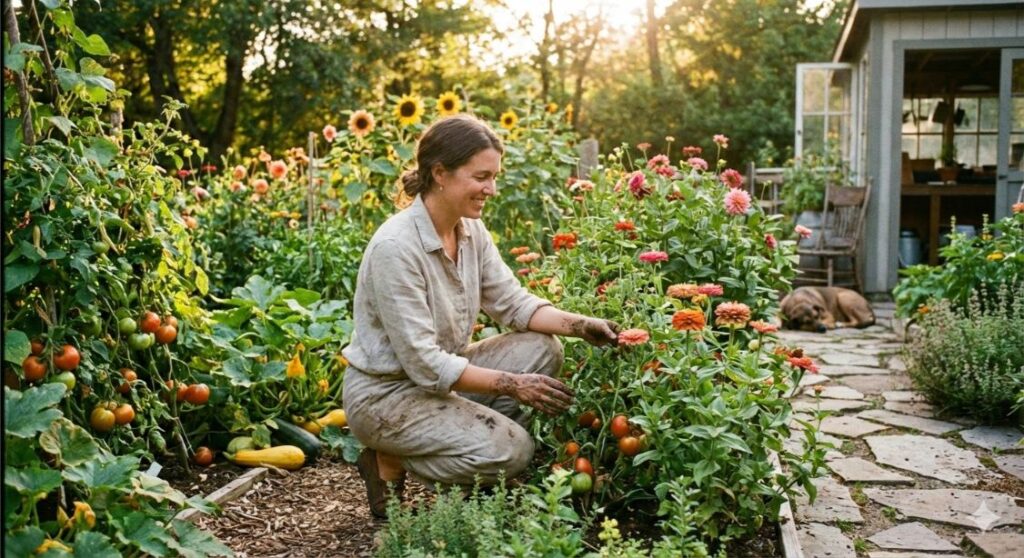
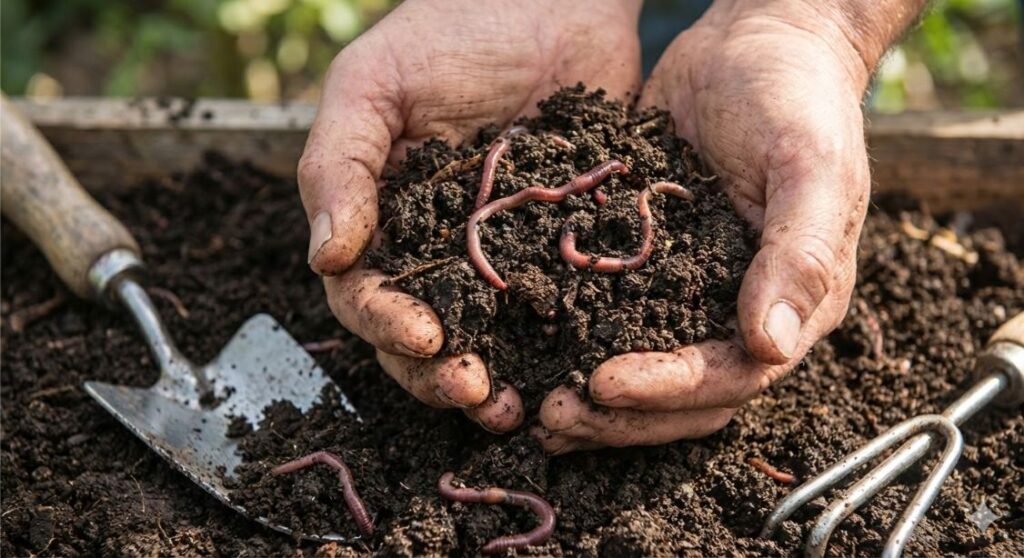
When you ditch synthetic fertilizers and switch to composting and natural amendments, something incredible happens beneath the surface. Your soil comes alive. Millions of beneficial microorganisms, earthworms, and fungi start thriving, creating a complex underground ecosystem that feeds your plants better than any store-bought product ever could.
Chemical fertilizers might give you quick results, but they’re like fast food for your garden. They provide nutrients, sure, but they gradually kill off the living organisms that make soil truly rich. Organic matter like compost, aged manure, and leaf mulch feeds these tiny helpers, and they return the favor by breaking down nutrients into forms your plants can actually use.
Why Living Soil Matters for Home Gardens
Living soil isn’t just healthier—it’s smarter. It holds moisture better during dry spells, drains properly during heavy rain, and actually gets better with each passing season. Think of it as a savings account that grows over time instead of depleting.
Your plants develop stronger root systems in living soil, which means they’re naturally more resistant to pests and diseases. They don’t need constant intervention because they’re growing in an environment that supports them from the ground up.
Simple Eco-Friendly Soil Improvement Tips
Start small. Save your kitchen scraps for a basic compost bin. Add grass clippings and fallen leaves to your garden beds instead of bagging them. Mulch around your plants with wood chips or straw. These simple steps cost almost nothing and transform your soil within a single growing season.
Benefit #2 – Long-Term Cost Savings Many Gardeners Don’t Expect
Reduced Spending on Fertilizers and Chemicals
Here’s where eco-friendly gardening really shines for your wallet. Once you establish healthy soil and choose the right plants, your ongoing costs drop dramatically. No more weekly trips to the garden center for bottles of this and bags of that.
Natural fertilizers like compost are essentially free if you make them yourself. Pest control becomes a matter of attracting beneficial insects rather than buying expensive sprays every month. The plants you choose—native species adapted to your area—don’t need constant feeding or treating because they’re already suited to your local conditions.
Lower Water Bills Through Smarter Gardening
Eco-friendly gardens are designed to work with nature, not against it. By choosing drought-tolerant plants, adding mulch to retain moisture, and grouping plants with similar water needs together, you’ll use significantly less water than traditional gardens.
Many eco-gardeners report cutting their outdoor water usage by half or more. In areas with high water costs or drought restrictions, that translates to serious savings every single month.
Budget-Friendly Eco Gardening Tools
You don’t need fancy equipment to garden sustainably. A good shovel, a rake, some basic hand tools, and maybe a rain barrel will cover most of your needs. Many eco-friendly gardeners get by with repurposed containers, homemade compost bins, and tools passed down through generations.
Benefit #3 – Better Air Quality Around Your Home
How Plants Filter Pollutants Naturally
Every plant in your garden acts as a tiny air purification system. Through their leaves, plants absorb carbon dioxide and release oxygen, but they also trap dust, pollen, and even some harmful pollutants. The more diverse your garden, the more effective this natural filtration becomes.
This isn’t just good for the planet—it directly improves the air you and your family breathe every day. If you live near a busy road or in an urban area, a well-planted eco-friendly garden creates a buffer zone that makes your outdoor space noticeably fresher.
Role of Eco-Friendly Gardening in Urban Areas
Cities need green spaces more than ever. Urban eco-gardens combat the heat island effect, reduce smog, and provide cleaner air in neighborhoods that desperately need it. Even a small balcony garden with the right plants contributes to this positive change.
Best Plants for Cleaner Air
Native plants typically filter air more effectively because they’re adapted to process local pollutants. Trees like maples and oaks are champions at this, but even shrubs, perennials, and grasses play important roles. The key is variety—different plants filter different things.

Benefit #4 – Increased Biodiversity in Your Backyard
Supporting Pollinators Like Bees and Butterflies
When you skip the pesticides and plant a variety of native flowers, your garden becomes a haven for pollinators. Bees, butterflies, hummingbirds, and beneficial insects flock to chemical-free spaces where they can feed safely.
These visitors don’t just look beautiful—they’re essential workers. Pollinators help your vegetables and fruits produce better harvests, and they support the broader ecosystem in your neighborhood. Every eco-friendly garden becomes a tiny wildlife refuge.
Creating a Balanced Mini-Ecosystem at Home
A diverse garden naturally regulates itself. Ladybugs eat aphids. Birds eat caterpillars. Spiders catch mosquitoes. When you stop using broad-spectrum pesticides that kill everything indiscriminately, these beneficial relationships develop on their own.
This balance means fewer pest problems without any intervention from you. Your garden essentially learns to take care of itself, and you get to enjoy the show.
Easy Ways to Attract Helpful Insects
Plant flowers that bloom at different times throughout the season. Leave some areas a little wild with native grasses and wildflowers. Provide water sources like shallow dishes with pebbles for insects to land on. Skip the pesticides, and the helpful bugs will find you.
Benefit #5 – Reduced Water Waste With Smart Gardening Choices
Water-Saving Gardening Techniques That Actually Work
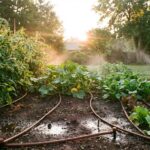
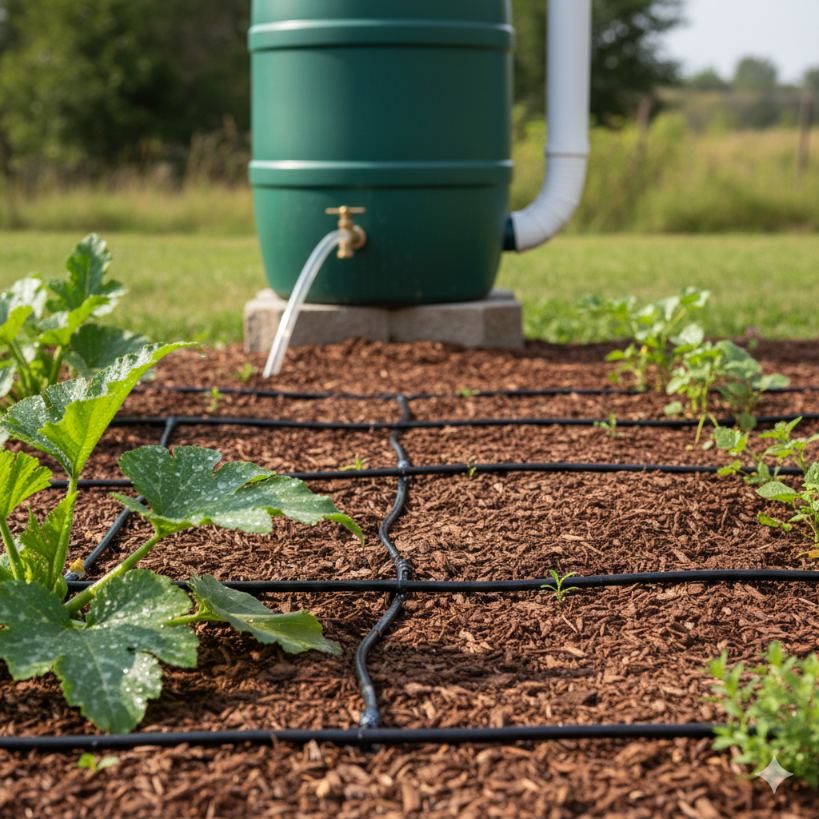
Eco-friendly gardening treats water as the precious resource it is. Techniques like drip irrigation, soaker hoses, and watering in the early morning reduce evaporation and ensure water reaches plant roots instead of disappearing into the air.
Mulching around plants creates a protective barrier that locks moisture into the soil. Just two to three inches of organic mulch can reduce your watering needs by up to 50 percent while also preventing weeds and enriching the soil as it breaks down.
Why Eco-Friendly Gardens Need Less Water
Plants native to your region have evolved to thrive on local rainfall patterns. They’ve developed deep root systems and natural adaptations that help them survive dry periods without constant irrigation. By choosing these plants, you’re working with nature’s design rather than fighting against it.
Healthy, living soil also holds water much better than depleted soil. It acts like a sponge, storing moisture during rainy periods and releasing it slowly to plant roots as needed.
Rainwater and Mulching Basics
Installing a rain barrel is one of the easiest eco-upgrades you can make. A single inch of rain on a 1,000-square-foot roof can fill several barrels with free, chemical-free water. Combine that with a good mulch layer, and you’ve got a water-wise garden that practically maintains itself.
Benefit #6 – Safer Outdoor Spaces for Kids and Pets
Dangers of Chemical-Based Gardening
Traditional garden chemicals carry warnings for good reason. They can cause skin irritation, breathing problems, and serious health issues if ingested—especially dangerous for children and pets who spend time playing outdoors.
Many common pesticides and herbicides have been linked to long-term health concerns. When you use them in your yard, they don’t just disappear. They linger on grass, get tracked indoors, and can contaminate the spaces where your family lives and plays.
Benefits of Natural Pest Control Methods
Eco-friendly pest management focuses on prevention and natural solutions. Companion planting, beneficial insects, physical barriers, and natural deterrents like garlic spray handle most issues without any toxic chemicals.
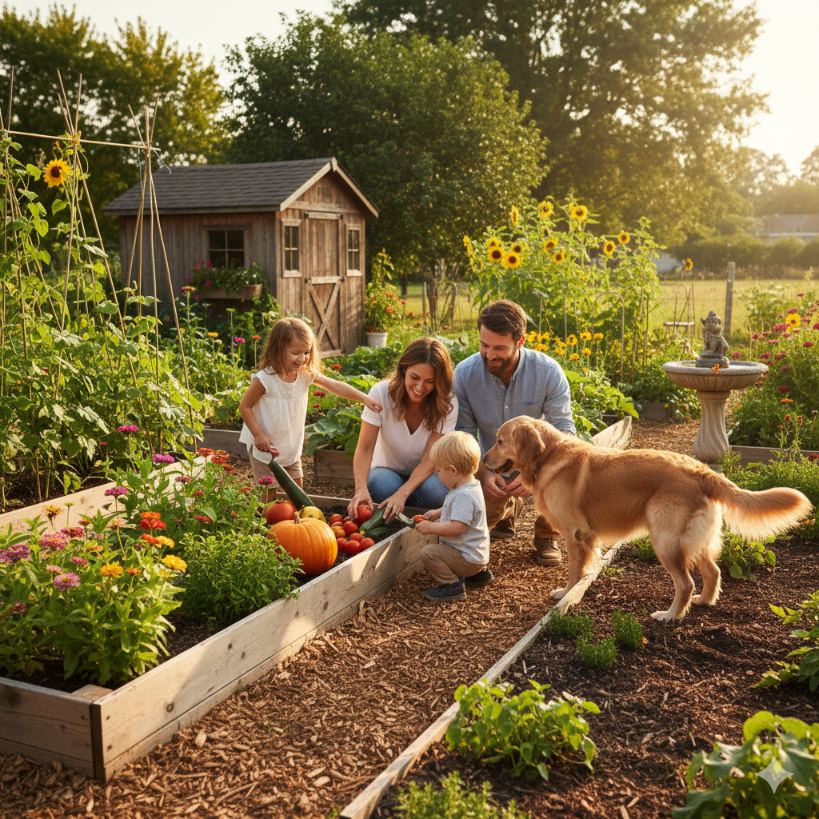
These methods might take slightly longer to show results, but they create a fundamentally safer environment. Kids can pick berries straight from the bush, pets can roll in the grass, and you never have to worry about harmful residues.
Child- and Pet-Safe Gardening Practices
Choose non-toxic mulches like shredded wood or straw instead of cocoa mulch, which is toxic to dogs. Avoid plants that are poisonous if ingested. Create clear pathways so kids and pets aren’t trampling delicate plants. These simple considerations make your garden a true family space.
Benefit #7 – Positive Impact on Mental Health and Daily Stress
Gardening as a Natural Stress Reliever
There’s real science behind why gardening makes people feel better. The physical activity releases endorphins, exposure to sunlight boosts vitamin D and improves mood, and the simple act of nurturing living things provides deep satisfaction.
Eco-friendly gardening amplifies these benefits because it connects you more intimately with natural cycles. You’re not just maintaining a space—you’re participating in an ecosystem, observing tiny changes, and being genuinely present in the moment.
Connection Between Nature and Emotional Well-Being
Studies consistently show that time spent in nature reduces anxiety, lowers blood pressure, and improves overall mental health. Your garden becomes a private retreat where you can unplug from screens, slow down, and just exist alongside other living things.
Many people find that their eco-friendly garden becomes their favorite form of meditation. The repetitive motions of weeding, the focus required for planting, and the peaceful observation of growth all create a mindful state that’s increasingly rare in our busy world.
Making Gardening a Mindful Daily Habit
Start with just 15 minutes a day. Morning coffee while checking on your plants. Evening walks through your garden beds. These small rituals accumulate into significant mental health benefits over time, and unlike gym memberships, your garden actually gets better the more you show up.
How to Start Eco-Friendly Gardening at Home (Beginner Tips)
Small Changes That Make a Big Difference
You don’t need to overhaul your entire yard overnight. Begin by starting a compost bin for kitchen scraps. Switch one garden bed to organic methods. Replace one area of lawn with native plants. These incremental changes build momentum and confidence.
Focus on observation during your first season. Notice which areas stay moist and which dry out quickly. See where pollinators congregate. Learn what grows easily in your conditions. This knowledge guides all your future decisions more effectively than any book or article ever could.
Common Beginner Mistakes to Avoid
Don’t try to fight your climate or soil type. Don’t plant everything at once and get overwhelmed. Don’t expect immediate perfection—eco-friendly gardens improve over time rather than looking magazine-ready from day one. And definitely don’t give up after one setback. Every experienced eco-gardener has killed plants and made mistakes.
The biggest mistake is overthinking it. Start somewhere, learn as you go, and remember that nature is incredibly forgiving and resilient when you work with it instead of against it.

Conclusion
Eco-friendly gardening offers so much more than pretty flowers and fresh vegetables. From the healthier soil beneath your feet to the cleaner air around your home, from the money saved to the mental peace gained, these seven hidden benefits transform not just your yard but your entire lifestyle.
This isn’t about being perfect or following rigid rules. It’s about making conscious choices that align with nature rather than working against it. Every small step—whether composting your coffee grounds, planting one native flower, or simply skipping the weed killer—contributes to a healthier ecosystem right outside your door.
The best time to start was yesterday. The second best time is right now. Begin small, stay consistent, and watch as your eco-friendly garden grows into something more valuable than you ever imagined.
Frequently Asked Questions (FAQs)
Is eco-friendly gardening expensive to start?
Not at all. Most eco-friendly practices actually save money. Composting is free, native plants cost the same as any plants, and you’ll spend far less on fertilizers, pesticides, and water over time. Many eco-gardeners start with items they already have or materials they find for free.
Can eco-friendly gardening work in small yards or balconies?
Absolutely. Container gardens, vertical growing spaces, and even windowsill herb gardens can all follow eco-friendly principles. Size doesn’t matter—the methods scale perfectly to any space, from tiny balconies to large properties.
How long does it take to see results?
You’ll notice some changes immediately, like reduced chemical exposure and the satisfaction of working naturally. Soil improvements typically show within one growing season. Full ecosystem development—with pollinators, beneficial insects, and balanced growth—usually takes two to three years, but the garden keeps getting better indefinitely.
Do eco-friendly gardens attract pests?
They attract insects, but that’s different from pest problems. Eco-gardens naturally develop balanced populations where beneficial insects keep pest insects under control. You’ll have more total insects than a chemical garden, but far fewer damaging pest outbreaks because the ecosystem self-regulates.
What is the easiest eco-friendly gardening method for beginners?
Start with composting and mulching. These two practices improve soil, reduce water needs, suppress weeds, and cost almost nothing. Add native plants suited to your area, and you’ve covered the fundamentals. Everything else builds naturally from this foundation.

Asif Ali is a gardening blogger with over 2 years of experience writing about garden inspiration, eco-friendly gardening, and beautiful garden destinations. He focuses on practical, sustainable ideas that help beginners create inspiring gardens with ease.