Scenic Garden Destinations USA: Have you ever walked into a garden so beautiful it stopped you in your tracks? The kind of place where every corner feels like stepping into a painting, and you can’t help but wonder if it’s even real?
Garden tourism is quietly booming across the United States. More people are seeking peaceful escapes, Instagram-worthy landscapes, and connections with nature that feel genuinely restorative. These aren’t just parks with some flowers—these are carefully designed landscapes featuring rare plant collections, architectural marvels, and ecosystems from around the world, all thriving on American soil.
What makes these gardens truly “unreal” is the sheer scale and artistry behind them. Imagine wandering through a Japanese Zen garden in Oregon, exploring a massive desert landscape in Arizona, or strolling beneath glowing fountains in Pennsylvania. Whether you’re a seasoned traveler, a casual nature lover, or a photographer hunting for that perfect shot, these scenic garden destinations offer something extraordinary. Let’s explore ten of the most breathtaking gardens in the USA that you need to see to believe.

#1 Longwood Gardens – Kennett Square, Pennsylvania
Why This Garden Looks Unreal
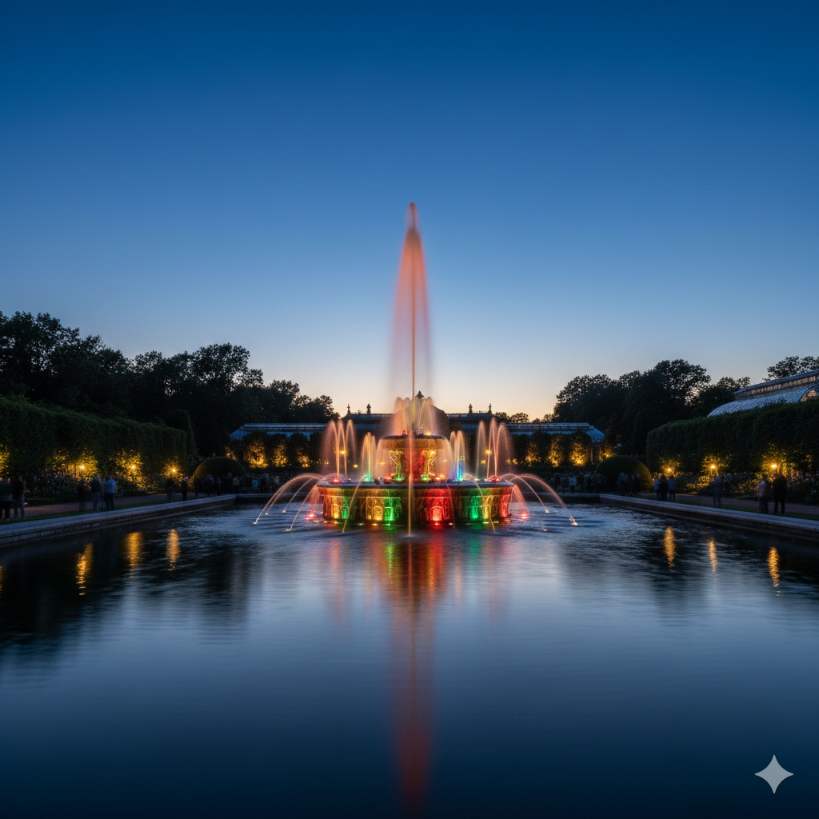
Longwood Gardens spans over 1,000 acres and feels like several gardens rolled into one spectacular estate. The estate features massive conservatories filled with exotic plants, outdoor gardens that change dramatically with the seasons, and the iconic fountain garden with choreographed water displays set to music. Walking through the heated conservatories in winter while snow falls outside creates a surreal tropical escape.
Must-See Highlights
The Main Fountain Garden is absolutely mesmerizing, especially during evening performances when 1,719 fountain jets dance to music and lights. The massive conservatories house everything from orchids to Mediterranean plants. Don’t miss the meadow garden in late summer when native wildflowers create waves of color across the landscape.
Best Time to Visit
Spring brings tulips and magnolias, summer offers the fountain shows, fall delivers chrysanthemum displays, and winter transforms the conservatories into a warm oasis. Each season has its magic here.
Visitor Tips
Admission runs around $25 for adults. Arrive early morning on weekdays to avoid crowds. The property is wheelchair accessible, but be prepared to walk—there’s a lot to explore. Reserve fountain show tickets in advance during peak season.
#2 Butchart Gardens – Brentwood Bay (Near Seattle), Washington State
Why This Garden Looks Unreal
While technically just across the border in British Columbia, Butchart Gardens is easily accessible from Washington State and feels like a European fantasy. This 55-acre garden was transformed from a limestone quarry into one of North America’s most visited floral showplaces. The Sunken Garden alone—carved into the former quarry—looks like something out of a fairy tale.
Must-See Highlights
The Sunken Garden is the crown jewel, with stone walls dripping in flowering vines and perfectly arranged beds creating layers of color. The Rose Garden peaks in June and July with fragrant blooms. The Japanese Garden offers a peaceful contrast with its simplicity and balance.
Best Time to Visit
Late spring through early summer showcases the most dramatic displays, but autumn brings warm colors and fewer visitors. They even decorate elaborately for Christmas with thousands of lights.
Visitor Tips
Admission is about $35 USD. The garden requires significant walking on uneven terrain, so wear comfortable shoes. Photography is encouraged, and you’ll want your camera for the sunset views over the gardens.
#3 Desert Botanical Garden – Phoenix, Arizona
Why This Garden Looks Unreal
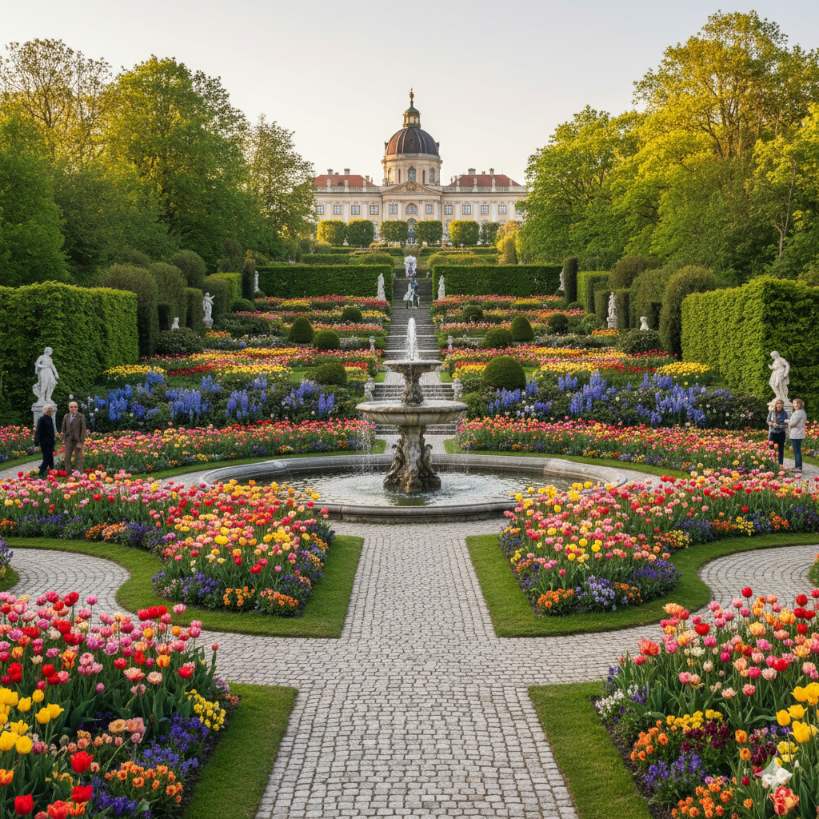
Cacti taller than buildings, wildflower blooms in the middle of the desert, and a landscape that looks more like another planet than Earth—this 140-acre garden showcases over 50,000 desert plants. The stark beauty of the Sonoran Desert becomes accessible and educational here, with rare species you won’t see anywhere else.
Must-See Highlights
The Desert Wildflower Loop Trail explodes with color in spring. The Sonoran Desert Nature Loop Trail features towering saguaro cacti and gives you the classic Arizona desert experience. Don’t miss the carnivorous plant display—yes, even deserts have these fascinating species.
Best Time to Visit
February through April is prime time when desert wildflowers bloom and temperatures stay comfortable. Summer visits should happen early morning or late afternoon to avoid extreme heat.
Visitor Tips
Entry is around $30. The trails are mostly paved and accessible. Bring water, sunscreen, and a hat even in cooler months. The garden offers evening flashlight tours that reveal the desert’s nocturnal beauty.
#4 Brooklyn Botanic Garden – Brooklyn, New York
Why This Garden Looks Unreal
Finding a 52-acre oasis in the heart of Brooklyn feels impossible, yet here it is. The Japanese Hill-and-Pond Garden is considered one of the finest outside Japan, complete with a traditional torii gate, koi-filled ponds, and cherry trees that transform the space each spring. The contrast between urban skyline and serene garden creates a dreamlike atmosphere.
Must-See Highlights
Cherry Esplanade becomes legendary during Sakura Matsuri (cherry blossom festival) when over 200 cherry trees bloom simultaneously. The Shakespeare Garden features plants mentioned in the playwright’s works. The Cranford Rose Garden showcases nearly 5,000 roses at peak bloom.
Best Time to Visit
Late April for cherry blossoms, June for roses, and autumn for changing foliage. Each season transforms the garden completely.
Visitor Tips
Admission is around $18 for adults, though some days offer free entry. The garden is highly walkable and accessible. Weekday mornings offer the most peaceful experience, especially during cherry blossom season.
#5 Huntington Botanical Gardens – San Marino, California
Why This Garden Looks Unreal
The Huntington combines art, library, and 120 acres of specialized gardens into one incredible destination. The diversity is mind-blowing—you can walk from a Japanese garden to a desert landscape to a Chinese garden in minutes. Each area is so meticulously designed it feels like teleporting between different countries.
Must-See Highlights
The Chinese Garden (Liu Fang Yuan) is one of the largest Chinese gardens outside China, featuring traditional architecture, rock formations, and water features. The Desert Garden displays thousands of mature cacti and succulents that look prehistoric. The Japanese Garden offers peaceful reflection with its koi ponds and moon bridge.
Best Time to Visit
Spring brings the most diverse blooms, but the desert and Chinese gardens shine year-round. Weekday visits offer a more contemplative experience.
Visitor Tips
Admission is $29 on weekdays, $33 on weekends. Reserve tickets online in advance as they limit daily visitors. Allow at least 3-4 hours to explore properly. The site includes art galleries and rare book collections as bonus attractions.
#6 Portland Japanese Garden – Portland, Oregon
Why This Garden Looks Unreal
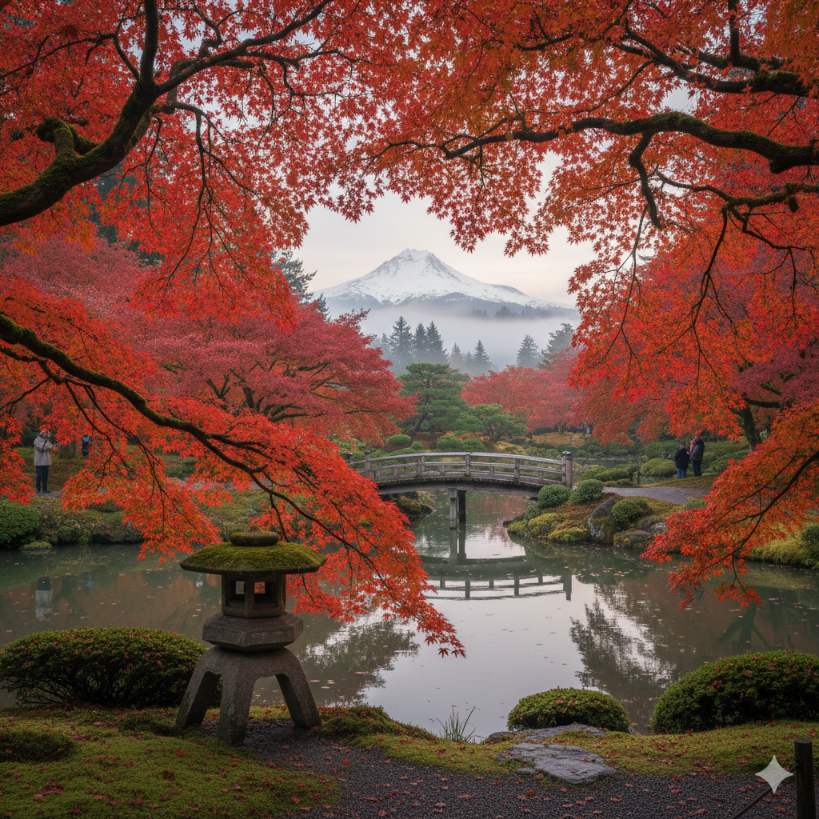
Perched in the hills above Portland, this 12-acre garden is considered the most authentic Japanese garden outside Japan. The minimalist design, careful plant selection, and attention to borrowed scenery (incorporating Mt. Hood views) create an atmosphere of pure tranquility. Every stone, every plant, every view feels intentionally placed.
Must-See Highlights
The garden actually contains eight separate garden styles within its space. The Strolling Pond Garden with its waterfall and bridges is most photographed. The Tea Garden demonstrates traditional Japanese tea ceremony aesthetics. The Flat Garden showcases raked gravel patterns that seem to flow like water.
Best Time to Visit
Spring for cherry blossoms and azaleas, autumn for brilliant Japanese maple colors. Even rainy days add to the atmospheric beauty here.
Visitor Tips
Admission is $20 for adults. The garden sits on a hillside with significant elevation changes—wear appropriate footwear. Photography is encouraged but tripods require permission. The Cultural Village offers tea ceremonies and educational programs.
#7 Naples Botanical Garden – Naples, Florida
Why This Garden Looks Unreal
This 170-acre garden showcases tropical ecosystems from around the world—Caribbean, Brazilian, Asian, and Floridian habitats all in one location. The lush tropical plants, water features, and architectural elements create spaces that feel exotic and otherworldly. Walking through feels like traveling the globe’s tropical regions in an afternoon.
Must-See Highlights
The Water Garden features sculptural fountains and tropical water plants. The Brazilian Garden bursts with vibrant tropical species rarely seen in the US. The Burmese Garden offers Asian-inspired design with traditional structures. The native Florida habitats showcase the surprising diversity of local ecosystems.
Best Time to Visit
November through April offers comfortable temperatures and peak blooming. Summer visits are possible but expect heat and humidity. Morning visits are cooler and offer better wildlife viewing.
Visitor Tips
Admission is around $20. The garden is mostly flat and accessible, with shaded areas throughout. Bring insect repellent during warmer months. Free guided tours help identify unusual plants and explain garden design.
#8 Atlanta Botanical Garden – Atlanta, Georgia
Why This Garden Looks Unreal
The urban location makes this 30-acre garden feel like a hidden world in the middle of Atlanta. The Canopy Walk—a 600-foot elevated walkway through the treetops—offers perspectives you’d never get at ground level. The Fuqua Orchid Center houses rare orchids in a stunning glass structure that glows at night.
Must-See Highlights
The Canopy Walk takes you 40 feet above ground through the forest canopy. The Orchid Center contains thousands of orchids from around the world displayed in naturalistic settings. Seasonal installations like the Earth Goddess sculpture (covered in living plants) and holiday light displays create Instagrammable moments.
Best Time to Visit
Spring for dogwoods and azaleas, summer for tropical displays, and December for the spectacular Garden Lights holiday show that transforms the entire garden.
Visitor Tips
Admission runs about $25 for adults. The Canopy Walk has weight limits and may close in severe weather. Reserve Garden Lights tickets well in advance—they sell out quickly. The garden hosts concerts and events throughout the year.
#9 Missouri Botanical Garden – St. Louis, Missouri
Why This Garden Looks Unreal
Founded in 1859, this is one of the oldest botanical gardens in the United States and still one of the best. The 79-acre garden combines Victorian architecture, a massive geodesic dome conservatory, and diverse garden collections. The Japanese Garden is one of the largest in North America, and the Victorian District shows historical garden design at its finest.
Must-See Highlights
The Climatron conservatory—a geodesic dome housing a tropical rainforest—feels like entering another ecosystem entirely. The Japanese Garden spans 14 acres with traditional architecture and seasonal displays. The Victorian District gardens showcase historical horticultural styles. The Children’s Garden makes this destination family-friendly.
Best Time to Visit
Spring brings flowering trees and bulbs, summer offers tropical displays and water lily blooms, fall delivers chrysanthemums, and winter holidays feature a light display in the Climatron.
Visitor Tips
Admission is about $15 for adults. The garden is largely accessible with paved pathways. The Japanese Garden requires separate timed entry during peak bloom seasons. Allow 2-3 hours to explore the highlights.
#10 Lotusland – Montecito, California
Why This Garden Looks Unreal
This 37-acre estate garden is so unique that visitors must book reservations in advance—it’s not a casual drop-in destination. Created by opera singer and socialite Madame Ganna Walska, Lotusland features theatrical garden rooms with rare and exotic plants arranged in artistic, sometimes eccentric ways. The garden feels more like living art than traditional horticulture.
Must-See Highlights
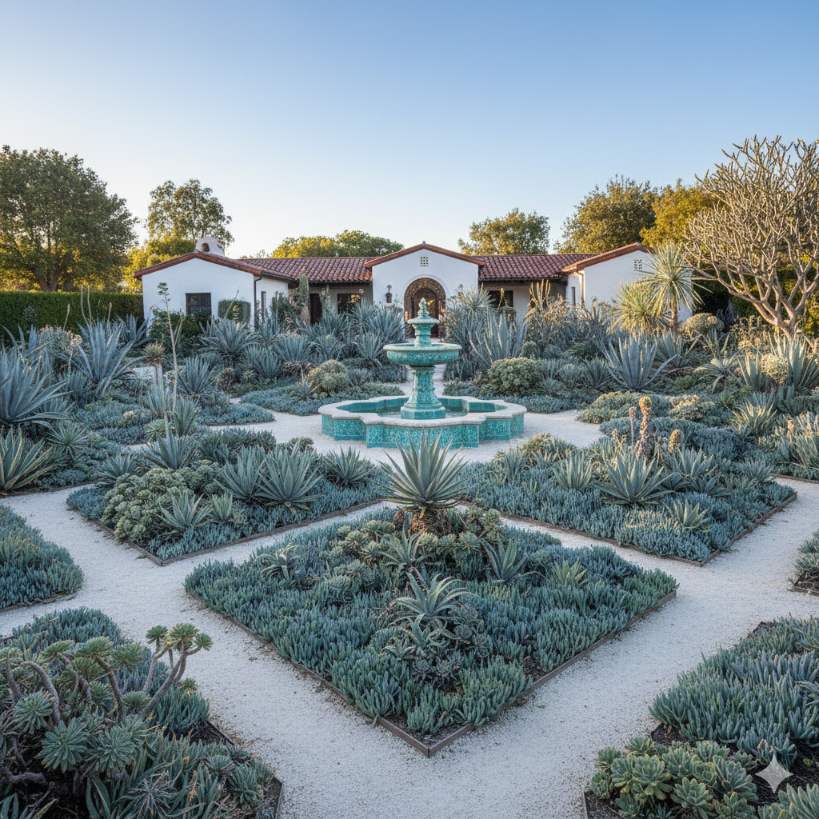
The Blue Garden features silver and blue plants creating a monochromatic dreamscape. The Cactus Garden displays massive specimens including rare species. The Aloe Garden blooms dramatically in winter. The Water Garden and Theatre Garden showcase Walska’s creative vision for plant-as-art.
Best Time to Visit
Mid-November through mid-February offers comfortable weather and winter-blooming aloes. Spring brings broader plant diversity.
Visitor Tips
Admission is $55 and reservations are required—book weeks or months in advance. Tours are guided and last about two hours. The garden is only open Wednesday through Saturday. Photography is allowed but commercial shoots require permission. The exclusivity and careful preservation make this truly special.
Best Scenic Gardens in the USA for Photography
These gardens offer exceptional photography opportunities, but timing and technique matter. Golden hour—the hour after sunrise or before sunset—provides the most flattering light for garden photography. The soft, warm light brings out colors without harsh shadows.
For mobile photographers, use portrait mode to blur backgrounds and make flowers pop. Clean your lens before shooting, tap to focus on your subject, and experiment with angles—get low for dramatic flower shots or shoot upward to include sky. Most gardens allow tripods but check policies first.
DSLR users should bring a macro lens for flower details and a wide-angle lens for landscape shots. A polarizing filter reduces glare on water features and deepens sky colors. Overcast days actually work beautifully for even lighting without harsh shadows.
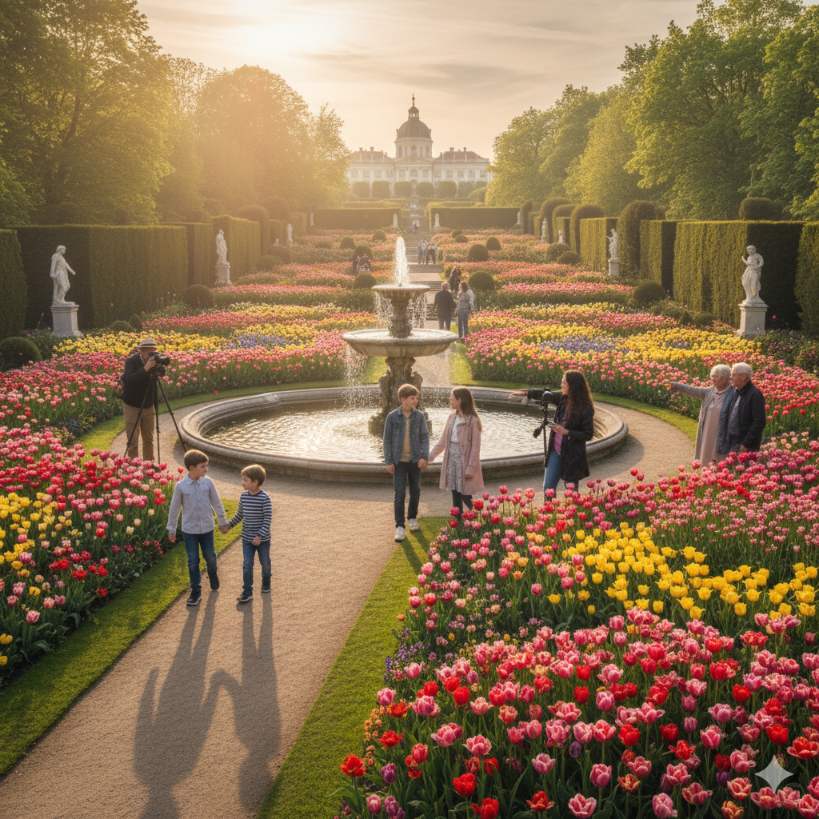
Remember to be respectful—stay on paths, don’t pick flowers or damage plants for shots, and be aware of other visitors. The best garden photos often include a human element for scale—a person admiring flowers or walking down a path adds story to the image.
Best Time of Year to Visit Scenic Gardens in the USA
Spring is traditionally peak season for most American gardens. April through early June brings blooming bulbs, flowering trees, and the most diverse color displays. However, this also means larger crowds and higher admission prices at some locations.
Fall offers underrated beauty with fewer visitors. September through November showcases changing foliage, autumn-blooming plants like chrysanthemums, and comfortable temperatures. The quality of light in autumn creates warm, golden tones perfect for photography.
Summer works best for tropical gardens like Naples Botanical Garden, where heat-loving plants thrive. Desert gardens actually look surprisingly good after summer monsoons bring brief but intense blooming. However, summer visits to outdoor gardens in hot climates should happen early morning or late afternoon.
Winter shouldn’t be dismissed—conservatory gardens like Longwood shine year-round. California gardens enjoy mild weather perfect for winter visits. Several gardens create spectacular holiday light displays that transform the landscape entirely.
Why Scenic Gardens Are Becoming Top Travel Destinations
Garden tourism is experiencing remarkable growth as travelers seek meaningful experiences beyond traditional sightseeing. These destinations offer something deeper than quick attractions—they provide spaces for restoration, education, and connection with nature.
Eco-tourism trends support this growth. Visitors increasingly value sustainable travel and want to support conservation efforts. Botanical gardens actively preserve endangered plant species, educate about climate change, and protect biodiversity. Your visit directly funds these important missions.
Mental wellness is another driving factor. Research shows that time spent in gardens reduces stress, improves mood, and provides restorative benefits. In an increasingly digital world, gardens offer genuine disconnection and mindfulness opportunities. The act of slowly walking through beautiful spaces, observing seasonal changes, and breathing fresh air provides therapeutic value that resonates with modern travelers.
Social media plays a role too, though not the shallow way you might think. Yes, gardens are photogenic, but platforms like Instagram help people discover these destinations and share genuine enthusiasm. When someone posts photos from their garden visit, they’re often sharing a meaningful experience that inspires others to seek similar connections with nature.
FAQs About Scenic Garden Destinations in the USA
What is the most beautiful garden in the USA?
Beauty is subjective, but Longwood Gardens in Pennsylvania and Huntington Botanical Gardens in California consistently rank highest for diversity, scale, and wow-factor. For pure artistry, Lotusland in California is unmatched. For specific styles, Portland Japanese Garden is considered the finest Japanese garden outside Japan.
Are US botanical gardens open year-round?
Most botanical gardens remain open year-round, though hours vary seasonally. Gardens in northern climates may close certain outdoor areas during winter while keeping conservatories open. Always check the specific garden’s website before visiting, especially during holidays.
Which gardens are best for families?
Brooklyn Botanic Garden, Missouri Botanical Garden, and Atlanta Botanical Garden all offer excellent children’s gardens with interactive features. Naples Botanical Garden has family-friendly trails and educational programs. Look for gardens with diverse terrain, shaded areas, and changing activities to keep kids engaged.
Are these gardens eco-friendly?
Yes, most botanical gardens lead in sustainable practices. They conserve water, use organic growing methods, preserve endangered species, and educate about environmental stewardship. Many gardens feature native plant displays promoting local ecosystem health. Your admission fees directly support conservation and research programs.
[Image Prompt: Diverse group of visitors enjoying a scenic garden – families with children, photographers, and couples walking peaceful pathways surrounded by colorful blooms]
Plan Your Garden Adventure
These ten scenic garden destinations prove that the United States offers some of the world’s most breathtaking horticultural experiences. Whether you’re drawn to desert landscapes, Japanese Zen aesthetics, tropical ecosystems, or classic European designs, there’s a garden waiting to amaze you.
The best part? Each visit supports important conservation work while giving you a memorable experience. These gardens aren’t static displays—they’re living, changing environments where every season brings something new to discover.
Which garden feels the most unreal to you? Have you visited any of these destinations, or is there a hidden gem garden we should know about? Share your experiences in the comments below—we’d love to hear about your favorite scenic gardens across the USA.
Start planning your garden adventure today. Pick a destination, check their seasonal highlights, and book your visit. These extraordinary places are waiting to welcome you into their unreal beauty.

Asif Ali is a gardening blogger with over 2 years of experience writing about garden inspiration, eco-friendly gardening, and beautiful garden destinations. He focuses on practical, sustainable ideas that help beginners create inspiring gardens with ease.