Starting an organic garden can feel overwhelming when you’re just beginning. Between managing pests naturally, keeping plants healthy, and trying to conserve resources, there’s a lot to learn. But here’s the good news: organic gardening doesn’t have to be complicated or time-consuming.
Whether you’re growing tomatoes in your backyard in Arizona or cultivating herbs on your apartment balcony in Seattle, these practical maintenance tips will help you create a thriving garden while saving water and protecting the environment. I’ve spent years helping beginners across the United States start their first organic gardens, and these are the techniques that consistently deliver results without requiring expensive equipment or advanced knowledge.
Let’s dive into 25 straightforward organic garden maintenance tips that anyone can implement, with special attention to water saving gardening techniques that work in various climates across America.
Understanding Your Garden’s Water Needs
Before you can master water saving gardening techniques, you need to understand how much water your plants actually need. Most beginners make the mistake of either overwatering or following a rigid schedule that doesn’t account for weather changes.
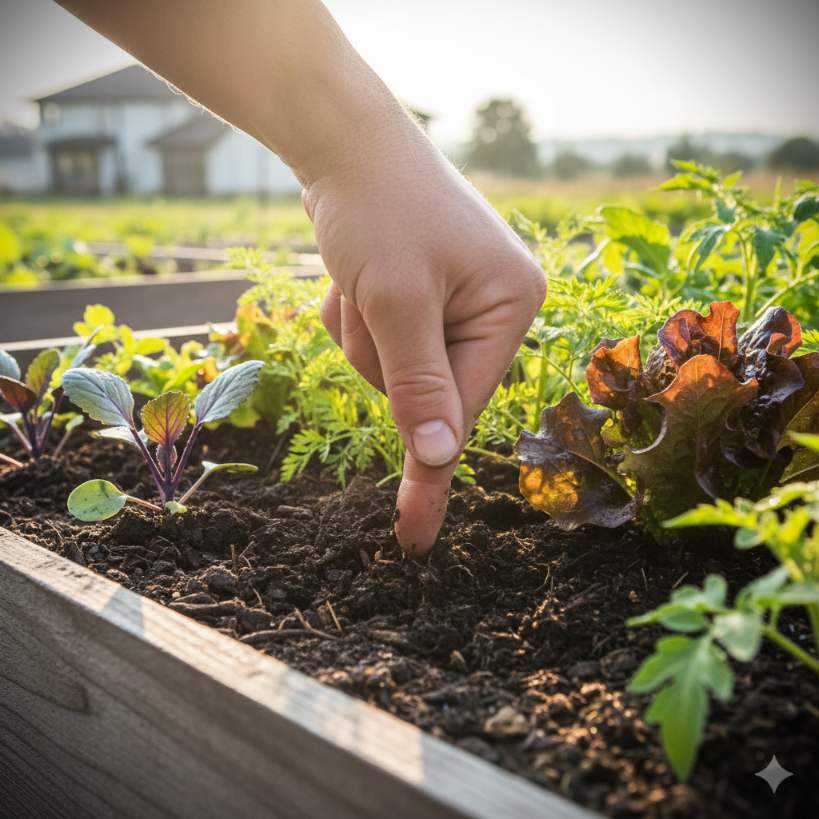
Check your soil moisture by sticking your finger about two inches deep into the ground. If it feels dry at that depth, it’s time to water. Different plants have different needs—leafy greens need consistent moisture, while tomatoes prefer slightly drier conditions between waterings. Pay attention to your local climate too. Gardens in humid regions like Florida need less frequent watering than those in dry states like Nevada or New Mexico.
Mulching: Your Best Friend for Water Conservation
Mulching is one of the most effective water saving gardening techniques available to any gardener. A three-inch layer of organic mulch around your plants reduces water evaporation by up to 70%, keeps soil temperatures stable, and suppresses weeds that compete for moisture.
Use materials like shredded leaves, straw, grass clippings, or wood chips. In northern states, mulch also protects plant roots during harsh winters. Apply mulch in spring after the soil warms up, leaving a small gap around plant stems to prevent rot. As the mulch breaks down, it adds nutrients back into your soil, creating a natural fertilization cycle.
Drip Irrigation and Soaker Hoses
Installing a simple drip irrigation system or soaker hoses is a game-changer for busy gardeners. These systems deliver water directly to plant roots, reducing waste from evaporation and runoff by about 50% compared to overhead sprinklers.
You don’t need professional installation—basic kits available at any garden center cost less than $50 and take an hour to set up. Run soaker hoses between plant rows and cover them with mulch. Water early in the morning to minimize evaporation and allow foliage to dry before evening, which helps prevent fungal diseases.
Composting for Soil Health
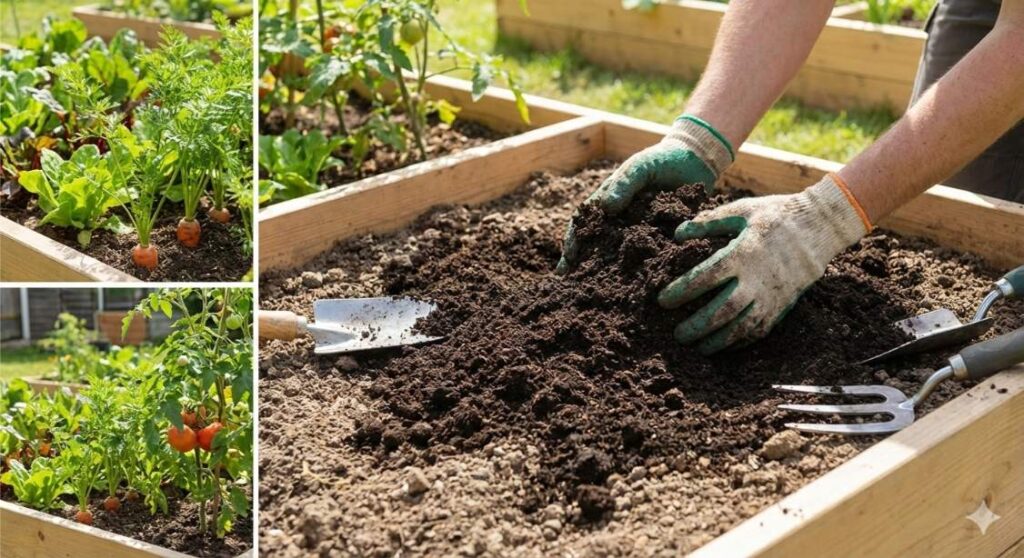
Healthy soil holds water better, and composting is the foundation of organic garden maintenance tips that improve soil structure. Start a simple compost pile with kitchen scraps, yard waste, and garden clippings. Avoid meat, dairy, and oily foods.
Turn your compost every few weeks and keep it as moist as a wrung-out sponge. In three to six months, you’ll have rich, dark compost that improves water retention in sandy soils and drainage in clay soils. Mix finished compost into your garden beds each spring and fall.
Companion Planting for Natural Pest Control
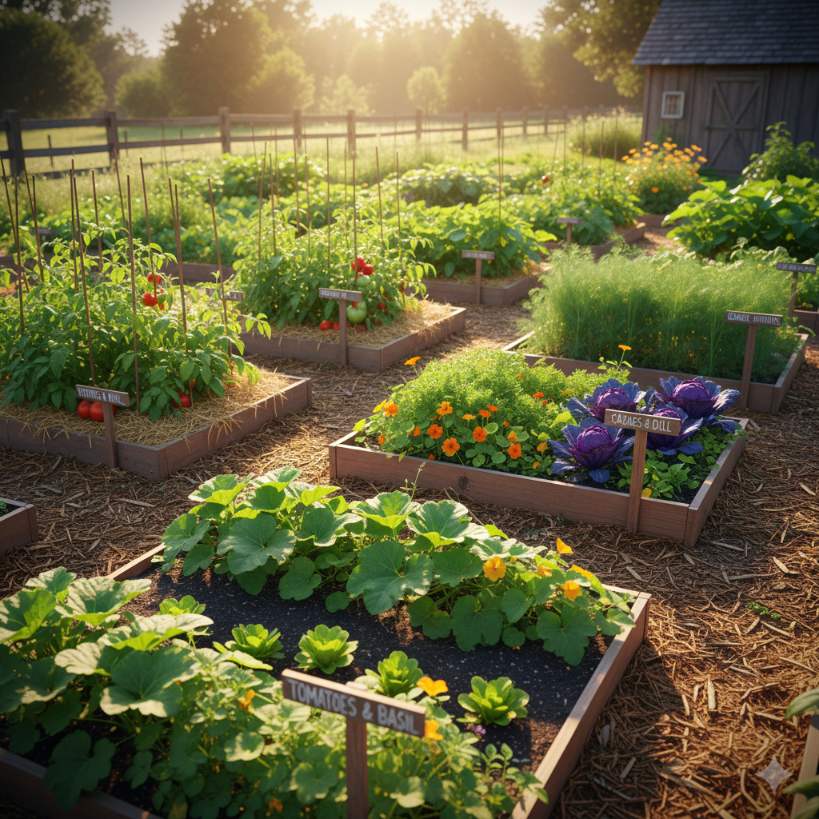
Companion planting uses plant relationships to naturally deter pests and attract beneficial insects. Plant marigolds near tomatoes to repel aphids, or grow basil alongside peppers to improve their flavor and keep away harmful insects.
Nasturtiums act as trap crops, attracting aphids away from your vegetables. Plant dill and fennel to attract ladybugs and lacewings, which eat destructive pests. This organic approach eliminates the need for chemical pesticides while creating a more diverse, resilient garden ecosystem.
Water-Wise Plant Selection
Choose plants suited to your region’s natural rainfall patterns. Native plants and drought-tolerant varieties require less supplemental watering once established. In the Southwest, consider growing herbs like rosemary and lavender. In the Midwest, native prairie plants like coneflowers thrive with minimal care.
Even vegetable gardens benefit from smart selection. Cherry tomatoes typically need less water than beefsteak varieties. Beans, squash, and peppers are more drought-tolerant than lettuce or cucumbers. Group plants with similar water needs together for more efficient irrigation.
Proper Timing for Garden Tasks
Water your garden in the early morning between 5 and 9 AM. This timing allows water to soak deep into the soil before the day’s heat causes evaporation. Morning watering also ensures foliage dries quickly, reducing disease risk.
Harvest vegetables regularly to encourage continued production. Prune and weed in the morning when plants are turgid and less stressed. These simple timing adjustments make your maintenance tasks more effective and protect plant health.
Rain Barrel Collection Systems
Installing rain barrels is one of the easiest water saving gardening techniques for homeowners. A single inch of rain falling on a 1,000-square-foot roof produces over 600 gallons of water you can capture and use.
Position barrels under downspouts and elevate them slightly for gravity-fed watering. Most hardware stores sell complete kits with screens to keep out debris and mosquitoes. This free water source reduces your utility bills while providing chlorine-free water that plants prefer.
Hand Weeding and Natural Weed Control
Weeds compete with your plants for water and nutrients. Hand-pull weeds when soil is moist, removing the entire root system. Weeding after rain or watering makes this task easier and more effective.
Apply mulch to prevent weed seeds from germinating. For persistent weeds in pathways, pour boiling water over them or use a concentrated vinegar solution on sunny days. These organic methods avoid chemical herbicides while keeping your garden tidy.
Crop Rotation Basics
Rotating crops prevents soil depletion and breaks pest and disease cycles. Divide your garden into sections and move plant families to different areas each year. Don’t plant tomatoes, peppers, or eggplants in the same spot more than once every three years.
Follow heavy feeders like corn and tomatoes with nitrogen-fixing legumes such as beans and peas. This natural cycle reduces fertilizer needs and maintains soil health without chemical inputs.
Testing and Amending Soil pH
Test your soil pH every few years using an inexpensive kit from any garden center. Most vegetables prefer a pH between 6.0 and 7.0. Acidic soils benefit from lime applications, while alkaline soils improve with sulfur or compost amendments.
Proper pH ensures plants can access nutrients already present in your soil, reducing the need for additional fertilizers. This is a foundational element of organic garden maintenance tips that many beginners overlook.
Encouraging Beneficial Insects
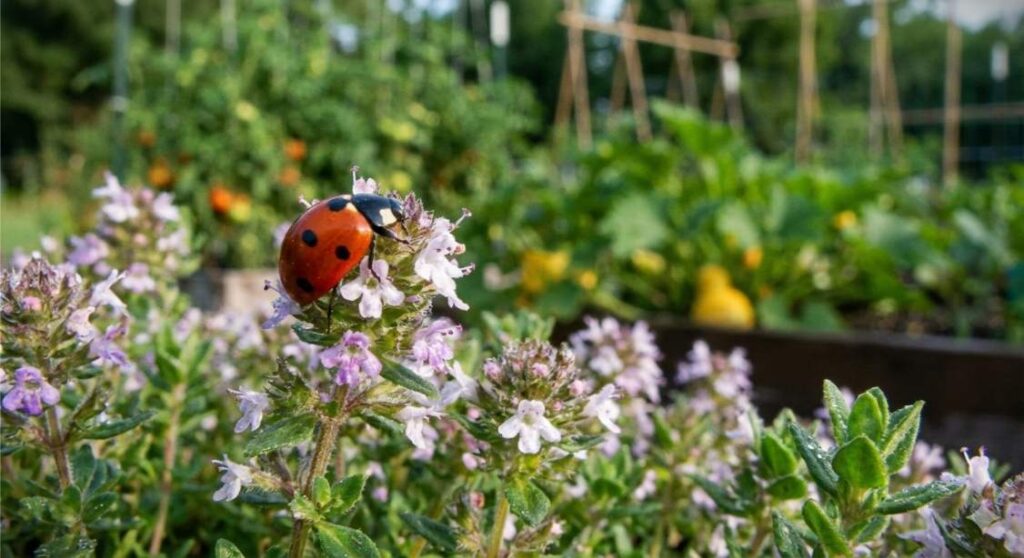
Create habitat for helpful garden insects by planting diverse flowering plants. Allow some herbs like cilantro and dill to flower, attracting hoverflies that eat aphids. Grow perennials like yarrow and goldenrod to provide year-round resources for beneficial insects.
Leave small areas of your garden undisturbed to give ground beetles places to overwinter. These natural predators control slug and caterpillar populations without any intervention from you.
Deep Watering Versus Shallow Watering
Water deeply but less frequently to encourage deep root growth. Shallow, frequent watering creates weak root systems that can’t access moisture during dry periods. Apply enough water to penetrate six to eight inches deep, then let the soil dry somewhat before watering again.
Use a moisture meter or simply dig down to check how far water is penetrating. This approach uses less total water while creating stronger, more drought-resistant plants.
Natural Disease Prevention
Prevent plant diseases through good cultural practices rather than chemical treatments. Space plants properly for air circulation. Water at soil level rather than overhead to keep foliage dry. Remove diseased leaves immediately and don’t compost them.
Clean your tools between plants, especially when working with tomatoes or other disease-prone crops. These simple organic garden maintenance tips prevent most common diseases without any sprays or treatments.
Succession Planting for Continuous Harvest
Plant small amounts of quick-maturing crops every two weeks rather than one large planting. This succession planting approach provides continuous harvests and prevents waste from too much produce ripening simultaneously.
Works especially well for lettuce, radishes, beans, and carrots. In southern states, you can succession plant almost year-round. Northern gardeners can typically manage spring and fall successions.
Using Cover Crops
Plant cover crops like clover, vetch, or annual rye in empty garden beds during off-seasons. These plants prevent erosion, suppress weeds, and add organic matter when you till them under before planting.
Legume cover crops fix nitrogen from the air, naturally fertilizing your soil. In mild climates, grow cover crops over winter. In colder regions, plant them after summer harvests for fall growth.
Attracting Pollinators
Grow flowering plants throughout your garden to attract bees, butterflies, and other pollinators. Without pollinators, crops like squash, cucumbers, and tomatoes produce poorly.
Plant native wildflowers around garden edges. Allow vegetables to flower before removing them. Provide water sources like shallow dishes with pebbles for insects to land on. These simple additions dramatically improve yields.
Organic Fertilization Methods
Feed your soil rather than your plants using organic materials. Side-dress growing plants with compost or well-aged manure. Make compost tea by steeping finished compost in water for a liquid fertilizer.
Fish emulsion and kelp extracts provide quick nutrition boosts when plants look stressed. Apply organic fertilizers monthly during the growing season rather than following synthetic fertilizer schedules.
Water-Retaining Soil Amendments
Improve your soil’s water-holding capacity by adding organic matter annually. Compost, aged manure, and peat moss all help sandy soils retain moisture longer while improving drainage in heavy clay.
Work these amendments into the top six inches of soil. Over time, this practice reduces watering needs significantly while improving overall soil health and plant productivity.
Proper Pruning Techniques
Remove dead or diseased plant material promptly to prevent problems from spreading. Prune tomato suckers to direct energy into fruit production. Pinch back herbs to encourage bushier growth.
Use clean, sharp tools and make cuts at an angle to shed water. Proper pruning improves air circulation, reduces disease pressure, and increases yields without chemical interventions.
Grasscycling and Grass Clipping Mulch
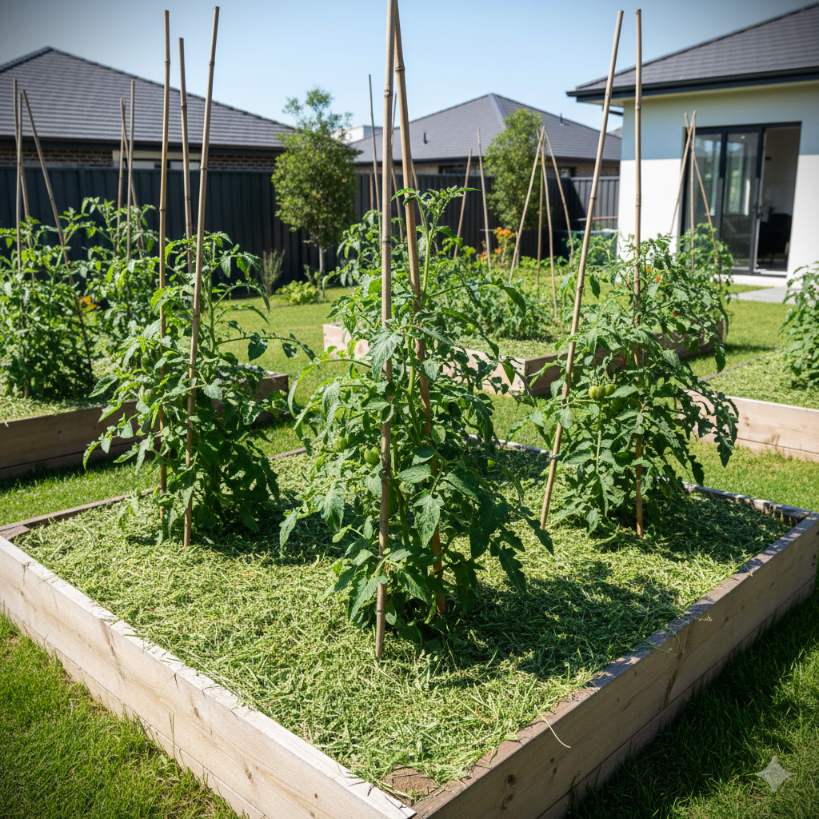
Use grass clippings from untreated lawns as free mulch and fertilizer. Let thin layers dry slightly before applying to prevent matting. Grass clippings are high in nitrogen and break down quickly, feeding your soil.
Apply no more than an inch at a time around plants. This waste product becomes a valuable resource when used thoughtfully in your garden.
Hardening Off Transplants
Gradually acclimate seedlings started indoors before transplanting them outside. Place them in a sheltered outdoor spot for a few hours daily, gradually increasing exposure over 7-10 days.
This process prevents transplant shock and strengthens plants. Hardened-off transplants establish faster and require less water after planting.
Monitoring and Early Intervention
Walk through your garden daily, observing plants closely. Catch pest or disease problems early when they’re easiest to address. Remove affected leaves or hand-pick pests before populations explode.
This regular attention is one of the most valuable organic garden maintenance tips. Early intervention almost always succeeds, while ignoring problems leads to major issues requiring drastic measures.
Seasonal Garden Cleanup
Clean up garden debris in fall to reduce overwintering pests and diseases. Remove dead plant material, but leave perennial stems standing to provide winter habitat for beneficial insects.
In spring, remove any remaining debris before new growth starts. This seasonal cleaning prevents many problems without chemical treatments while keeping your garden looking tidy.
Creating Microclimates
Use structures, fences, and plant placement to create microclimates that conserve water. Plant moisture-loving crops in naturally shady spots. Position reflective surfaces near sun-loving plants to increase light and warmth.
Group containers together to create humid microclimates that reduce water loss. These strategic placements work with natural conditions rather than fighting them.
Record Keeping for Future Success
Keep a simple garden journal noting planting dates, weather patterns, pest problems, and harvest results. Photograph your garden throughout the season to document what worked and what didn’t.
These records become invaluable references for planning future gardens. You’ll remember which water saving gardening techniques worked best in your specific conditions and which varieties thrived with minimal input.
Water-Saving Gardening Techniques for Front Yards That Still Look Luxury
Frequently Asked Questions
How often should I water my organic garden? Water deeply when the top two inches of soil feel dry rather than following a rigid schedule. Most gardens need about one inch of water weekly from rain or irrigation, but this varies by climate, soil type, and plant selection. Morning watering between 5-9 AM minimizes evaporation losses.
What’s the easiest way to start composting for beginners? Begin with a simple pile or bin in a shady spot. Layer brown materials like dry leaves with green materials like kitchen scraps in roughly equal amounts. Keep it as moist as a wrung-out sponge and turn it monthly. Avoid meat, dairy, and oils. You’ll have finished compost in three to six months.
Can I really grow an organic garden without any pesticides? Absolutely. Companion planting, encouraging beneficial insects, proper plant spacing, and regular monitoring prevent most pest problems naturally. Hand-picking larger pests and using physical barriers like row covers handle the rest. Healthy soil and strong plants resist pests better than weak ones.
Which vegetables are most drought-tolerant for water conservation? Beans, peppers, tomatoes (especially cherry types), squash, melons, and most herbs tolerate dry conditions well once established. Leafy greens and cucumbers need more consistent moisture. Group plants by water needs and prioritize irrigation for thirstier crops.
How do I know if my soil needs amendments? Conduct a simple soil test using a kit from your local garden center or cooperative extension office. Poor drainage, crusty surface, or plants that struggle despite adequate water and sun indicate soil problems. Adding compost annually improves most soil issues gradually over time.
What’s the best mulch for vegetable gardens? Straw, shredded leaves, and grass clippings work excellently in vegetable gardens. Apply three inches deep, leaving space around plant stems. These materials break down relatively quickly, adding nutrients to soil while suppressing weeds and conserving moisture throughout the growing season.
Claude is AI and can make mistakes.
Please double-check responses.

Asif Ali is a gardening blogger with over 2 years of experience writing about garden inspiration, eco-friendly gardening, and beautiful garden destinations. He focuses on practical, sustainable ideas that help beginners create inspiring gardens with ease.