If you’re looking to reduce waste while growing your own food and flowers, zero waste gardening ideas for beginners is the perfect solution. This sustainable approach eliminates unnecessary plastic, chemicals, and packaging from your garden by repurposing materials you already have, composting everything possible, and focusing on natural, regenerative practices. The good news? You don’t need expensive equipment or expert knowledge to get started. Whether you’re working with a backyard plot or a small patio, these ten practical strategies will help you create a thriving garden while keeping waste out of landfills. Let’s explore how to garden smarter, not harder.
1. Master the Art of Composting at Home
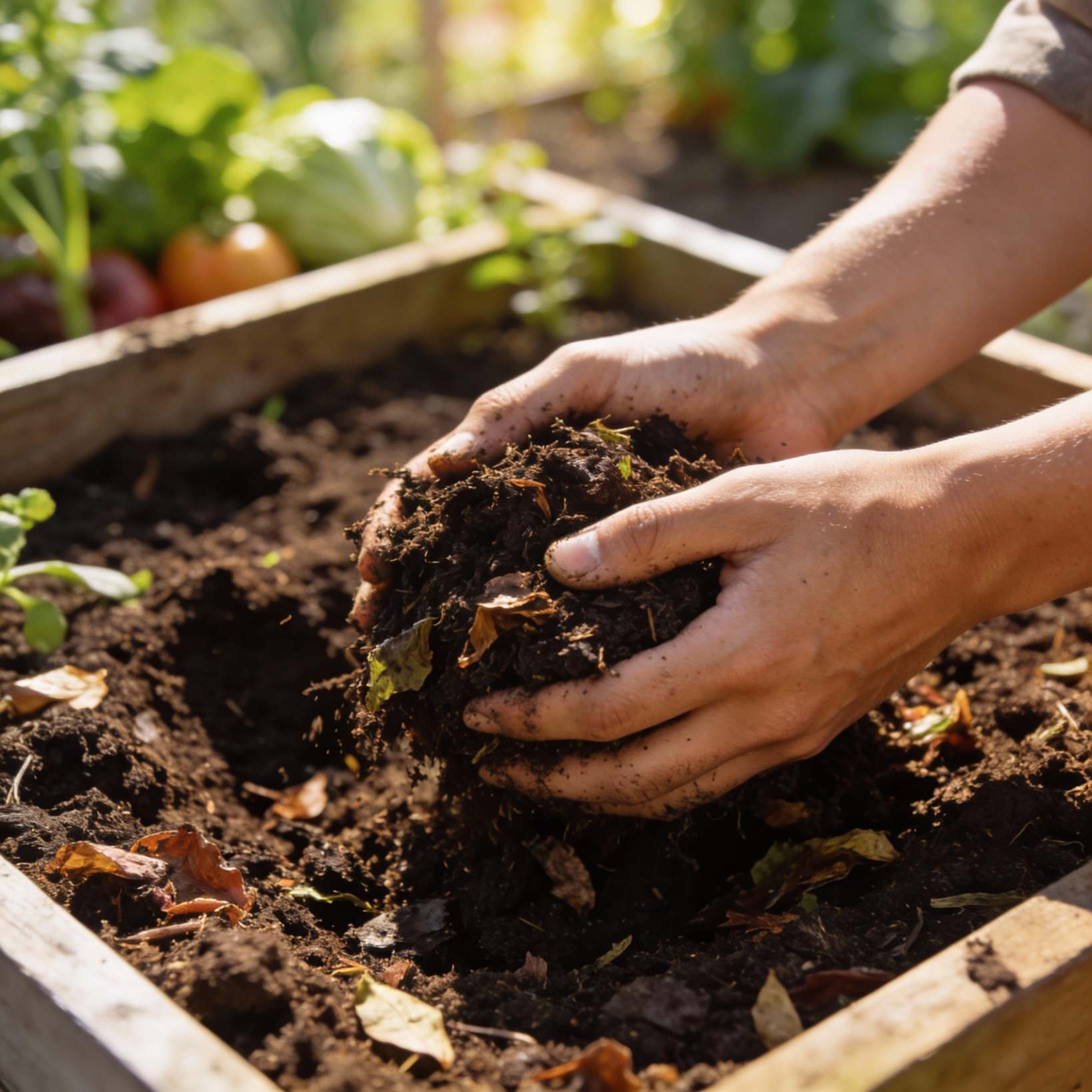
Composting is the foundation of zero waste gardening. Instead of throwing kitchen scraps and yard debris in the trash, you transform them into nutrient-rich gold for your soil. Start with a simple pile in a corner of your yard, or use a recycled bin (an old plastic storage container works perfectly). Add your kitchen scraps like vegetable peels, coffee grounds, and eggshells, then layer in yard waste such as grass clippings, leaves, and small branches.
The key is balancing green materials (wet, nitrogen-rich items) with brown materials (dry, carbon-rich items) at a ratio of roughly 1 part green to 2 parts brown. Turn your pile occasionally to speed up decomposition, and within a few months to a year, you’ll have finished compost ready to enrich your garden beds. This single practice can divert up to 30 percent of household waste from landfills while eliminating your need to buy expensive fertilizers.
2. Create Biodegradable Seed Pots from Household Items
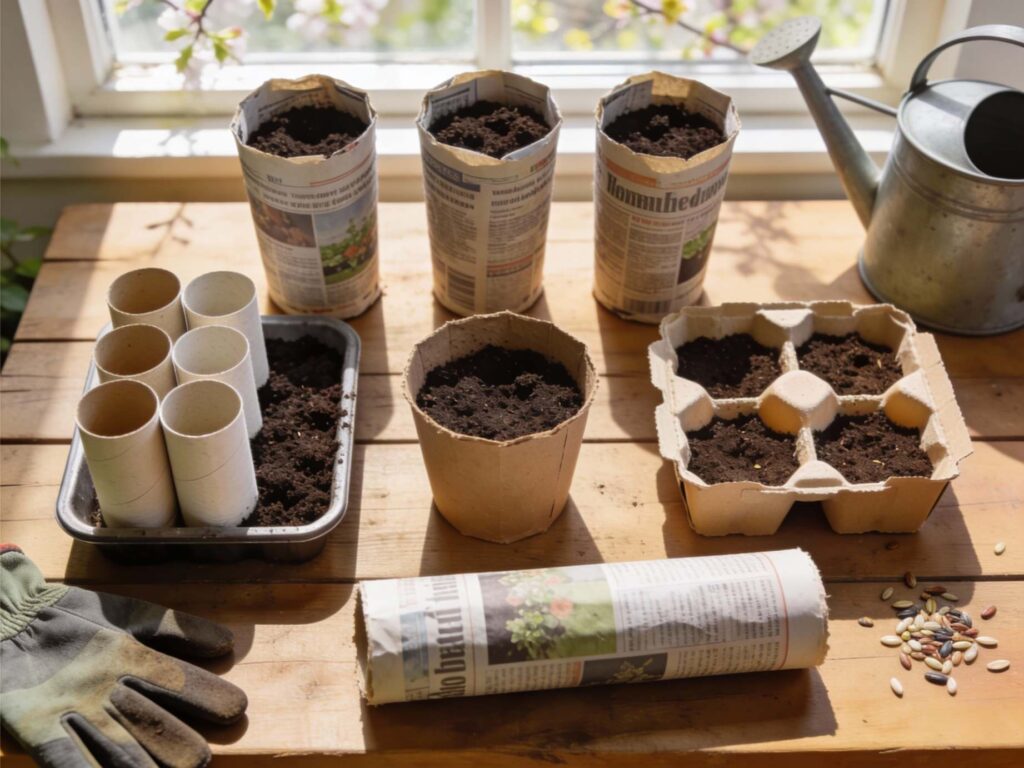
Why spend money on plastic seed trays and pots when you can make them for free from materials already in your home? Newspaper pots are incredibly simple: just roll newspaper around a jar or can, fold the bottom inward, and fill with soil. Toilet paper tubes and paper towel rolls cut in half work wonderfully too, as do egg cartons (simply separate the cells after planting).
The magic is that these containers are 100 percent biodegradable. When your seedlings are ready to transplant, you simply plant the entire pot directly into your garden bed—no need to disturb delicate roots. The cardboard or newspaper breaks down within weeks, feeding your soil as it decomposes. This approach eliminates plastic completely from your seed-starting routine and saves you $20 to $30 per gardening season.
3. Harvest Rainwater for Smart Watering
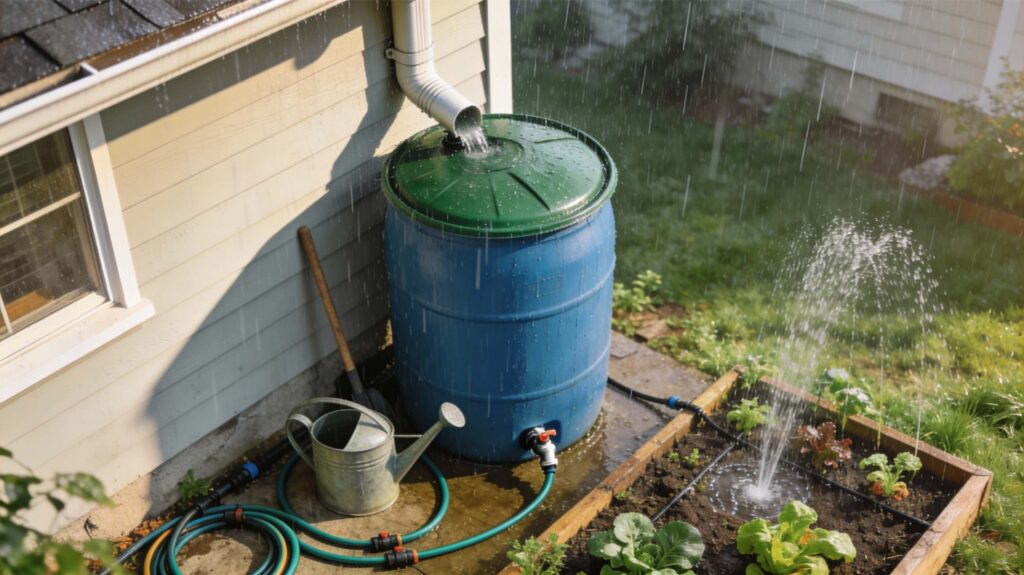
A rain barrel is one of the simplest and most impactful zero waste investments you can make. Position a 50- to 100-gallon barrel under your home’s downspout to capture free water that would otherwise run off your roof. The math is remarkable: a typical home roof can collect nearly 500 gallons from just half an inch of rain.
Use this water to fill watering cans, hand-water your beds, or even set up a drip irrigation system connected to the barrel’s spigot. Rainwater is actually superior to tap water for plants because it lacks chlorine and contains beneficial minerals. Beyond the environmental benefit, you’ll lower your water bill significantly while ensuring your garden thrives during dry spells. In arid regions, this practice becomes essential for sustainable growing.
4. Build Raised Beds from Reclaimed Wood
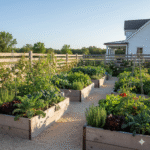
Instead of buying expensive raised bed kits wrapped in plastic packaging, salvage old wooden pallets, fence boards, or scrap lumber from construction sites or online free groups. Stacked and arranged into rectangular frames, reclaimed wood becomes the perfect raised garden bed at zero cost.
Wood beds drain better than in-ground plots, keep weeds more manageable, and warm up faster in spring for earlier planting. They also create a visual boundary that helps organize your garden space. The rustic aesthetic adds character while embodying the zero waste philosophy—you’re literally giving old materials a second life. Just ensure any wood hasn’t been treated with harmful chemicals; untreated, natural wood is your best choice.
Organic Gardening Tips for Beginners USA: Start Growing Chemical-Free Without the Stress
5. Grow from Seed to Eliminate Plastic Pots
Purchasing established plants from garden centers means bringing home plastic pots that eventually end up in landfills. Growing from seed is cheaper, more rewarding, and completely waste-free. Save seeds from previous years’ crops (tomatoes, beans, squash), or purchase bulk seeds without excessive packaging.
Starting seeds indoors using your homemade biodegradable pots (from idea #2) means you’ll never need a single plastic pot. The cost difference is staggering—a packet of tomato seeds might cost $2 but produces dozens of plants, whereas buying transplants could cost $30 or more. Plus, growing from seed connects you deeper to the gardening process and gives you far more variety options than your local nursery typically stocks.
6. Use Natural Mulch to Suppress Weeds and Retain Moisture
Mulch is essential for zero waste gardening because it eliminates several problems at once: it stops weeds, retains soil moisture (reducing watering needs), and breaks down to feed your soil. Instead of buying plastic-wrapped mulch, gather free materials from around your home—fallen leaves, grass clippings, shredded newspaper, or cardboard.
Layer 2 to 4 inches of mulch directly around your plants, keeping it a few inches away from plant stems to prevent rot. As organic mulch decomposes over time, it improves soil structure and provides nutrients. This single practice can cut your watering by 25 to 50 percent while turning yard “waste” into valuable garden fuel. Never use synthetic mulch—it pollutes soil and offers none of the benefits of organic alternatives.
7. Implement Companion Planting to Control Pests Naturally
Zero waste gardening means eliminating chemical pesticides that harm beneficial insects and pollute groundwater. Instead, use companion planting—strategically placing plants that naturally repel pests or attract beneficial insects beside your vegetables.
Plant marigolds around tomatoes to deter pests, grow basil near beans, position garlic and chives throughout beds to repel aphids. Nasturtiums attract predatory insects that eat harmful bugs. This ancient, proven method creates a balanced ecosystem where nature handles pest management for you. You’ll save money on treatments while creating a healthier garden environment for pollinators and wildlife.
8. Collect and Repurpose Household Items as Planters
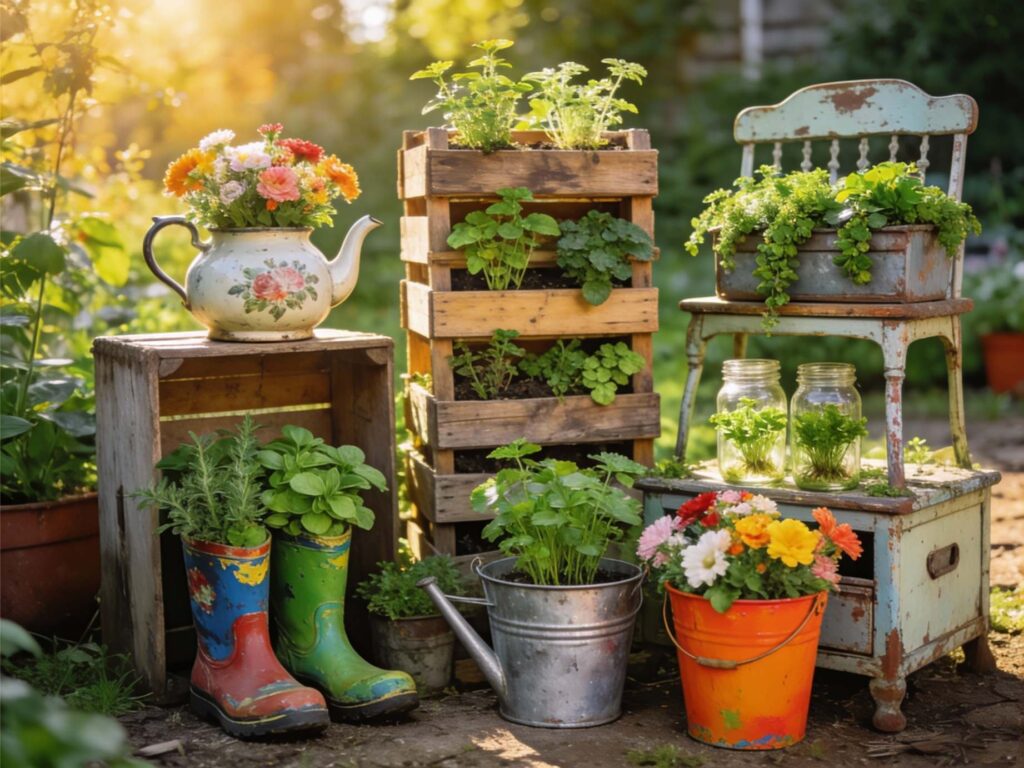
Your garden doesn’t need to look uniform or store-bought to be beautiful or functional. Walk your home with fresh eyes and identify items that can become planters: old teapots with drainage holes drilled in the bottom, worn-out boots stuffed with soil, vintage metal buckets painted in bright colors, wooden crates stacked vertically, mason jars, colanders, or even weathered laundry hampers.
This approach serves double duty—it diverts items from landfills while creating one-of-a-kind garden features that reflect your personality. A fifth-hand teapot planted with trailing petunias tells a story far more compelling than a mass-produced container. Best of all, you’ll spend exactly zero dollars while creating a truly original garden that actually makes neighbors ask questions.
9. Practice Sheet Mulching (Lasagna Gardening) for Instant Beds
Sheet mulching is a no-dig gardening method that builds new planting beds without tilling soil (which damages beneficial microbes and structure). Lay cardboard as your base directly over grass or weeds to kill them without chemicals. Then layer organic materials like an actual lasagna: cardboard, grass clippings, dry leaves, compost, shredded paper, more cardboard, and so on.
Top the whole stack with 3 inches of finished compost, and within weeks you’ll have rich, fertile soil perfect for planting. This method is brilliant for beginners because it requires zero digging, eliminates plastic landscape fabric, and you can construct entire beds from yard waste and kitchen scraps. New gardeners are amazed at how much waste they repurpose while creating premium growing medium.
10. Save Seeds for Free Plants Next Year
Once your vegetables flower and set seed, stop harvesting them and allow the plants to go to seed. Let tomatoes overripen on the vine, let lettuce bolt, allow beans to dry on their stems. Collect these seeds, dry them thoroughly in paper envelopes (never plastic bags), and store them in a cool, dark place.
Next spring, you’ll have free seeds that are already perfectly adapted to your local climate and soil. This practice closes a beautiful loop: grow food, harvest seeds, grow food again, infinitely, with zero purchased inputs. Heirloom and open-pollinated varieties work best for seed saving. Over a few seasons, your garden becomes entirely self-perpetuating.
FAQ: zero waste gardening ideas for beginners Answered
Q: Can beginners really compost successfully, or do I need special skills?
A: Composting is genuinely simple. You literally pile organic material, keep it reasonably moist, and let nature work. Even if your pile decomposes slowly, it still creates excellent compost. There’s almost no way to “fail” at composting—it’s a natural process that happens whether you intervene or not.
Q: How long does it take to get finished compost?
A: Cold composting (passive piles) takes 6 to 12 months. Hot composting (turning piles regularly) can produce finished compost in 2 to 3 months. For beginners, cold composting is easier because it requires minimal effort.
Q: Will rainwater collection actually provide enough water for my whole garden?
A: That depends on your rainfall and garden size. Most beginners find that one rain barrel provides supplemental water during dry periods. It won’t replace municipal water entirely in many climates, but it dramatically reduces your dependence and saves real money.
Q: What if I don’t have much space—can I still practice zero waste gardening?
A: Absolutely. Container gardening using upcycled planters, vertical gardening with trellises, and even indoor seed starting all work beautifully in small spaces. Zero waste principles scale from balconies to backyards.
Q: Are there any items I should never compost?
A: Yes—avoid meat, dairy, oils, and diseased plant material. These items either attract pests or spread disease. Stick with fruit and vegetable scraps, coffee grounds, eggshells, grass, leaves, and cardboard for best results.
Q: How do I know if my homemade seed pots will hold together when planting?
A: Newspaper and cardboard pots are durable when moist but fragile when dry. Water them thoroughly before planting, and plant them deeply enough that no material is exposed above soil level. This prevents the pots from drying out and damaging roots.
Final Thoughts
Zero waste gardening isn’t about perfection or owning the latest green products. It’s about intentionality—using what you have, respecting natural cycles, and closing loops wherever possible. Start with just one or two practices from this list (composting and seed saving are the most impactful), then build from there as you grow more confident. Your garden becomes not just a source of food and beauty, but a living demonstration that sustainability is completely achievable on your terms.

Asif Ali is a gardening blogger with over 2 years of experience writing about garden inspiration, eco-friendly gardening, and beautiful garden destinations. He focuses on practical, sustainable ideas that help beginners create inspiring gardens with ease.