Simple Garden Border Ideas for Homes: When it comes to transforming your outdoor space, garden borders are one of the most underrated design elements. A well-defined garden border instantly elevates curb appeal, creates a polished, finished look, and separates your lawn from planting beds with professional precision—without the professional price tag. Whether you’re looking to refresh a tired front yard or finally organize that chaotic garden bed, the right simple garden border ideas can make all the difference. In this guide, we’ll explore 15 affordable yet stylish solutions that deliver that expensive, high-end aesthetic while remaining budget-friendly and achievable for any homeowner.
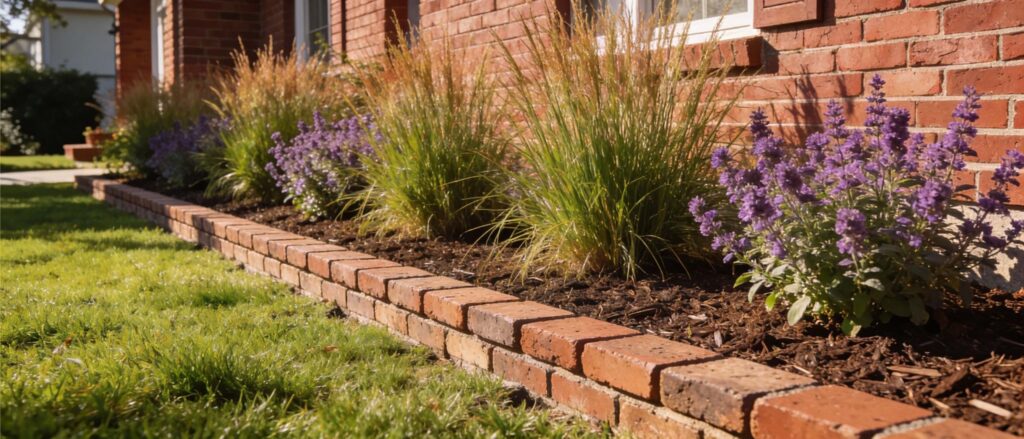
1. Classic Brick Edging: Timeless Appeal on a Budget
Brick borders are a cornerstone of garden design—literally. This traditional approach remains one of the most popular simple garden border ideas because it works beautifully in virtually any landscape style, from cottage gardens to suburban homes. The beauty of brick edging is its versatility and affordability. You can source bricks inexpensively from reclaimed materials, architectural salvage yards, or even construction sites where they’re often available for free or a nominal cost.
To install brick edging, dig a shallow trench about 3-4 inches deep, lay landscape fabric to prevent weed growth, then set your bricks vertically or at an angle along the edge. The warm reddish-brown or terracotta tones of brick complement almost any plant color and create visual harmony with home exteriors. For a polished look, keep bricks level and tightly spaced. Brick is extremely durable, lasting 10+ years with minimal maintenance, making it an excellent long-term investment.
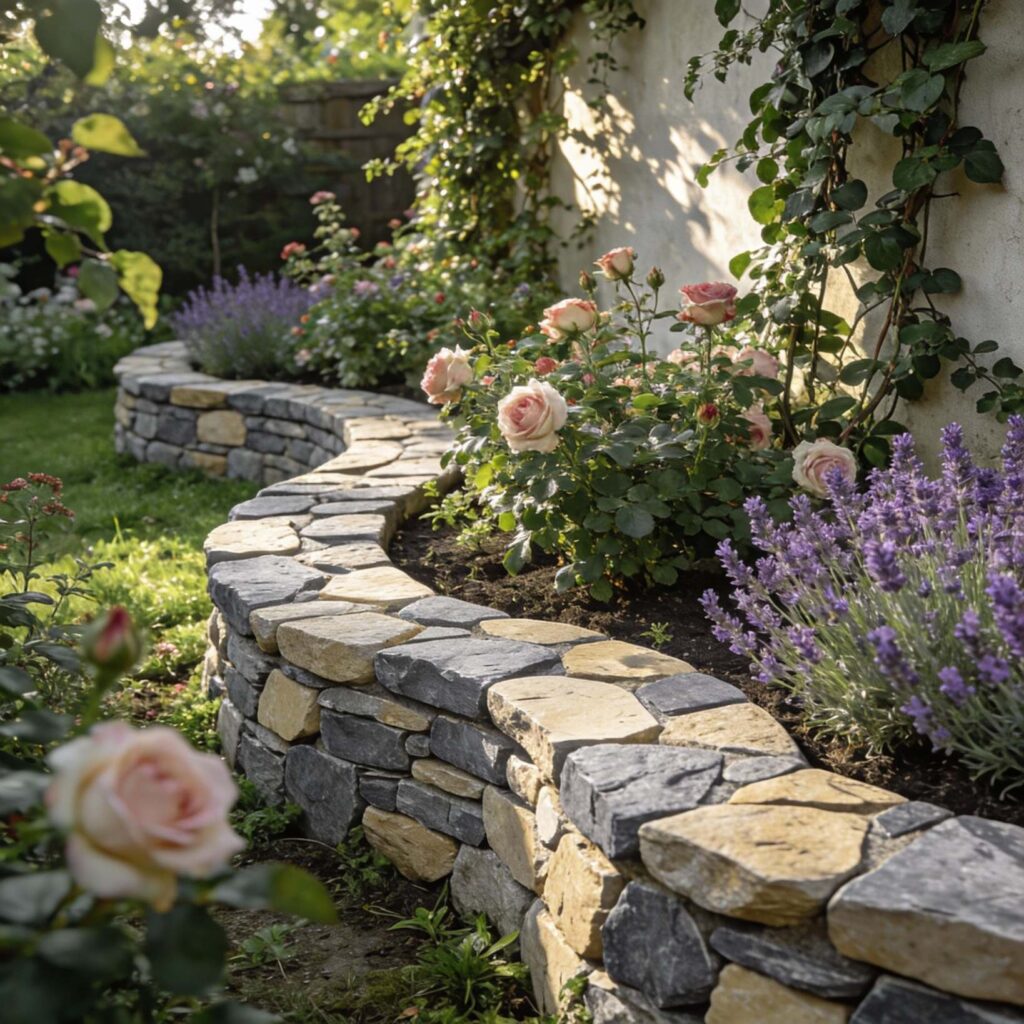
2. Natural Stone Edging: Organic Beauty Without the Price
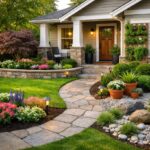
Natural stone edging brings authentic, high-end charm to any garden space. Unlike cut granite or polished pavers—which can cost $24-$40 per linear foot—using fieldstone, river rocks, or locally sourced stones can cost significantly less while delivering superior visual impact. The irregular shapes and muted earth tones of natural stone create a cottage-garden aesthetic that feels collected rather than constructed, adding character and depth to your landscape.
Installation is straightforward: arrange stones along your garden bed edge, filling gaps with soil or smaller pebbles. The organic, non-uniform arrangement actually enhances the “professionally designed but naturally placed” look that homeowners love. Stone edging works particularly well in cottage, rustic, and traditional garden styles and integrates beautifully with native plantings.
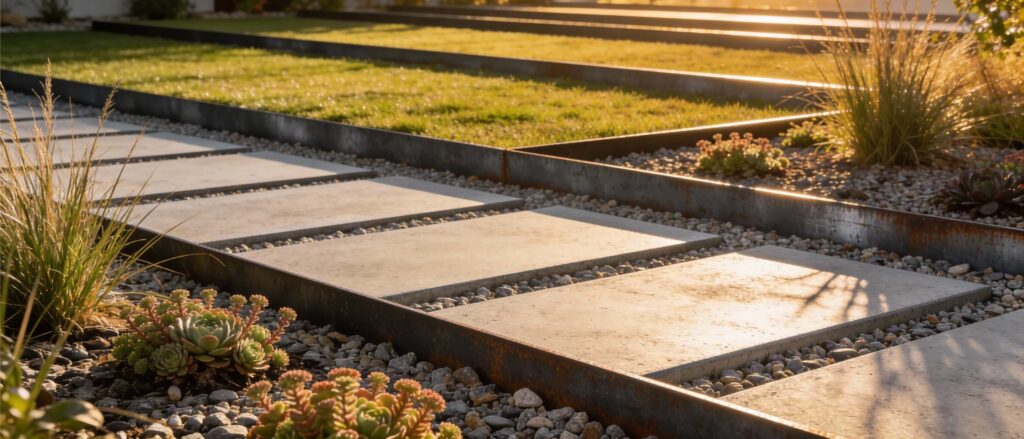
3. Modern Metal Edging: Sleek Lines and Minimal Maintenance
For a contemporary, minimalist aesthetic, metal edging—particularly galvanized steel or corten steel—creates razor-sharp definition with virtually no upkeep required. Metal edges are priced competitively at roughly $3-$3.50 per linear foot, making them surprisingly affordable given their durability and professional appearance. The sleek lines guide the eye while keeping lawns from encroaching into garden beds, especially important in high-moisture climates where grass growth is aggressive.
Metal edging is also remarkably flexible, allowing you to create smooth curves or crisp 90-degree angles depending on your garden’s geometry. As metal ages, it develops a beautiful patina that adds character while remaining low-maintenance. Installation requires digging a 3-4 inch trench, then securing the edging with stakes spaced 3 feet apart. Over time, the reflective quality of metal catches light beautifully during golden hour, enhancing your garden’s visual appeal.
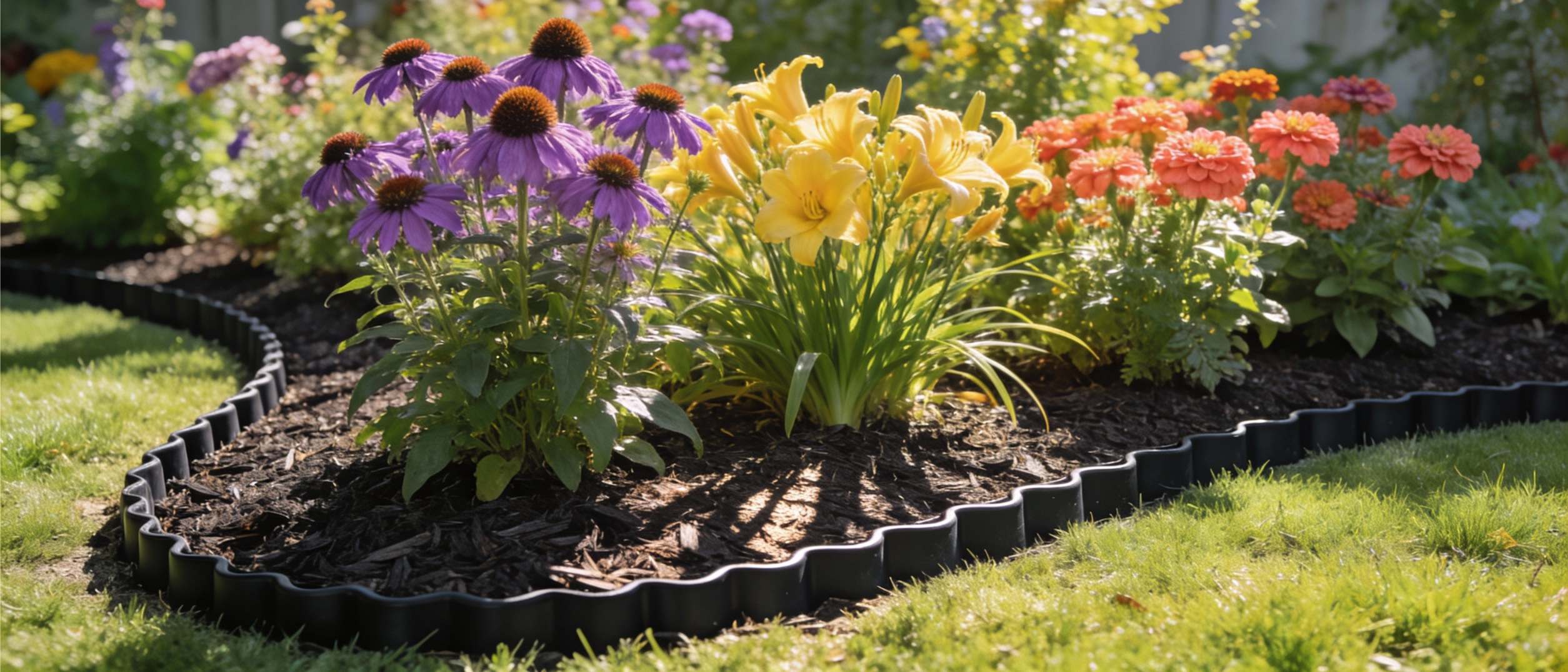
4. Recycled Plastic Edging: Eco-Friendly and Budget-Smart
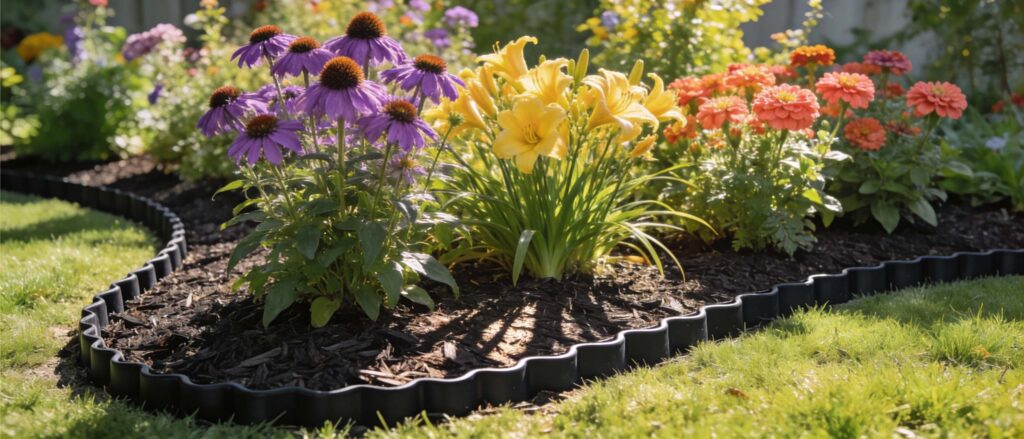
Plastic or recycled plastic edging represents the most budget-friendly option for simple garden border ideas, typically costing $1-$3 per linear foot. This makes it an ideal choice for large garden beds or those on tight budgets. Modern plastic edging resists cracking, UV damage, and rot—problems that plague cheaper wood alternatives—and installation is remarkably simple for DIY enthusiasts.
The flexibility of plastic edging makes it perfect for curved garden beds, while its clean lines work equally well in contemporary designs. Available in various heights and colors, plastic edging blends seamlessly into almost any landscape. The key to making plastic edging look “expensive” is pairing it with quality mulch, attractive plantings, and clean maintenance. Black plastic edging creates particularly striking contrast against light-colored mulch or decorative stones.
5. Concrete Block Edging: Modern Structure and Durability
Concrete blocks offer a straightforward, utilitarian approach to garden borders that feels surprisingly contemporary when styled correctly. Blocks can be arranged in single rows for a subtle edge or stacked to create raised planting beds that add dimensional interest to flat yards. They’re inexpensive, readily available at home improvement stores, and last indefinitely without deteriorating.
The neutral gray tones of concrete complement modern architectural styles, while their geometric form creates clean, defined lines that homeowners appreciate. For a more design-forward look, paint concrete blocks in muted colors—charcoal, sage green, or warm tan—that coordinate with your home’s exterior. Concrete blocks also provide excellent drainage and work well in contemporary, minimalist gardens seeking that high-end, sculptural quality.
6. Wood Log Edging: Rustic Charm and Natural Appeal
For cottages and rustic-style homes, wood log edging creates authentic garden-border charm that feels both organic and intentionally curated. Logs are often available for free from local tree removal services, arborists, or landscaping companies—making this one of the absolute cheapest simple garden border ideas. Simply arrange logs upright or laid horizontally to frame your garden beds.
The natural texture and weathered appearance of wood logs complement wildflower gardens, shade plantings, and naturalistic landscapes beautifully. While wood does require periodic maintenance to prevent rot—treating with eco-friendly wood preservative extends its lifespan significantly—the rustic aesthetic justifies the minimal upkeep. For a more polished look, select logs of uniform diameter and arrange them in consistent patterns.
7. Recycled Pallet Wood Edging: Upcycled and Unique
Free or ultra-cheap pallets from warehouses and stores offer an excellent material for those seeking budget-conscious, eco-friendly solutions. Dismantle pallets, cut the wood to your desired height, and arrange the planks vertically or horizontally along your garden edge for a cottage or farmhouse aesthetic. Pallet wood can be painted or left natural, offering endless personalization options.
The rustic, handcrafted appearance of pallet borders signals intentional design, and the minimal investment means you can be creative and experimental without financial risk. This simple garden border idea works particularly well for raised beds and vegetable gardens, where the slightly weathered appearance feels appropriate and charming.
8. Gravel and Stone Edge Border: Simple Yet Sophisticated
Sometimes the simplest solutions deliver the biggest visual impact. Creating a border by digging a shallow trench and filling it with decorative gravel, river stones, or pebbles creates a clean separation between lawn and planting beds while requiring virtually zero maintenance. This approach is particularly popular in modern and Japanese-inspired gardens where simplicity and restraint are design principles.
White river rock paired with black mulch creates dramatic contrast, while neutral pebbles offer understated elegance. The cost is minimal—typically $1-$3 per bag of gravel—and installation is a weekend project requiring only a shovel, rake, and landscape fabric. The subtle textures of gravel complement both contemporary and traditional plantings and provide excellent drainage for moisture-sensitive plants.
9. Terracotta Pot Edging: Whimsical and Charming
For a playful, cottage-garden twist on traditional borders, arrange small terracotta pots upside-down along your garden edge, creating a continuous, decorative border. This simple garden border idea appeals to gardeners with romantic sensibilities and adds unexpected charm to front-yard plantings. The warm terracotta tones complement most plant colors and home exteriors.
Terracotta pots are inexpensive—especially if you source them secondhand—and their round shapes create soft transitions that feel less rigid than traditional edging. While terracotta is fragile and prone to chipping over time, many gardeners appreciate the weathered, aged appearance as part of the charm.
10. Painted Rock Edging: Personal Expression and Fun
One of the most budget-friendly and customizable simple garden border ideas, painted rock edging lets you create personalized garden borders from materials you might find for free. Collect smooth rocks or river stones from local creeks, beaches, or your own yard, then paint them in coordinating colors that complement your landscape—perhaps soft pastels, jewel tones, or metallic accents.
Arrange painted rocks in single or double rows along your garden edge for a folk-art aesthetic that feels intentional and charming. This approach works beautifully in cottage gardens, children’s gardens, or spaces where personality and whimsy trump strict formality. Seal painted rocks with clear outdoor polyurethane to extend the life of your artwork.
11. Bamboo Edging: Tropical Vibes and Sustainability
Bamboo creates a naturally tropical and zen-inspired garden aesthetic while remaining remarkably affordable (typically $15-$25 for materials to edge 20 feet). This sustainable material resists weathering better than standard wood and develops a beautiful patina as it ages, enhancing rather than diminishing its appeal.
Bamboo edging works beautifully in contemporary gardens, Asian-inspired spaces, and modern homes seeking natural materials with environmental credentials. The vertical pole arrangement creates visual movement and draws the eye along garden pathways. Bamboo is simple to install—cut to desired height and secure with landscape stakes—and requires minimal maintenance.
12. Woven Willow Edging: Living Borders That Grow
For a truly unique approach, woven willow branches create living, flexible borders that actually strengthen over time. This historical technique combines natural beauty with functional design: willow withes are woven together to create a fence-like structure that can be shaped to follow your garden’s contours. Willow is often free or extremely inexpensive to source from natural areas, and the branches can be easily replaced as they age.
The rustic, woodland aesthetic of woven willow suits cottage and country gardens perfectly and creates an almost magical, handcrafted appearance that feels intentionally artistic. While installation requires more labor than traditional edging, the unique results justify the effort for design-conscious gardeners.
13. Bottle Border: Upcycled Art and Colorful Charm
Collecting wine bottles, beer bottles, or other colored glass and burying them neck-down along your garden edge creates a whimsical, artistic border with zero-cost materials if you’re resourceful. The colored glass catches sunlight beautifully, creating visual interest and reflecting different hues throughout the day.
This creative approach works particularly well in eclectic, bohemian, or artist-inspired gardens where individuality is celebrated. Arrange bottles in patterns, alternate colors for maximum impact, or stick to monochromatic schemes for a more cohesive look. While bottle borders require more frequent maintenance to prevent shifting and settling, the artistic, conversation-starting appeal makes them worthwhile for those seeking distinctive, personalized borders.
14. Rope and Nautical Edging: Coastal and Unique
For coastal properties or those seeking an unexpected, creative border, burying thick rope along your garden edge creates soft, organic curves that feel both whimsical and intentional. This simple garden border idea costs nearly nothing if you have old rope on hand or can source it inexpensively from marine supply shops.
Rope edging works beautifully in coastal gardens, cottage spaces, or gardens with quirky, artistic owners who appreciate unconventional approaches. The soft texture contrasts pleasantly with geometric plantings and creates organic, flowing lines that guide visitors’ eyes through your landscape.
15. Metal Lawn Edging Strips: Clean, Professional Lines
For a finish that looks decidedly professional, flexible metal edging strips (often vinyl-coated steel) create seamless borders that separate lawn from beds with military precision. These strips are moderately priced ($0.50-$2 per foot) and install quickly when you have the right tools and technique.
Metal strips are particularly effective for creating mowing edges—flat-topped designs allow you to mow directly over the border, eliminating tedious trimming. This utilitarian approach paradoxically creates an expensive, manicured appearance because of its precision and clean lines. For maximum visual impact, choose edging that coordinates with your home’s trim color or landscape accents.
10 Best Spring Garden Destinations in USA You Must Visit This Year
Design Principles for Garden Border Success
Simple garden border ideas for homes you choose, several design principles ensure professional-looking results. First, maintain clean lines—whether curved or straight, keep your borders consistent and free of debris for a polished appearance. Second, consider contrast—place dark edging against light mulch or vice versa to maximize visual definition. Third, invest in quality plantings—even the most beautiful border won’t compensate for sparse or poorly chosen plants.
For small gardens, avoid narrow borders around edges, which accentuate space constraints. Instead, push planting inward and make borders larger for greater visual impact. In modern landscapes, embrace minimalism and symmetry; in cottage gardens, allow gentle curves and informal plant combinations.
FAQ: Simple Garden Border Ideas for Homes
What’s the cheapest garden border option?
Plastic edging at $1-$3 per linear foot and recycled materials (pallets, logs, bottles) offer the most budget-friendly solutions. Gravel borders cost even less and provide clean separation with minimal investment.
How deep should I dig a trench for garden edging?
A 3-4 inch trench is standard for most edging materials, ensuring stability and preventing materials from shifting with ground movement or freeze-thaw cycles.
Can I install garden borders myself?
Absolutely. Most garden border projects are accessible DIY work requiring basic tools—a shovel, spade, mallet, and landscape stakes. Metal and plastic edging are particularly beginner-friendly.
How long do different borders last?
Natural stone and concrete borders last 10+ years; metal edging lasts 8-10 years; wood typically lasts 5-7 years with maintenance; plastic edging lasts 2-4 years depending on quality.
Which border works best for curved gardens?
Flexible materials like plastic edging, rope, and metal strips adapt easily to curves. Concrete and stone work for curves but require more careful installation and cutting.
Creating beautiful garden borders that look expensive doesn’t require expensive materials or professional installation. By choosing simple garden border ideas that align with your home’s style, climate, and maintenance preferences, you’ll achieve that polished, designed-by-professionals aesthetic while keeping your budget intact. Start with one border section, test your chosen material, and expand as you build confidence—your garden will thank you with a transformed, finished appearance that increases curb appeal and makes every season more beautiful.

Asif Ali is a gardening blogger with over 2 years of experience writing about garden inspiration, eco-friendly gardening, and beautiful garden destinations. He focuses on practical, sustainable ideas that help beginners create inspiring gardens with ease.