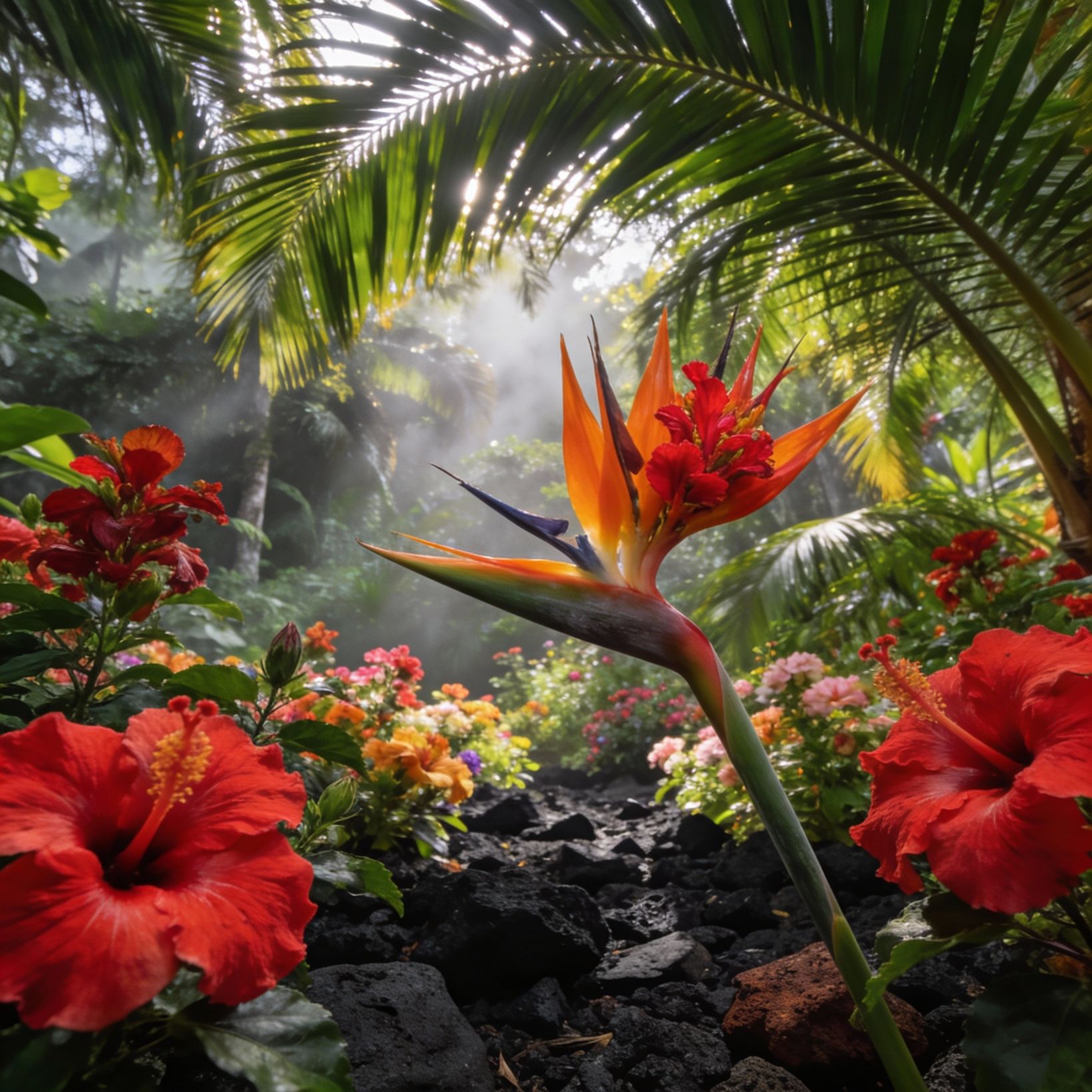
Planning a Hawaii getaway soon? Whether you’re dreaming of lush rainforests or vibrant botanical gardens, you don’t need to wait until your next trip to experience that island magic. The good news is that tropical garden inspiration from Hawaii travel can transform your own backyard into a peaceful paradise, no matter where you live. From Hawaii’s most stunning botanical gardens to design elements you can easily recreate at home, we’ve gathered ten practical ideas that bring the Aloha spirit straight to your doorstep. Ready to turn your outdoor space into a tropical oasis? Let’s get started.
1. Add Bold Tropical Flowers Like Hibiscus and Bird of Paradise
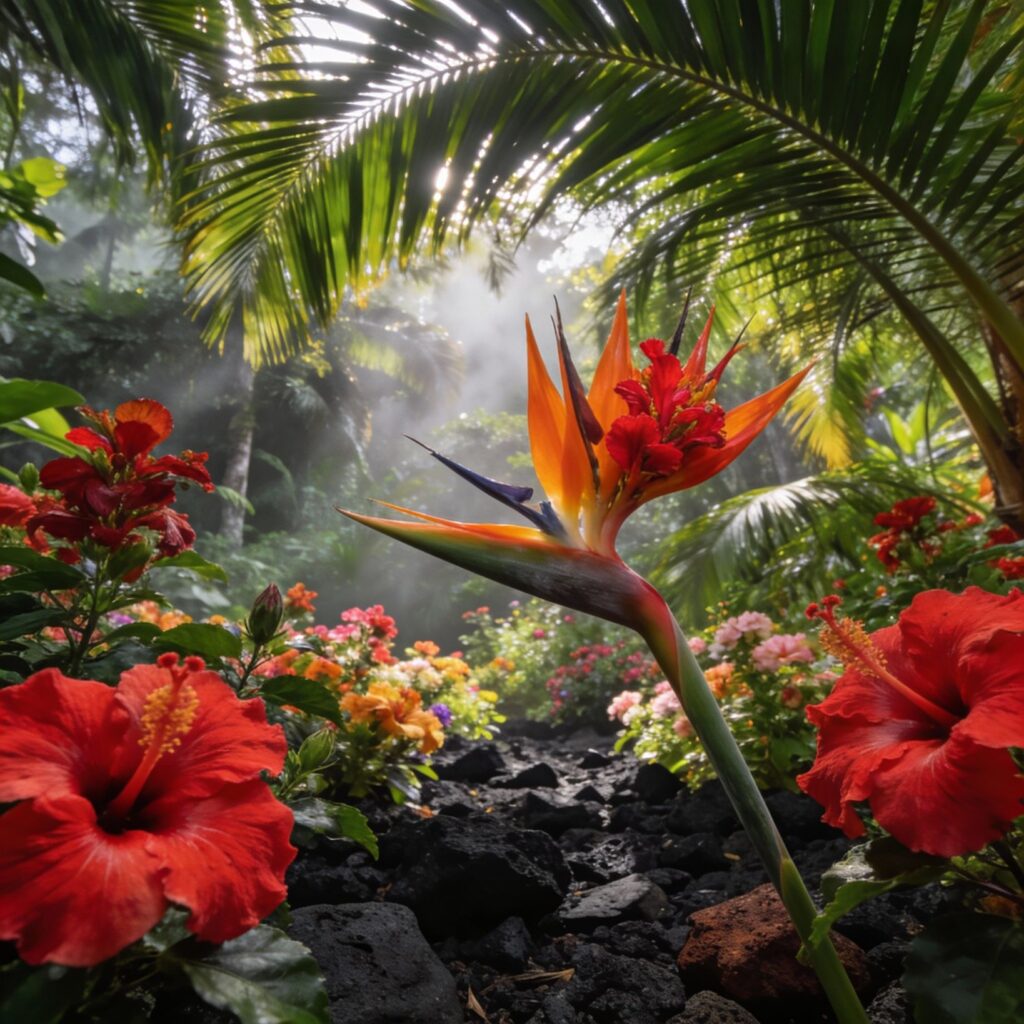
The moment you step into Hawaii’s botanical gardens, you’re greeted by explosions of color—bright red, orange, and yellow blooms that immediately capture your imagination. Hibiscus is the state flower of Hawaii and the easiest tropical flower to start with. These stunning plants feature large, showy blooms in vibrant colors and can thrive in both containers and garden beds. The best part? Hibiscus is surprisingly low-maintenance once established. Plant it in full sun, water regularly but allow the soil to dry between waterings, and watch it bloom throughout the summer months. If you’re in a cooler climate, grow tropical hibiscus in containers that can be moved indoors during winter. Bird of Paradise (Strelitzia) is another showstopper with striking orange and blue flowers that look like an exotic bird in flight. Both plants work beautifully as focal points in your garden and immediately evoke that Hawaiian travel feeling you’re seeking.
2. Create a Water Feature with a Small Backyard Pond
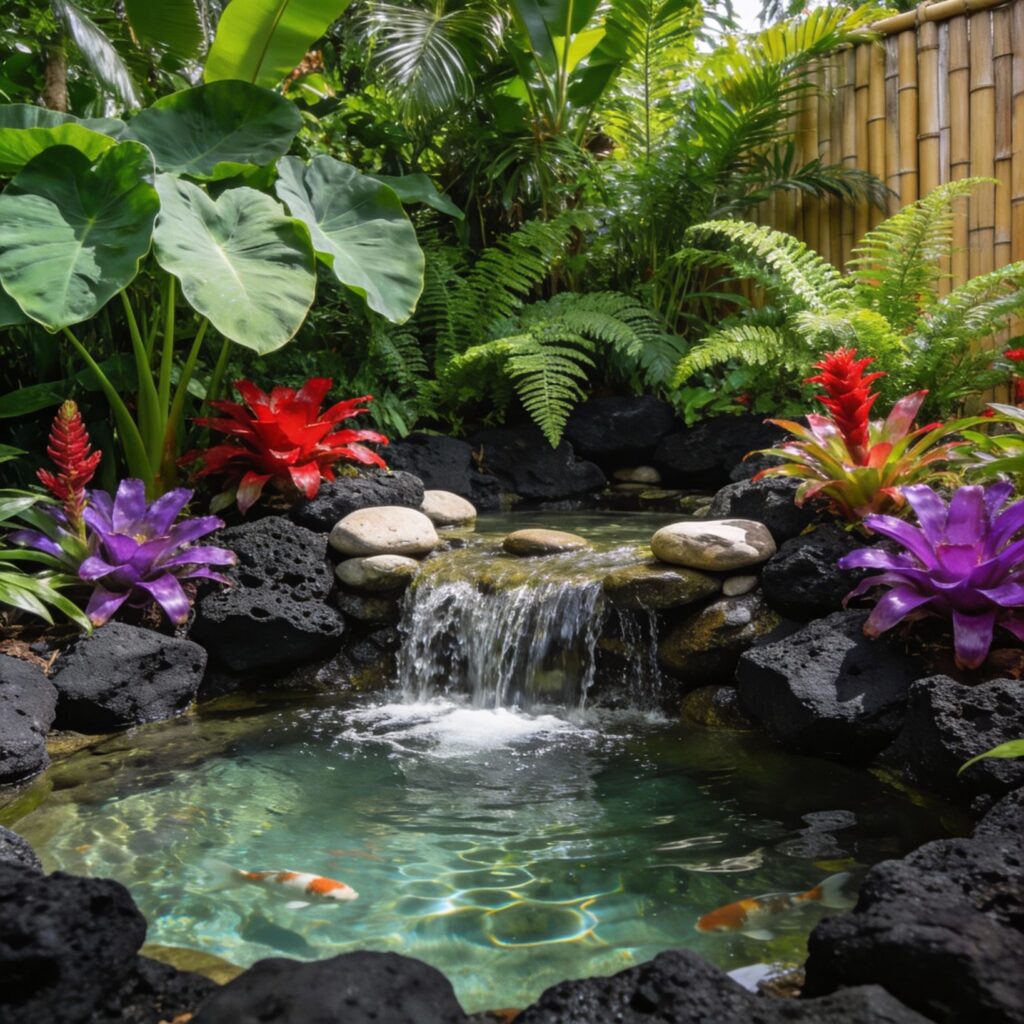
One of the most memorable experiences at Hawaii Tropical Bioreserve & Garden on the Big Island is the peaceful waterfall cascading through lush vegetation. The sound and sight of flowing water create an instant sense of tranquility. You don’t need acres of land to recreate this magic—a small DIY pond with a simple waterfall or bubbling rock feature can transform your backyard into a serene retreat. Start with a basic pond kit (available online), position it in a visible spot, and surround it with water-loving plants like ferns and elephant ears. Add a small fountain or waterfall feature to create the soothing sound of flowing water. Not only does this create a tropical atmosphere, but it also attracts birds and beneficial insects, bringing your garden to life. The investment pays dividends in both aesthetics and peace of mind.
3. Plant Layered Palm and Bamboo for Natural Privacy Screening
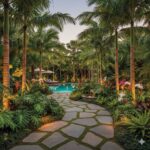
Walking through Hawaii’s botanical gardens, you notice how tall palms create a natural canopy that filters sunlight and provides instant privacy. Palms are essential for achieving an authentic tropical look—they provide the rustle of foliage in the wind and create towering green walls that define your space. Choose dwarf or compact palm varieties suited to your climate zone to avoid overwhelming your garden. Bamboo works beautifully alongside palms, adding soft texture and creating natural privacy screens without the need for traditional fencing. Both plants grow relatively quickly and can be maintained at your desired height with minimal pruning. Combine them with strategic landscape fabric underneath to prevent weeds while maintaining that lush, overgrown jungle aesthetic. If you’re in a cooler climate, many bamboo and palm varieties can still thrive with proper protection during winter months.
4. Incorporate Black and Red Lava Rock for Dramatic Contrast
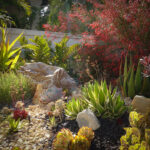
One of the defining features of Hawaii’s landscape is lava rock—dark, porous stone that contrasts beautifully against vibrant green foliage and colorful flowers. Lava rock isn’t just visually striking; it’s also incredibly functional. It retains moisture, suppresses weeds, improves soil aeration, and lasts for years without needing replacement like organic mulch. Spread a 2-3 inch layer of lava rock around your garden beds and tropical plants to create instant visual depth and that authentic Hawaiian feel. The dark color absorbs heat during the day and releases it at night, which can actually benefit your plants. You can find lava rock at most garden centers, and it’s an affordable way to dramatically elevate your garden’s appearance while reducing maintenance work. The contrast between black lava rock and the reds, pinks, and yellows of tropical flowers is absolutely stunning.
5. Design a Bromeliad Display for Year-Round Color
During a visit to Panaewa Rainforest Zoo & Botanical Gardens on the Big Island, you’ll see colorful bromeliads everywhere—mounted on palm trunks, planted in clusters, and hanging from trees. These hardy plants are perfect for creating a tropical garden that blooms nearly year-round. Bromeliads come in vibrant shades of red, orange, yellow, pink, and purple, and they’re surprisingly easy to care for. Unlike many tropical plants, bromeliads can tolerate a range of light conditions and don’t require constant watering. They flower once, but then produce “pups” (baby plants) that continue the cycle. Plant them in chunky orchid bark or pine bark (not regular soil), mount them on tree trunks using wire, or arrange them in striking clusters at ground level. The sculptural shapes and bold colors make bromeliads a game-changer for small spaces where you want maximum tropical impact.
6. Build a Bamboo-Screened Seating Nook
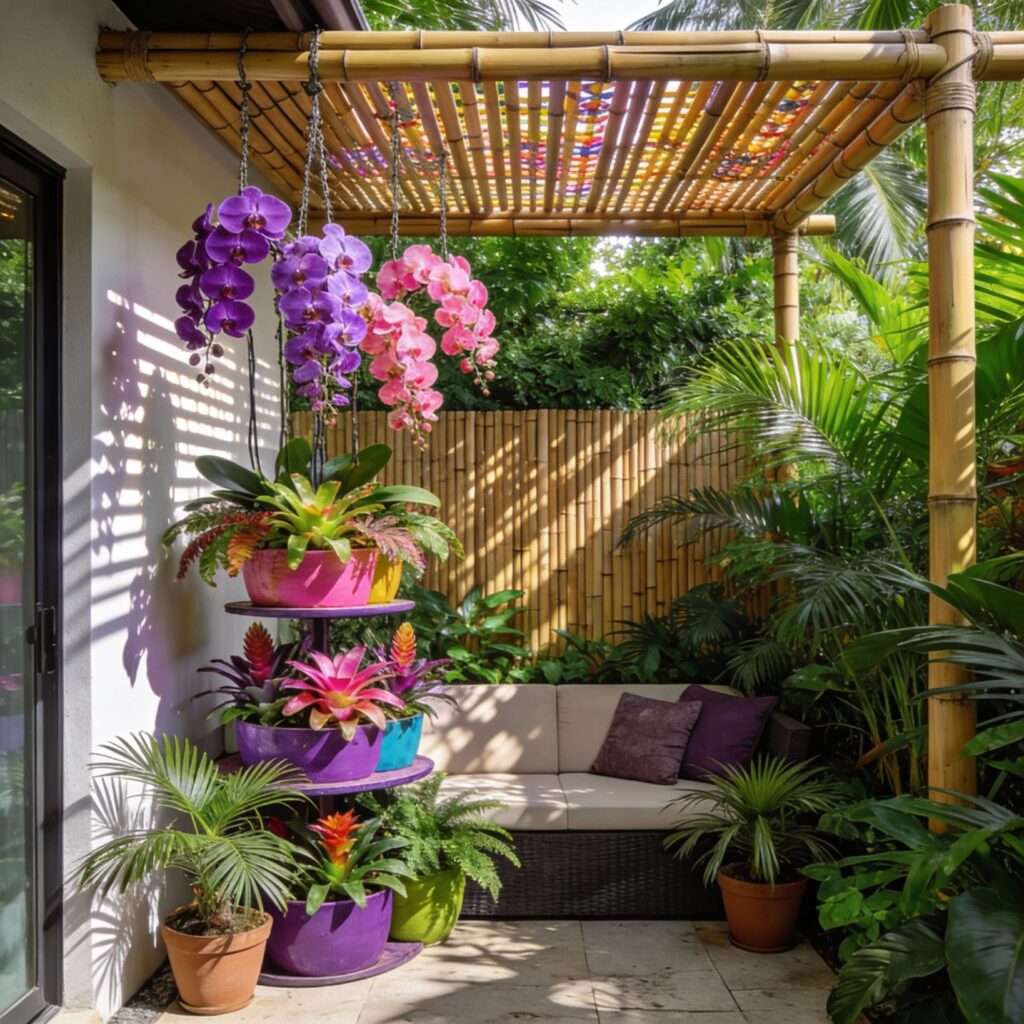
One peaceful corner at Hawaii botanical gardens inspired countless visitors to carve out their own private retreat at home. Bamboo screening creates a natural-looking boundary that filters light beautifully while maintaining privacy. Whether you use bamboo slats, panels, or living bamboo plants, this material instantly transforms a corner into an intimate tropical hideaway. Add a simple outdoor bench, a potted palm, and a few orchids in hanging pots, and you’ve got your own meditation space. Bamboo is an eco-friendly material that weathers beautifully over time, developing a silvery patina that adds to its charm. Unlike traditional wooden fences, bamboo requires minimal maintenance and can be left natural or stained to match your aesthetic. This approach works wonderfully in small spaces and creates a “resort feel” without requiring major construction.
7. Grow Orchids for Elegance and Year-Round Blooms
Every serious gardener who visits Hawaii comes home with orchid fever—and for good reason. Orchids are the botanical stars of Hawaii, featured prominently at Foster Botanical Garden in Honolulu and other gardens across the islands. The good news? You don’t need a greenhouse to grow stunning orchids at home. Most common orchids need water about once per week, bright indirect light (an east or west-facing windowsill is perfect), and humidity. Rather than overwatering, let the growing medium dry out slightly between waterings. Use orchid-specific bark mix, not regular potting soil. Place pots on a humidity tray filled with gravel and water, or mist regularly. With these simple steps, your orchids will reward you with months of elegant blooms. Hang orchids from pergolas or display them on shelves surrounded by tropical foliage for maximum visual impact.
8. Layer Foliage Plants for Depth and Texture
A major design lesson from Hawaii’s botanical gardens is the power of foliage. Beyond the eye-catching flowers, what creates that lush jungle feeling is the varied textures and colors of leaves. Combine large-leafed plants like elephant ears and alocasia with fine-textured ferns, architectural cordylines (ti plants), and trailing vines. Position plants with contrasting leaf colors next to each other—deep purple-black foliage next to bright lime-green, or variegated leaves next to solid colors. This layering technique creates visual drama without relying solely on flowers. Many foliage plants are more tolerant of different light conditions than flowering plants, making them perfect for creating depth in partially shaded areas of your garden. Think of your garden as a canvas where foliage provides the background and flowers provide the accents.
9. Add Ginger Plants for Fragrance and Exotic Blooms
Ornamental ginger is a tropical garden staple that you’ll encounter throughout Hawaii—from the botanical gardens to resort landscapes. These plants produce dramatic, fragrant flowers in whites, reds, and pinks, and they thrive in warm, humid conditions. Most ornamental gingers are deciduous, so they’ll die down in winter (which is normal) and return in spring when temperatures warm up. Plant them in moist, well-draining soil with afternoon shade in hot climates. Feed them with aged manure when new growth appears in spring. Once established, they’re incredibly low-maintenance and spread naturally to fill garden spaces. The fragrance alone makes them worth the minimal effort required. Varieties like spiral ginger and variegated shell ginger add both visual interest and an authentic tropical scent to your garden.
10. Create a Tropical Container Garden for Flexibility
Not everyone has space for an extensive garden, but everyone can create a tropical container garden inspired by Hawaii’s botanical displays. Use large pots to plant tropical specimens that can be arranged and rearranged as desired. Group containers together to create a jungle-like effect, mixing flowering plants with bold foliage plants. This approach works beautifully for patios, balconies, and small yards. In cooler climates, containers can be moved indoors during winter, extending your growing season. Use high-quality potting soil, ensure containers have drainage holes, and position them in bright locations. This flexible approach lets you experiment with different plant combinations and adjust as you learn what thrives in your specific conditions.
10 Real Cottage Garden Inspiration from US Countryside That Feel Straight Out of a Fairytale
Frequently Asked Questions About Tropical Garden Inspiration
Can I grow tropical plants outside of Hawaii?
Absolutely! Many tropical plants are surprisingly adaptable. Hibiscus, bromeliads, some palm varieties, and ornamental ginger all grow in zones 8-10 and many in cooler zones if protected during winter or grown in containers that can be moved indoors.
What’s the best time to visit Hawaii’s botanical gardens for plant inspiration?
Hawaii’s gardens are beautiful year-round, but they’re especially lush during the wet season (November-March). However, visiting during warmer months (May-September) when more plants are in full bloom provides excellent inspiration for summer gardening projects.
How can I create tropical ambiance in a small space?
Focus on vertical growth using hanging plants, wall-mounted bromeliads, and bamboo screening. Use containers strategically, add water features for sound and movement, and choose foliage plants that create visual density without taking up ground space.
Do tropical plants require special fertilizer?
Most tropical plants benefit from regular feeding during growing season. Use balanced fertilizers or those specifically formulated for tropical plants, but orchids and bromeliads need specialized formulas designed for their specific needs.
How often should I water tropical plants?
This varies by plant type and your climate. Most tropical plants prefer consistently moist but not waterlogged soil. The key is allowing some drying between waterings to prevent root rot—more plants die from overwatering than underwatering.
Can I start a tropical garden on a budget?
Yes! Start with affordable plants like hibiscus and bromeliads, use lava rock instead of expensive mulch, build your own small pond with a kit, and propagate plants from cuttings when possible. Gardens grow over time, and budget-friendly approaches actually look more natural than one-time installations.
Your Hawaii travel inspiration doesn’t need to end when you return home. By incorporating these ten tropical garden ideas—from showstopping flowers to practical hardscaping elements—you can create an authentic slice of island paradise in your own backyard. Start with one or two ideas that excite you most, and watch your garden transform into a peaceful tropical retreat that brings joy year-round.

Asif Ali is a gardening blogger with over 2 years of experience writing about garden inspiration, eco-friendly gardening, and beautiful garden destinations. He focuses on practical, sustainable ideas that help beginners create inspiring gardens with ease.