Small Backyard Garden Ideas USA : Creating a thriving garden in a compact backyard doesn’t require acres of land or expensive landscaping. With smart planning and creative design, you can transform even the tiniest outdoor space into a lush, productive, and beautiful retreat. Whether you’re a beginner just discovering your green thumb or an experienced gardener working with limited square footage, these small backyard garden ideas USA strategies will help you maximize every inch of your yard while maintaining functionality, aesthetics, and long-term value.
1. Container Gardens for Maximum Flexibility
Location & Best Time to Plant: Container gardens work year-round in any U.S. region, with peak growing seasons in spring and summer. They’re ideal for patios, balconies, and small deck spaces.
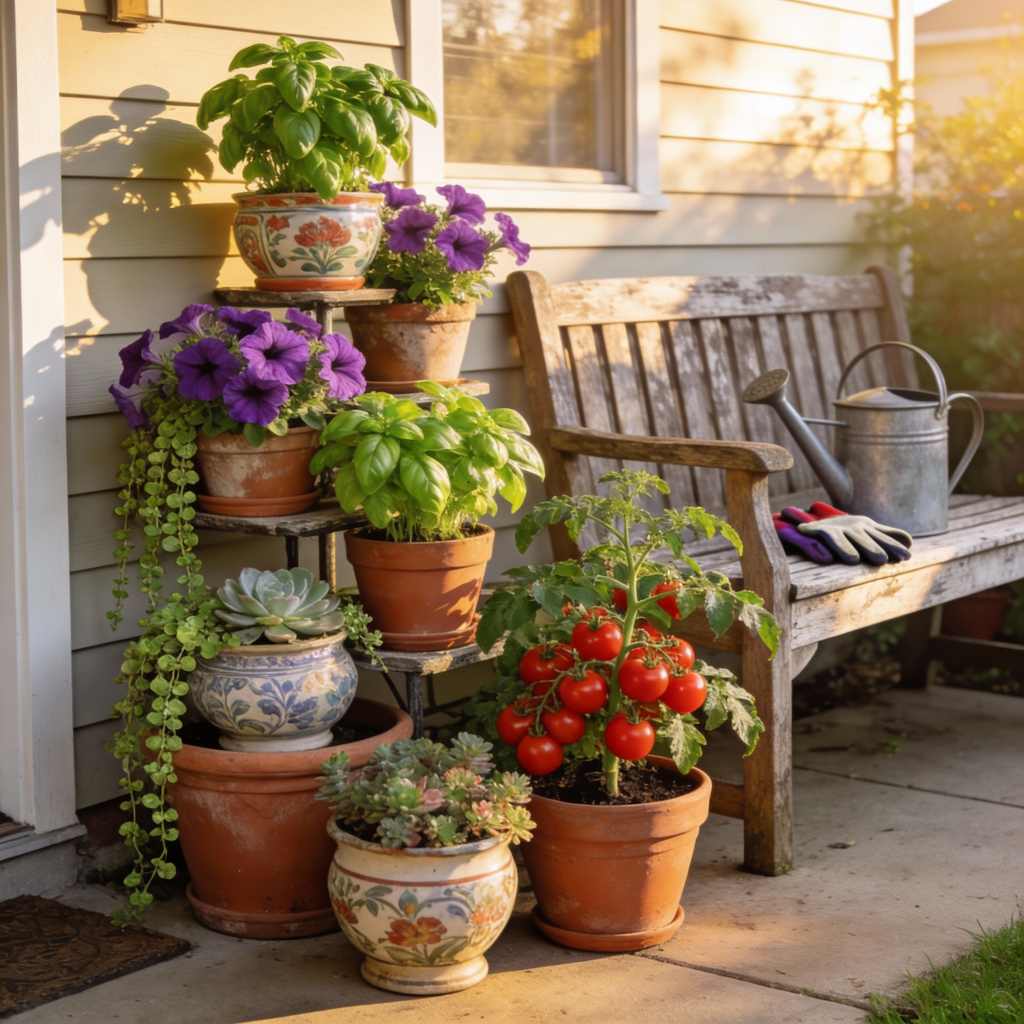
What Makes This Idea Special: Container gardening is one of the most flexible small backyard garden ideas USA homeowners can implement. Simply fill pots with nutrient-rich soil, add your favorite plants, and rearrange them as seasons change. This approach eliminates permanent ground commitments and allows you to follow the sun throughout the day—a critical advantage in shaded urban yards.
Choose containers with drainage holes to prevent waterlogging. Herbs like basil, parsley, and cilantro thrive in smaller pots (8-12 inches), while vegetables like cherry tomatoes, peppers, and lettuce need deeper containers (14-18 inches). Mix annuals, perennials, and edibles in a single pot for visual interest. Move lightweight containers indoors during harsh winters or leave them outside for hardy evergreens.
The beauty of container gardening lies in its accessibility. You can start with just two or three pots and expand gradually without feeling overwhelmed. Even a single 5-gallon bucket filled with herbs can brighten your outdoor space.
2. Raised Bed Gardens for Easy Access and Control
Location & Best Time to Plant: Raised beds are best installed in early spring (March-April in most U.S. regions) but can be built year-round. Choose a spot with 6-8 hours of direct sunlight.
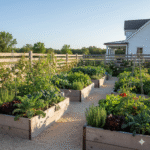
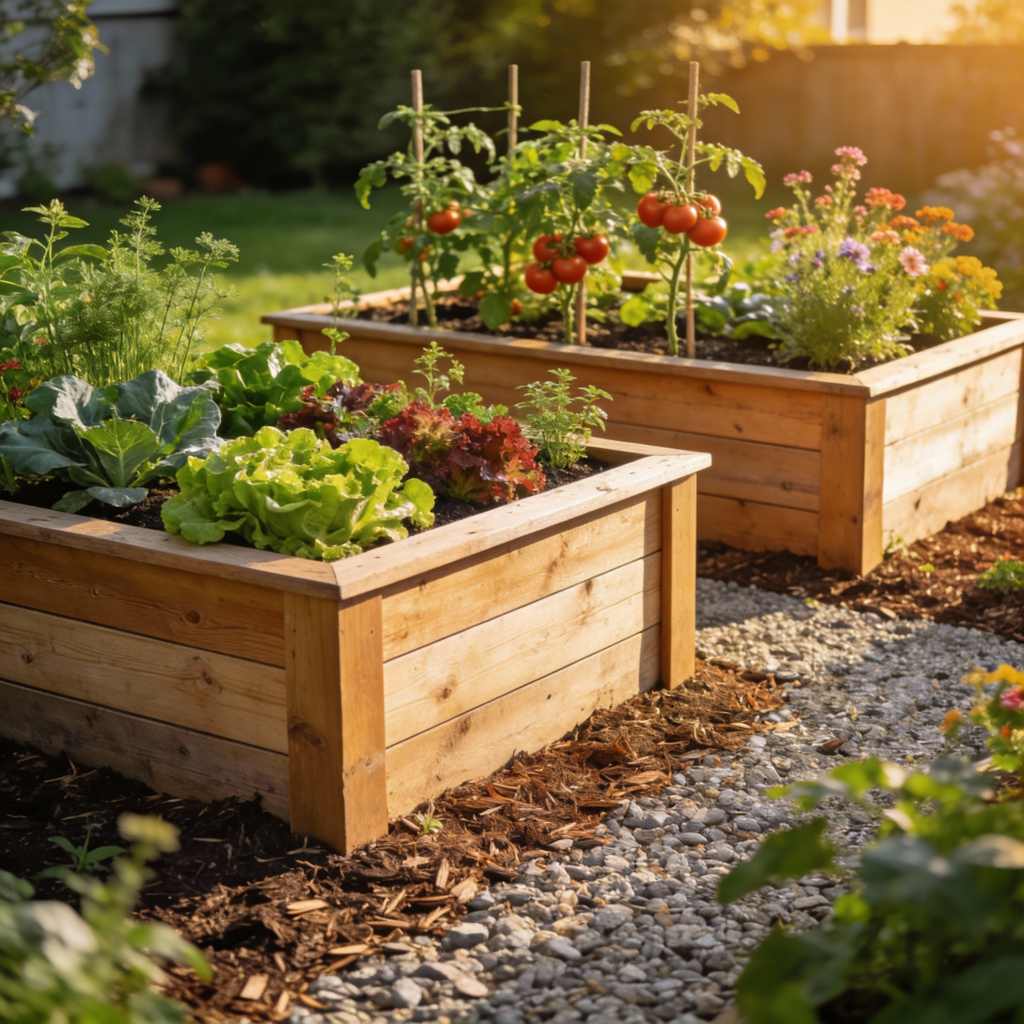
What Makes This Idea Special: Raised beds are arguably the most practical small backyard garden ideas USA for growing vegetables, herbs, and perennials in limited spaces. A standard 4×4-foot bed requires minimal floor space yet provides enough room for intensive planting of multiple crops. They also solve drainage problems common in heavy clay soil and keep your knees off the ground—critical for anyone with mobility challenges.
Build your bed from untreated wood, metal, or stone, making it at least 6-12 inches deep. Fill with a 50/50 blend of quality garden soil and compost. Raised beds warm up faster in spring, extending your growing season by weeks on both ends of the year. They’re also easier to maintain—no stooping over a large garden bed for hours.
Plant intensively using the square-foot gardening method: divide your bed into 1-foot squares, then plant based on spacing needs. One square might contain 16 radishes, another 4 lettuce plants, and another a single tomato. This maximizes productivity while minimizing water waste.
3. Herb Spirals: The Space-Saving Permaculture Solution
Location & Best Time to Plant: Herb spirals should be built in late summer or early fall, allowing soil to settle before spring planting. Choose a full-sun location close to your kitchen door.
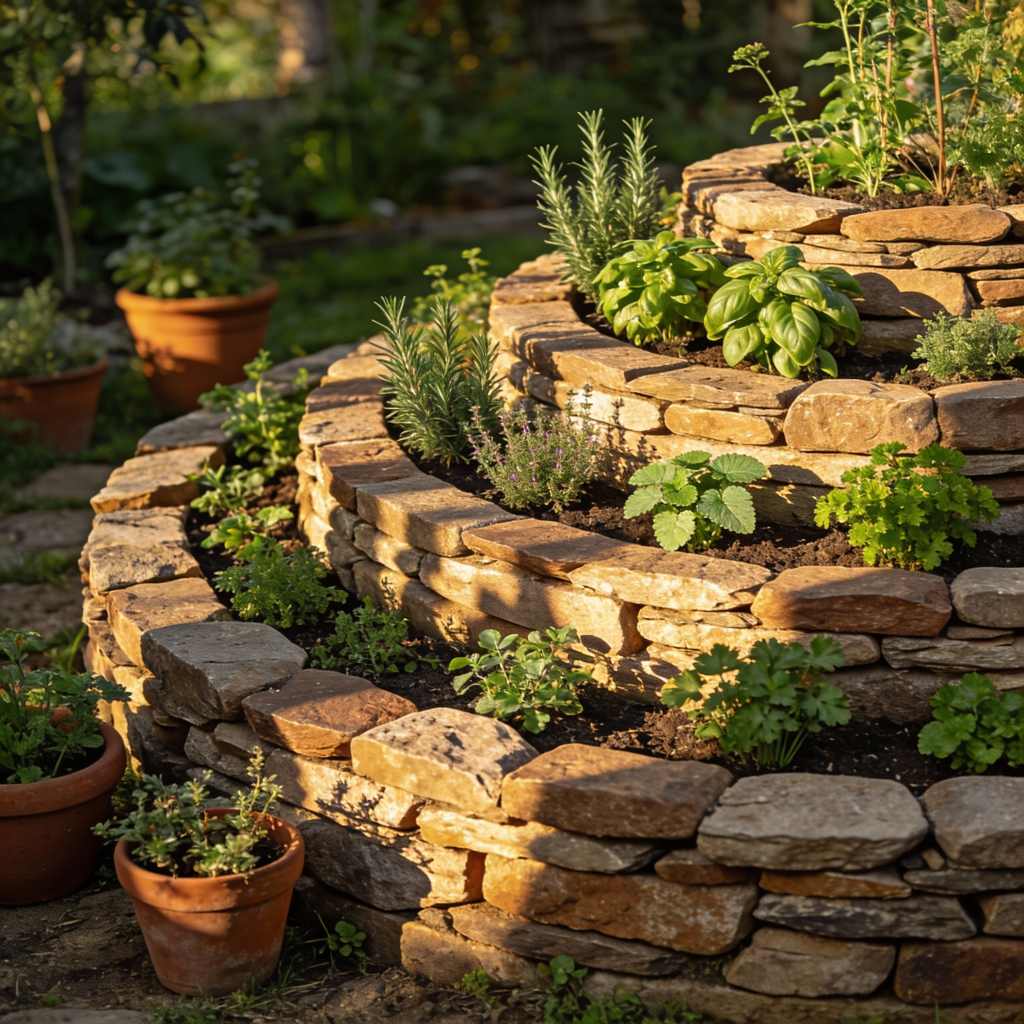
What Makes This Idea Special: An herb spiral is perhaps the most innovative small backyard garden ideas USA for growing culinary herbs in minimal space. This spiral-shaped mound, built just 5-6 feet in diameter, creates multiple microclimates due to its height and orientation. The top, which stays drier, suits drought-loving Mediterranean herbs like rosemary and oregano. The moist bottom level accommodates parsley, chives, and mint.
Build your spiral using stacked bricks, stone, or salvaged concrete pieces. Create a shallow trench around your planned spiral area, lay down cardboard and weed barrier, then begin stacking materials in a counter-clockwise pattern (Northern Hemisphere). Fill with alternating layers of rocks (for drainage) and a quality soil-compost mix. The entire project costs under $75 and requires no special skills.
Once established, an herb spiral provides fresh culinary herbs steps from your kitchen door for 5+ years. The rock walls absorb solar heat, extending the growing season for tender herbs. You can even tuck a small pond at the spiral’s base for added charm and butterfly habitat.
4. Vertical Gardens and Living Walls
Location & Best Time to Plant: Vertical gardens thrive in any season but perform best in spring and early summer. They work well on east or west-facing walls that receive partial to full sun.
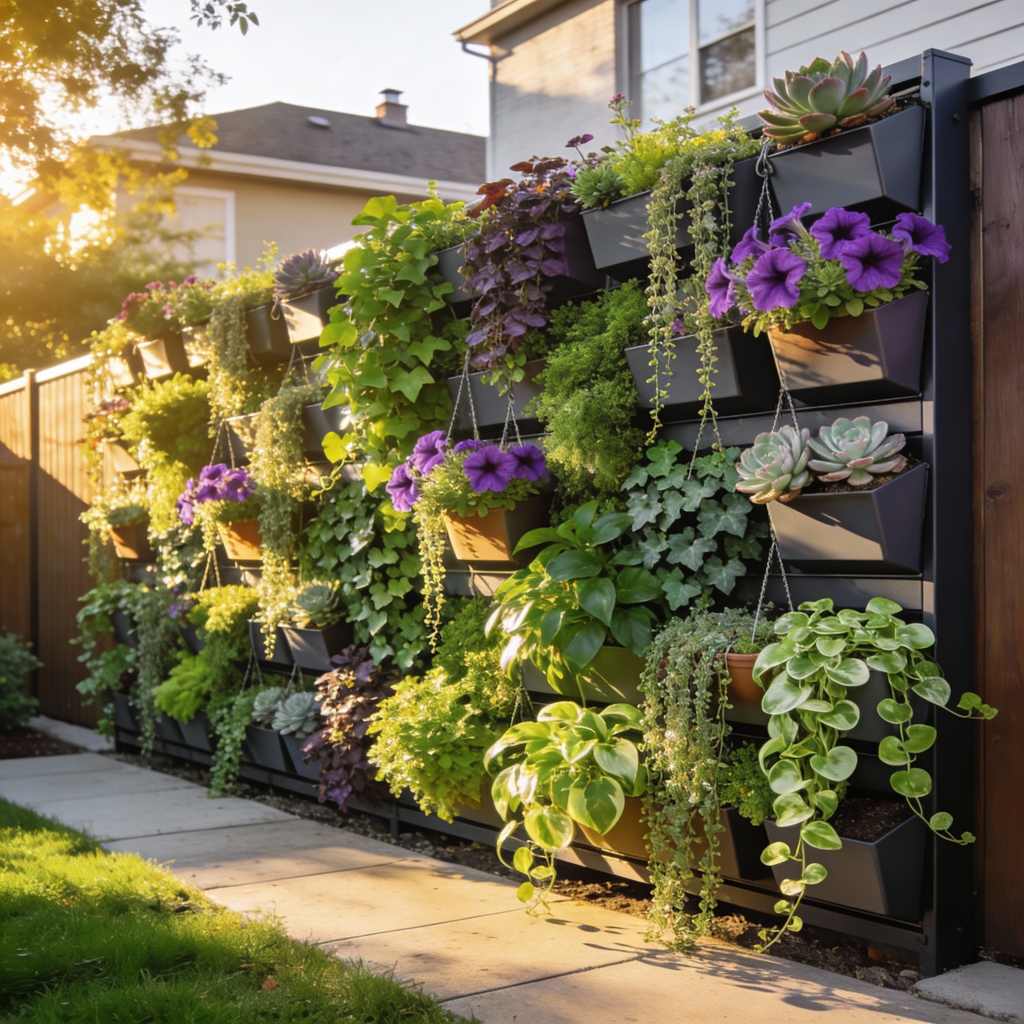
What Makes This Idea Special: When ground space is nonexistent, vertical growing is one of the smartest small backyard garden ideas USA available. Living walls and vertical trellises maximize square footage by transforming blank walls, fences, and garden structures into thriving plant displays. You can use wall-mounted planters, hanging baskets, recycled pallet systems, or specialized vertical garden panels.
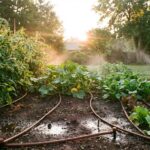
Succulents, sedums, sempervivums, and trailing vines excel in vertical arrangements. Lightweight felt pockets hold shallow-rooted plants perfectly. Install a simple drip irrigation system (often just a soaker hose attached to a timer) to automate watering—crucial for vertical systems that dry out faster than ground-level plantings.
A single vertical wall garden can accommodate 30-42 individual plants in just 2 square feet of footprint. Beyond production, vertical gardens offer stunning visual drama, improve privacy, and can reduce wall surface temperatures during hot summers.
5. Potager Gardens: French Kitchen Gardens in Small Spaces
Location & Best Time to Plant: Potagers are best planned and built in early spring. Place them within 15 steps of your kitchen door for convenient daily harvesting.
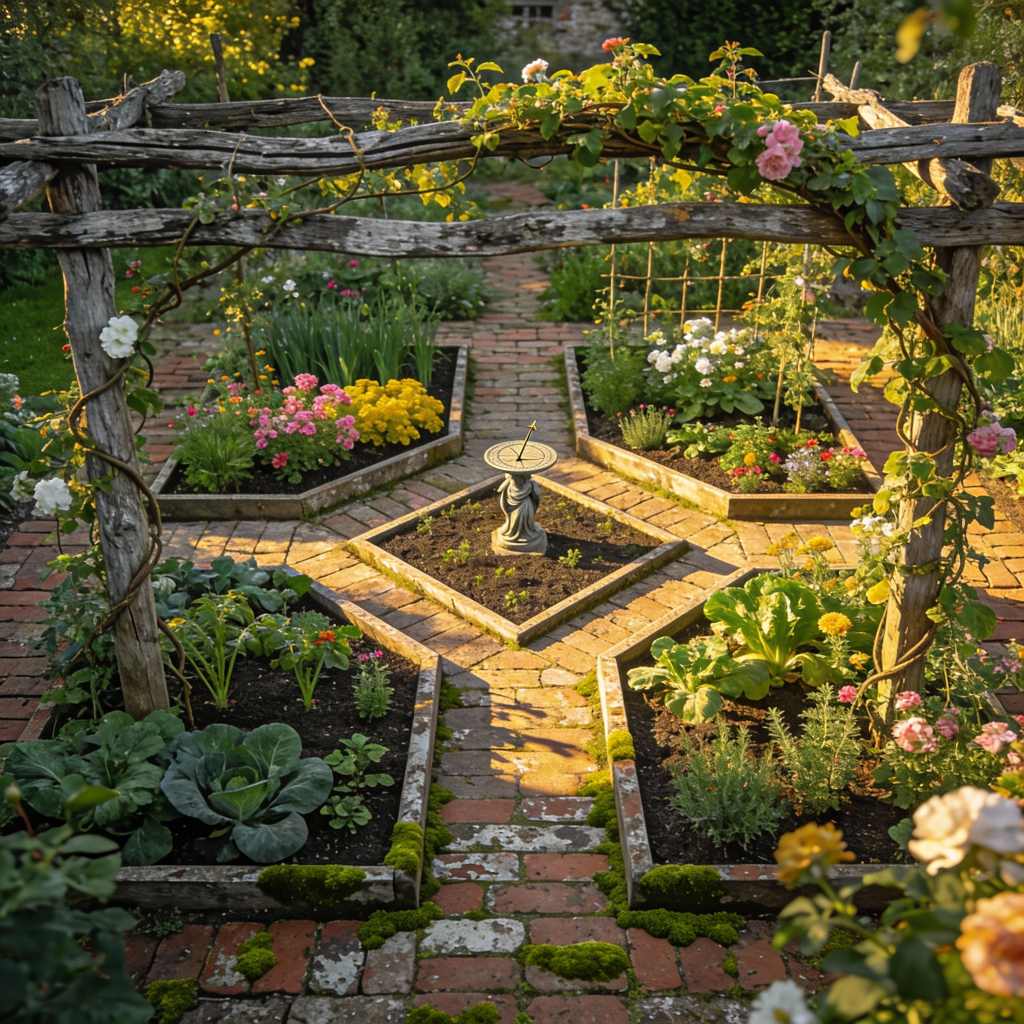
What Makes This Idea Special: A potager (French kitchen garden) blends the practicality of a vegetable garden with the aesthetic appeal of ornamental landscaping. Unlike traditional straight-row gardens, potagers mix vegetables, herbs, flowers, and edible plants in a defined, enclosed space. This is one of the most beautiful small backyard garden ideas USA for those who want function without sacrificing design.
Design your potager around geometric beds separated by gravel or brick pathways. A central diamond-shaped bed with four surrounding rectangular raised beds creates classic French appeal. Fill beds with lettuce, spinach, basil, cherry tomatoes, edible flowers like nasturtiums and pansies, plus ornamental herbs like sage with purple-tinted foliage.
The key is intentional spacing and thoughtful plant selection. Choose compact vegetables and dwarf fruit trees. Plant herbs like rosemary, thyme, and lavender as permanent border elements. Add climbing beans and peas up teepees or trellises for vertical interest and additional harvests.
6. Japanese Zen Gardens for Tranquility and Low Maintenance
Location & Best Time to Plant: Zen gardens can be created any season in any U.S. region. Choose a level, visible spot you pass daily where you can sit and contemplate.
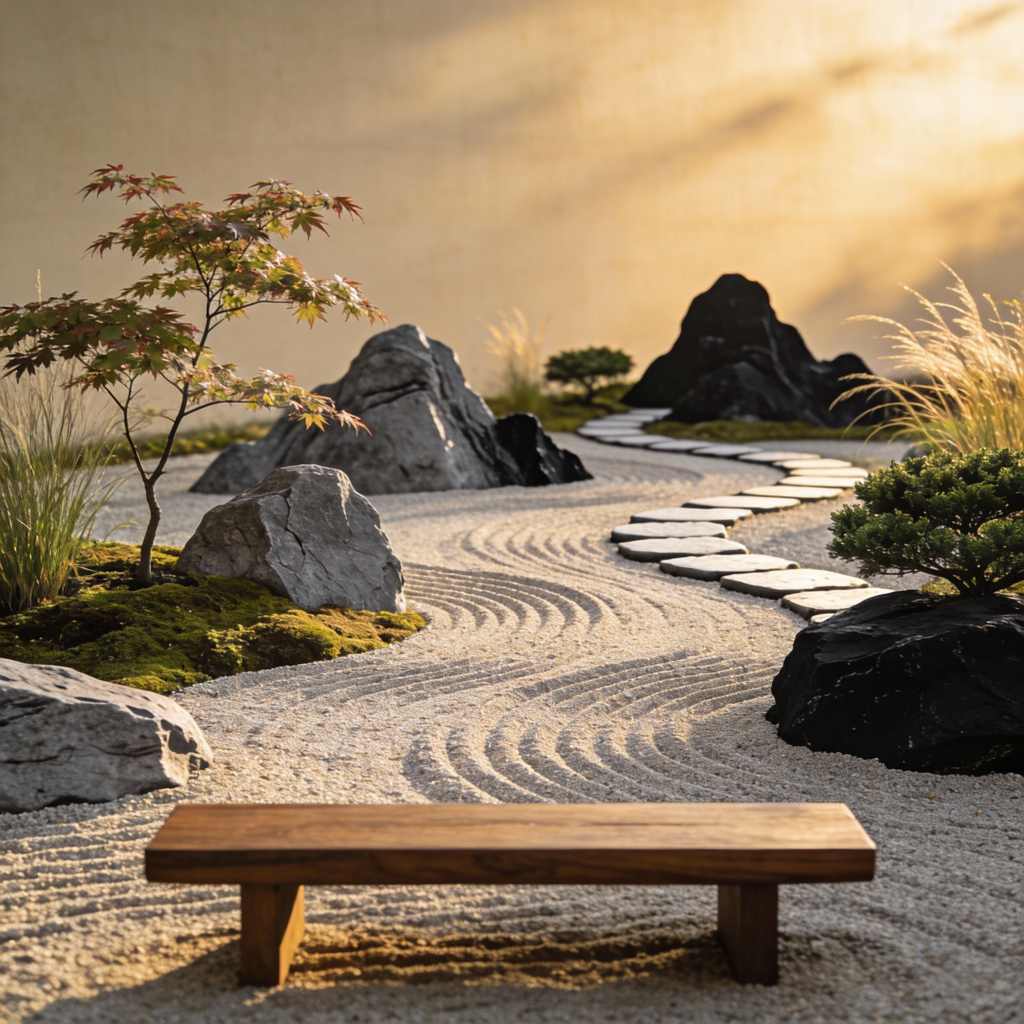
What Makes This Idea Special: For those seeking small backyard garden ideas USA focused on relaxation rather than production, a Japanese zen garden offers profound peace with minimal maintenance. These minimalist gardens emphasize simplicity, balance, and natural elements—rocks, gravel, sand, carefully placed plants, and water features.
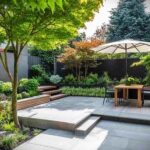
A traditional dry landscape zen garden requires no water features, making it perfect for drought-prone regions. Rake gravel or sand into gentle wave patterns. Position carefully selected rocks to suggest mountains or islands. Add compact plants like dwarf maples, moss, ornamental grasses, and evergreen shrubs. Include a simple bench or stepping stone path for meditation spaces.
The beauty lies in intentional design rather than plant abundance. Every element serves a purpose and invites contemplation. Maintenance is minimal: occasional raking and seasonal plant pruning. As seasons change, natural leaf fall and seasonal color shifts create ever-evolving meditative landscapes.
7. Pollinator and Butterfly Gardens
Location & Best Time to Plant: Plant in spring (April-May) after frost danger passes. Choose sunny spots (minimum 6 hours daily) protected from strong winds.
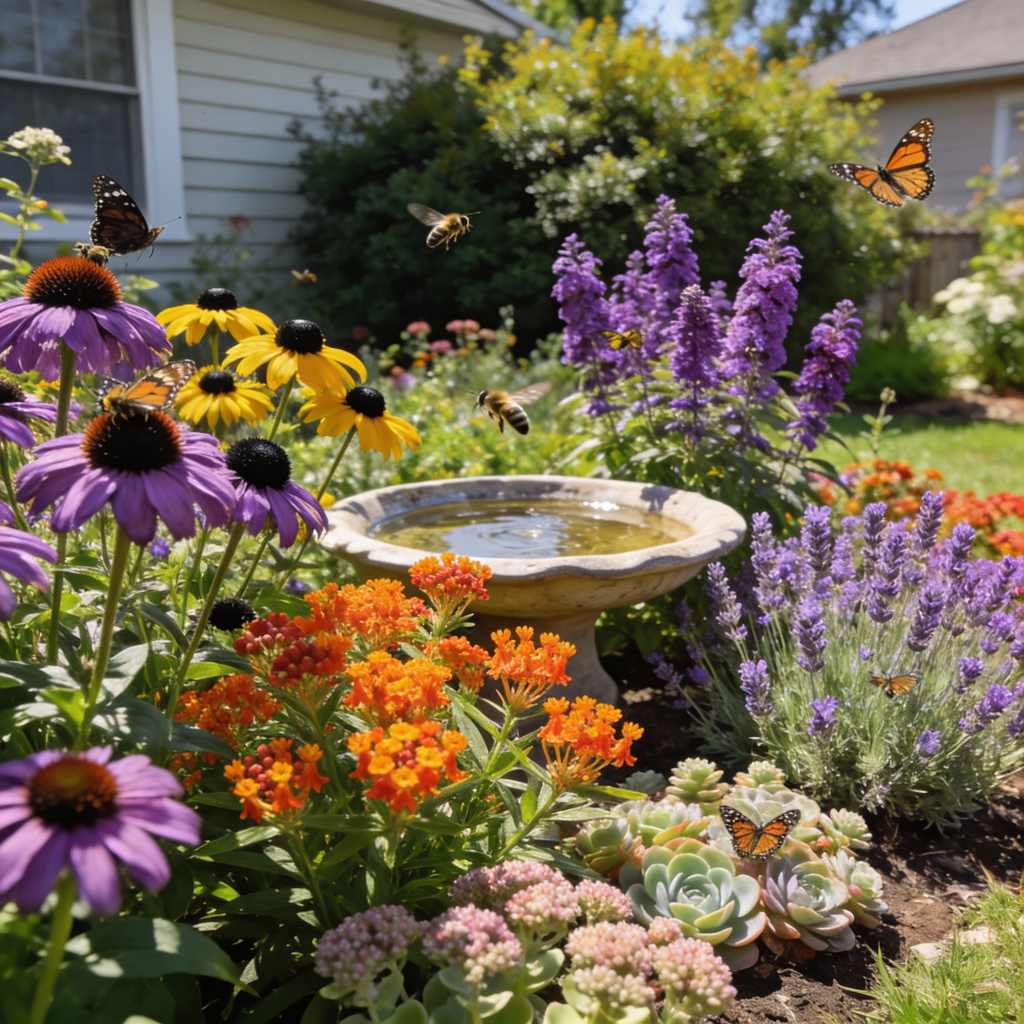
What Makes This Idea Special: Turning your small backyard into a pollinator haven is both beautiful and ecologically important. Butterfly and bee gardens are among the most rewarding small backyard garden ideas USA for nature lovers. They support declining pollinator populations while creating stunning visual displays of wings and blooms.
Select native plants that bloom at different times. Spring bloomers include milkweed (essential for monarch caterpillars) and early wildflowers. Summer brings coneflowers, black-eyed Susans, bee balm, lavender, and sedum. Fall bloomers like asters fuel monarch butterflies before migration.
Include host plants for caterpillars: milkweed for monarchs, parsley and dill for swallowtails, and fennel for various species. Add a shallow water source—butterflies need moisture. Create shelter with native shrubs and dense groundcovers. Leave some leaf litter and dead wood for beneficial insects.
Plant in clusters of 7-9 flowers rather than scattered singles. This creates visual drama and makes nectar-gathering easier for pollinators.
8. Succulent Gardens for Drought-Tolerant Beauty
Location & Best Time to Plant: Succulents thrive in spring and fall planting but establish year-round in warm climates. Choose sunny locations (6+ hours daily) with excellent drainage.
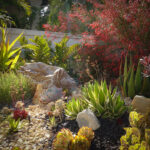
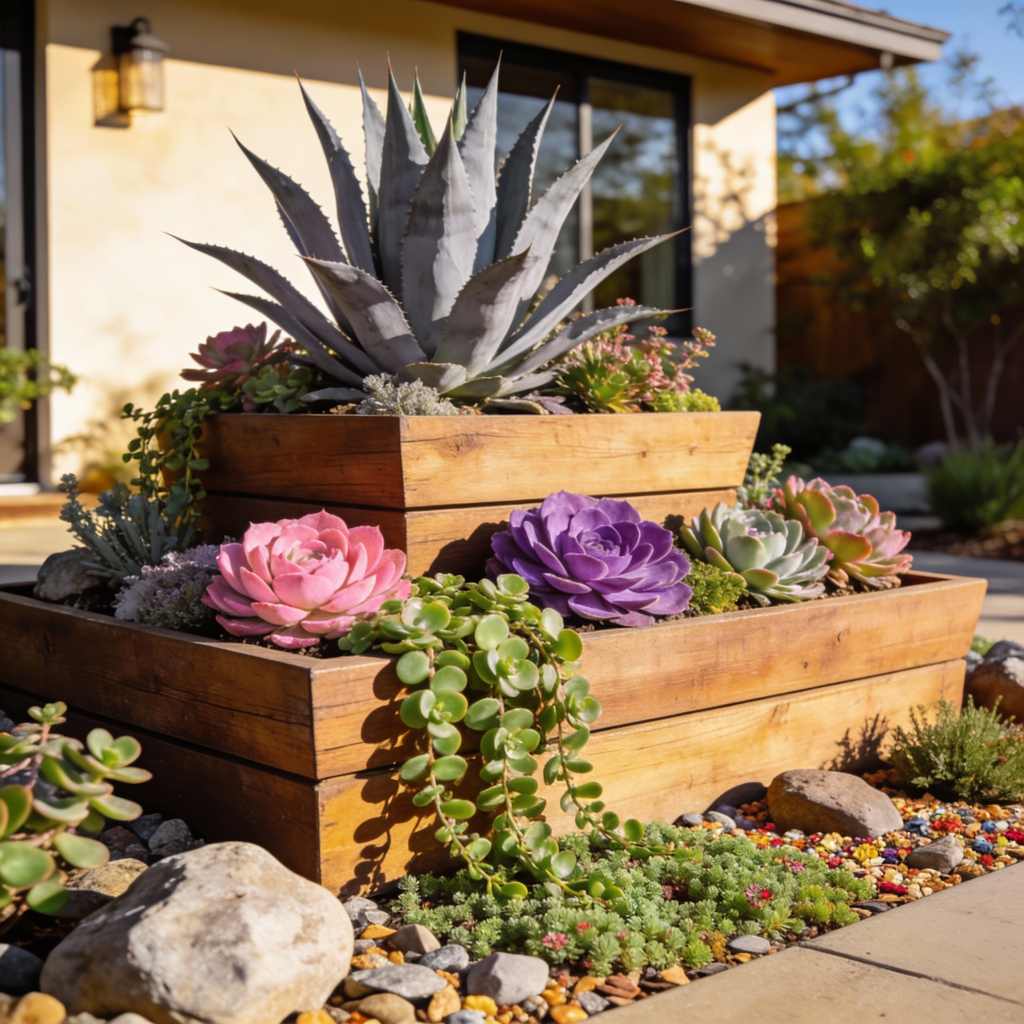
What Makes This Idea Special: Succulent gardens represent some of the easiest small backyard garden ideas USA, especially for hot, dry regions or busy homeowners. These low-water plants require minimal maintenance while offering endless textural and color variety. Combine tall varieties like agave or yucca with spreading sedums, echeveria rosettes, and trailing jade plants for dimension.
Arrange succulents in layers or tiers to create visual interest. Use containers of varying heights—tall narrow pots for uprights, shallow bowls for spreading varieties. Create a stunning display in just 2-3 square feet. Succulents excel in rocky, well-draining soil; even sandy areas become advantage rather than limitation.
Vertical succulent walls are particularly stunning. Fill shallow felt pockets or modular panels with drainage holes, plant succulents securely, water initially until established, then virtually forget them. South-facing walls get hot enough that you rarely water again—nature does the work.
9. Edible Landscape Gardens
Location & Best Time to Plant: Plant edibles spring through early fall, depending on your region and plant type. Full sun (6+ hours) ensures best flavor and production.
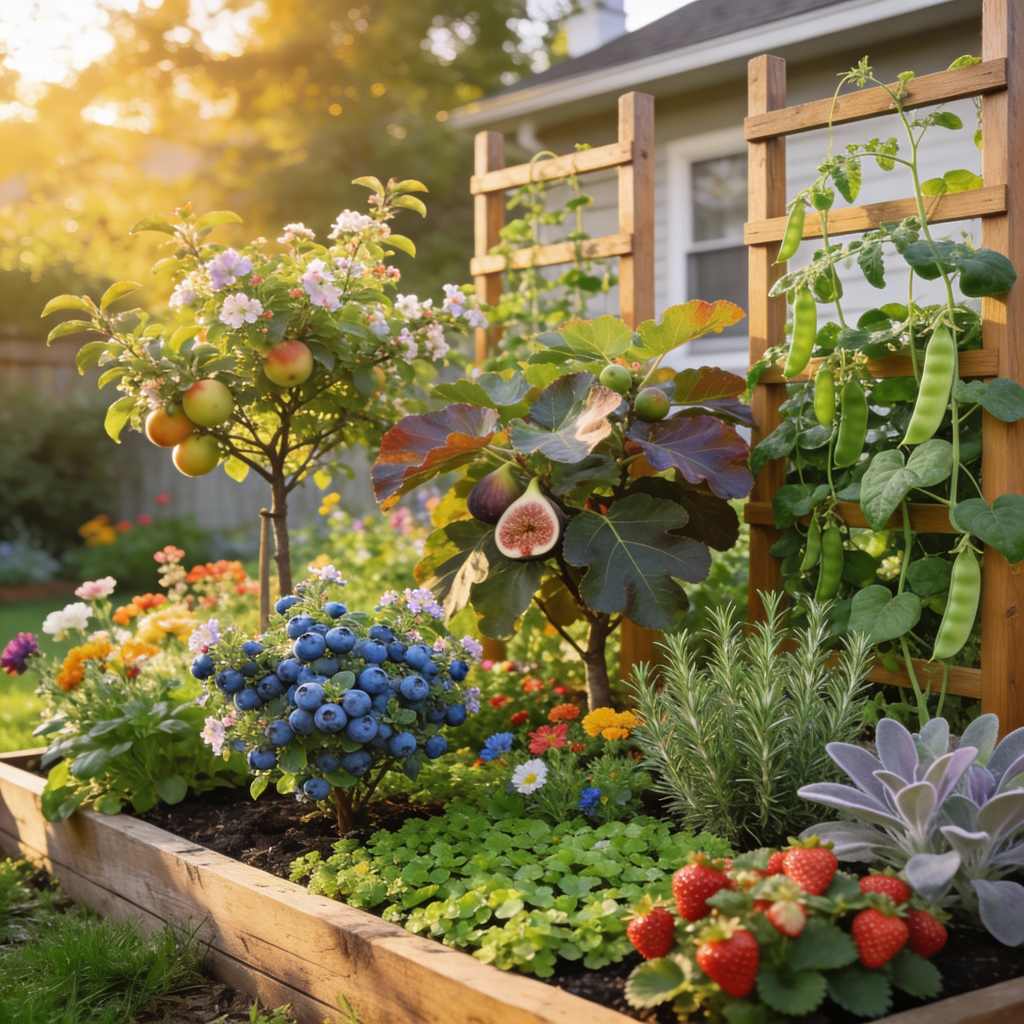
What Makes This Idea Special: Why hide vegetables in a separate plot? Edible landscape gardens integrate food-producing plants into ornamental settings—one of the most innovative small backyard garden ideas USA. Blueberry bushes provide spring flowers, summer berries, and stunning fall foliage. Figs offer tropical-looking foliage and sweet fruit. Strawberries work as groundcover while producing delicious berries. Rosemary, sage, and other culinary herbs thrive as ornamental shrubs.
Design thoughtfully: tall plants (dwarf fruit trees) go in back, mid-size shrubs in middle, groundcovers in front. Include perennials that produce for decades rather than replanting annuals yearly. Add vining crops like beans, peas, and cucumbers on trellises for vertical interest.
The psychological benefit is immense: harvesting your own food, watching children discover where food originates, and tasting produce at peak ripeness creates memories no grocery store can match.
10. Shaded Nook and Corner Gardens
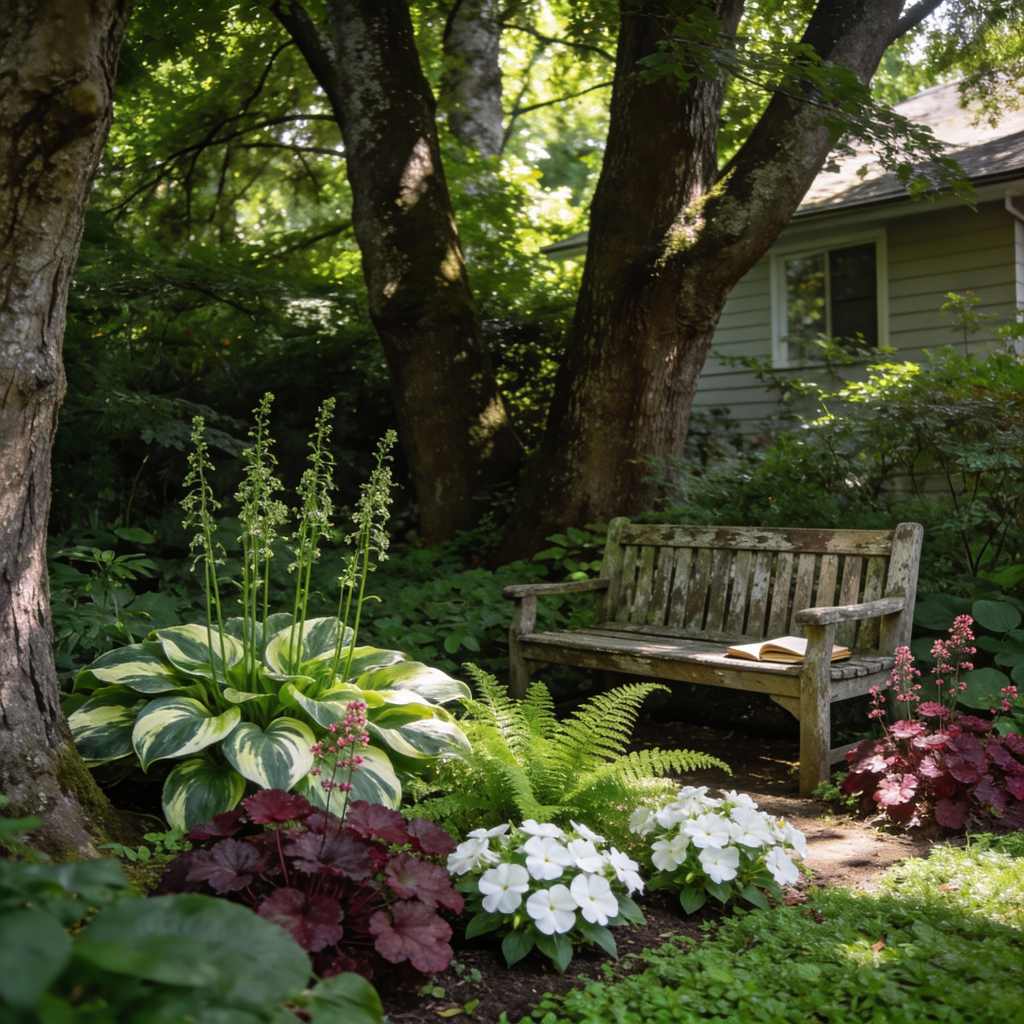
Location & Best Time to Plant: Shade gardens thrive year-round. Plant hostas, ferns, hellebores, and impatiens in spring after frost danger passes.
What Makes This Idea Special: Not every backyard corner gets full sun—and that’s okay! Shade is one of the most overlooked assets for small backyard designers. Shade gardens create surprisingly rich ecosystems while solving the “unused corner” problem. They’re among the most versatile small backyard garden ideas USA for challenging spaces.
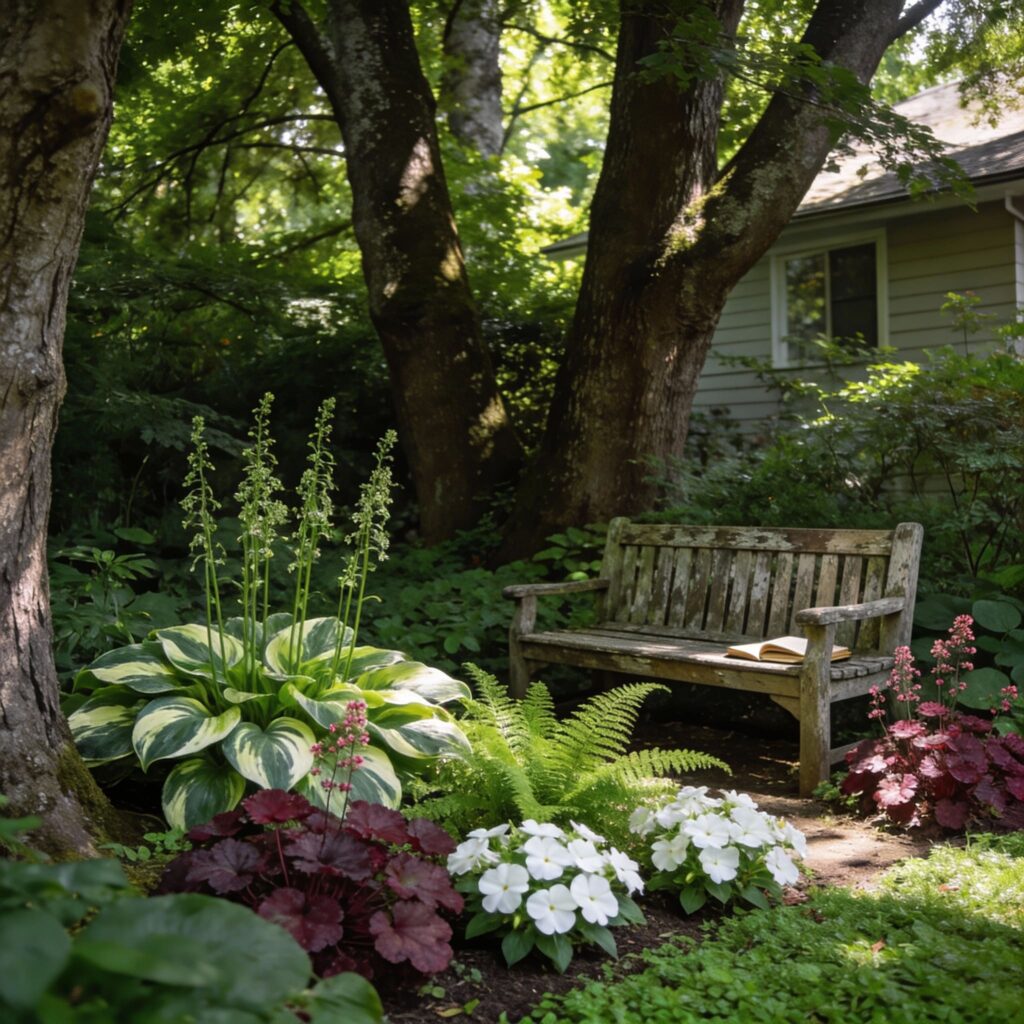
Choose plants thriving in shade or part-shade: hostas with beautiful foliage, delicate ferns, shade-loving perennials like hellebores and coral bells, impatiens and begonias for color, and groundcovers like wild ginger or creeping thyme. Add shade-tolerant herbs like mint, parsley, and cilantro.
Shade gardens often feel cooler and more restful than sunny areas, making them perfect spots for a small bench or reading nook. Layer plants by height—tall hostas in back, medium ferns in middle, low groundcovers in front—to create woodland appeal.
The Ultimate Guide to Winter Garden Travel Spots in the US: Discover Hidden Natural Escapes
Frequently Asked Questions About Small Backyard Gardens
Q: How much sun do I need for a productive vegetable garden?
A: Most vegetables need 6-8 hours of direct sunlight daily. However, leafy greens like lettuce, spinach, and kale tolerate 4-6 hours. Assess your yard’s sun patterns throughout the day before choosing plants. East or west-facing locations often work beautifully for small spaces.
Q: Can I start gardening with zero budget?
A: Absolutely! Herb spirals cost under $50 using found materials. Repurpose containers, gather free compost from yard waste, and propagate plants from friends’ gardens. Many gardening communities share seeds and plants freely. Budget gardening is not only possible—it’s rewarding.
Q: What’s the easiest garden type for complete beginners?
A: Container gardens with herbs (basil, mint, parsley) are forgiving and productive. Succulents are nearly impossible to kill. Both provide quick wins that build confidence for expanding your gardening journey.
Q: How do I prevent my small garden from becoming overwhelming?
A: Start small with 2-3 containers or a single raised bed. Learn through one growing season before expanding. Choose low-maintenance plants. Accept imperfection—gardens are living, evolving spaces, not museum displays.
Q: Which small backyard garden idea works best in my climate?
A: This depends on your USDA hardiness zone and water availability. Succulents excel in hot, dry regions. Shade gardens work brilliantly in humid Southeast. Container gardens adapt to any climate. Research plants native to your region for easiest success.
Q: Can I grow food in shade?
A: Yes, but production is lower. Leafy greens, herbs (mint, parsley, cilantro), and shade-tolerant vegetables like peas do reasonably well with 4-6 hours of sun. Avoid tomatoes and peppers in significant shade—they need heat.
Creating beautiful, productive gardens in limited space requires only smart planning and the right approach. These small backyard garden ideas USA range from low-maintenance succulents and zen gardens to productive raised beds and pollinator havens. Start with one idea that excites you, learn through the seasons, and watch your outdoor space transform into a personal sanctuary that brings joy, food, and natural beauty directly to your home.

Asif Ali is a gardening blogger with over 2 years of experience writing about garden inspiration, eco-friendly gardening, and beautiful garden destinations. He focuses on practical, sustainable ideas that help beginners create inspiring gardens with ease.