Repotting is one of the most important steps in plant care, but it can also be one of the most stressful for both you and your plant. The good news? With the right knowledge and techniques, you can successfully repot your plants without causing root damage. This guide will walk you through every step of the process, helping you keep your green friends happy and healthy.
Key Finding: Most repotting failures happen due to aggressive handling, improper pot sizing, or incorrect timing—not from the repotting itself. By following gentle techniques and understanding your plant’s needs, you can ensure smooth transitions to new pots that encourage vibrant growth.
Understanding When Your Plant Needs Repotting
Before you grab a shovel and start digging, you need to know if your plant actually needs repotting. Not every plant needs a new home every year, and repotting at the wrong time can create unnecessary stress. Look for these clear signs that your plant is ready for an upgrade:
- Roots growing through drainage holes at the bottom of the pot
- Soil drying out excessively fast, sometimes within a day or two of watering
- The plant looking top-heavy or unstable in its current pot
- Stunted growth despite proper light and watering
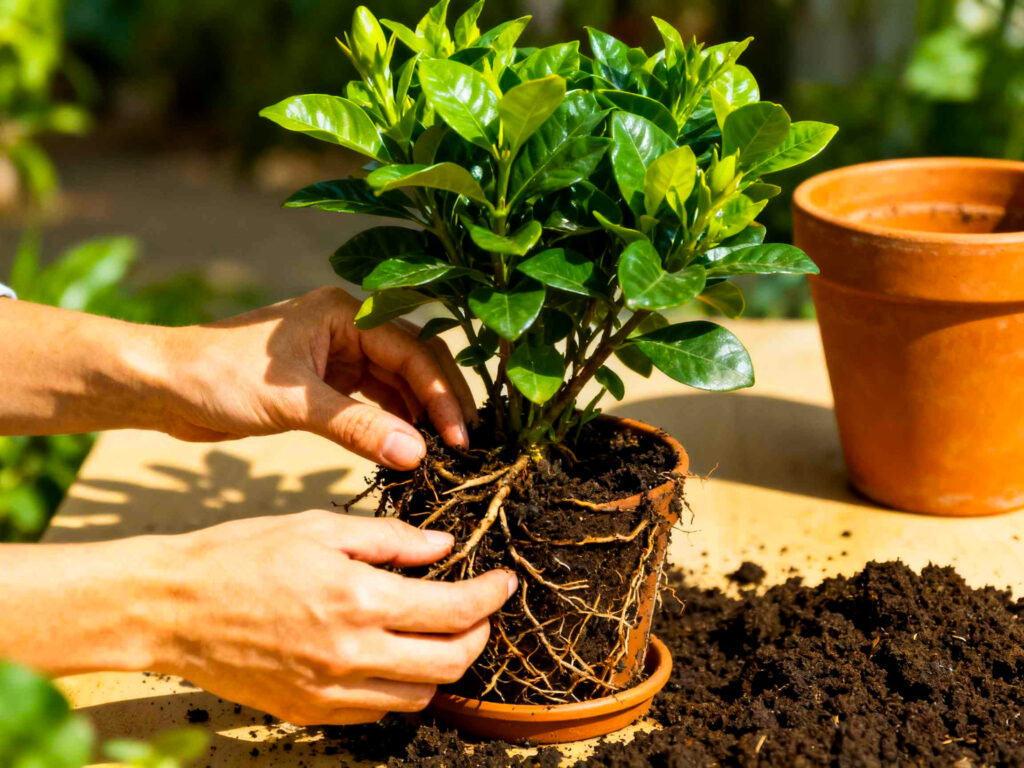
- Circling roots visible when you gently lift the plant
Most houseplants need repotting just once a year, though fast-growing varieties like pothos may need it more frequently. Slow-growing plants might only need a “top dressing”—adding fresh soil to the top few inches—instead of complete repotting.
The Best Time to Repot Your Plants
Timing is everything when it comes to repotting. Early spring is the absolute best time to repot your houseplants. Here’s why: plants are naturally emerging from their winter dormancy phase and starting their active growth cycle. This gives them maximum energy to develop new roots in fresh soil and adapt to their new environment with minimal stress.
During spring and early summer, longer daylight hours and warmer temperatures help soil dry out more quickly between waterings, which is crucial after repotting to prevent root rot. Avoid repotting during winter, late fall, or when plants are actively flowering or blooming. These are periods when plants are already stressed or dormant, and repotting can push them over the edge into serious decline or even death.
Preparation: The Secret to Damage-Free Repotting
The difference between successful repotting and disaster often comes down to preparation. Start by watering your plant thoroughly about one hour before repotting. This serves two critical purposes: it hydrates the root ball so roots are less brittle and prone to breaking, and it loosens the soil, making removal easier.
- A new pot that’s only 1–2 inches larger in diameter than the current one
- High-quality, well-draining potting mix (NOT dense garden soil)
- A piece of broken pot or mesh screening for the drainage hole
- Clean, sharp scissors or pruning shears (sanitized with rubbing alcohol)
- A small trowel or spoon
- Optional: a chopstick or fork for gently teasing roots apart
Pot size matters tremendously. Many beginners think larger pots mean faster growth, but this is a dangerous myth. When you pot a small plant into a huge container, the excess soil holds too much moisture around the root ball, which suffocates roots and causes rot. Instead, choose a pot that’s just slightly larger—typically 1–2 inches bigger in diameter.
Step-by-Step: Removing Your Plant Safely
This is where you need to channel your inner surgeon. The goal is to remove the entire root ball intact while keeping root damage to an absolute minimum.
Step 1: Loosen the soil edges. Start by loosening soil around the inside rim of the current pot using your fingers, a small tool, or even a chopstick. Gently work around the entire perimeter. This helps separate the root ball from the pot walls without yanking on roots or stems.
Step 2: Support and slide. Here’s the most important technique: hold the plant near its base (not the stems or leaves) and support the root ball with your hand underneath. Turn the pot sideways or upside down, then gently tap the bottom or sides of the pot while carefully sliding the plant out. Let gravity do the work—don’t pull on the stems or leaves, as this will snap roots and cause damage.
Step 3: If the plant won’t budge. Sometimes plants are severely root-bound, and the pot simply won’t release them. In this case, you might need to carefully break or cut away the pot itself—this is far better than yanking on the plant. Some gardeners run water around the root ball or let it soak in water for a few minutes to help loosen old soil.
The Gentle Art of Root Loosening and Pruning
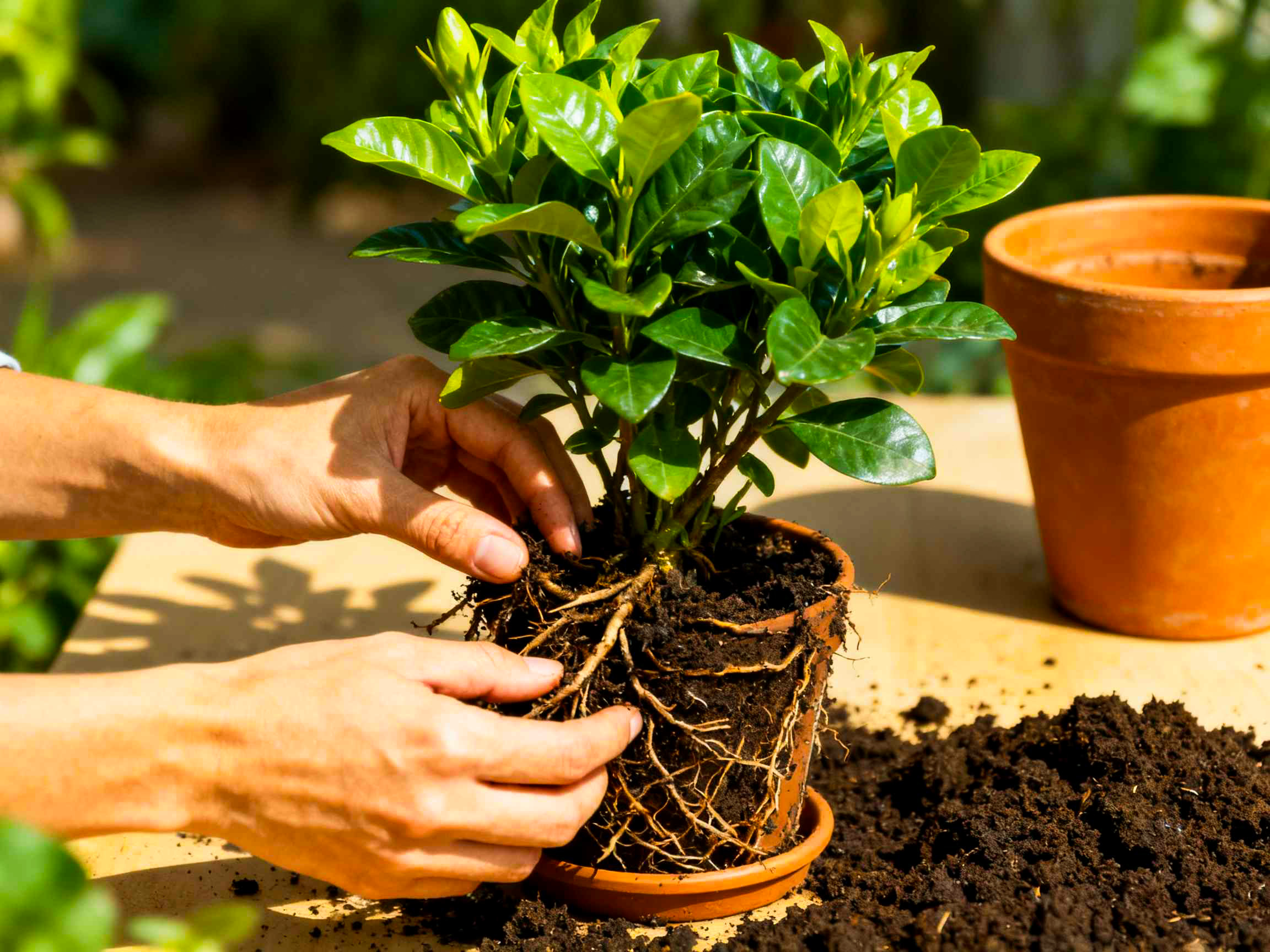
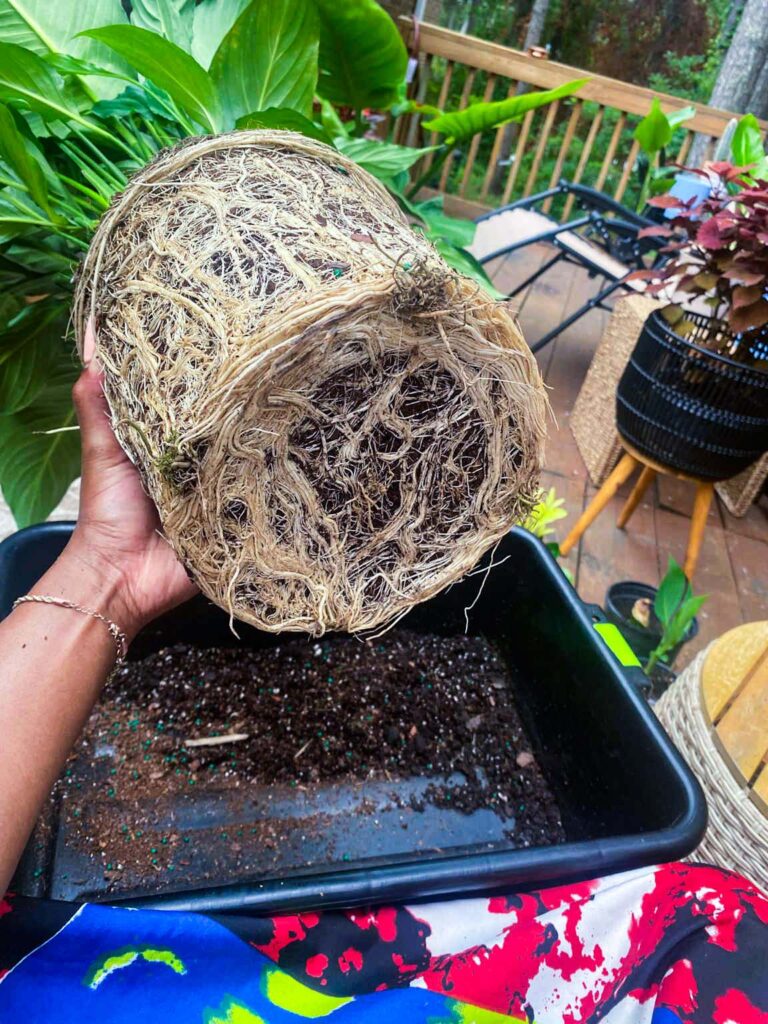
Once the plant is out, you’ll see the root ball. Even if it looks scary and tangled, there’s a gentler way to handle it than breaking it apart aggressively.
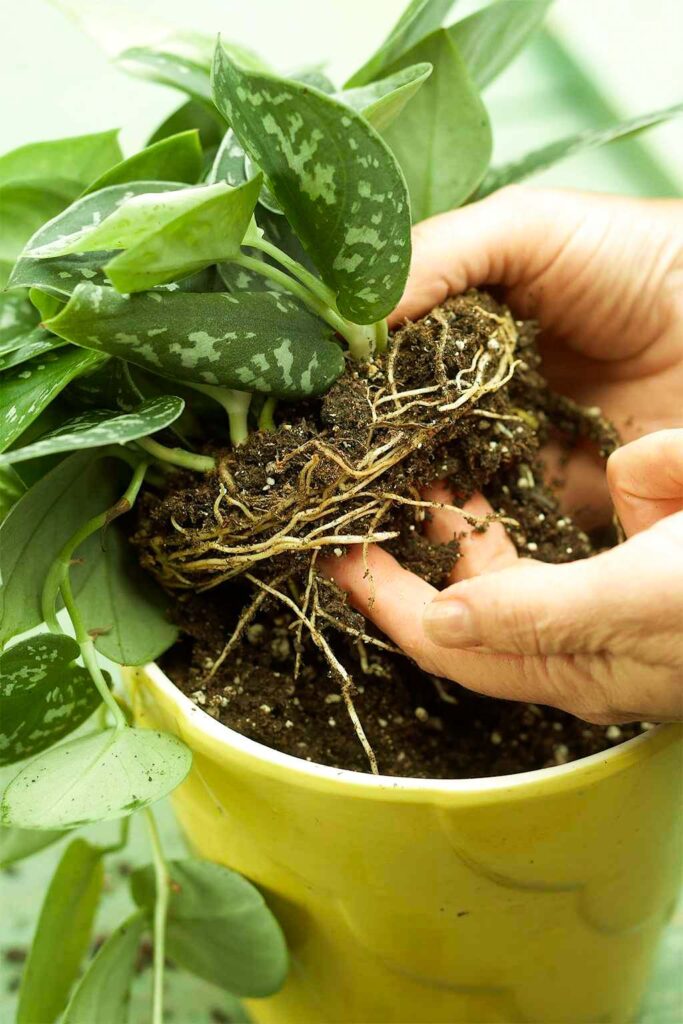
Massage, don’t yank. Start at the bottom of the root ball and gently massage it with your fingers, slowly working your way around the entire root system. The goal is to break up the coiled patterns and help roots spread outward, not to separate every single root into individual strands. Gentle is the keyword here—you will likely lose a few root hairs, and that’s okay, but you should never aggressively pull or break thick roots.
Use tools for stubborn roots. If roots are extremely tight and circling, use a soft tool like a chopstick or even a soft paintbrush to gently separate them. For very tight clumps, let the root ball soak in water for a few minutes to soften the soil, then gently work it apart.
Inspect and trim damaged roots. Carefully examine all roots as you loosen them. Remove any that are clearly dead (brown or black), mushy, or rotting with clean, sanitized scissors. These damaged roots will only drain energy from the healthy roots. However, keep the thicker, white, healthy roots intact. If your plant is severely root-bound and you want to keep it in the same pot size, you can trim away up to about 1/3 of the roots from the bottom to encourage new growth.
The root crown matters. Identify where the roots meet the stem (called the root crown). This area is sensitive and should never be buried below soil level—keep it at or slightly above the surface to prevent rot.
Preparing the New Pot and Soil
Getting the new pot and soil right is half the battle. Clay pots need special prep: soak them in water overnight so they don’t absorb moisture from your fresh potting mix. This helps soil stay properly hydrated for the newly sensitive root system.
Create a drainage base by covering the drainage hole with a piece of broken pot or mesh screening. This prevents soil from washing through while allowing water to drain freely. Importantly, do not add gravel to the bottom—this actually creates a wet zone that increases root rot risk.
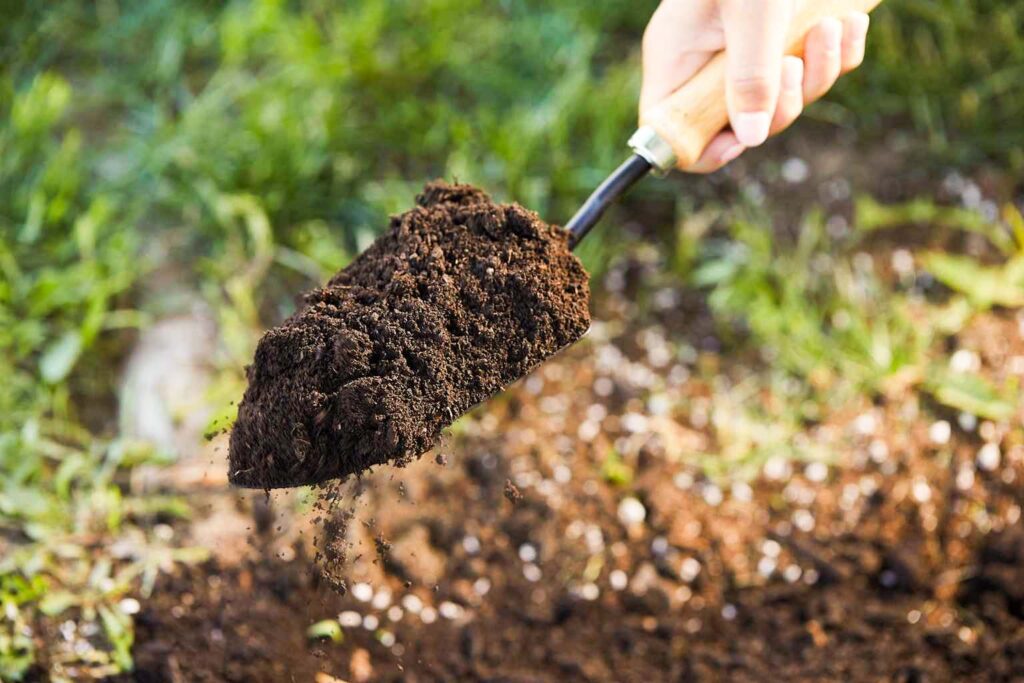
Now for soil: quality matters hugely. Generic “garden soil” is far too dense for containers; it compacts and suffocates roots. Instead, use a light, well-draining potting mix specifically formulated for houseplants. These mixes typically contain peat moss or coconut coir (for water retention), perlite (for drainage and aeration), and sometimes worm castings for nutrients.
If your standard potting mix seems heavy, amend it by mixing in extra perlite or coarse sand to improve drainage. For succulents and cacti, use a much grittier mix with extra perlite or coarse sand. The key is finding a balance: enough water retention for your specific plant type, but enough aeration so roots can breathe.
Slightly moisten your potting mix before using it—not soaking wet, just damp. This helps it pack better and prevents air pockets.
Add enough moistened soil to the new pot so the root ball will sit at the correct height, with the root crown at or just above the soil surface.
Repositioning Your Plant: Getting It Right
This step looks simple but requires precision. Place your plant in the new pot on top of the soil mound you created. Make sure it’s centered and at the correct depth—the root crown should be at soil level, not buried. Some gardeners prefer the crown to sit just barely above the surface for extra protection against rot.
Gently spread the roots outward into the new soil, like you’re “planting” them rather than coiling them up. This helps roots establish faster and prevents them from circling again in the future.
Backfilling and Settling
Once your plant is positioned correctly, carefully add fresh potting mix around the sides of the root ball. Gently firm the soil as you go—you want good contact between roots and soil, but not compacted, brick-hard soil. Roots need air to survive, so avoid packing soil tightly.
Leave about 1–2 inches of space from the soil surface to the pot rim for watering. This prevents water from running off and gives you room to water thoroughly without spillage.
Watering: The First Critical Step
Water your newly repotted plant immediately and thoroughly. This serves multiple purposes: it settles the soil, eliminates large air pockets, ensures good root-to-soil contact, and hydrates the roots that may have lost moisture during handling.
Pour water until it drains from the bottom of the pot, then let the pot drain completely. You can top-water (pouring from above) or bottom-water (setting the pot in water) depending on your preference. Both methods work, though some gardeners find bottom-watering gentler on freshly repotted plants.
After this initial watering, adjust your watering schedule. Let the top inch of soil dry out before watering again. Most repotted plants shouldn’t need water more than once a week. Overwatering is one of the biggest reasons repotted plants fail, so resist the urge to keep the soil constantly wet.
Understanding and Managing Transplant Shock
Despite your best efforts, most plants experience some level of transplant shock after repotting. This is a stress response where the plant struggles to establish in its new environment. Common symptoms include wilting or drooping leaves, yellowing or browning foliage, leaf drop, and temporarily stunted growth.
The good news? Transplant shock is usually temporary and manageable. Most plants recover within 2–4 weeks with proper care. Here’s how to help your plant bounce back:
- Provide bright, indirect light. Avoid direct sun for a few days, as stressed plants struggle to use it efficiently.
- Maintain consistent, careful watering. Monitor soil moisture closely but avoid overwatering.
- Hold off on fertilizing for at least 2–3 weeks. Wait until you see new growth before adding nutrients.
- Keep temperatures warm and avoid cold drafts or sudden temperature changes.
- Remove any dead leaves that have yellowed or browned completely.
- Be patient. Your plant needs time to acclimate; don’t stress about temporary wilting.
Some plants with fast growth rates, like pothos and spider plants, recover remarkably quickly from transplant shock. Others, like African violets or peace lilies with delicate roots, may take longer but will eventually recover with gentle care.
Common Mistakes to Avoid
Understanding what NOT to do is just as important as knowing the right technique:
- Potting into oversized containers. This is the #1 cause of post-repotting failure—excess soil holds too much moisture.
- Using poor-quality soil. Heavy garden soil, clay, or old potting mix compacts and suffocates roots.
- Burying the root crown. Soil covering the base of the stem causes rot and stem damage.
- Planting too deep or too shallow. The root ball should sit at the same depth it was in the previous pot.
- Skipping drainage holes. Pots without drainage are a death sentence for roots—always ensure proper drainage.
- Breaking roots aggressively. Gently tease, don’t yank or twist.
- Repotting during dormancy. Winter repotting causes severe stress; stick to spring.
- Overwatering afterward. This is the #2 killer of newly repotted plants.
- Fertilizing immediately. Fresh soil contains nutrients; adding fertilizer causes nutrient burn and stress.
Frequently Asked Questions About How to Repot Plants Without Damaging Roots
Q: How soon after repotting can I fertilize my plant?
A: Wait at least 2–3 weeks, until you see signs of new growth. Fresh potting mix contains nutrients that will feed your plant for several weeks. Adding fertilizer too soon can overwhelm stressed roots and cause nutrient burn.
Q: What if I repot in the wrong season?
A: Your plant will likely experience more severe transplant shock and slower recovery. If you absolutely must repot outside of spring or early summer, choose a cool morning, water the plant well beforehand, and provide extra gentle care during recovery. Avoid repotting in winter or during active flowering.
Q: How often should I repot my plant?
A: Most houseplants need repotting once annually, typically in spring. Fast-growing plants like pothos may need it every 6–9 months, while slow growers like snake plants might only need it every 2–3 years. Repot when you see roots emerging from drainage holes or soil drying out extremely fast.
Q: Can I repot a plant that’s currently flowering?
A: No—this is a stressful time for the plant, and repotting can cause it to drop flowers and go into shock. Wait until flowering is complete before repotting.
Q: What type of potting soil is best for repotting?
A: Use a lightweight, well-draining commercial potting mix formulated specifically for houseplants. These typically contain peat moss or coconut coir, perlite, and sometimes worm castings. Avoid dense garden soil or topsoil.
Q: Is root pruning necessary when repotting?
A: Only if your plant is severely root-bound and you want to keep it in the same pot size. In this case, trim away up to 1/3 of the roots from the bottom to encourage new, healthy growth. Otherwise, gently loosen but preserve healthy roots.
Q: Why is my plant drooping after repotting?
A: This is transplant shock—a normal stress response. Your plant’s roots are struggling to establish in the new soil and can’t yet absorb water and nutrients efficiently. Provide bright indirect light, careful watering, and patience. Most plants recover within 2–4 weeks.
Q: Should I water my plant before or after repotting?
A: Water about 1 hour before repotting to hydrate the root ball and loosen the soil. Then water immediately after repotting to settle the new soil and establish root-to-soil contact.
The Bottom Line: How to Repot Plants Without Damaging Roots
Repotting doesn’t have to be scary or damaging to your plants. By following these steps—watering beforehand, choosing the right pot size, handling roots gently, using quality soil, and providing patient aftercare—you’ll give your plants the space and nutrients they need to flourish. Remember, plants are resilient living things, and most will forgive minor mistakes if you provide consistent care during recovery. Start with these techniques, observe how your plants respond, and you’ll develop an intuition for what each one needs. Happy repotting!

Asif Ali is a gardening blogger with over 2 years of experience writing about garden inspiration, eco-friendly gardening, and beautiful garden destinations. He focuses on practical, sustainable ideas that help beginners create inspiring gardens with ease.