Most Photogenic Garden Places in America: America’s most photogenic gardens represent a stunning collection of natural and cultivated landscapes that draw photography enthusiasts, tourists, and garden lovers from around the world. From sprawling botanical gardens with century-old trees to intimate Japanese-inspired sanctuaries featuring serene koi ponds, these destinations offer endless opportunities for breathtaking photography and peaceful exploration. Whether you’re a professional photographer seeking the perfect shot, an Instagram enthusiast looking for your next viral post, or simply someone who appreciates natural beauty, America’s premier gardens deliver world-class scenery that transforms every visitor into a creator. This comprehensive guide reveals the most photogenic garden locations across the United States, shares insider photography tips, and helps you plan unforgettable visits to these botanical treasures.
America’s Most Photogenic Garden Destinations
Longwood Gardens: The Crown Jewel of Pennsylvania
Longwood Gardens in Kennett Square, Pennsylvania stands as one of America’s most celebrated and photographed botanical destinations, spanning an impressive 1,077 acres of meticulously designed gardens, woodlands, and meadows. This historic property, originally developed by industrialist Pierre S. du Pont, showcases 18 distinct garden collections that create endless photography opportunities throughout every season. The garden features the stunning Italian Water Garden, the breathtaking Flower Garden Walk, and the magnificent Main Fountain Garden, which provide dramatic backdrops for both professional and amateur photographers.
Visitors consistently find themselves amazed by the composition and layout of each garden room, with perfectly manicured lawns framing colorful flower displays against a backdrop of mature trees. The historic four-acre conservatory houses year-round floral collections that are particularly impressive during the winter months when outdoor gardens appear dormant. The Orchid House contains extraordinary specimens that photograph beautifully under natural light, while the Meadow Garden offers serene, open spaces perfect for capturing wide-angle landscape photographs.
The seasonal transformations at Longwood Gardens make it a photographer’s paradise across all months. Spring brings thousands of blooming bulbs and flowering trees, summer showcases vibrant perennial borders and water features with evening fountain illuminations, fall displays rich autumn foliage and chrysanthemum collections, and winter features poinsettias and holiday decorations. Note that Longwood Gardens has specific photography policies, so visitors should check current guidelines before planning commercial photography sessions.
New York Botanical Garden: Year-Round Photography Excellence
The New York Botanical Garden (NYBG) in the Bronx represents another premier American garden destination offering exceptional photographic opportunities. Beyond its permanent collections, NYBG hosts special exhibitions throughout the year that transform the experience completely. The annual Orchid Show, currently celebrating its 22nd edition with a Mexican Modernism theme, fills the Enid A. Haupt Conservatory with thousands upon thousands of orchids in a full rainbow of colors. The exhibition features vibrant architectural installations painted in hot pink, rich purple, fiery orange, and deep red—the trademark colors of modernist architect Luis Barragán—providing stunning visual backdrops for photography.
The garden’s design cleverly incorporates both flowers and architectural elements, creating layers of visual interest that photographers absolutely love. The combination of lush vegetation, water features, and thoughtfully placed design elements gives every photograph a sense of drama and composition. Beyond the special exhibitions, the permanent gardens offer year-round photo opportunities, with the spring bulb displays, summer rose gardens, and autumn plantings each presenting their own unique photographic themes.
Denver Botanic Gardens: Where Diversity Meets Beauty
Denver Botanic Gardens sprawling across 24 acres in Denver, Colorado, provides an incredible variety of photographic settings within a relatively compact area. Professional photographers consistently rank this location as one of their top choices due to its diversity of botanical styles and themes. The gardens feature English-style gardens, extensive bamboo collections, flowering trees in spring, vibrant summer perennials, and rich autumn foliage, allowing photographers to capture completely different aesthetic styles without traveling to multiple locations.
One particular advantage of Denver Botanic Gardens is the accessibility to adjacent Cheeseman Park through the back gates, providing photographers with alternative scenic options during a single visit. The gardens include numerous water features, architectural structures, bridges, and pathway configurations that create compositional depth. Spring cherry blossoms and magnolias attract crowds of photographers seeking that perfect bloom, while summer rose gardens and fall colors ensure beautiful opportunities throughout the season.
Hakone Estate and Gardens: Traditional Japanese Tranquility
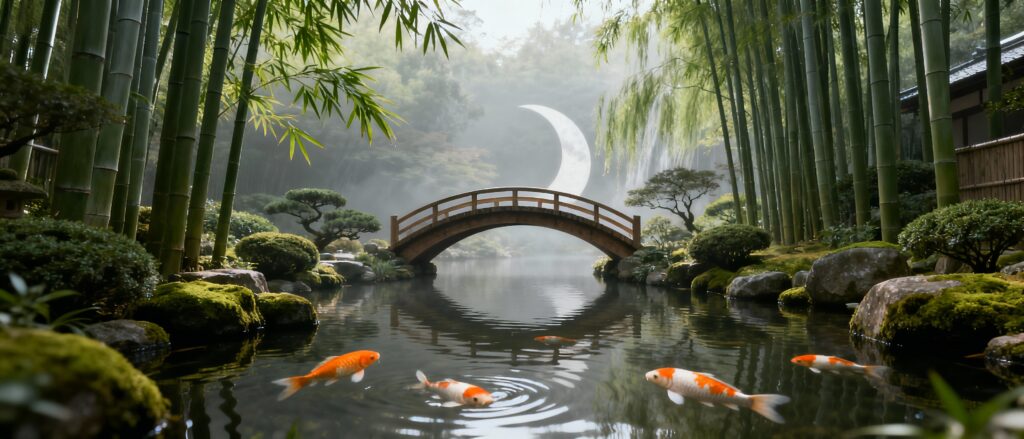
Hakone Estate and Gardens in Saratoga, California represents one of the oldest and most authentic Japanese residential gardens in the Western Hemisphere, established in 1915. This 18-acre property features traditional Japanese landscape design elements that transport visitors to another world while remaining in Silicon Valley. The garden includes a bamboo forest, a traditional Zen garden, the picturesque Hill and Pond Garden with Moon Bridge, tea houses, and the Cultural Exchange Center—an authentic reproduction of a 19th-century Kyoto tea merchant’s house.
The distinct photography opportunities at Hakone include the iconic Koi Pond, featuring both ornamental fish and beautiful water reflections that create stunning mirror-like images. The Moon Bridge offers classic photographic compositions, while the tea houses and traditional structures provide cultural context and architectural interest to photographs. Visitors can capture images of blooming cherry blossoms and wisteria during spring months, while the Zen garden and bamboo forest provide serene, minimalist photography options throughout the year. Hakone charges a modest $12 entry fee for adult visitors and requires permits for official or commercial photography.
Butchart Gardens: The World-Famous Canadian Treasure
Though technically located in Victoria, British Columbia, Butchart Gardens has earned its place as one of North America’s most photogenic garden destinations, drawing photography enthusiasts across the border. This 55-acre garden masterpiece features the iconic Sunken Garden, where visitors can stand atop overlooking stairs and gaze out at jaw-dropping flower combinations and beautifully manicured lawns. The distinctive garden design includes the Japanese Garden with its serene ponds and waterfalls, the Italian Garden, the Rose Garden, and numerous water features that create photographic magic.
A major advantage of Butchart Gardens is the Night Illumination display held Wednesday through Sunday evenings, where thousands of subtle lights transform the gardens into an enchanting wonderland using artistic displays of light and shadows. This special lighting creates photographic opportunities that simply cannot be captured during daylight hours. Professional photographers recommend visiting during summer or early fall for ideal blooming conditions, with the exception of the spring season, which offers fewer crowds but also fewer fully opened flowers.
Photographers should note important etiquette guidelines: tripods are permitted at Butchart Gardens, but selfie sticks and drones are strictly prohibited. Photography is welcome as long as it does not interfere with other visitors’ enjoyment, making it essential to be mindful of placement and timing. The Waterwheel Square lookout point offers the classic vantage point photographed in countless images, providing a reliable starting point for your photography session.
Fort Worth Botanic Garden: The Rose Garden Capital
Fort Worth Botanic Garden in Fort Worth, Texas sprawls across over 100 acres of breathtaking landscapes, with particular distinction for its extensive rose garden featuring over 2,500 rose bushes. This massive collection of roses, representing countless varieties and colors, creates an absolutely spectacular photography location during peak blooming season, typically from April through October. The garden also features a stunning Japanese Garden with serene ponds, waterfalls, and traditional landscaping elements that provide alternative photography styles within the same location.
The rose garden’s sheer scale and density of blooms make it exceptionally photogenic, with layers of color and texture that create professional-quality images for photographers of all skill levels. The combination of manicured garden areas and more naturalistic pond settings provides compositional variety, allowing photographers to capture both formal garden aesthetics and more romantic, pastoral scenes.
Essential Photography Tips for Garden Locations
Master the Golden Hour and Lighting Conditions
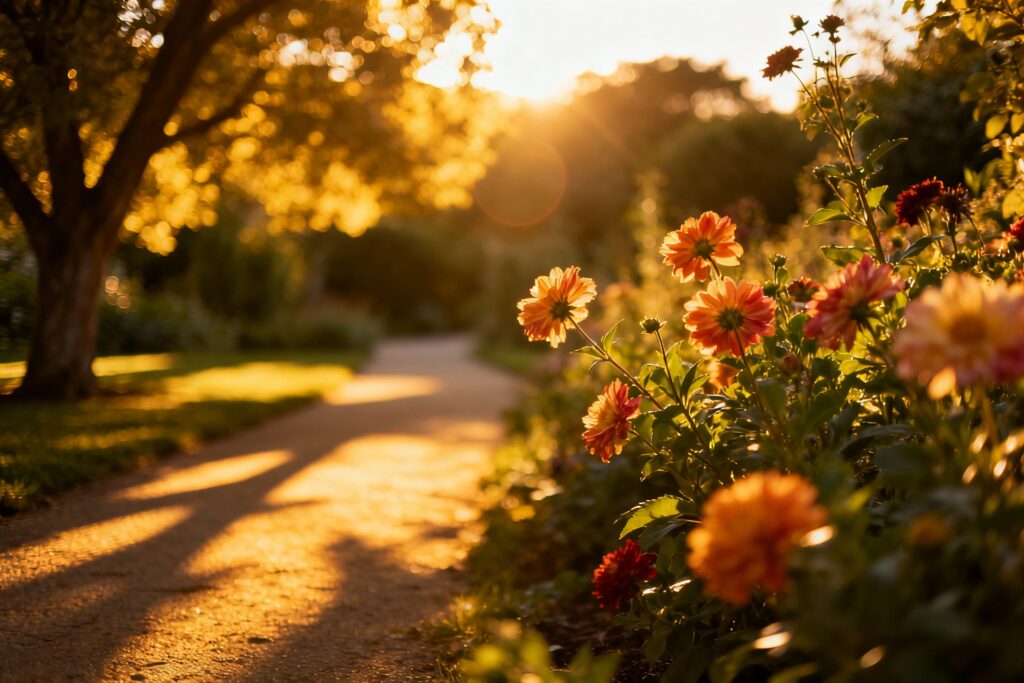
Understanding light represents the single most critical factor in successful garden photography, and golden hour photography produces consistently superior results compared to midday shooting. Early morning and late afternoon offer beautiful, soft lighting that bathes flowers and foliage in warm, flattering tones. Professional photographers consistently recommend shooting within one to two hours of sunset or sunrise, as this positioning of the sun creates dramatic shadows, depth, and dimensional quality that elevate photographs from ordinary to exceptional.
The sun’s light during golden hour travels through more atmospheric layers, reducing its intensity and creating even, diffused lighting that makes colorful petals pop without harsh shadows. Conversely, midday sun between 10 a.m. and 2 p.m. creates terrible, unflattering shadows directly under foliage and flowers, diminishing photographic quality dramatically. If you cannot shoot during golden hour, overcast days provide an excellent alternative, as cloudy skies diffuse sunlight evenly, eliminate harsh shadows, and actually enhance the natural colors of flowers and plants.
Camera Settings and Compositional Techniques
For photographers using DSLR cameras, shooting in manual mode or aperture priority mode grants the freedom to adjust exposure and create the depth of field effects that separate exceptional flower photographs from average snapshots. Avoid using flash outdoors, as it typically creates harsh, flat images that lack the dimensional quality of natural light photography. When photographing flowers, position your subject to face toward the light source rather than away from it, creating backlighting that adds luminosity and separates the flower from the background.
The rule of thirds provides a reliable compositional framework for flower photography, helping create balanced, visually interesting compositions that guide the viewer’s eye through the image. For maximum sharpness and detail, particularly when photographing small flowers or intricate petals, use a low-powered flash with a diffuser if shooting during golden hour creates excessive backlighting challenges. This technique produces the halo-like presence and dimensional quality that characterizes professional flower photography.
Environmental Factors and Seasonal Considerations
Weather patterns dramatically influence both the photographic quality and the aesthetic appearance of garden locations. Rain and water droplets on flowers and foliage add visual interest, freshness, and dimensional quality to photographs, creating what photographers call that “farm-fresh” appearance. Keep a watering can or hydration spray handy to mist flowers before photographing, creating artificial dew that enhances visual appeal and mimics that post-rainfall glow.
Reflectors and diffusers represent invaluable tools for garden photography, allowing photographers to manipulate and soften light without relying on artificial flash equipment. Reflectors bounce available sunlight onto shadowed areas, filling in shadows and adding subtle glow, while diffusers soften harsh light and reduce glare. Many photographers carry pop-up reflectors and diffusers specifically designed for outdoor photography use.
Planning Your Garden Photography Visit
Timing Your Visit for Maximum Visual Impact
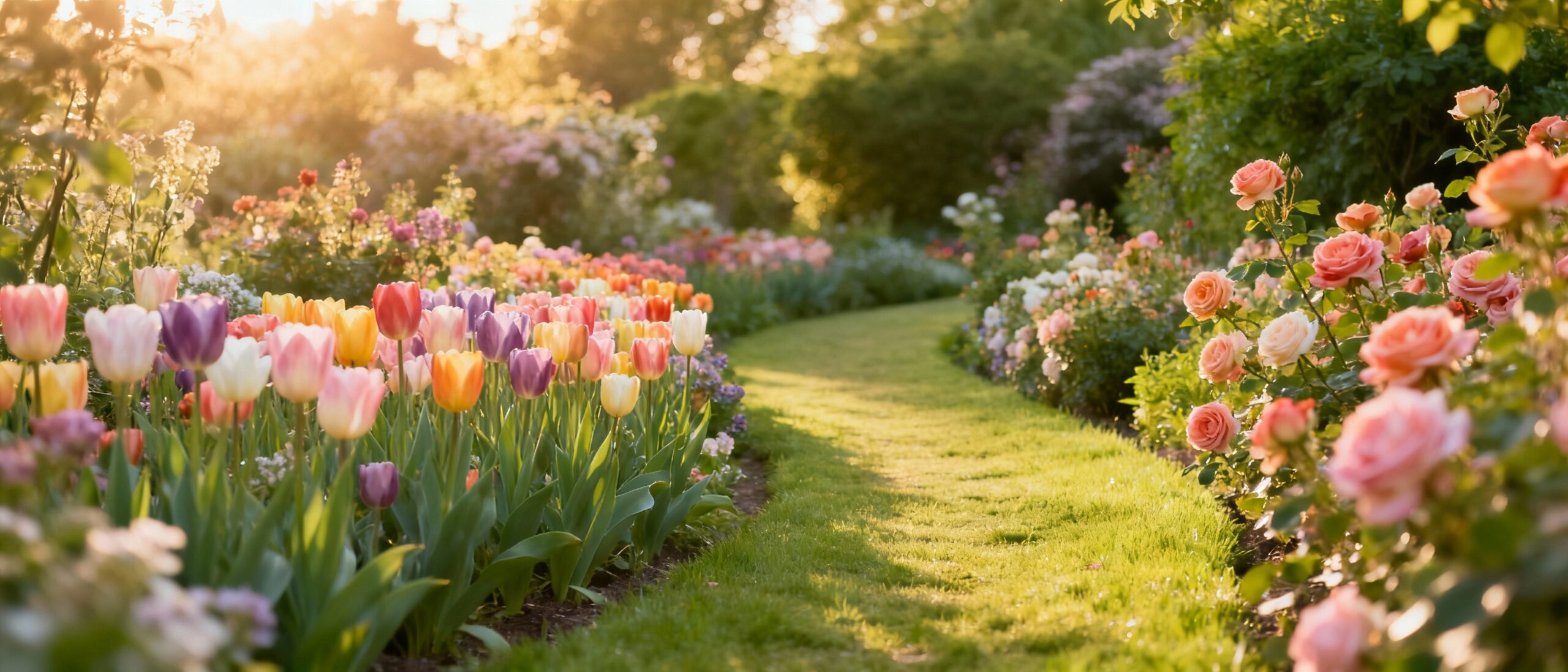
Successful garden photography demands strategic timing that aligns with seasonal blooming cycles, garden operating hours, and optimal lighting conditions. Spring gardens (March through May) showcase tulips, daffodils, cherry blossoms, and early perennials, with peak blooms typically occurring in mid-to-late spring. Summer gardens (June through August) feature roses, hydrangeas, lavender, and numerous colorful perennials at their peak, though afternoon heat can create humidity and haze that affects image clarity. Fall gardens (September through November) display rich foliage colors, chrysanthemums, and architectural elements now visible as summer growth recedes. Winter gardens (December through February) feature evergreen structures, winter interest plants, indoor conservatory displays, and holiday decorations at many locations.
Morning visits, while requiring earlier wake-up times, offer distinct advantages: fewer crowds for less obstructed photography, fresher flowers with dewdrops, cooler temperatures for more pleasant walking, and multiple hours of progressive golden hour light. Many botanical gardens open at 9 a.m. or 10 a.m., though specific hours vary by location, so check individual websites for accurate information before planning your visit.
What to Bring and How to Prepare
Professional garden photographers recommend bringing: a camera with manual or priority mode capability, extra batteries (as garden visits typically last several hours), a sturdy tripod for stability (when permitted), reflectors and diffusers for light manipulation, a water bottle and comfortable walking shoes (gardens require substantial walking), and a rain jacket or umbrella for unexpected weather or misting flowers.
Comfortable clothing and appropriate footwear prove essential, as many gardens feature uneven terrain, gravel pathways, and extensive walking requirements. Conservative color clothing helps avoid distracting reflections or color casts in photographs. Most importantly, arrive with a plan to visit specific areas of the garden but also allow time for spontaneous exploration and discovery, as some of the best photographs come from noticing unexpected visual combinations.
Frequently Asked Questions About Most Photogenic Garden Places in America
What is the best season to photograph gardens in America?
Spring (March through May) offers the most reliable and abundant blooming flowers, making it ideal for garden photography. However, each season presents distinct visual opportunities: summer for lush greenery and vibrant colors, fall for dramatic foliage and architectural elements, and winter for holiday decorations and conservatory exhibits. The “best” season ultimately depends on your specific preferences and the particular garden you plan to visit. Spring requires arriving early during popular blooming times, as crowds can significantly impact your photography experience.
Do I need professional photography equipment to capture beautiful garden photos?
No. Modern smartphones produce exceptional image quality, and many professional photographers use phones as their primary camera devices. Understanding lighting principles, composition, and timing proves far more important than equipment quality. That said, cameras with manual mode capability do provide greater creative control for specific effects, particularly for creating depth of field through aperture adjustments and capturing sharp detail through proper shutter speed selection.
What are the best Instagram hashtags for garden photography?
Popular Instagram hashtags for garden photography include #gardenphotography, #gardensofinstagram, #flower, #gardens, #gardenlove, #springflowers, #flowerstagram, #naturephotography, #plantsmakepeoplehappy, #gardenlife, and #mygarden. Medium-sized hashtags like #flowerphotography (9+ million posts), #jardin (7+ million posts), and #mygarden (6+ million posts) provide excellent reach, while more specific hashtags like #gardendesign and #gardensinspiration can help you reach engaged, targeted audiences.
Are there photography permits or restrictions at major gardens?
Most botanical gardens permit photography for personal use without special permits, though commercial, professional, and formal photography sessions typically require permits and fees. Denver Botanic Gardens charges $100 for photography permits, while Hakone Gardens requires permits for official, commercial, formal, or political photographs. Individual gardens maintain different policies regarding tripods, drones, and selfie sticks, so check specific requirements before visiting. Many gardens specifically prohibit selfie sticks and drones to maintain safety and preserve the experience for all visitors.
Can I visit multiple gardens during a single trip?
This depends on the geographic location and your available time. Denver Botanic Gardens is so large and diverse that photographers typically dedicate entire sessions to a single location. However, gardens within the same metropolitan area, such as those in the Northeast or California, might be combined on a regional photography tour. Most botanical gardens benefit from 2-4 hours of exploration to properly photograph all areas, so plan accordingly. Driving time between locations should factor into your itinerary when planning multiple gardens per day.
Conclusion: Most Photogenic Garden Places in America
America’s most photogenic garden destinations represent carefully curated collections of botanical beauty, architectural design, and horticultural excellence that inspire photographers and garden enthusiasts worldwide. From the sprawling acres of Longwood Gardens to the intimate Japanese tranquility of Hakone Estate, these locations offer photography opportunities that satisfy both casual visitors and professional image-makers. Success in garden photography depends less on possessing expensive equipment and more on understanding fundamental principles of light, composition, timing, and patience.
By implementing the photography tips outlined in this guide—prioritizing golden hour lighting, arriving during peak blooming seasons, understanding seasonal variations, and preparing adequately with proper equipment—you’ll dramatically improve your garden photographs and create lasting visual memories of these botanical treasures. Whether sharing your images on Instagram, printing them for home displays, or simply capturing memories for personal enjoyment, America’s photogenic gardens deliver the visual inspiration and natural beauty that make such photography absolutely worthwhile.
Plan your garden photography adventure today by selecting one of these world-class destinations, checking seasonal bloom calendars, and arriving prepared to capture the exceptional natural and cultivated beauty that makes America’s botanical gardens among the most photographed locations in the world.

Asif Ali is a gardening blogger with over 2 years of experience writing about garden inspiration, eco-friendly gardening, and beautiful garden destinations. He focuses on practical, sustainable ideas that help beginners create inspiring gardens with ease.