Eco-Friendly Garden Ideas: Creating an eco-friendly garden is one of the most rewarding ways to reduce your environmental footprint while building a beautiful, thriving outdoor space. Whether you have a sprawling backyard or a small balcony, sustainable gardening practices help you grow healthier plants, save money on water and chemicals, and create a haven for local wildlife—all without sacrificing beauty or productivity. This comprehensive guide reveals practical, actionable strategies that turn any garden into an environmental asset.
What Makes a Garden Eco-Friendly?
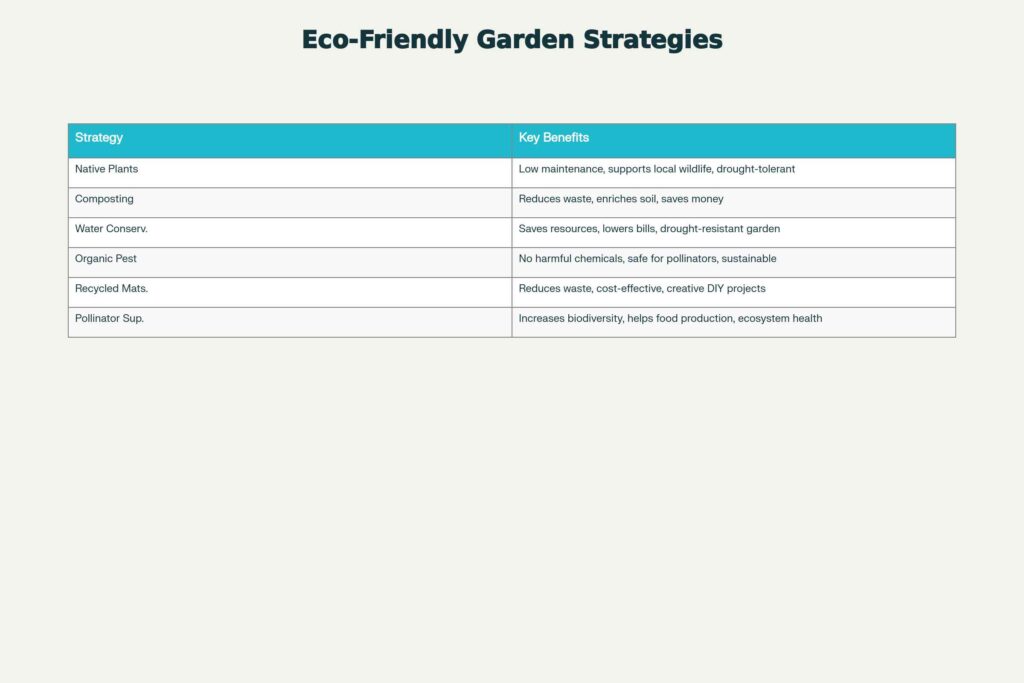
An eco-friendly garden is one that works with nature rather than against it, creating a sustainable space that requires minimal external resources and no harmful chemicals. Sustainable gardens give back to their surroundings by supporting local ecosystems, conserving water, and reducing landfill waste through composting and upcycling. The foundation of any eco-friendly garden includes healthy soil, native plants, water conservation, and natural pest management—all practices that benefit both your garden and the planet.
The shift toward eco-friendly gardening also makes financial sense. By improving soil health with compost instead of buying synthetic fertilizers and using recycled materials instead of new products, gardeners can dramatically cut costs while reducing their carbon footprint.
Start with Healthy Soil: The Foundation of Sustainable Gardening
Soil is the heart of any thriving garden, and it’s where sustainable gardening begins. Healthy soil traps and stores carbon, provides a home for beneficial microorganisms, and naturally supports plant growth without requiring constant chemical inputs.
Building Rich Soil Through Composting
Composting is one of the most effective ways to improve soil quality while reducing waste. Instead of sending kitchen scraps and yard waste to landfills, you can transform them into nutrient-rich compost that feeds your plants and enriches your garden beds. Composting simultaneously addresses two major environmental challenges: landfill waste and the need for sustainable soil amendments.
There are several composting methods suited to different gardening situations. Hot composting is the fastest method, breaking down organic materials in 4-6 weeks by maintaining high temperatures between 130°F and 160°F. This approach requires balancing carbon (dry leaves, straw) and nitrogen (food scraps, grass clippings) materials while regularly turning the pile.
For urban gardeners or those with limited space, vermicomposting offers an excellent solution. This method uses worms to break down organic matter into nutrient-rich castings in a simple bin that can be kept indoors or on a balcony. The result is potent fertilizer perfect for container plants and garden beds, plus it’s a fun project to engage kids in gardening.
Bokashi composting is another innovative option, especially if you want to compost meat, dairy, and cooked foods—items typically off-limits in standard compost bins. This fermentation process uses bran inoculated with beneficial microbes and produces a nutrient-dense liquid fertilizer alongside the composted material.
For those who prefer a low-maintenance approach, trench composting (also called “lazy composting”) lets you bury kitchen waste directly in the garden where it will decompose in place. Dig a trench one spade deep, layer in kitchen scraps and garden soil alternately, then cover and wait one to two months before planting.
Boost Soil Water-Retention Capacity
Adding organic matter to your soil is one of the simplest yet most powerful ways to conserve water. Research shows that increasing soil organic matter by just 5% can quadruple its water-holding capacity. This means less frequent watering, healthier plants during droughts, and lower water bills.
When preparing new garden beds, work in generous amounts of compost or organic matter. For established beds, apply a 2-4 inch layer of compost on top each year, allowing it to slowly integrate into the soil.
Choose Native Plants and Resilient Varieties
Native plants are the backbone of sustainable gardens. These species evolved to thrive in your local climate and soil conditions without needing supplemental watering, fertilizers, or pest management. By choosing plants adapted to your region, you’ll automatically create a low-maintenance garden that supports local wildlife while conserving resources.
Why Native Plants Matter
Native plants don’t need coddling—they’re used to local soil and weather conditions, rarely require feeding, and significantly reduce water needs compared to non-native varieties. They also support the insects, birds, and pollinators that depend on them, creating a self-sustaining ecosystem rather than a garden that requires constant external inputs.
When shopping for plants, look for drought-tolerant varieties that match your hardiness zone and site conditions. Hardy trees like hornbeam (Carpinus betulus), various oaks, maples, and birches provide excellent eco-impact ratings, storing carbon and filtering pollution over their lifetime.
Support Pollinators with Intentional Plant Selection
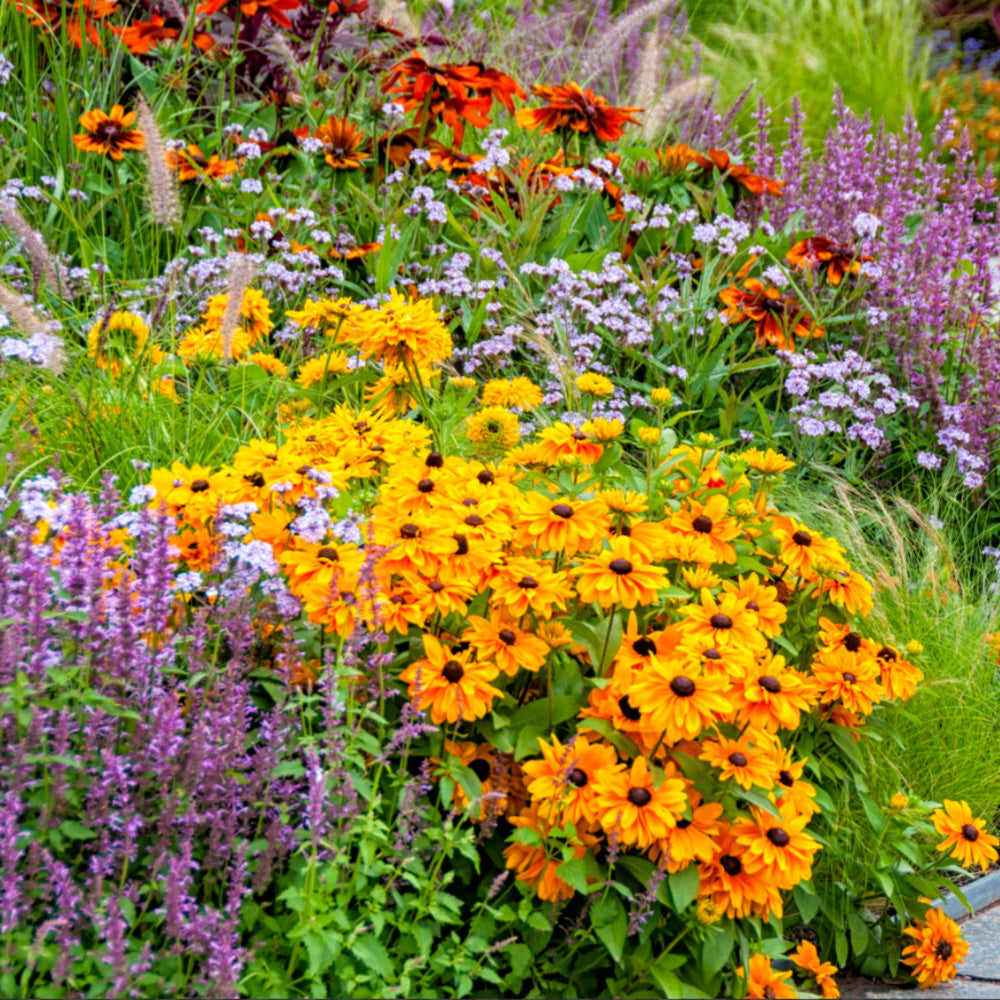
Pollinators—bees, butterflies, hummingbirds, and other beneficial insects—are essential for food production and ecosystem health. Planting nectar-rich native species creates a food source for pollinators while adding color and beauty to your garden.
Choose plants that bloom at different times throughout the growing season to provide consistent food sources. Spring bloomers like native milkweed (Asclepias speciosa), yarrow (Achillea millefolium), and lupines attract early-season pollinators. Summer bloomers like black-eyed Susan (Rudbeckia hirta), wild bergamot (Monarda fistulosa), and common sunflower extend the season, while fall bloomers like goldenrod (Solidago) support late-season migration.
Master Water Conservation: Save Water and Money
Water is one of the most precious resources in any garden, and water-wise gardening practices are essential—especially in drought-prone regions. By implementing proven conservation strategies, you can maintain a beautiful garden while significantly reducing your water consumption.
Mulch to Reduce Evaporation
Mulching is one of the single most effective water conservation strategies. A 2-4 inch layer of organic mulch—such as wood chips, bark, or compost—reduces evaporation by up to 50% while suppressing weeds and regulating soil temperature.
Apply mulch around plants, leaving a small gap around plant stems to prevent rot. Loose mulches work best for established plants and perennial beds, while harder materials work well for pathways. As organic mulch decomposes over time, it adds valuable organic matter to your soil.
Install Efficient Watering Systems
Directing water to plant roots instead of losing it to evaporation and runoff is crucial for water-wise gardening. Drip irrigation systems deliver water slowly and directly to the soil, minimizing waste compared to overhead sprinklers.
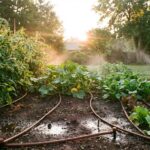
Soaker hoses are another effective option—they deliver water along their length, saturating the soil directly where plants need it. When installing any irrigation system, place drip lines under mulch to maximize efficiency and water directly during the coolest parts of the day (early morning or late evening) to minimize evaporation.
Capture and Reuse Rainwater
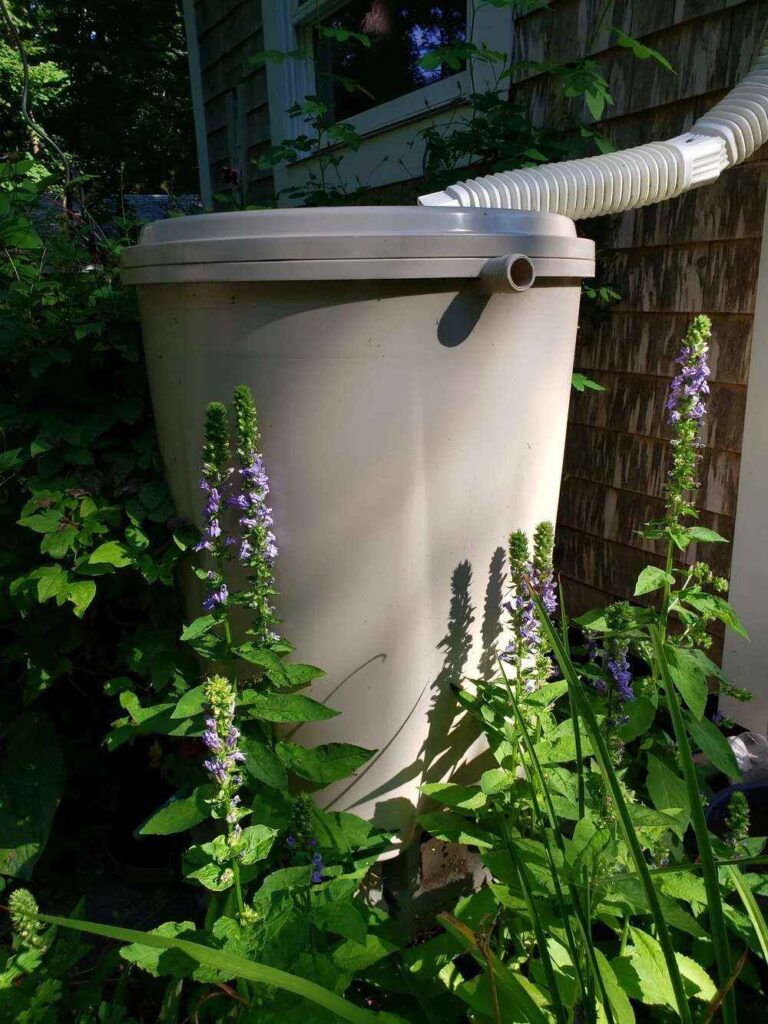
Rain barrels are simple, affordable tools for capturing roof runoff. A standard rain barrel collects hundreds of gallons of water that plants prefer over treated tap water. Position rain barrels under downspouts to collect free, chemical-free water for supplemental watering during dry periods.
Water Smart: Timing, Amount, and Plant Grouping
Watering at the right time dramatically increases efficiency. Water between 9 p.m. and 6 a.m. when temperatures are cool and evaporation is minimal, allowing more water to reach plant roots.
Group plants by water needs to avoid wasting water on drought-tolerant plants that don’t need frequent watering. Keep moisture-loving plants together, then water those zones more frequently, while watering drought-tolerant plants less often.
Prioritize young plants and seedlings—established plants will survive longer dry periods. Use a soil moisture meter to determine when watering is actually needed rather than watering on a fixed schedule.
Manage Pests Organically: Protect Plants Without Chemicals
Synthetic pesticides harm pollinators, contaminate water supplies, and disrupt the natural balance that keeps gardens healthy. Organic pest control methods protect your garden and the surrounding ecosystem while often being more effective in the long term.
Build Pest Resistance Through Soil Health and Plant Care
The foundation of organic pest control starts with building a healthy soil biome. When soil contains abundant microorganisms and organic matter, plants naturally produce stronger cell walls and pest resistance. Avoid relying on chemical fertilizers, which only feed plants temporarily rather than building a permanent, healthy soil ecosystem.
Proper plant care prevents pest problems before they start. Prune away visible pest damage, clear affected plant debris, and nourish plants with compost to keep them vigorous and naturally resistant.
Use Natural Pest Control Methods
When pests do appear, try these organic approaches before reaching for any spray:
Neem oil is a natural insecticide derived from the neem tree that disrupts insect hormonal systems, making it difficult for pests to feed and reproduce. Mix 1-2 tablespoons with one gallon of water and spray on affected plants, applying only during cool parts of the day to prevent leaf burn.
Spinosad is made from a soil bacterium that’s toxic to insects but safe for mammals. It’s highly effective and my top recommendation if buying only one organic pest control product.
Companion planting introduces natural pest deterrents. Plant marigolds, nasturtiums, petunias, and chrysanthemums—their scents repel damaging insects. Growing herbs like rosemary, sage, lavender, and basil alongside vegetables provides both pest control and culinary benefits.
Diatomaceous earth (DE) is a powder made from fossilized diatoms that damages insect exoskeletons. It’s affordable, especially when purchased at feed stores in bulk, and can be applied using pantyhose for easy, targeted application.
Invite Natural Predators
Beneficial insects naturally control pest populations. Ladybugs eat aphids, parasitic wasps control caterpillars, and ground beetles devour slugs and other pests. Attract these allies by planting native flowers, providing water sources, and avoiding any pesticides that would kill them.
Reduce Waste: Upcycle and Recycle Garden Materials
Creating an eco-friendly garden means reimagining waste as resources. Countless everyday items can be transformed into functional garden components, saving money and reducing landfill waste.
DIY Planters from Recycled Materials
Plastic bottles become lightweight hanging planters for herbs and succulents—simply cut, add drainage holes, and fill with potting soil. Paint them in bright colors to create a cheerful vertical living wall that saves space while looking beautiful.
Wooden pallets transform into rustic wall-mounted herb gardens or raised beds. Old tin cans painted in fun colors make charming upcycled planters perfect for small spaces and balconies. Even old shoes, buckets, and baskets can be repurposed into creative planters when drainage holes are added.
Vertical Gardens for Small Spaces
Vertical gardening using recycled materials is perfect for urban dwellers and small yards. Stack plastic bottles, PVC pipes, or tin cans vertically to grow trailing herbs, flowers, and succulents in minimal horizontal space.
These systems not only save space but also create eye-catching focal points in your garden. Vertical gardens using recycled materials typically last several years with proper care, making them a smart long-term investment.
Garden Decor from Upcycled Items
Transform old bowling balls into gazing balls with a fresh paint job, use old birdcages as decorative trellises for climbing vines, and convert fan blades into oversized yard art flowers. A brass chandelier from a thrift store becomes a magical solar chandelier for your backyard.
These upcycled decorations add personality and charm while reducing waste, embodying the spirit of sustainable gardening.
Create a Pollinator-Friendly Garden: Support Biodiversity
A true eco-friendly garden prioritizes biodiversity by supporting the insects, birds, and other creatures that make healthy ecosystems function. Pollinators are especially critical—without them, food production would collapse.
Plant for Every Season
Ensure continuous blooms throughout the growing season by planting spring, summer, and fall bloomers. This provides consistent food sources for pollinators and extends the visual interest of your garden. Include a mix of flower colors and shapes—some pollinators prefer tubular flowers while others favor open blooms.
Provide Water and Shelter
Beyond flowers, pollinators need water and shelter. Create shallow water sources like saucers or small ponds, and leave some areas of your garden a bit “wild” with undisturbed soil, leaf litter, and standing dead wood where solitary bees and other beneficial insects can nest and overwinter.
Frequently Asked Questions About Eco-Friendly Garden Ideas
Q: How long does it take to create an eco-friendly garden?
Q: Can I have an eco-friendly garden in a small space?
Q: Do eco-friendly gardens require more work?
Q: What’s the best time to start composting?
Q: How much money can I save with an eco-friendly garden?
Conclusion: Eco-Friendly Garden Ideas
Creating an eco-friendly garden is not about perfection—it’s about making thoughtful choices that benefit your plants, your wallet, and the planet. Start with one or two strategies from this guide, whether that’s beginning a compost pile, planting native species, or installing a rain barrel. As you see the results—healthier plants, lower bills, and thriving wildlife—you’ll naturally expand your sustainable practices.
The combination of healthy soil, native plants, water conservation, organic pest management, and pollinator support creates a garden that truly gives back. You’ll grow more nutritious food, enjoy lower maintenance, and know that your outdoor space is contributing positively to your local environment. An eco-friendly garden is an investment in a better future, and the time to start is now.

Asif Ali is a gardening blogger with over 2 years of experience writing about garden inspiration, eco-friendly gardening, and beautiful garden destinations. He focuses on practical, sustainable ideas that help beginners create inspiring gardens with ease.