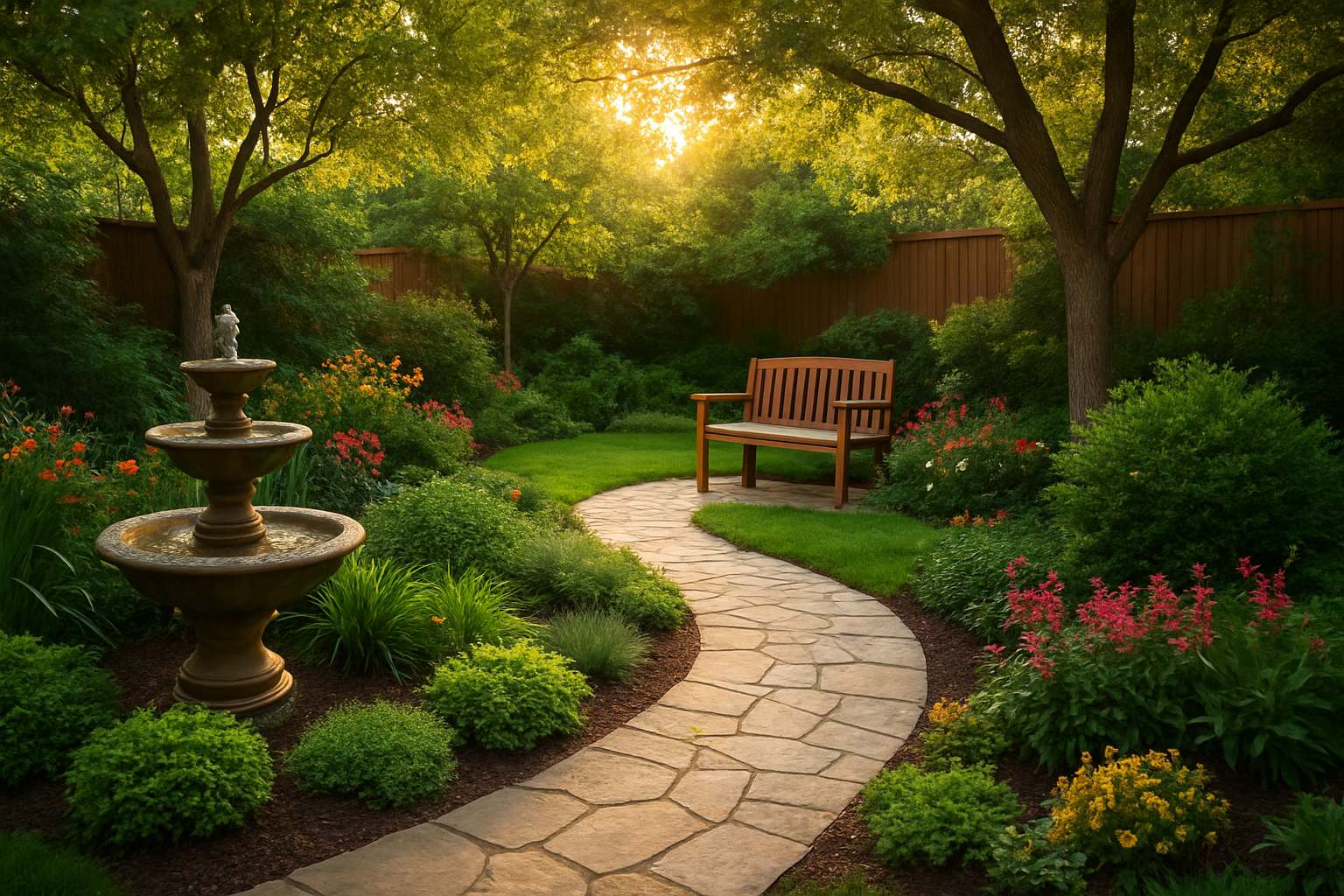
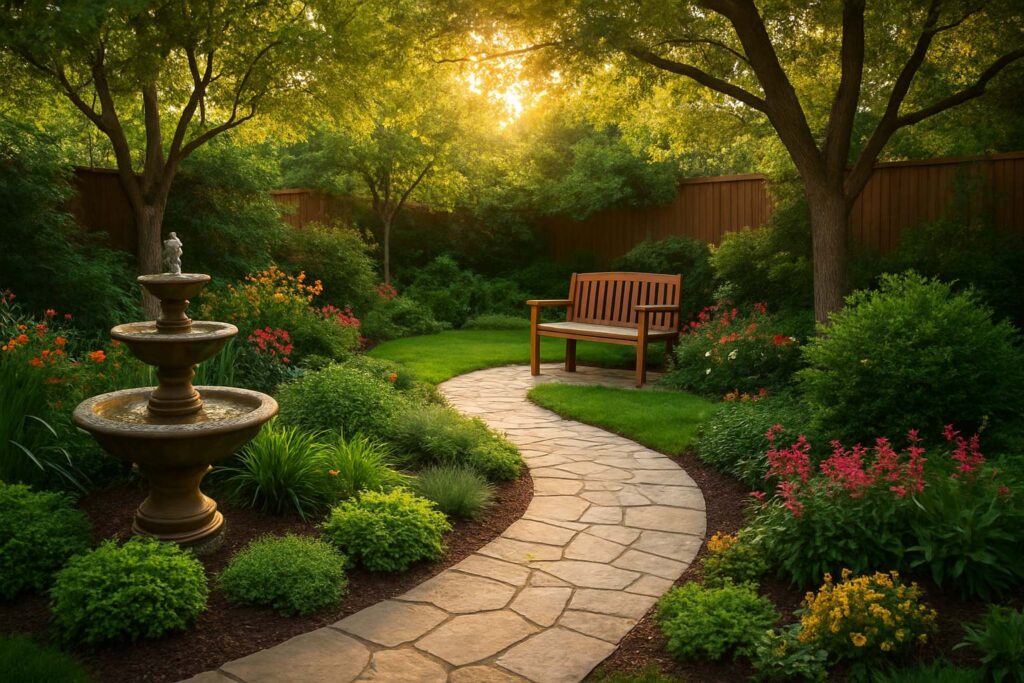
Creating a feng shui garden isn’t about complex rituals or buying expensive decorations. It’s about working with simple, natural principles to design an outdoor space that feels calm, balanced, and energizing. Whether you have a sprawling backyard or a small balcony, understanding feng shui principles helps you arrange plants, water features, and pathways in ways that actually improve how the space feels. This ancient Chinese practice focuses on the flow of chi—the life energy that moves through your garden—and when done right, a feng shui garden becomes your personal sanctuary. Let’s explore how you can transform your outdoor space into a harmonious retreat that brings peace and positive energy into your daily life.
How To Create A Feng Shui Garden : What You Really Need to Know
What Is Chi, and Why Does It Matter?
In feng shui, chi (also spelled “qi”) is the invisible life force that exists in every space. Think of it like wind flowing through your garden—it needs to move smoothly without getting stuck or rushing past too quickly. When chi flows freely and naturally, a space feels inviting and energizing. When it gets blocked or moves too rapidly, the space feels uncomfortable or chaotic.
The goal of feng shui garden design is to guide chi through your outdoor space at just the right pace. You want energy to linger long enough to bring abundance and healing, but not so slowly that it stagnates. This doesn’t require any mystical knowledge—it’s really just thoughtful design that creates a pleasant, flowing space.
Yin and Yang: Finding Balance
Feng shui operates on the principle of yin and yang—two opposing but complementary forces that need balance. Yang is active, bright, and energetic (like sunlight, tall plants, and hard surfaces), while yin is calm, quiet, and reflective (like shade, water, and soft textures).
In your garden, balance these opposites. If you have mostly open, sunny areas (yang), add shaded seating spots with plants (yin). If your garden feels too enclosed and dark, introduce more light and open spaces. Neither extreme creates a pleasant environment—the magic happens when you blend both energies together.
The Five Elements: The Foundation of Every Feng Shui Garden
The five elements—water, wood, fire, earth, and metal—are central to feng shui. Each represents different natural forces and qualities, and combining them in your garden creates harmony and balance.
Water: Flow and Abundance
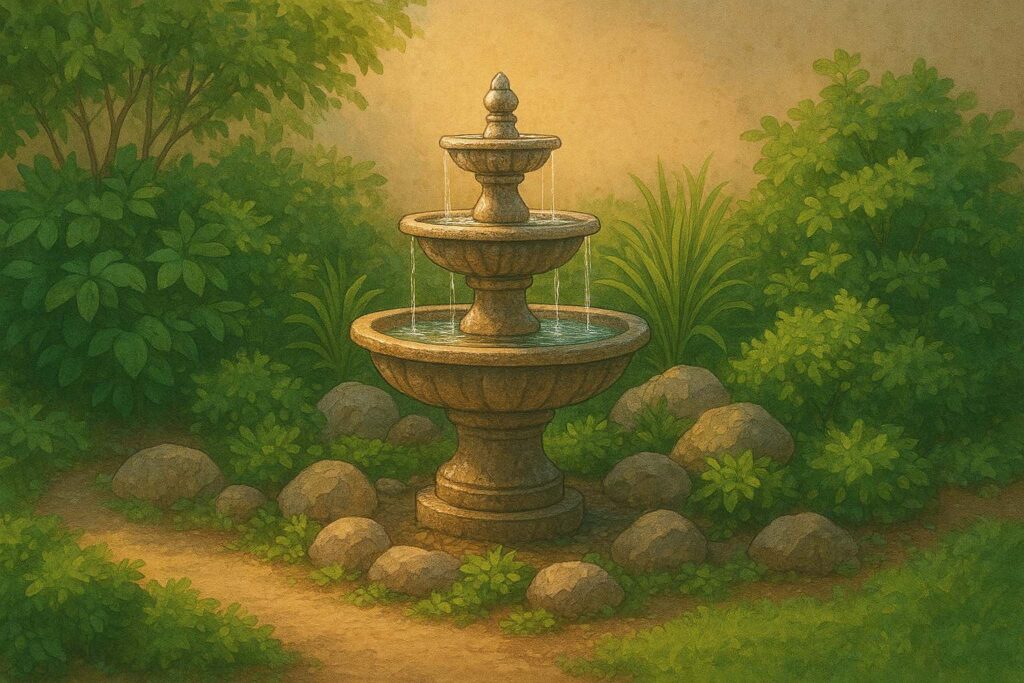
Water symbolizes wealth, prosperity, and abundance in feng shui. It also represents movement and communication. Adding a water feature—whether it’s a fountain, pond, or small birdbath—brings dynamic, flowing energy to your space.
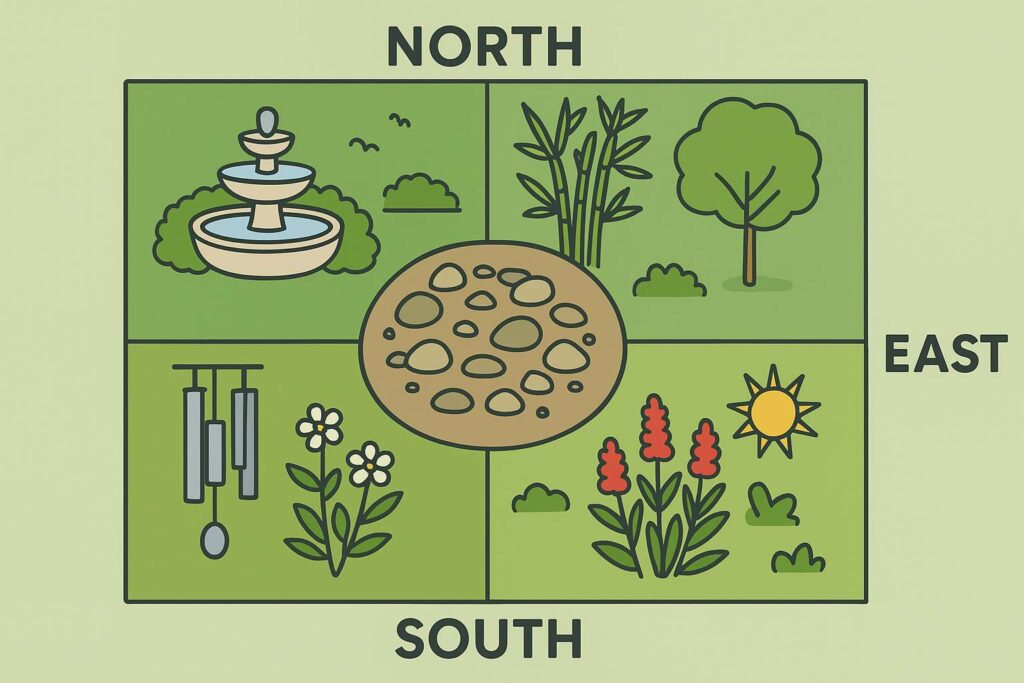
Placement tip: Place water features in the northern, eastern, or southeastern parts of your garden. Water flowing toward your home symbolizes wealth coming in, while water flowing away carries prosperity with it.
Wood: Growth and Renewal
All plants and trees represent the wood element, which symbolizes growth, vitality, and new beginnings. Wood energy moves upward, so tall plants, bamboo, and columnar shapes boost this element powerfully.
Placement tip: Position wood elements in the east and southeast areas of your garden for maximum benefit.
Fire: Energy and Recognition
Fire brings warmth, passion, and recognition to your garden. Sunlight naturally provides fire energy, but you can add more through bright colors—especially reds, oranges, and vibrant yellows—or by including triangular-shaped plants and features.
Placement tip: Add fire in the southern section of your garden through flowering plants and warm colors.
Earth: Stability and Grounding
The earth element grounds your space and creates stability. Rocks, boulders, clay pots, and other earthy materials represent this element. Earth colors include browns, beiges, and yellows.
Placement tip: Place earth elements in the center of your garden or in the southwest and northeast areas to promote stability and nourishment.
Metal: Clarity and Precision
Metal brings clarity, focus, and prosperity to your garden. Metal sculptures, garden gates, wind chimes, and metallic decorations represent this element. White and metallic colors strengthen metal energy.
Placement tip: Position metal elements in the west and northwest sections of your garden to encourage creativity and helpful people.
Practical Steps: How to Design Your Feng Shui Garden
Step 1: Declutter and Clear the Space
Before adding anything new, clear away dead leaves, fallen branches, decaying plants, and unnecessary items. Clutter disrupts chi flow and lowers the energy of your entire garden. Think of this as clearing pathways for energy to travel smoothly. Remove anything that doesn’t serve a purpose or make you feel good when you look at it.
Step 2: Design Curved Pathways, Not Straight Lines
One of the most practical feng shui principles is the use of curved paths instead of rigid straight ones. Straight pathways create a “siphoning” effect where chi moves too fast, like water rushing downhill. Curved, winding paths slow chi down and encourage it to linger and circulate throughout your space.
When designing pathways, use gentle curves and soft lines. If you already have straight paths, you can soften the effect by planting flowers and shrubs along the edges so they spill naturally onto the pathway.
Step 3: Use the Bagua Map for Strategic Placement
The Bagua is a grid that divides your garden into nine sections, each representing different life areas: wealth (southeast), fame and reputation (south), relationships (southwest), family (east), health (center), helpful people (northwest), career (north), knowledge (northeast), and children and creativity (west).
To use it, stand at the entrance of your garden and imagine dividing it into a 3×3 grid aligned with compass directions. Then place elements strategically to enhance the life areas that matter most to you. For example, a water feature in the southeast boosts prosperity, while plants in the east strengthen family relationships.
Step 4: Incorporate All Five Elements
Create a balanced garden by intentionally including water, wood, fire, earth, and metal. You don’t need elaborate installations—simple choices work perfectly:
- Water: Small fountain or birdbath
- Wood: Shrubs, trees, and plants with green foliage
- Fire: Red and orange flowers like bee balm or zinnia
- Earth: Rocks, boulders, clay pots, and gravel
- Metal: Wind chimes, metal sculptures, or copper accents
Balance is key—don’t let any one element overwhelm the others.
Step 5: Choose Plants Carefully
Select plants with soft, rounded leaves rather than sharp, spiky ones. Cacti and similar plants create what feng shui calls “poison arrows”—sharp angles that concentrate negative energy. Instead, choose plants like peonies, hydrangeas, orchids, and ferns that have gentle, flowing forms.
Keep your plants healthy and vibrant. A dying or struggling plant brings stagnant energy to your garden. Remove dead flowers regularly (a practice called “deadheading”) and replace unhealthy plants promptly.
Step 6: Add Color Strategically
Colors directly influence the energy of your garden. Green (wood) promotes growth and health, blue (water) encourages calm and reflection, red and orange (fire) increase passion and energy, yellow and brown (earth) create stability, and white and silver (metal) bring clarity.
Don’t use too much of any single color—balance is essential. A garden of all red flowers, for example, creates excessive fire energy that can feel chaotic rather than peaceful.
Common Mistakes to Avoid
Avoid spiky plants in high-traffic areas. Cacti, yucca, and other sharp-leaved plants create harsh energy, so keep them away from main seating and gathering areas.
Don’t block pathways with large objects. Furniture, statues, or dense plantings that obstruct movement disrupt chi flow.
Skip straight, narrow pathways. These encourage chi to move too quickly without pausing to distribute positive energy throughout your garden.
Don’t neglect maintenance. A messy, overgrown garden with debris and dead plants stagnates chi energy.
Avoid placing water features in the south. Water in the south (fire element) creates an energetic clash.
Feng Shui Gardens for Small Spaces
Living in an apartment or small house? You can absolutely create a feng shui garden on a balcony or patio. The principles remain the same, just in a smaller scale.
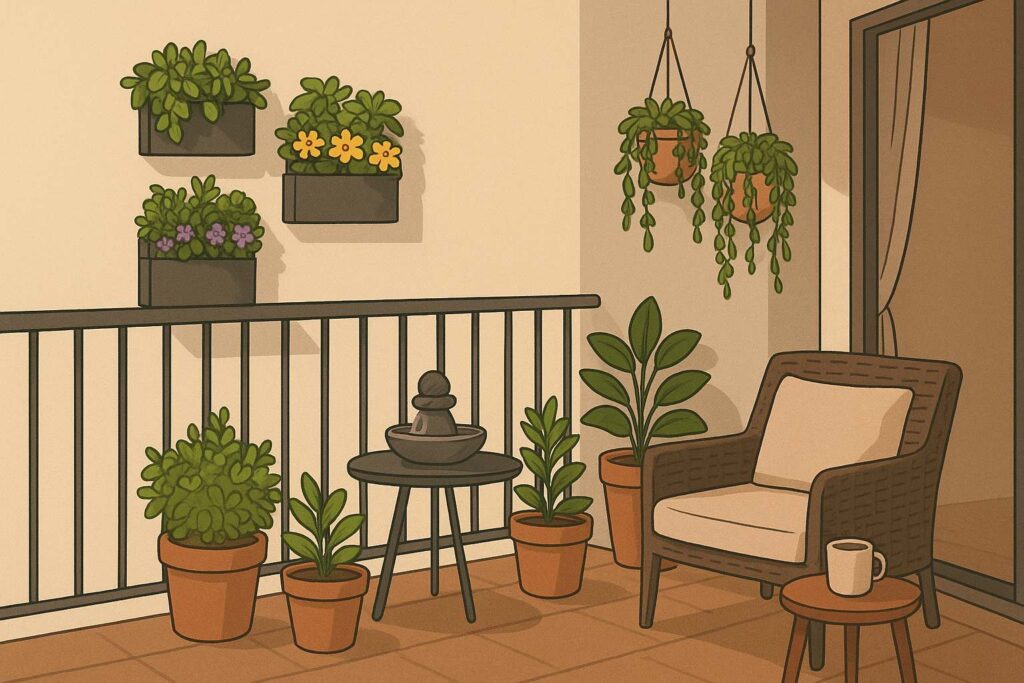
Vertical gardening maximizes space—use wall-mounted planters and hanging baskets to grow herbs and flowers upward. Add a small tabletop fountain for water energy, and arrange planters in groups of three or five (odd numbers create natural movement and balance).
Even a tiny balcony can feel like a peaceful retreat when designed with intention.
Hotel Bali Ubud Hanging Gardens: The Ultimate Guide to Bali’s Most Iconic Luxury Jungle Resort
Quick Wins: Easy Changes to Make Today
- Clean up debris and remove dead plants (this alone improves chi flow immediately)
- Add a small water feature like a birdbath or table fountain
- Plant one flowering plant in a color that inspires you
- Create a curved pathway by repositioning existing plants and pavers
- Hang a wind chime to activate metal energy and create pleasant sounds
- Add seating facing open, peaceful views to encourage relaxation
Frequently Asked Questions
Q: Do I need to follow feng shui perfectly?
Q: Can I combine feng shui with Western garden design?
Q: What if I don’t have much space?
Q: How often should I maintain my garden?
Q: Should I hire a feng shui expert?
A: You don’t need to. By learning these basic principles—curved pathways, the five elements, decluttering, and water placement—you can create a beautiful feng shui garden yourself.
Conclusion: Create Your Personal Sanctuary
How to create a feng shui garden isn’t about superstition or complex formulas—it’s about intentional design that creates a peaceful, balanced, and energizing outdoor space. By understanding how chi flows through your garden, balancing yin and yang, incorporating the five elements, and making thoughtful choices about pathways and plantings, you can transform any outdoor area into a personal sanctuary.
Start with simple changes: clear the clutter, add a curved path, include a water feature, and choose plants with soft leaves in colors that bring you joy. These basic steps align perfectly with feng shui principles and create an immediate shift in how your space feels.
Whether you’re looking for a calm retreat for meditation, a vibrant space for entertaining, or simply a beautiful outdoor area that feels “right,” feng shui offers practical wisdom that works. Your garden has the power to heal, inspire, and bring abundance into your life—all you need is a little intentionality and these time-tested principles to guide you.

Asif Ali is a gardening blogger with over 2 years of experience writing about garden inspiration, eco-friendly gardening, and beautiful garden destinations. He focuses on practical, sustainable ideas that help beginners create inspiring gardens with ease.