Traditional green grass lawns look nice, but they come at a cost—especially water. In many U.S. homes, lawns are the largest single use of outdoor water, often requiring daily irrigation during warm months. As summers grow hotter and droughts become more common, keeping a perfect lawn is getting harder and more expensive.
Rising water bills, local watering restrictions, and climate concerns are pushing homeowners to rethink their outdoor spaces. At the same time, there’s a growing interest in landscaping that looks good, supports nature, and uses far less water.
Eco-friendly lawn alternatives offer a smart solution. They save water, reduce maintenance, and create yards that work with nature instead of against it.
2. Why Choose Eco-Friendly Lawn Alternatives?
Switching away from traditional turf grass isn’t just about saving water—it’s about building a healthier, more practical yard.
Key benefits include:
- Major water savings: Many alternatives use little to no irrigation once established.
- Lower maintenance: Less mowing, fertilizing, and reseeding.
- Healthier soil: Natural ground covers improve soil structure and nutrients.
- Pollinator support: Flowers and native plants attract bees and butterflies.
- Perfect for drought-prone areas: Ideal for regions with water limits or dry summers.
Eco-friendly lawns also reduce chemical runoff, making them safer for kids, pets, and nearby waterways.
3. Native Ground Covers (Best Natural Option)
Native ground covers are plants that naturally grow in your region. Because they’re adapted to local conditions, they need far less water and care than imported grass.
Popular native options include:
- Clover: Stays green with minimal watering.
- Buffalo grass: A native prairie grass with deep roots.
- Creeping thyme: Low-growing with tiny flowers and a pleasant scent.
Compared to standard lawns, native ground covers:
- Use up to 50–70% less water
- Rarely need fertilizer
- Resist pests naturally
They also stay greener during dry periods, making them both practical and attractive.
4. Clover Lawns: The Smart Grass Replacement
Clover lawns are quickly becoming a favorite across the U.S., and for good reason.
Why clover is trending:
- Needs very little water
- Fixes nitrogen in the soil, improving fertility
- Stays green longer than grass
- Naturally crowds out weeds
Pros:
- No regular fertilizing
- Soft underfoot
- Supports bees and beneficial insects
Cons:
- Not ideal for heavy foot traffic
- Can go dormant in extreme heat
For many homeowners, clover offers the perfect balance between a traditional lawn look and sustainable living.
5. Xeriscaping: Landscaping Without Thirsty Grass
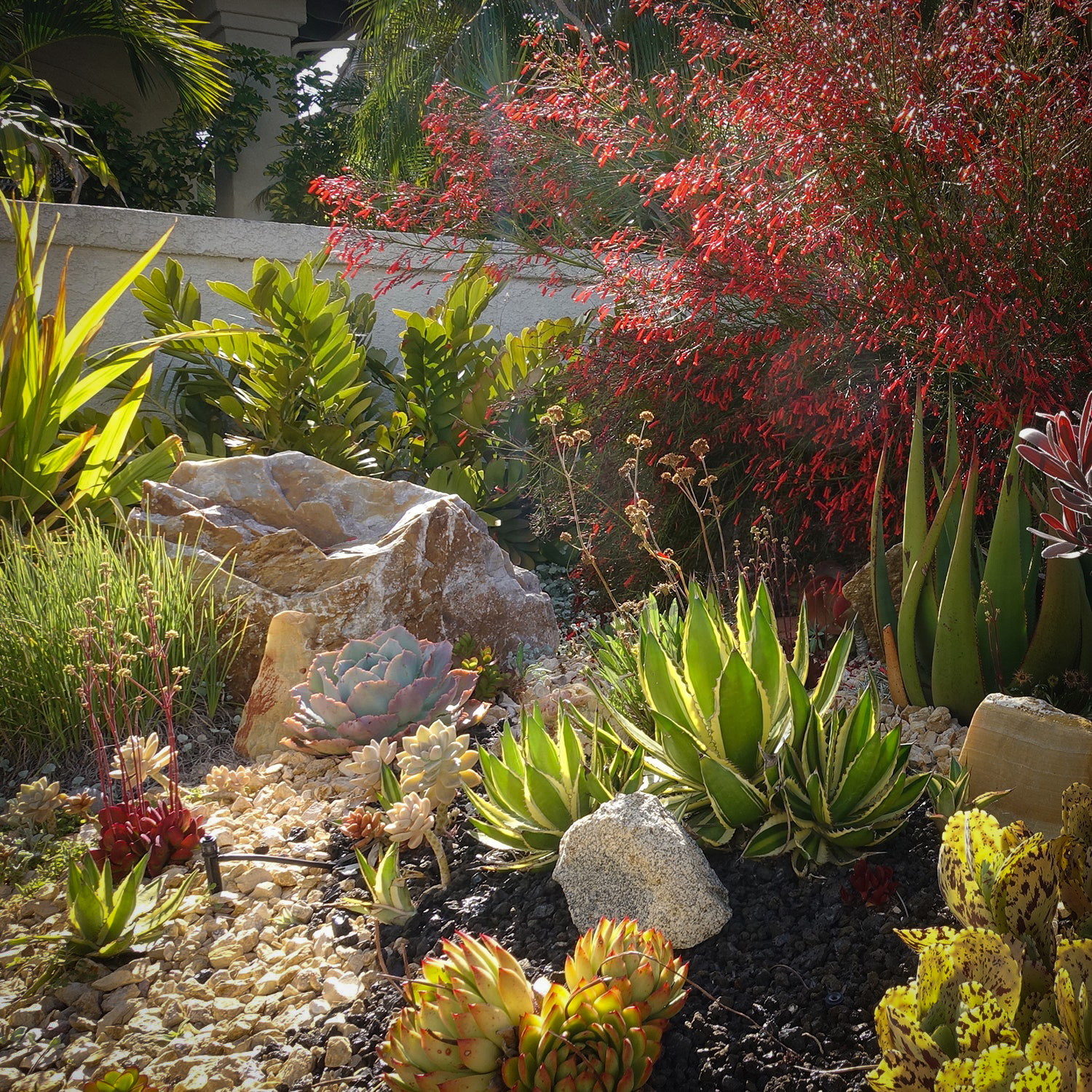
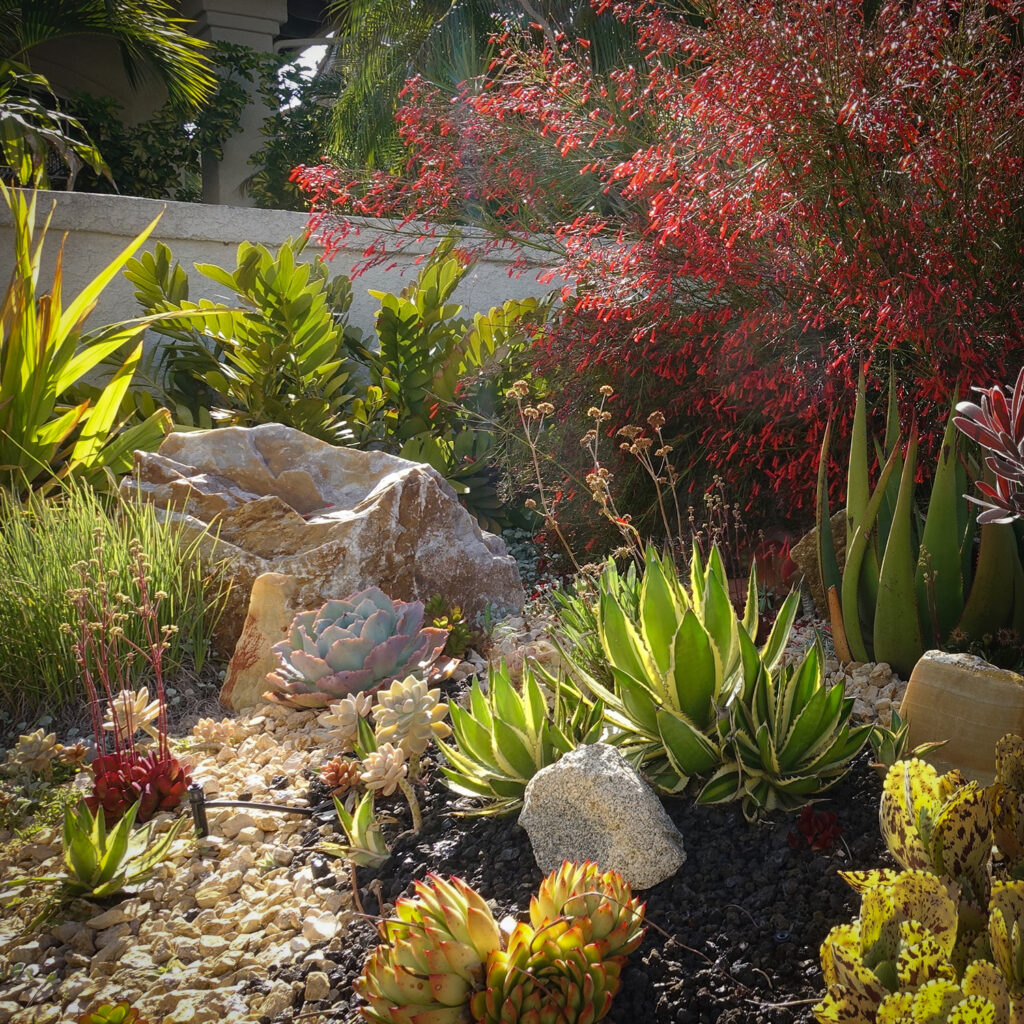
Xeriscaping is a landscaping method designed to minimize water use. It replaces lawns with drought-tolerant plants, rocks, and decorative features.
Common xeriscaping elements:
- Gravel or stone pathways
- Succulents and hardy shrubs
- Mulch-covered planting beds
- Native desert or prairie plants
Best for:
Hot, dry climates like the Southwest, but adaptable anywhere with thoughtful design.
Design tips:
- Group plants with similar water needs
- Use drip irrigation for efficiency
- Mix textures for visual interest
Xeriscaping can cut outdoor water use by up to 75% when done correctly.
6. Artificial Turf: Water-Free but Eco-Friendly?
Artificial turf requires zero watering, which makes it attractive in areas with strict water rules. Modern versions look far more realistic than older styles.
Water savings:
- No irrigation
- No mowing or fertilizers
Environmental concerns:
- Made from synthetic materials
- Can retain heat in summer
- Requires proper drainage installation
When it makes sense:
- Small yards or play areas
- Rooftops and patios
- Areas where plants won’t grow well
Artificial turf works best when used selectively rather than across large landscapes.
7. Mulch & Wood Chips for Open Areas
Mulch and wood chips are simple, natural ways to replace unused lawn space.
Benefits include:
- Excellent moisture retention
- Weed suppression
- Improved soil health over time
Best areas to use mulch:
- Around trees and shrubs
- Side yards
- Garden borders and pathways
Organic mulch slowly breaks down, enriching the soil while keeping roots cool and moist with minimal watering.
8. Moss Lawns: Soft, Green & Low-Water
Moss lawns offer a lush, green look without the need for mowing or frequent watering.
Where moss works best:
- Shady yards
- Cooler or humid climates
- Areas with acidic soil
Care tips:
- Avoid foot traffic
- Keep debris cleared
- Light misting during dry spells
Moss lawns are quiet, calming, and perfect for shaded spaces where grass struggles.
9. Wildflower Meadows: Beauty With Benefits
Wildflower meadows turn lawns into colorful, living ecosystems.
Why they’re great:
- Support bees, butterflies, and birds
- Require minimal watering after establishment
- Change beautifully with the seasons
Best practices:
- Choose native wildflower seeds
- Prepare soil properly before planting
- Allow natural growth cycles
A meadow doesn’t need mowing every week—just occasional trimming once or twice a year.
10. Cost Comparison: Grass vs Lawn Alternatives
Installation costs:
- Traditional lawn: Lower upfront, higher long-term
- Native plants or clover: Moderate upfront
- Xeriscaping or turf: Higher initial cost
Long-term savings:
- Reduced water bills
- Less equipment and maintenance
- Fewer replacements and repairs
Over time, eco-friendly lawns often deliver a strong return by cutting monthly expenses and increasing curb appeal.
11. Best Lawn Alternatives for Different Climates
Dry & hot regions:
- Xeriscaping
- Native grasses
- Gravel and mulch
Moderate climates:
- Clover lawns
- Wildflower mixes
- Low-growing ground covers
Shady yards:
- Moss lawns
- Mulch with shade plants
- Native woodland covers
Matching your lawn alternative to your climate ensures success with minimal effort.
Will Ted Return to Richmond in Season 4? Fan Theories Explained
12. Frequently Asked Questions (FAQs)
Which lawn alternative saves the most water?
Xeriscaping and artificial turf use the least water overall, followed closely by native ground covers.
Are eco-friendly lawns HOA-approved?
Many HOAs now allow them, especially drought-tolerant options. Always check local guidelines first.
Do these alternatives increase property value?
Well-designed, low-maintenance landscapes can improve curb appeal and attract eco-conscious buyers.
13. Final Thoughts
You don’t need a thirsty green lawn to enjoy a beautiful yard. Small changes—like replacing part of your grass with clover, mulch, or native plants—can lead to big water savings over time.
Eco-friendly lawn alternatives are practical, attractive, and better for the planet. Whether you live in a dry desert region or a shady suburban neighborhood, there’s a sustainable option that fits your space.
Choosing a water-wise lawn is a simple step toward a greener future—one yard at a time.
You have not enough Humanizer words left. Upgrade your Surfer plan.

Asif Ali is a gardening blogger with over 2 years of experience writing about garden inspiration, eco-friendly gardening, and beautiful garden destinations. He focuses on practical, sustainable ideas that help beginners create inspiring gardens with ease.