Picture this: lush greenery swaying in the breeze, vibrant flowers blooming under the morning sun, and vegetables thriving in rich soil. It’s nature that feels straight out of a dream. But here’s the reality many gardeners face—those dreamy landscapes come with skyrocketing water bills that can drain your wallet faster than a leaky hose.
If you’ve noticed your monthly water costs creeping upward every summer, you’re not alone. Traditional gardening methods can waste hundreds of gallons weekly through evaporation, runoff, and plain overwatering. The good news? You don’t have to choose between a beautiful garden and an affordable water bill. Eco-friendly gardening isn’t just about saving the planet—it’s about working smarter with nature’s own systems to keep more money in your pocket.
In this guide, you’ll discover 25 practical hacks that real gardeners use to slash their water consumption by up to 50%. From simple tricks you can start today to weekend projects that pay for themselves in months, these strategies prove that sustainable gardening and budget-friendly living go hand in hand. Whether you’re tending a small balcony garden or managing acres of landscape, these tips will transform how you think about watering.
🌱 Section 1: Smart Watering Techniques
Water Plants Early Morning or Late Evening
Timing is everything when it comes to efficient watering. When you water during the heat of midday, up to 30% of that precious water evaporates before plants can absorb it. Early morning watering, ideally between 5-9 AM, allows moisture to soak deep into the soil while temperatures are cool. Evening watering works too, though morning is preferred since it gives foliage time to dry, reducing fungal diseases.
Use Drip Irrigation Instead of Sprinklers
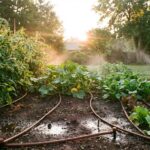
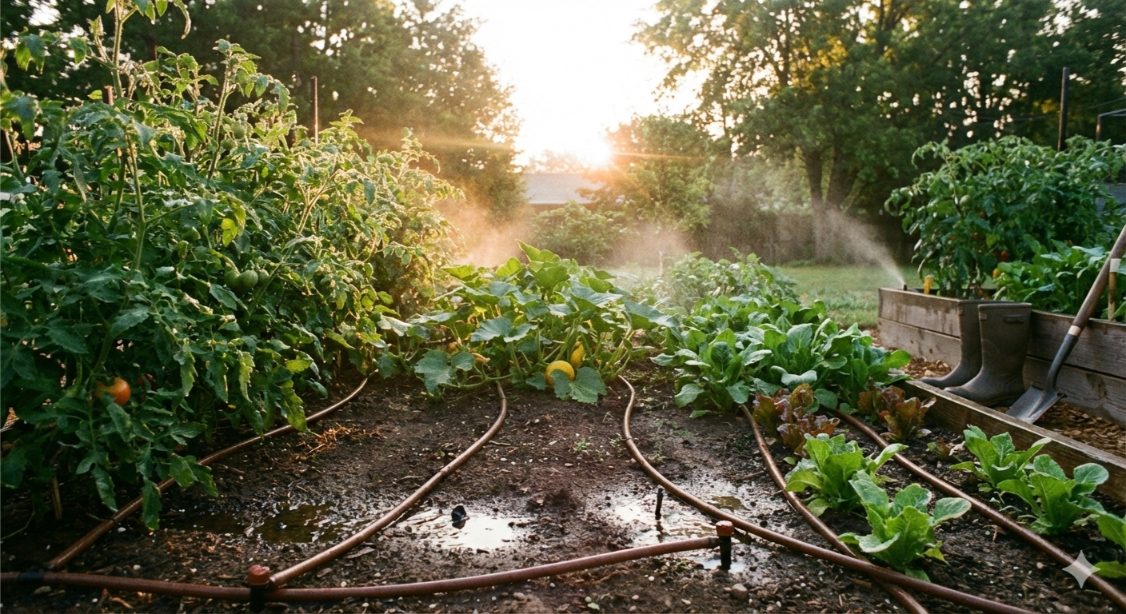
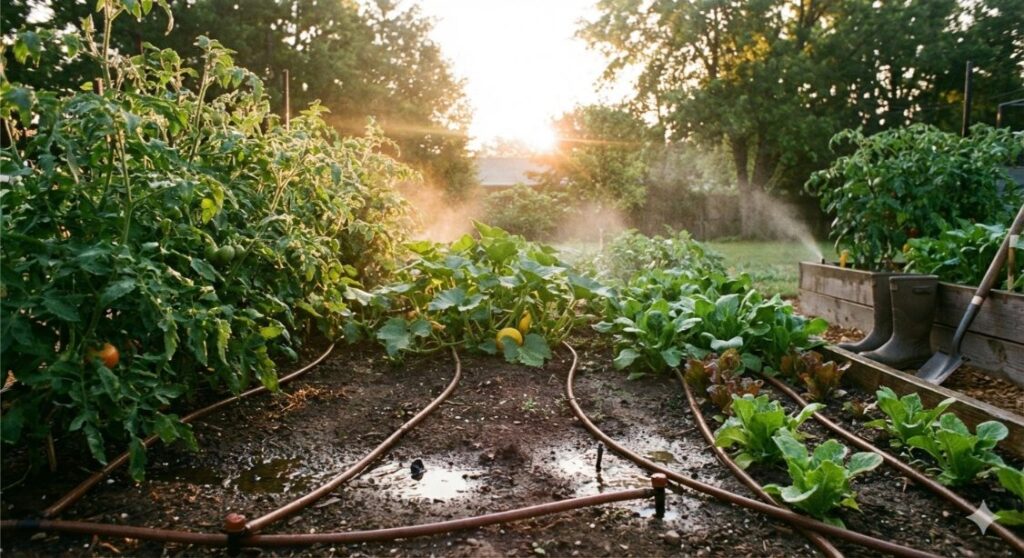
Traditional sprinklers spray water everywhere—sidewalks, driveways, and plant leaves that don’t need it. Drip irrigation delivers water directly to plant roots through a network of tubes with tiny emitters. This targeted approach uses 30-50% less water than overhead sprinklers and keeps foliage dry, which means fewer plant diseases. Basic drip kits are surprisingly affordable and easy to install yourself on a Saturday afternoon.
Install a Simple Rain Sensor on Hoses
Ever had your sprinkler system turn on during a rainstorm? Rain sensors are inexpensive devices that automatically shut off irrigation when moisture is detected. For less than the cost of a nice dinner, you’ll never waste water (or money) watering an already-wet garden again.
Deep Watering vs Frequent Shallow Watering
Most plants thrive on deep, infrequent watering rather than daily spritzes. When you water deeply—allowing moisture to penetrate 6-8 inches into soil—roots grow downward seeking water, creating stronger, more drought-resistant plants. Shallow daily watering keeps roots near the surface where they’re vulnerable to heat and require constant moisture. Water thoroughly twice a week instead of lightly every day.
Group Plants by Water Needs (Hydrozoning)
Not all plants are equally thirsty. Hydrozoning means arranging your garden so water-loving plants like tomatoes and hydrangeas are grouped together, while drought-tolerant varieties like lavender and succulents occupy separate zones. This way, you’re not overwatering drought-lovers or underwatering moisture-needers. It’s like seating guests at a dinner party—everyone gets what they need without waste.
🌾 Section 2: Soil Hacks That Lock in Moisture
Add Organic Mulch to Reduce Evaporation
A 2-3 inch layer of organic mulch—wood chips, shredded leaves, or straw—acts like a blanket over soil, reducing evaporation by up to 70%. Mulch also moderates soil temperature, suppresses weeds that compete for water, and gradually breaks down to enrich your soil. It’s possibly the single most effective water-saving hack you can implement today.
Use Compost to Improve Water Retention
Healthy soil rich in organic matter acts like a sponge, holding moisture far longer than depleted dirt. Working compost into your garden beds increases water retention capacity dramatically. Each 1% increase in soil organic matter helps soil hold an additional 20,000 gallons of water per acre. Even small gardens benefit enormously from this natural amendment.
Try Coco Peat or Leaf Mold in Soil
Coco peat (coconut coir) is an amazing soil amendment that can hold up to 10 times its weight in water. Mix it into potting soil or garden beds to create moisture reservoirs that slowly release water to roots. Leaf mold—fully decomposed leaves—works similarly and costs nothing if you compost your own autumn leaves.
Avoid Compacted Soil for Better Absorption
When soil becomes compacted from foot traffic or heavy rain, water runs off instead of soaking in. Regularly aerating your soil with a garden fork allows water to penetrate deeper. In high-traffic areas, consider installing stepping stones or pathways to prevent compaction in planting zones.
Cover Bare Soil Areas
Exposed soil loses moisture rapidly through evaporation and erosion. Cover bare patches with mulch, ground covers, or even temporary cardboard while you plan your next planting. Every square foot of exposed soil is wasting water and money.
🌧️ Section 3: Free & Recycled Water Ideas
Collect Rainwater Using Barrels
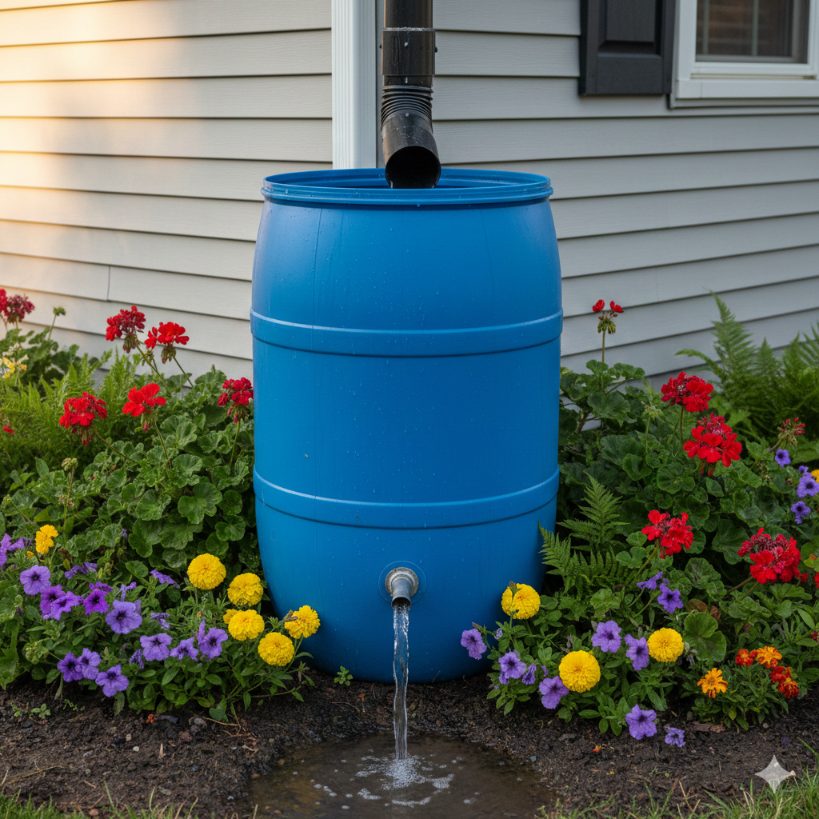
A rain barrel positioned under your downspout captures free water falling from the sky. A single inch of rain on a 1,000-square-foot roof yields about 600 gallons. That’s enough to water a sizable garden for weeks. Rain barrels come in various sizes, or you can DIY one from a food-grade barrel with a spigot at the bottom.
Reuse Leftover Drinking Water for Plants
That half-full glass sitting on your nightstand? The pasta cooking water after it cools? The water you run waiting for it to heat up in the shower? All perfectly good for plants. Keep a pitcher in the kitchen to collect these odds and ends—you’ll be amazed how quickly it adds up.
Harvest AC or RO Waste Water Safely
Air conditioners and reverse osmosis water filters produce condensate that’s essentially distilled water. Collect this in a bucket and use it for watering. A typical AC unit can produce several gallons daily during summer—that’s free irrigation water going down the drain.
Redirect Kitchen Rinse Water (Eco-Safe Only)
Water from rinsing vegetables, washing dishes (before soap), or steaming food can irrigate gardens. Just ensure no harsh chemicals, grease, or food particles are present. A simple dish basin in your sink makes collection effortless. Use this “greywater” on ornamental plants rather than edibles to be extra safe.
Store Rainwater Properly to Prevent Algae
Keep collected water covered to prevent mosquito breeding and algae growth. Add a small amount of vinegar (1 tablespoon per gallon) or use dark-colored barrels to discourage algae. Use stored water within a week or two for best results.
🌼 Section 4: Plant Choices That Save Water
Grow Native and Drought-Tolerant Plants
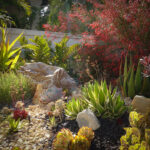
Native plants evolved to thrive in your local climate and rainfall patterns, requiring far less supplemental watering than exotics. A prairie garden in Kansas or a desert landscape in Arizona works with nature rather than against it. Research plants native to your region—they’re not only water-wise but also support local pollinators and wildlife.
Replace Lawns with Ground Covers
Traditional turf grass is the thirstiest element in most landscapes, requiring an inch of water weekly. Consider replacing high-maintenance lawn areas with drought-tolerant ground covers like creeping thyme, clover, or native grasses. These alternatives require a fraction of the water while providing visual interest and often fragrance.
Choose Perennials Over Thirsty Annuals
While annuals provide instant color, they’re shallow-rooted water guzzlers that need constant moisture. Perennials develop extensive root systems that access deeper soil moisture, requiring less frequent watering once established. They also come back year after year, saving money on replacements.
Plant Shade Trees to Reduce Evaporation
Strategic tree placement doesn’t just cool your home—it shades garden beds, reducing soil evaporation by up to 50%. The cooler microclimate beneath trees means plants need less water overall. Choose species appropriate for your space and climate.
Use Windbreak Plants to Protect Soil
Wind accelerates evaporation and dries out soil quickly. Planting hedges or rows of shrubs as windbreaks creates calmer microclimates in your garden. The protected areas behind windbreaks can require 25% less watering than exposed locations.
🛠️ Section 5: Budget-Friendly Garden Upgrades
Fix Leaky Hoses and Taps Immediately
A small hose leak can waste 6,000 gallons annually—enough to fill a swimming pool. Check connections regularly and replace worn washers or damaged hoses. It’s a 5-minute fix that saves hundreds of gallons and dollars.
Use Clay Pots (Ollas) for Slow Watering
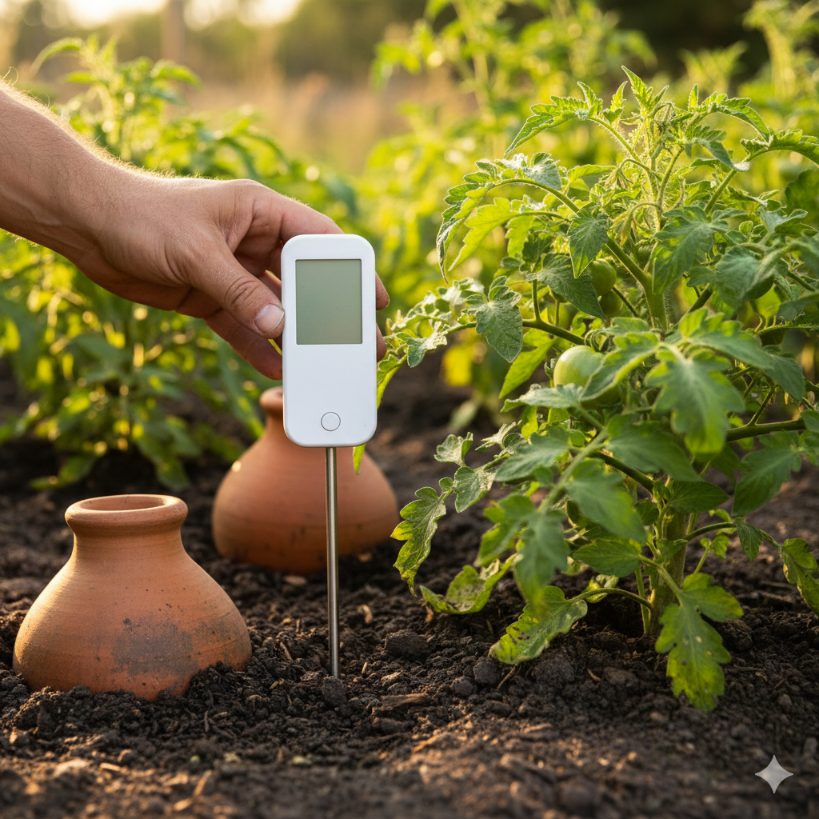
Ollas are unglazed clay pots buried next to plants with just the neck exposed. Fill them with water, and it slowly seeps through the porous clay directly to plant roots with zero evaporation loss. You can make DIY versions from terracotta pots for a few dollars each.
Upgrade to Water-Efficient Spray Nozzles
Not all hose nozzles are created equal. Quality nozzles with shut-off valves and adjustable spray patterns ensure water goes only where needed. Look for models with misting options for seedlings and jet settings for deep watering.
Install Moisture Meters to Avoid Overwatering
Guessing when to water leads to waste. Simple soil moisture meters (under $15) tell you exactly when plants need watering. Stick one in each garden zone and water only when readings indicate dry soil. This single tool can cut watering frequency by 30-40%.
Track Water Usage Weekly for Better Control
What gets measured gets managed. Note your water meter reading before and after garden watering sessions, or monitor your monthly bill. Seeing actual numbers makes waste visible and helps you celebrate improvements as you implement these hacks.
Conclusion
Cutting your water bills in half isn’t about complicated systems or expensive technology—it’s about combining several smart strategies that work with nature’s rhythms. Start by implementing just three to five of these hacks this season. Maybe you’ll add mulch this weekend, install a rain barrel next month, and switch to morning watering right away. Each small change compounds, creating a cascade of savings.
The environmental benefits extend far beyond your wallet. By conserving water, you’re preserving this precious resource for your community, reducing the energy needed to pump and treat water, and creating healthier ecosystems in your own backyard. Your garden becomes a living example of sustainability that neighbors notice and often emulate.
The most rewarding part? Gardens grown using these eco-friendly methods often outperform water-wasting counterparts. Plants develop stronger roots, soil becomes richer and more alive, and you’ll spend less time standing around with a hose. Your dream garden—lush, vibrant, and thriving—is absolutely achievable without the nightmare water bills. Nature designed these systems to work efficiently, and by tapping into them, you’re simply becoming a smarter gardener.
Frequently Asked Questions (FAQs)
Can eco-friendly gardening really cut water bills by 50%?
Yes, many gardeners achieve 50% or greater reductions by combining multiple strategies. The exact savings depend on your starting point—if you currently use sprinklers in midday sun with no mulch, the improvements will be dramatic. Even implementing five to seven of these hacks typically results in 30-40% savings within the first season.
Which garden hack saves the most water?
Mulching provides the biggest immediate impact for most gardeners, reducing evaporation by up to 70%. However, combining mulch with drip irrigation and proper watering schedules creates the most significant overall reduction. The “best” hack depends on your biggest current waste source.
Are rain barrels legal in all U.S. states?
Most states now permit residential rainwater harvesting, though some western states have specific regulations due to water rights laws. Colorado recently lifted many restrictions, and states like Texas actually encourage the practice with rebates. Check your local regulations, but the trend nationwide is toward allowing and incentivizing rainwater collection.
How long does it take to see lower water bills?
You’ll notice changes in your very next billing cycle after implementing these strategies. The most dramatic savings appear in summer months when watering demands peak. Most gardeners report 20-30% reductions immediately, with savings increasing as plants establish deeper roots and soil health improves over the first year.
What is the best season to start these eco-friendly practices?
Spring is ideal because you can establish new watering routines and soil improvements before summer heat arrives. However, fall is excellent for adding mulch, planting natives, and installing infrastructure like rain barrels. Truthfully, any season works—start wherever you are and build from there. Even winter prep like fixing leaks and planning hydrozones sets you up for success.
Are these methods effective in all climate zones?
Absolutely, though the specific hacks you prioritize may vary. Desert gardeners might emphasize drought-tolerant natives and deep mulching, while humid-climate gardeners focus on rain harvesting and proper drainage. The underlying principles of reducing waste and working with natural water cycles apply universally.
How much does it cost to implement these hacks?
Many hacks like timing your watering, fixing leaks, and reusing household water cost nothing. Basic rain barrels start around $50-100, mulch is often free from tree services or municipal yard waste programs, and simple drip irrigation kits run $30-80. You can start with zero-cost strategies and add infrastructure gradually as savings accumulate.
Do eco-friendly gardens require more maintenance?
Actually, they typically require less once established. Mulched beds suppress weeds, drip irrigation eliminates dragging hoses around, and drought-tolerant plants don’t need constant attention. The initial setup requires effort, but the ongoing maintenance is generally lighter than traditional high-input gardening.
Can I use these techniques with container gardens?
Definitely. Containers benefit enormously from moisture-retaining soil amendments, ollas, and proper watering schedules. Self-watering containers work on similar principles to these hacks. The smaller soil volume in pots makes moisture management even more critical, so these strategies are particularly valuable.
Will my plants suffer during the transition to less water?
When done properly, plants actually become healthier and more resilient. The key is transitioning gradually—don’t suddenly stop watering. Implement deep watering schedules while plants adjust and develop deeper roots. Most established plants adapt within 2-4 weeks and emerge stronger. New plantings need consistent moisture initially, then can transition to these water-wise methods after establishment.

Asif Ali is a gardening blogger with over 2 years of experience writing about garden inspiration, eco-friendly gardening, and beautiful garden destinations. He focuses on practical, sustainable ideas that help beginners create inspiring gardens with ease.