Native plants for eco gardening USA: Nature that feels straight out of a dream often begins right outside your door. An eco garden filled with native American plants brings landscapes back to life while staying beautifully simple and sustainable.
Across the U.S., more gardeners are choosing native plants to create spaces that look natural, save water, and support wildlife. You don’t need a large yard or expert skills—just thoughtful choices and patience.
This guide will walk you step by step through creating an eco garden using native plants for eco gardening USA, designed for beginners, travelers, and nature lovers alike.
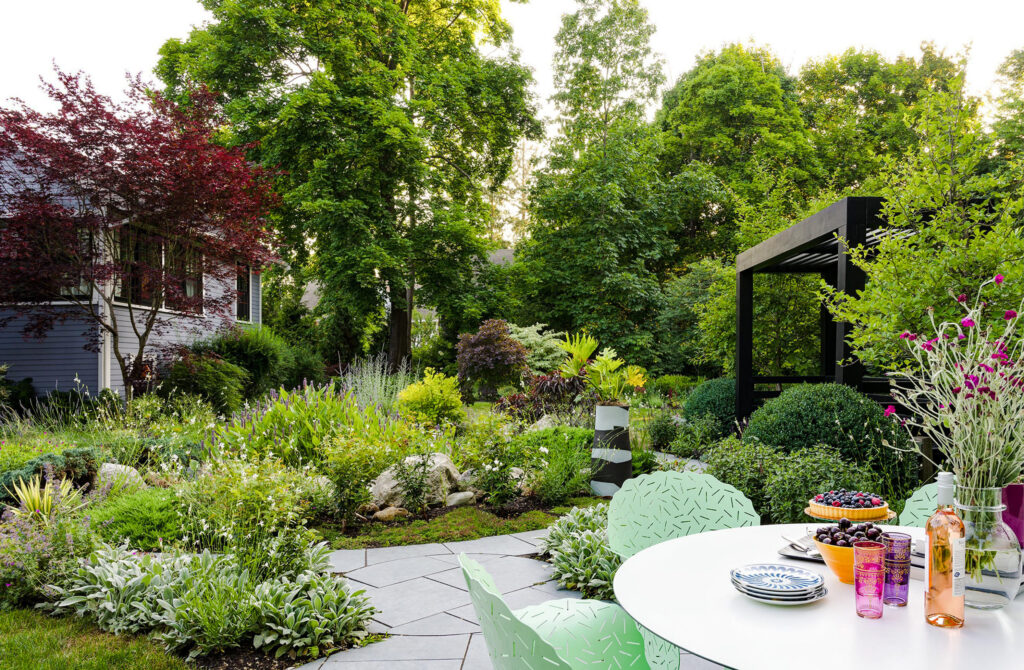
What Is an Eco Garden?
An eco garden is a landscape designed to work with nature instead of against it. It relies on plants adapted to the local climate and soil, minimizing water use, chemicals, and maintenance.
Instead of manicured lawns and exotic plants, eco gardens focus on balance, biodiversity, and long-term sustainability.
Importance of Native American Plants in Sustainable Gardening
Native American plants evolved over thousands of years in specific regions of the U.S. They naturally fit local rainfall patterns, temperatures, and soil conditions.
Environmental Benefits
- Water conservation: Native plants need less irrigation
- Biodiversity: They support local insects, birds, and animals
- Soil health: Deep roots improve structure and prevent erosion
Using native plants for eco gardening in the USA helps restore ecosystems one garden at a time.
Understanding Native American Plants
What Qualifies as a Native Plant in the U.S.?
A plant is considered native if it naturally occurred in a region before European settlement.
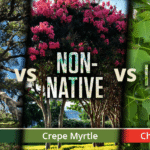
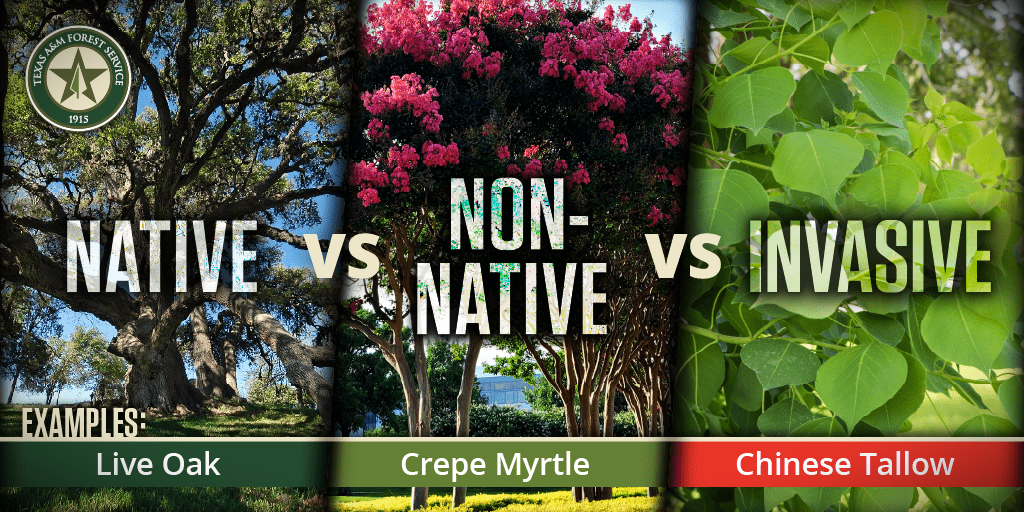
Native vs Non-Native vs Invasive
- Native: Belongs naturally in the ecosystem
- Non-native: Introduced from another region
- Invasive: Spreads aggressively and harms ecosystems
Why Native Plants Thrive Locally
They are adapted to local weather extremes, pests, and soil, making them more resilient and reliable.
Benefits of Using Only Native Plants in an Eco Garden
Choosing only native plants simplifies gardening and boosts environmental impact.
- Low water and maintenance needs
- Natural pest resistance
- Support for bees, butterflies, and birds
- Reduced need for fertilizers and pesticides
Native gardens look wild, colorful, and alive—without constant work.
Step 1: Analyze Your Garden Site
Soil Type
Determine if your soil is clay, loam, or sandy. Most native plants tolerate imperfect soils.
Sunlight
Track how much sun your space receives:
- Full sun (6+ hours)
- Partial shade
- Full shade
Drainage & Moisture
Check how quickly water drains after rain.
USDA Hardiness Zones
Knowing your zone helps you choose plants that survive winter temperatures.
Step 2: Choose the Right Native Plants
By Region
- East: Coneflowers, milkweed, oak trees
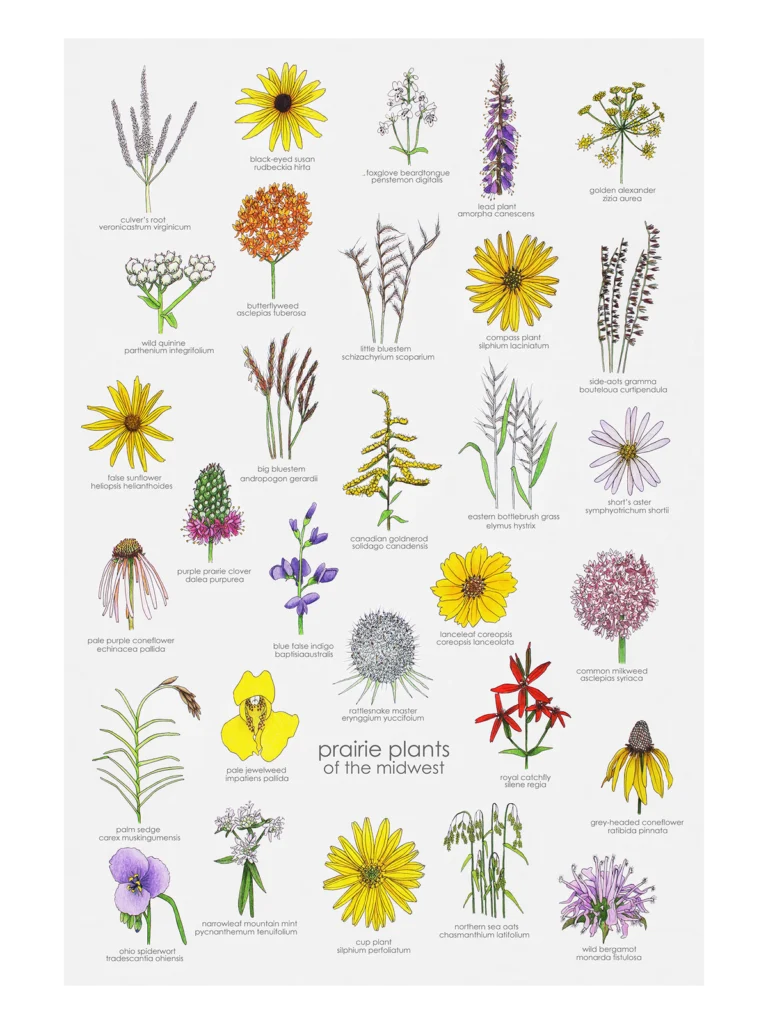
- Midwest: Prairie grasses, black-eyed Susan
- South: Beautyberry, native magnolias
- West: California poppy, manzanita
Plant Types
- Flowers for color
- Grasses for movement
- Shrubs for shelter
- Trees for long-term structure
Small & Urban Gardens
Look for compact natives and container-friendly species.
Step 3: Plan Your Eco Garden Layout
Eco gardens mimic nature rather than formal designs.
Use Layers
- Trees
- Shrubs
- Perennials
- Groundcovers
Wildlife Zones
Group plants to create food and shelter.
Natural Patterns
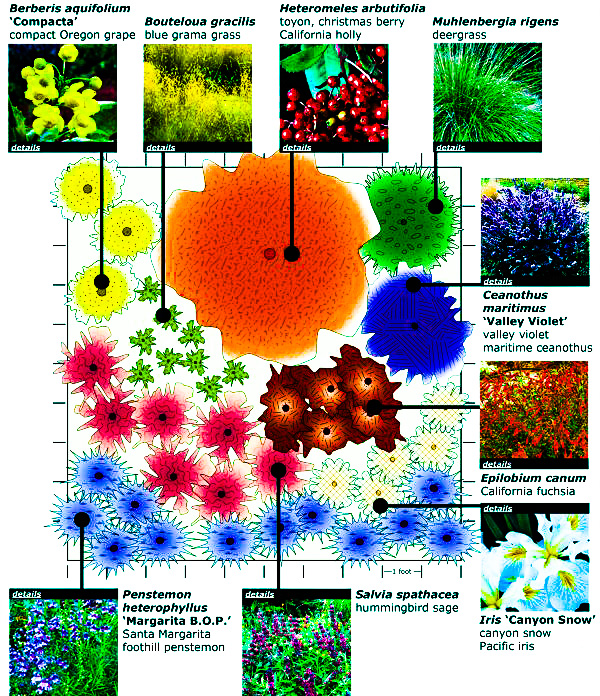
Curved paths and mixed plantings look more organic.
Step 4: Prepare the Soil Naturally
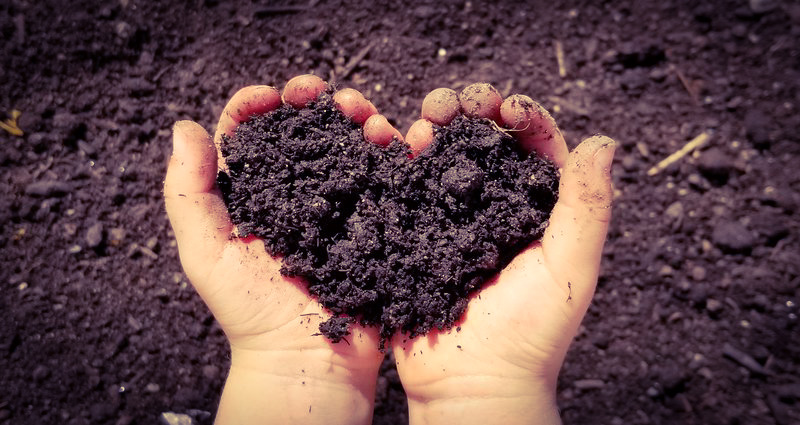
Healthy soil means healthy plants.
- Add compost and leaf litter
- Avoid synthetic fertilizers
- Mulch with wood chips or leaves
- Minimize digging to protect soil microbes
Step 5: Planting Native American Plants
Best Time to Plant
- Spring: Good for quick establishment
- Fall: Ideal for root development
Planting Tips
- Dig holes twice as wide as roots
- Plant at natural depth
- Group plants for visual impact
Watering
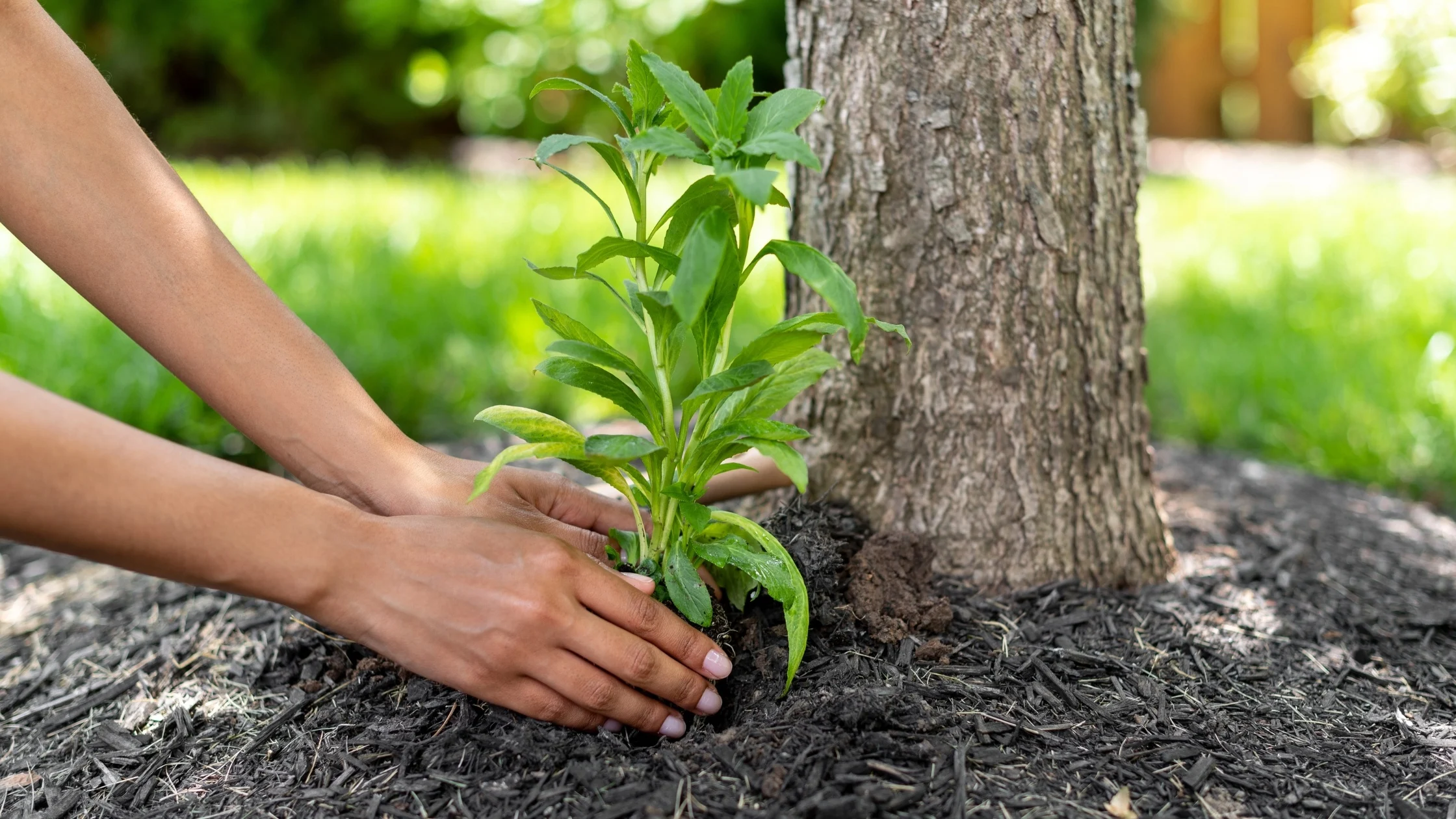
Water regularly during the first growing season only.
Step 6: Eco-Friendly Garden Maintenance
Once established, native gardens need little care.
- Water only during droughts
- Pull weeds by hand
- Prune lightly and seasonally
- Allow self-seeding
Nature handles most of the work.
Step 7: Supporting Local Wildlife
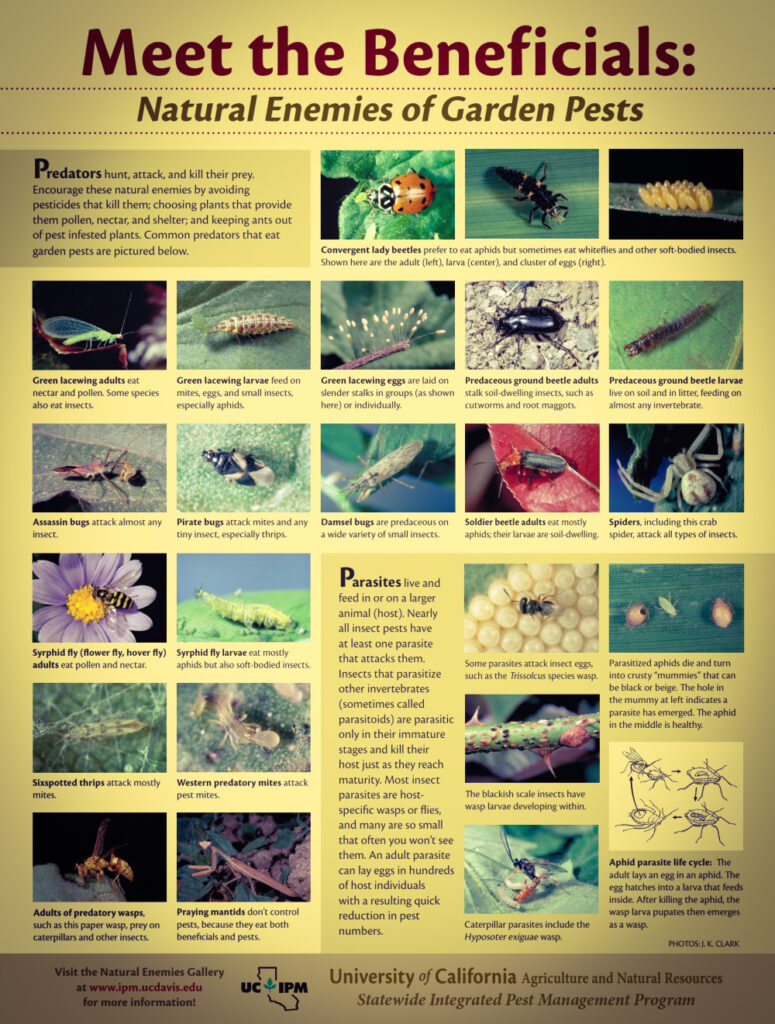
Native gardens become mini wildlife sanctuaries.
- Add birdbaths and shallow water
- Leave logs and rock piles
- Plant host plants for caterpillars
- Avoid pesticides entirely
Common Mistakes to Avoid
- Accidentally planting invasive species
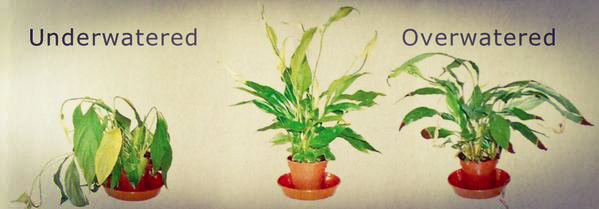
- Overwatering native plants
- Expecting instant results
- Removing lawns without planning
Patience is key—native gardens mature over time.
Best Tools and Resources for Native Gardening
- Local native plant nurseries
- Regional plant databases
- Gardening apps and extension services
- Community conservation groups
Learning locally leads to better success.
Conclusion
An eco garden built with native plants is an investment in the future. It saves water, supports wildlife, and brings natural beauty to your space year after year.
Native gardening also plays a small but meaningful role in fighting climate change by restoring ecosystems and reducing resource use.
Start small, observe nature, and let your garden grow naturally.
FAQs
Can I mix native and non-native plants?
You can, but native-only gardens provide the strongest ecological benefits.
How long do native plants take to establish?
Most take 1–3 years to fully establish.
Are native plants suitable for container gardening?
Yes, many native plants thrive in pots with proper care.
Do native gardens increase property value?
Well-designed native gardens can improve curb appeal and long-term value.

Asif Ali is a gardening blogger with over 2 years of experience writing about garden inspiration, eco-friendly gardening, and beautiful garden destinations. He focuses on practical, sustainable ideas that help beginners create inspiring gardens with ease.