I. Introduction
Nature that feels straight out of a dream 🌿
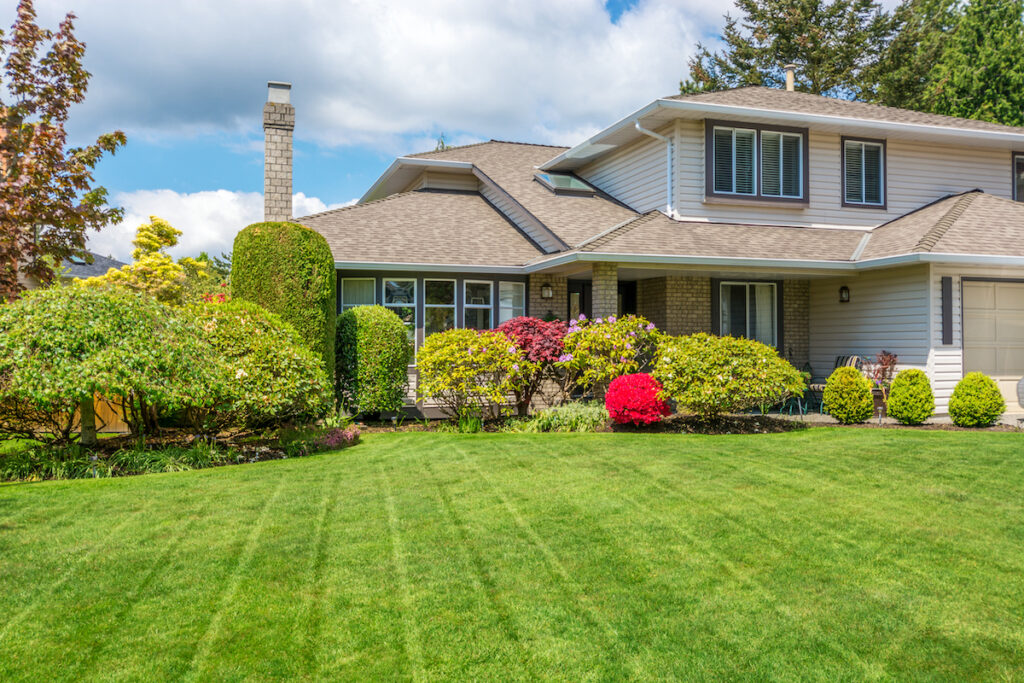
That’s often the image Americans picture when they think of a perfect home lawn. For decades, a lush green yard has symbolized pride, comfort, and curb appeal across the United States.
But behind that green carpet is a real cost—financial, environmental, and personal. As water prices rise and sustainability becomes more important, homeowners and nature lovers are starting to ask a practical question: Is a traditional lawn really worth it?
This article compares the true costs of traditional lawns versus eco friendly lawn alternatives in the USA, including installation, upkeep, long-term expenses, and hidden impacts that often go unnoticed.

II. Definitions & Background
Traditional Lawns
Traditional American lawns are usually made of turfgrass species like Kentucky bluegrass, Bermuda grass, or fescue. These lawns look neat and uniform but require constant attention.
Common maintenance includes:
- Frequent mowing
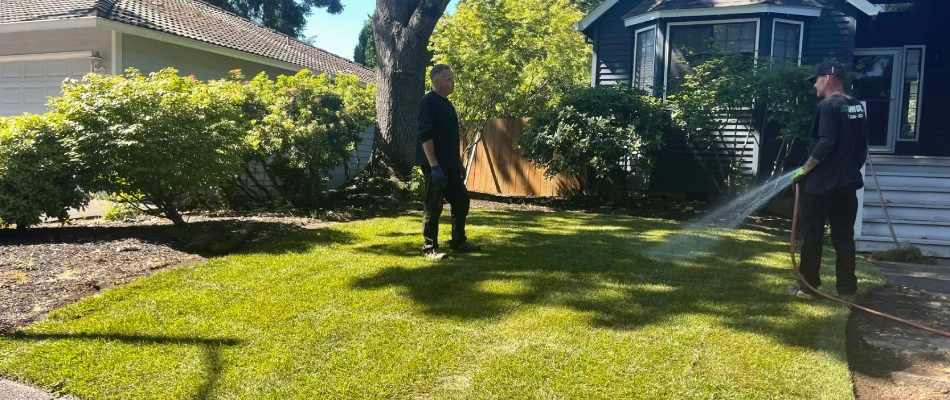
- Regular watering
- Fertilizers and pesticides
- Seasonal reseeding or sod replacement
Eco-Friendly Lawn Alternatives
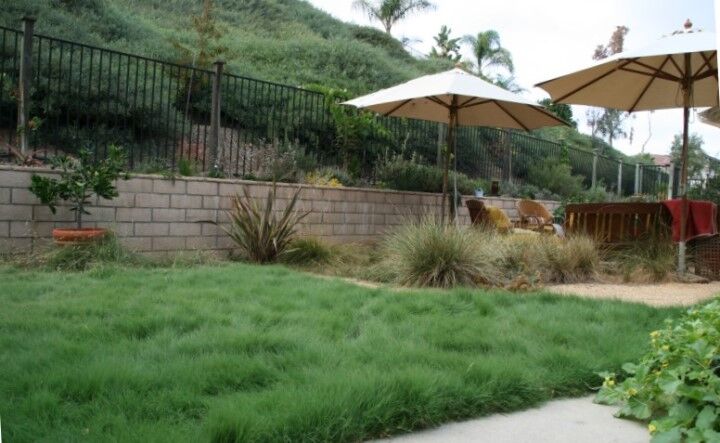
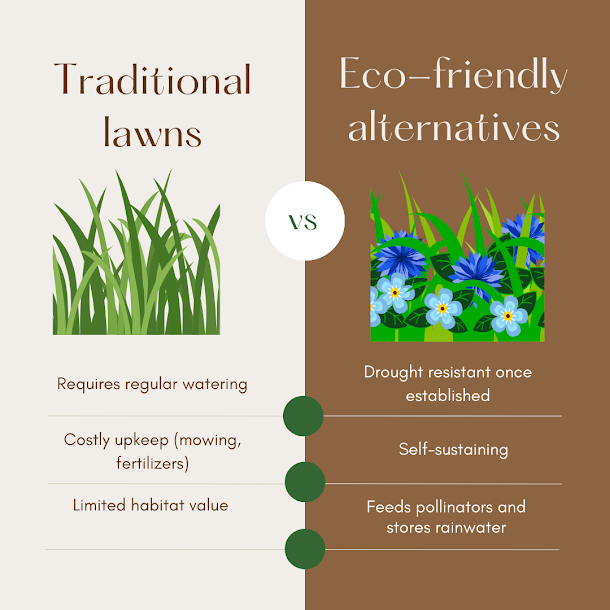
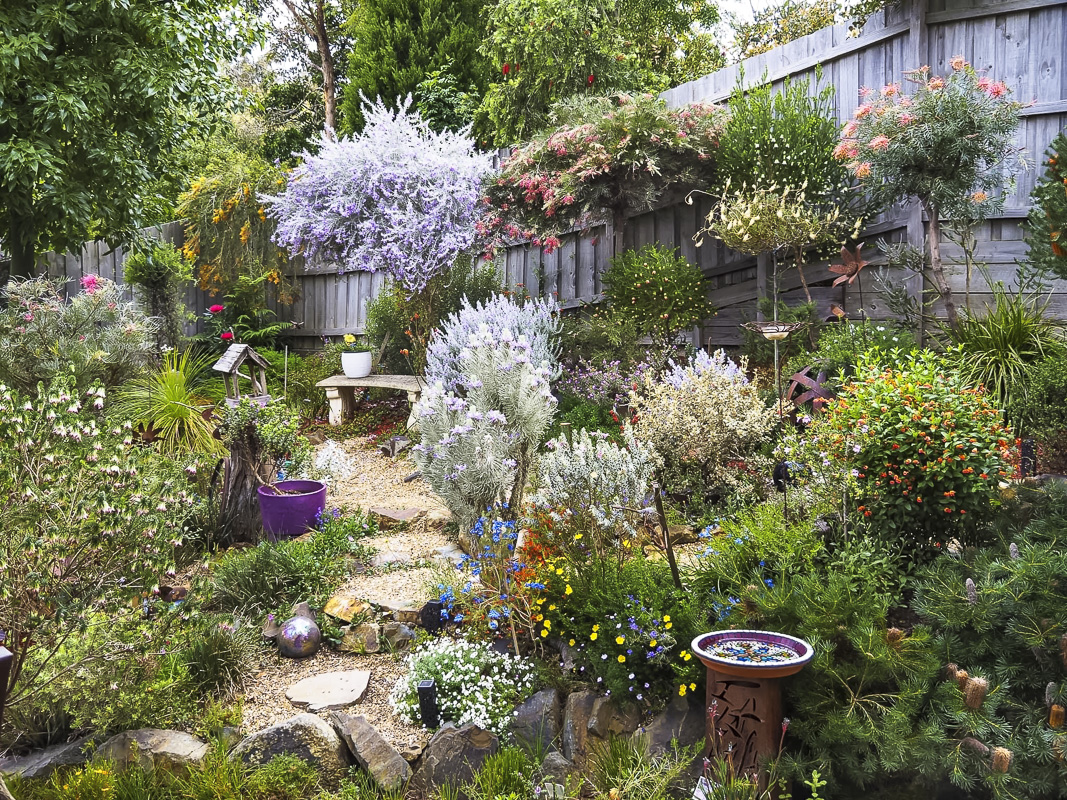
Eco-friendly lawn alternatives focus on working with nature instead of against it. These options reduce chemical use, water demand, and maintenance.
Popular alternatives include:
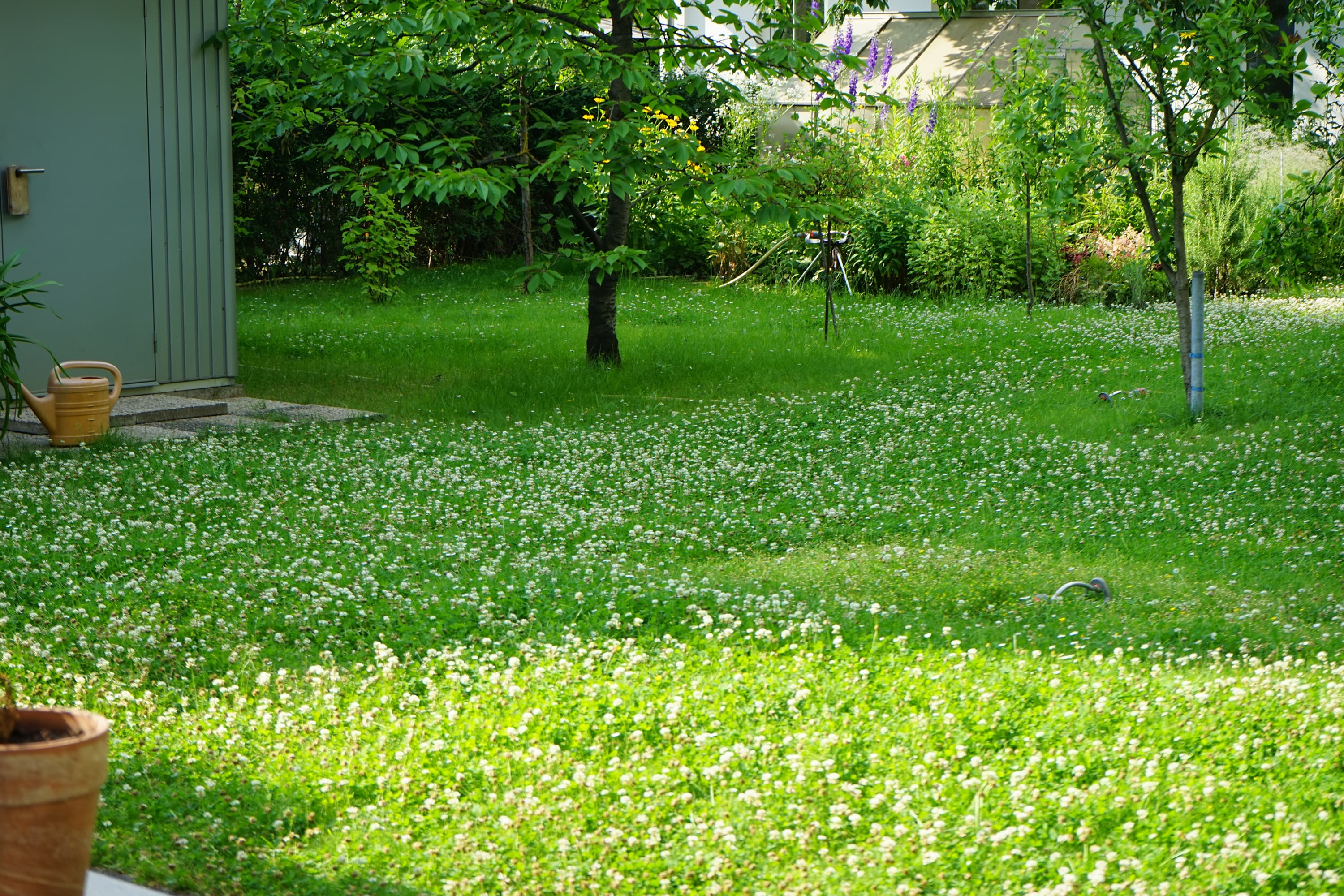
- Clover lawns
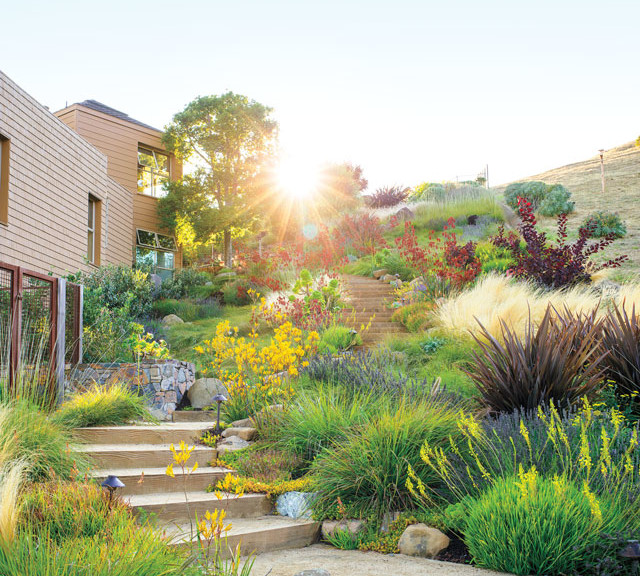
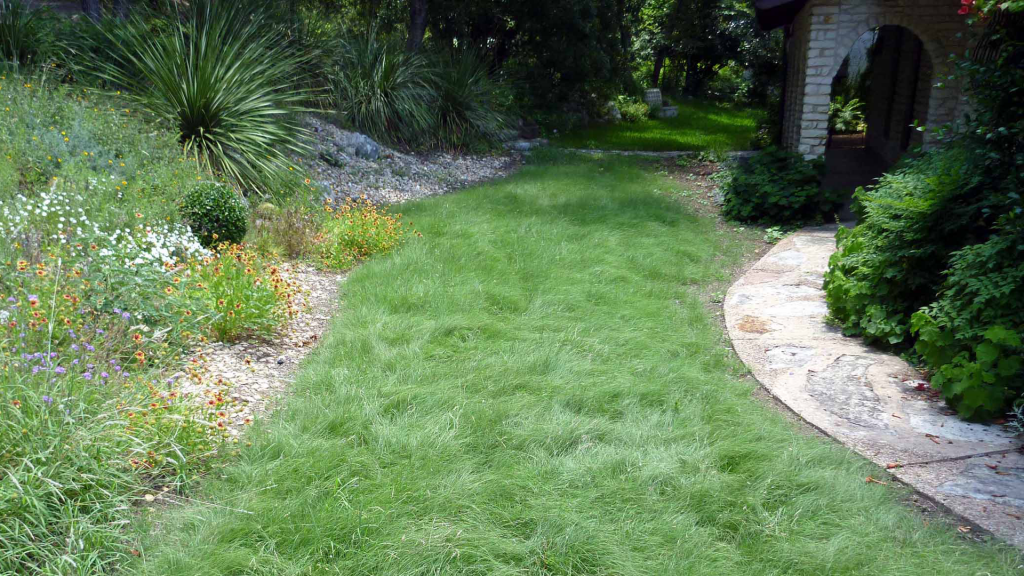
- Native grasses
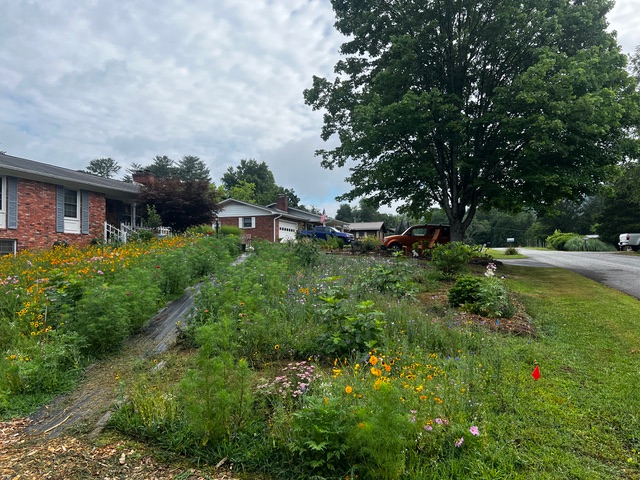
- Meadow-style lawns
- Groundcovers
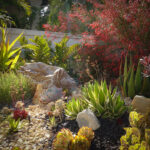
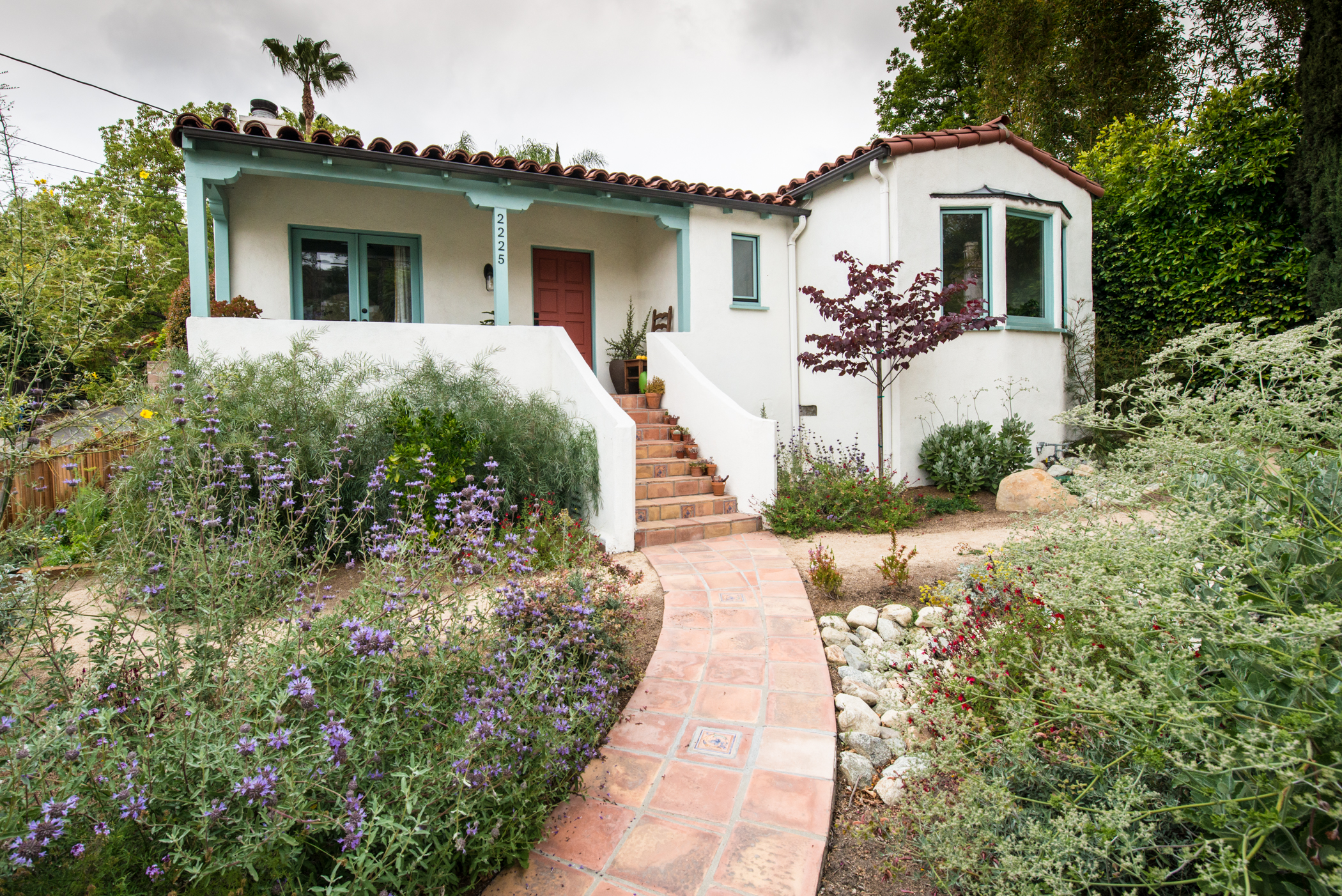
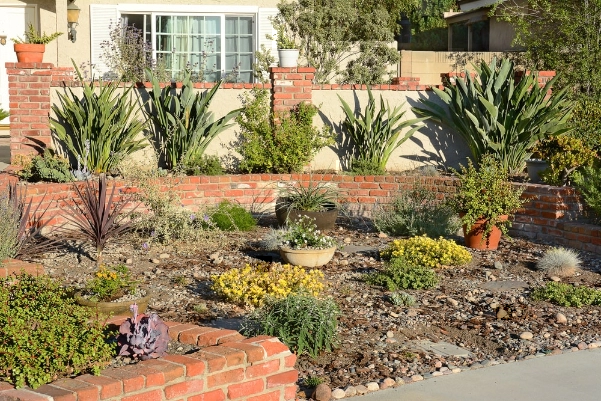
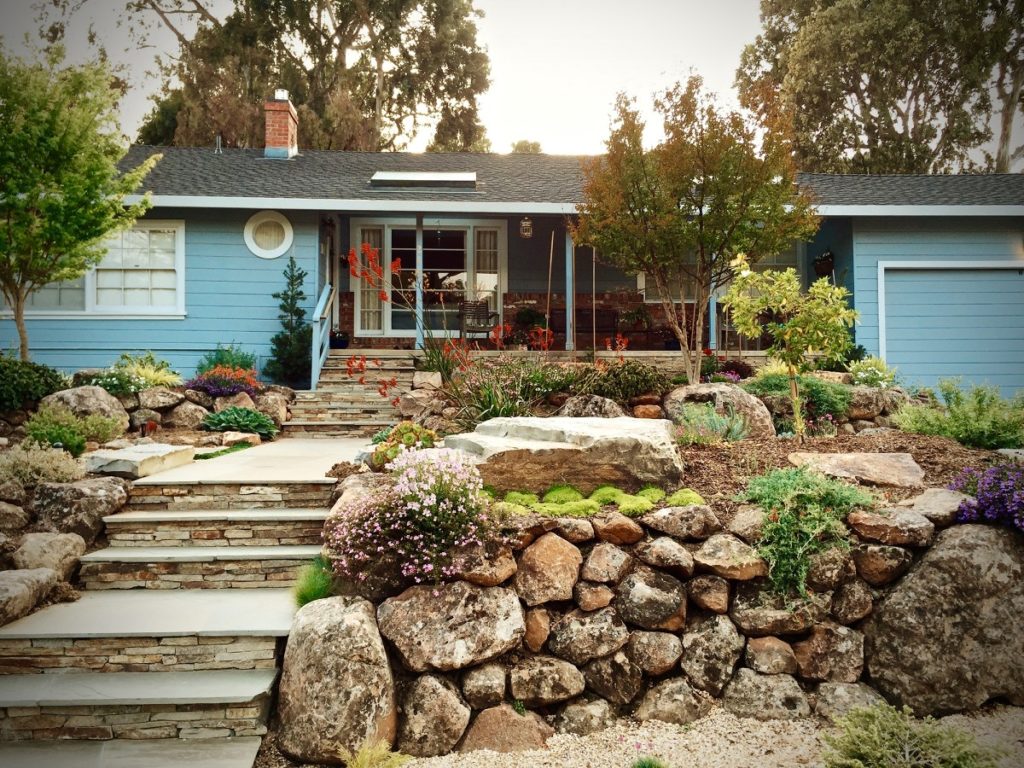
- Xeriscaping with rocks and drought-tolerant plants
These landscapes aim to be resilient, low-maintenance, and supportive of local ecosystems.
4
III. Cost Components
A. Initial / Installation Costs
- Soil preparation and grading
- Seed or sod installation
- Eco-plant sourcing
- Landscape design and labor
B. Maintenance & Upkeep Costs
- Water usage
- Fertilizers and pesticides
- Mowing and equipment
- Seasonal care
C. Long-Term & Hidden Costs
- Fuel and energy use
- Soil degradation
- Environmental damage
- Time investment
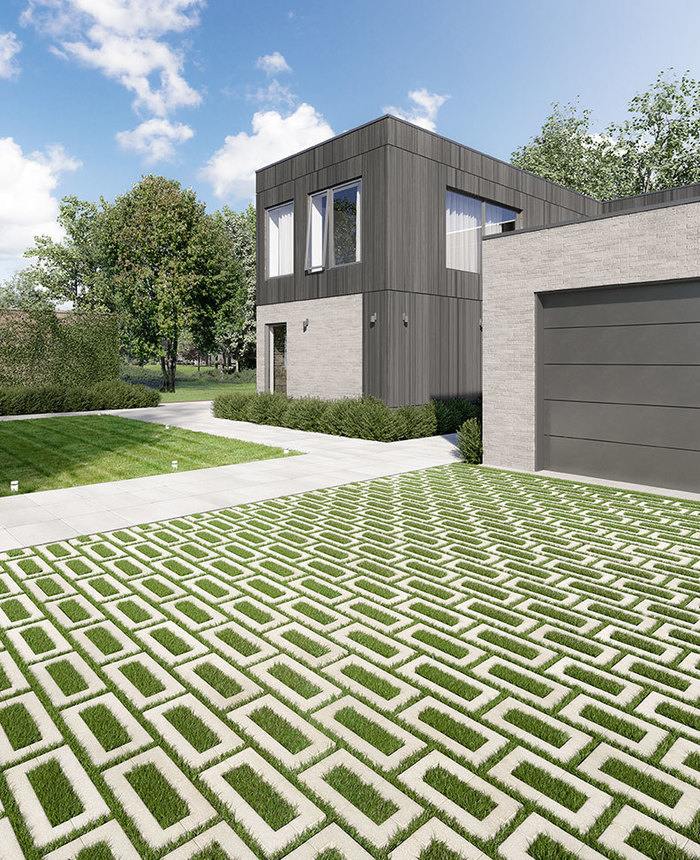

IV. Direct Cost Comparison
Installation Costs
- Traditional sod lawn: $1.50–$2.50 per square foot
- Grass seed lawn: $0.30–$0.60 per square foot
- Eco-friendly alternatives: $1.00–$3.00 per square foot
Eco-friendly options may cost slightly more upfront, especially if native plants or design planning is involved.
Annual Maintenance Expenses
Traditional lawns (average per year):
- Water: $200–$500
- Lawn services: $150–$400
- Fertilizers & chemicals: $100–$300
Eco-friendly lawns (average per year):
- Water: $50–$150
- Maintenance: $50–$150
- Chemicals: Often $0
Equipment & Labor
Traditional lawns often require:
- Lawn mowers
- Trimmers
- Blowers
- Fuel or electricity
Eco-friendly lawns significantly reduce or eliminate these needs.


4
V. Indirect Costs & Externalities
Environmental Costs
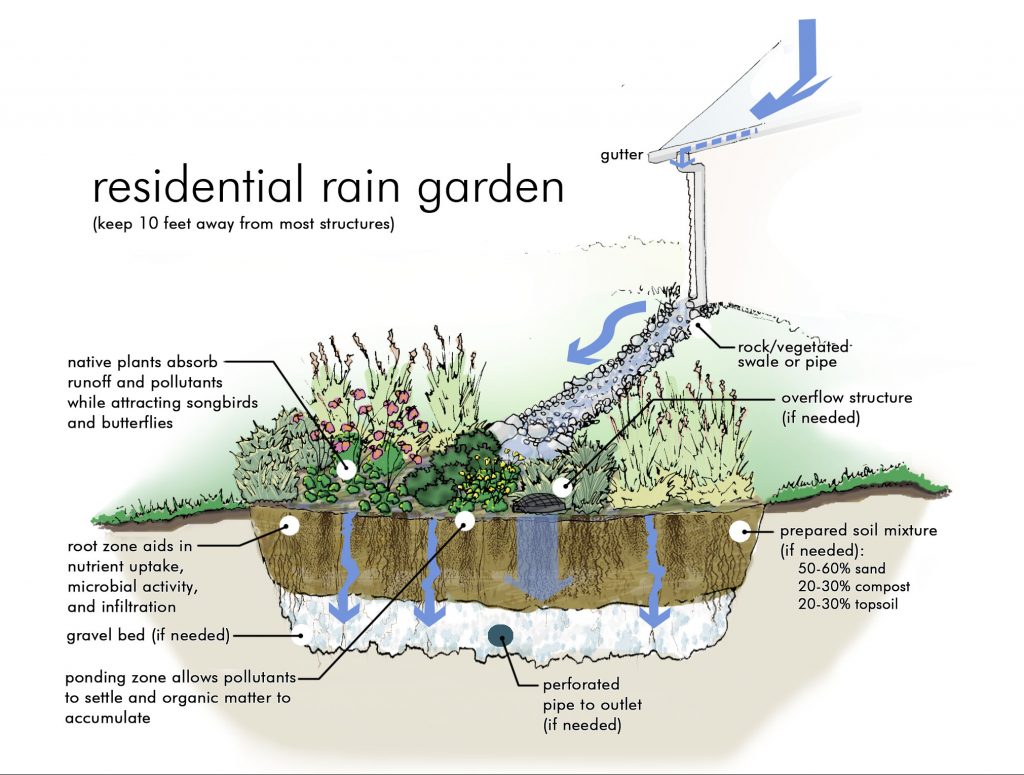
Traditional lawns consume large amounts of water and contribute to runoff pollution from fertilizers and pesticides. Gas-powered equipment adds to carbon emissions.
Eco-friendly alternatives:
- Use less water
- Improve soil health
- Reduce pollution
- Support pollinators
Health & Safety
Chemical lawn treatments can affect:
- Air quality
- Allergies
- Children and pets
Eco-friendly landscapes reduce exposure to harsh substances.
Ecosystem Services
Native plants support bees, butterflies, birds, and beneficial insects while helping regulate soil temperature and moisture.



VI. Economic Benefits of Eco-Friendly Lawns
Reduced Water Bills
Native plants and clover lawns require far less irrigation, especially in dry states like California, Arizona, and Nevada.
Lower Maintenance Costs
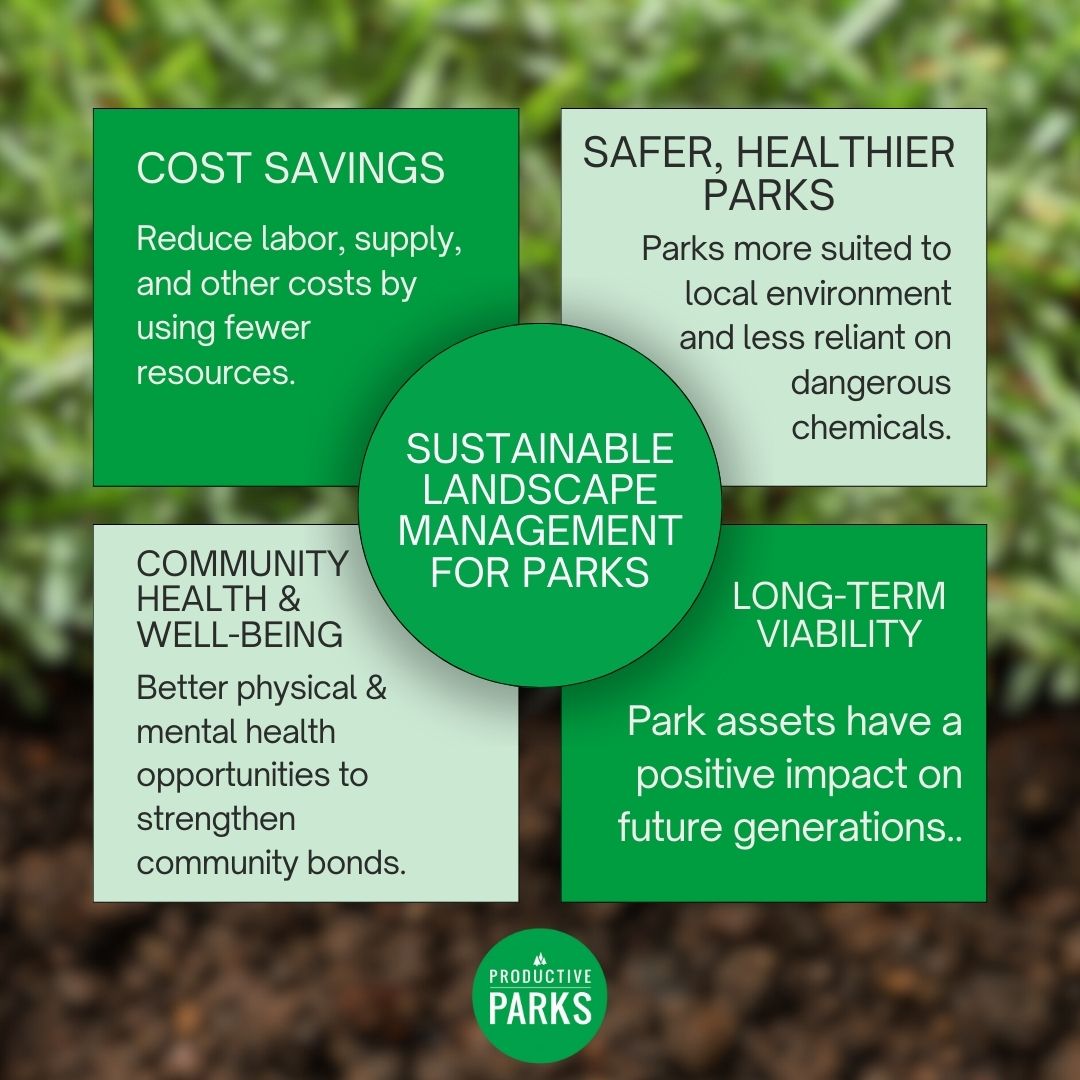
Less mowing, fewer chemicals, and minimal reseeding translate into long-term savings.
Increased Property Resilience
Eco-friendly lawns handle droughts, pests, and weather extremes better than turfgrass.
Potential Incentives
Some states and cities offer rebates for water-wise landscaping and lawn conversions, making eco-friendly choices even more affordable.

VII. Case Studies & Data Examples
Example 1: Traditional Lawn (¼ Acre)
- Installation: $3,000
- Annual maintenance: $1,200
- 10-year total: $15,000+
Example 2: Eco-Friendly Lawn (¼ Acre)
- Installation: $4,000
- Annual maintenance: $300
- 10-year total: $7,000
Long-Term Comparison
Over 20 years, eco-friendly lawn alternatives in the USA often cost 40–60% less than traditional lawns when all expenses are considered.

VIII. Challenges & Considerations
Aesthetic Preferences
Some homeowners still prefer the classic green lawn look. HOAs may also restrict alternative landscaping styles.
Climate & Regional Differences
Costs and plant choices vary by region. What works in Oregon may not work in Texas or Florida.
Transition Costs
Replacing an existing lawn takes time, planning, and patience—but savings grow quickly after the switch.


IX. Conclusion
Key Takeaways
Traditional lawns look familiar but come with high long-term costs. Eco-friendly lawn alternatives in the USA offer lower maintenance, reduced water use, and strong environmental benefits.
Top 25 Native Plants for Eco Gardening USA : A Simple Guide to Sustainable Beauty
Final Recommendation
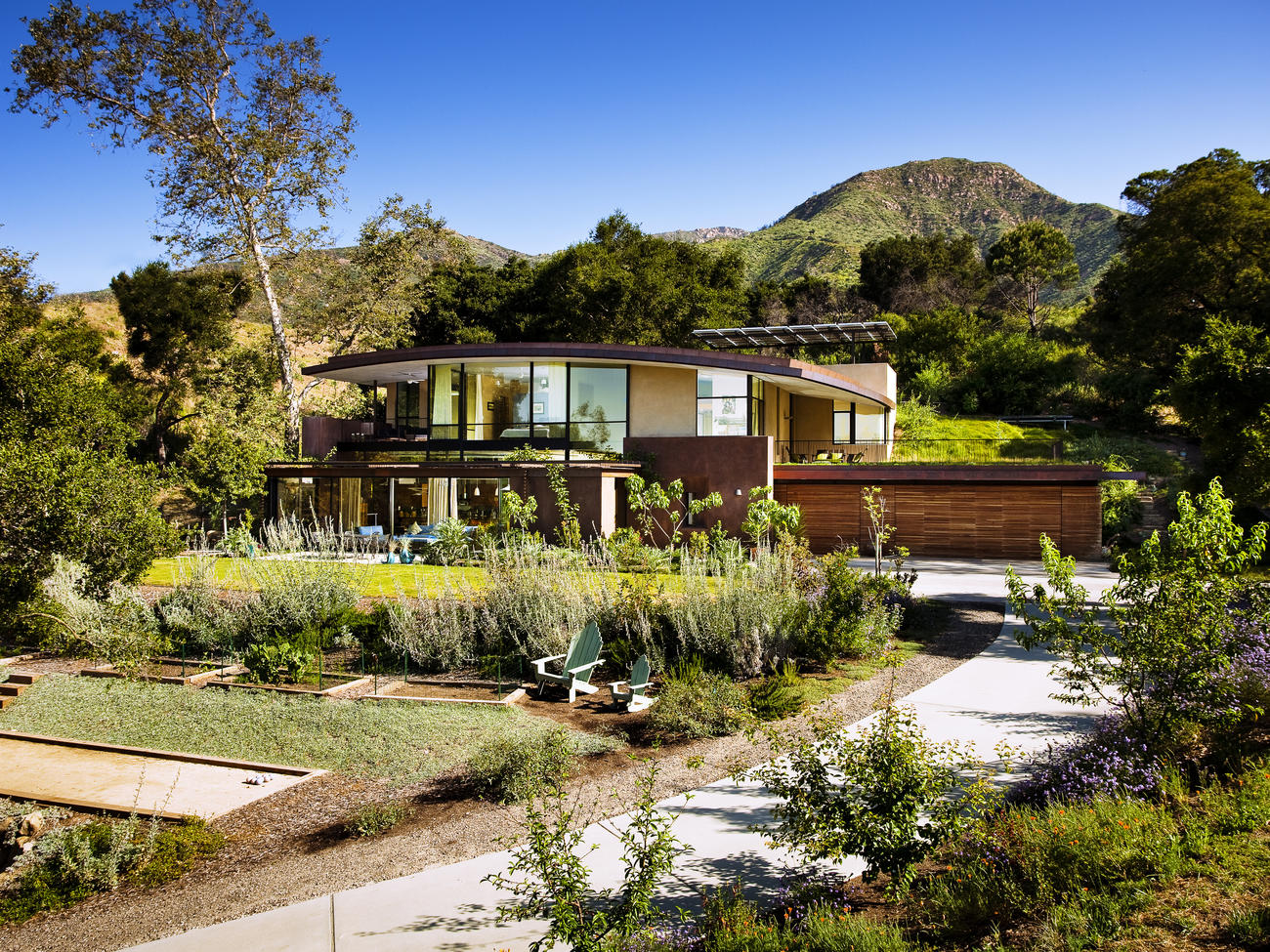
Eco-friendly options make the most financial sense for homeowners seeking long-term savings, sustainability, and less upkeep. Traditional lawns may still suit small spaces or areas with strict regulations, but they are no longer the most practical default.
A lawn should serve your lifestyle—not drain your wallet or natural resources.
X. Supporting Resources
Reference Studies & Reports
Data from organizations like United States Department of Agriculture and state university extension programs consistently show that sustainable landscaping reduces long-term costs and resource use.
Tools & Calculators
Many local utilities and environmental agencies provide lawn water usage calculators and landscaping cost estimators to help homeowners plan smarter outdoor spaces.

Asif Ali is a gardening blogger with over 2 years of experience writing about garden inspiration, eco-friendly gardening, and beautiful garden destinations. He focuses on practical, sustainable ideas that help beginners create inspiring gardens with ease.